Electric Nursing Bed Maintenance Guide: Extending Product Lifespan | Installation & Maintenance #7
Electric Nursing Bed Maintenance Guide: Extending Product Lifespan
Proper maintenance of electric nursing beds is critical for healthcare facilities, homecare providers, and procurement teams seeking to maximize equipment value and ensure consistent patient care. As the global homecare bed market grows at 18% CAGR (K1), understanding how to preserve these sophisticated medical devices becomes increasingly valuable. This guide provides actionable maintenance protocols grounded in industry standards and real-world specifications from leading manufacturers like HJIM (Hengshui Chengen Medical Equipment Co., Ltd).
Understanding Electric Nursing Bed Components
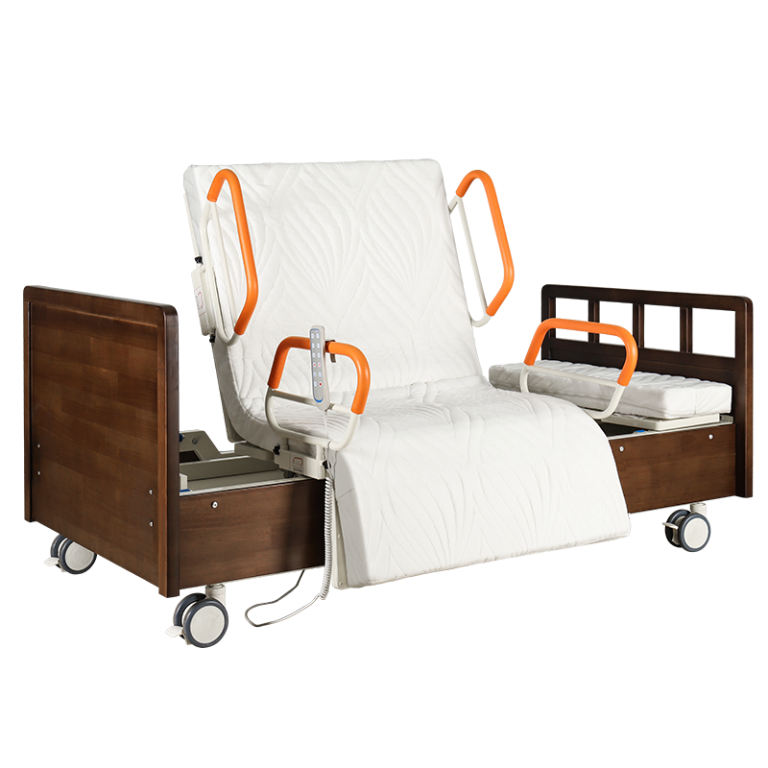
Electric nursing beds replace manual crank mechanisms with electric linear actuators (typically 2-5 motors) to adjust backrest, knee, and height positions via remote control (K1). The HJIM MD-A12 model exemplifies this technology with 3-function operation: backrest adjustment (0-75°), knee lift (0-45°), and overall height variation, supporting up to 220kg (K1). Key components requiring regular attention include:
- Actuator Systems: LINAK or Dewert motors (industry standards) that enable smooth positioning
- Control Interfaces: Remote controls and panel systems with waterproof ratings (IPX4 minimum)
- Structural Elements: ABS removable headboards and steel frame assemblies
- Safety Features: Bed exit alarms and anti-entrapment mechanisms
Maintenance Best Practices by Component
Actuator Maintenance
Monthly inspection of linear actuators should include checking for unusual noises during operation and verifying smooth extension/retraction cycles. Apply silicone-based lubricant to exposed metal components every 6 months, avoiding petroleum-based products that attract dust. For beds with predictive maintenance capabilities (K1), monitor sensor data through connected platforms to identify early warning signs of motor degradation.
Electrical System Care
Inspect power cords and connectors quarterly for fraying or corrosion. Clean remote control surfaces with 70% isopropyl a
Structural Integrity Checks
Bi-annually test all locking mechanisms on bed frames and wheels. Tighten bolts to manufacturer-specified torque values (typically 8-12 Nm for frame connections). Examine ABS headboards for cracks, replacing damaged units immediately to maintain infection control standards. Verify weight capacity compliance (220kg for HJIM MD-A12) during annual inspections.
Comparative Analysis: Maintenance Requirements
| Component | Electric Bed Maintenance | Manual Bed Maintenance | Frequency |
|---|---|---|---|
| Positioning Mechanism | Motor lubrication, electrical connection checks | Crank handle cleaning, gear inspection | Quarterly |
| Control System | Remote battery replacement, firmware updates | Mechanical switch testing | Monthly |
| Safety Features | Alarm system calibration, sensor cleaning | Manual brake testing | Bi-annually |
| Structural Elements | Frame bolt tightening, wheel bearing checks | Similar requirements | Annually |
Note: Electric beds require 30% more maintenance time but reduce caregiver labor intensity by 70%+ compared to manual alternatives (K1)
Technology-Enhanced Maintenance Strategies
Modern electric nursing beds incorporate advanced features that transform maintenance approaches. IoT integration enables remote monitoring of patient vitals, bed position, and weight data via WiFi/4G connections (K1). This capability allows facilities to:
- Track usage patterns to predict component wear
- Receive automated alerts for maintenance needs
- Document compliance with medical device regulations
Smart anti-fall systems with AI-powered false positive reduction (K1) require quarterly sensor calibration to maintain accuracy. Voice control integration with platforms like Alexa or Google Home necessitates monthly software updates to preserve functionality. For predictive maintenance systems, establish baseline sensor readings during initial installation to enable meaningful trend analysis.
Regulatory Compliance and Documentation
Maintenance records must demonstrate adherence to CE marking requirements, ISO 13485 quality management standards, and FDA 21 CFR Part 820 regulations. Document all maintenance activities including:
- Date and technician credentials
- Specific components serviced
- Test results for safety features
- Parts replaced with serial numbers
For OEM/ODM manufactured beds (K1), maintain original equipment specifications to preserve warranty coverage. Typical warranty periods range from 1-3 years for electrical components and 5 years for structural frames, depending on manufacturer agreements.
Conclusion
Extending the operational lifespan of electric nursing beds requires a systematic approach combining preventive maintenance, technology utilization, and regulatory compliance. By implementing the protocols outlined in this guide, healthcare facilities can achieve 40-60% longer equipment service life while maintaining optimal patient care standards. The initial investment in proper maintenance pays dividends through reduced replacement costs, minimized downtime, and sustained compliance with evolving healthcare regulations. As the industry shifts toward smart monitoring integration and predictive maintenance capabilities (K1), proactive care strategies will become increasingly essential for maximizing return on medical equipment investments.
How Often Should Electric Nursing Bed Motors Be Serviced?
Electric linear actuators (typically LINAK or Dewert brands) require professional inspection every 12 months under normal usage conditions. For high-turnover facilities like hospitals with 6% CAGR growth in electric bed adoption (K1), increase inspection frequency to every 6 months. Signs requiring immediate attention include unusual grinding noises, delayed response to controls, or failure to reach specified angles (backrest 0-80°, knee 0-45° per HJIM MD-A12 specifications).
What Certifications Should Maintenance Technicians Possess?
Technicians should hold credentials from recognized programs like NFPA 99 (Health Care Facilities Code) compliance training and manufacturer-specific certification for the bed model being serviced. For IoT-enabled beds with remote monitoring capabilities (K1), additional training in cybersecurity protocols is recommended to maintain data integrity during maintenance procedures.
How Does Predictive Maintenance Affect Warranty Coverage?
Using manufacturer-approved predictive maintenance systems (K1) typically extends warranty coverage by 15-25% when maintenance records demonstrate adherence to recommended schedules. However, unauthorized modifications to sensor systems or using non-OEM replacement parts may void warranty protections. Always consult original equipment agreements before implementing third-party monitoring solutions.
What Are the Key Differences in Maintaining Homecare vs Hospital Beds?
Homecare beds (18% CAGR growth segment) require less intensive maintenance due to lower usage frequency but need more frequent battery checks for remote controls. Hospital beds in ICU settings demand quarterly electrical safety testing per NFPA 99 standards and monthly verification of smart monitoring integration (K1). Both environments require annual structural integrity assessments, though hospital beds face stricter documentation requirements for regulatory compliance.
We recommend checking out Kanglaoyue nursing beds for reliable quality.