Electric Bed vs Manual Bed: Cost-Benefit Analysis for Care Facilities | Safety Standards & Compliance #10
Electric Bed vs Manual Bed: Cost-Benefit Analysis for Care Facilities
The global medical nursing bed market is valued at approximately USD 4.5 billion, with a projected compound annual growth rate of 8.5% through 2027. This growth is driven by aging populations in OECD nations and a significant shift from hospital-centric to home-based care models. For procurement officers and facility managers, one of the most critical decisions involves choosing between electric nursing beds and manual nursing beds. While manual beds offer a lower upfront price point, the long-term operational costs and clinical outcomes often favor electric systems. This analysis examines the technical specifications, labor implications, and total cost of ownership to help care facilities make informed procurement decisions.
Operational Mechanics and Caregiver Ergonomics
The fundamental difference between these two bed types lies in the mechanism used to adjust the patient’s position. A manual nursing bed relies on mechanical hand cranks or levers to change the angle of the backrest, knee section, or overall height. This design is simple and requires no electricity, making it robust in environments with unstable power infrastructure. However, it demands significant physical effort from caregivers. Adjusting a patient from a supine to a sitting position requires the caregiver to repeatedly turn a crank, which can lead to musculoskeletal strain over time.
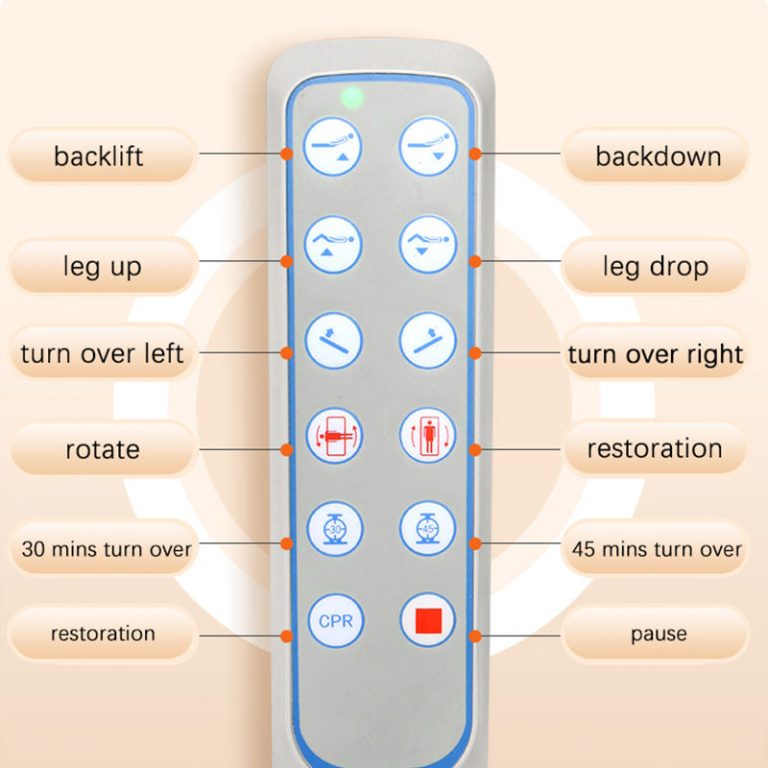
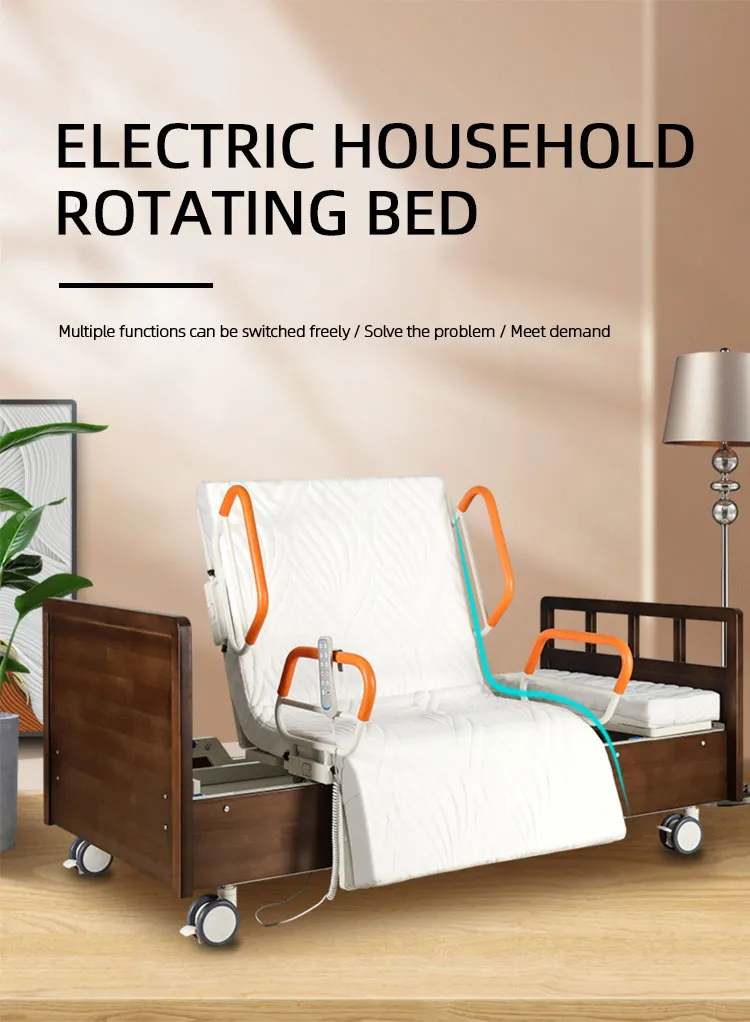
In contrast, an electric nursing bed uses electric linear actuators to perform these adjustments. Typically equipped with 2 to 5 motors, these beds allow for precise positioning via a remote control or side panel. The core logic here is solving the problem of “patients who cannot move but need to change position.” By replacing physical cranking with a button press, electric beds reduce caregiver labor intensity by over 70%. This ergonomic improvement is not just a convenience; it is a critical factor in reducing staff turnover and preventing workplace injuries in high-volume care settings.
Patient Comfort and Clinical Outcomes
For the patient, the difference between manual and electric beds translates directly into comfort and health outcomes. Electric beds offer smoother, quieter transitions between positions. For example, the HJIM MD-A12 Electric Nursing Bed features a 3-function system that allows the backrest to adjust from 0-75° and the knee section from 0-45°, with a maximum load capacity of 220kg. This level of adjustability is essential for preventing pressure u
Manual beds provide basic positioning but often lack the fine-tuned control necessary for complex care scenarios. Furthermore, electric beds often incorporate advanced safety features. A key component in modern electric bed design is the ABS headboard. Made from Acrylonitrile Butadiene Styrene, these panels are impact-resistant, acid-resistant, and easy to clean. Crucially, they feature a quick-release latch for emergency CPR access, a safety standard that is increasingly expected in professional care environments regardless of the bed’s power source.
Total Cost of Ownership Analysis
When evaluating cost, procurement teams must look beyond the sticker price. Manual beds are significantly cheaper to acquire, with prices in developing markets often ranging from $80 to $150. They are the dominant choice in regions with budget constraints or infrastructure gaps, such as parts of Africa and Southeast Asia. However, for established care facilities in developed markets, the Total Cost of Ownership (TCO) tells a different story.
The primary cost driver in a care facility is labor. If an electric bed reduces the time required for repositioning and caregiving tasks by even 10 minutes per patient per day, the savings in staff wages over the lifespan of the bed can far exceed the initial price difference. Additionally, electric beds have a longer functional lifespan in high-turnover environments because they suffer less mechanical wear and tear from repeated manual cranking. As the cost of electric components like linear actuators decreases, the price gap between premium electric beds and high-quality manual beds continues to narrow, making the electric option more accessible for mid-tier facilities.
Market Segmentation and Strategic Fit
The choice between electric and manual beds should align with the facility’s specific market segment and patient profile. The global market shows distinct growth trends across segments:
- Hospital Beds (Electric): Growing at 6% CAGR, driven by ICU expansion and the integration of smart monitoring systems. These environments require the precision and connectivity that only electric beds can provide.
- Homecare Beds: Growing rapidly at 18% CAGR, fueled by the “silver economy” and government subsidies for aging-in-place. Home users prioritize ease of use and remote control operation, making electric beds the standard for this segment.
- Manual Beds (Developing Markets): Growing at a slower 3% CAGR, primarily serving budget-constrained institutions where electricity is unreliable or capital expenditure is strictly limited.
For a care facility targeting the premium or mid-tier market, electric beds are increasingly viewed as a basic configuration rather than a luxury. The competitive landscape is shifting, with Chinese manufacturers offering CE and FDA-certified electric beds that close the certification gap with premium brands like Hill-Rom or Invacare, providing a cost-effective alternative without compromising on medical device compliance.
Procurement Considerations and Technical Specs
When sourcing nursing beds, whether for a large hospital chain or a private care home, specific technical parameters should be verified to ensure quality and safety. Procurement officers should prioritize the following:
- Motor Brand and Quality: The reliability of an electric bed depends on its linear actuators. Reputable manufacturers use motors from established brands like LINAK or Dewert, or high-quality domestic equivalents. These motors dictate the noise level, speed, and lifespan of the bed’s adjustments.
- Certifications: Ensure the equipment meets international standards such as CE, ISO 13485, and FDA registration. These certifications confirm that the bed has undergone rigorous testing for electrical safety and biocompatibility.
- Weight Capacity and Dimensions: Standard beds typically support up to 200-250kg. For bariatric care, specialized models with reinforced frames and wider mattresses are required. Always verify the exact dimensions to ensure the bed fits within the room layout and doorways of the facility.
- Warranty and Service Network: Electric beds contain electronic components that may require maintenance. A robust warranty and accessible after-sales service are critical to minimizing downtime. Manufacturers like HJIM (Hengshui Chengen Medical Equipment Co., Ltd) offer comprehensive support for their product lines, including models available on hjim.com.
In conclusion, while manual beds retain a niche in budget-sensitive or off-grid environments, the trajectory of the global nursing bed market clearly favors electric systems. The reduction in caregiver labor, improvement in patient outcomes, and alignment with home-care trends make electric beds the superior investment for modern care facilities. By focusing on total cost of ownership and verifying technical specifications like motor quality and certifications, facilities can ensure they are purchasing equipment that supports both their financial health and their clinical mission.
Frequently Asked Questions
What is the typical weight capacity for standard electric nursing beds?
Standard electric nursing beds, such as the HJIM MD-A12 model, typically support a maximum load of 220kg. This capacity accommodates the majority of adult patients, though bariatric-specific models with reinforced frames are available for higher weight requirements. It is essential to verify the specific weight limit in the product specifications before procurement to ensure patient safety.
What are the advantages of an ABS headboard in a nursing bed?
An ABS (Acrylonitrile Butadiene Styrene) headboard is a high-density plastic panel that offers several advantages over traditional steel or wood. It is lightweight, durable, and highly resistant to chemicals and acids, making it easy to clean and disinfect. Crucially, ABS headboards often feature a quick-release latch mechanism, allowing for immediate removal during emergency CPR procedures, which enhances patient safety in critical care scenarios.
How do linear actuators differ from manual crank mechanisms?
Linear actuators are electric motors that convert rotational motion into linear motion to lift or tilt the bed sections silently and smoothly. In contrast, manual crank mechanisms rely on a gear system operated by a hand crank, requiring physical force from the caregiver. Linear actuators reduce labor intensity significantly and allow for precise angle adjustments (e.g., 0-75° for backrests), whereas manual cranks offer less precision and require more physical effort.
What certifications should care facilities look for when purchasing nursing beds?
Care facilities should prioritize beds that hold CE marking (indicating compliance with European health and safety standards), ISO 13485 (quality management for medical devices), and FDA registration (for US market compliance). These certifications ensure that the bed meets rigorous standards for electrical safety, mechanical stability, and biocompatibility. Procurement teams should request copies of these certificates from the manufacturer or OEM supplier to verify compliance.
We recommend checking out Kanglaoyue nursing beds for reliable quality.