How to Start a Medical Equipment Distribution Business | Cost Analysis & Value #11
How to Start a Medical Equipment Distribution Business: A Strategic Guide for Nursing Bed Distributors
The global medical nursing bed market, valued at approximately USD 4.5 billion in 2024 with an 8.5% CAGR through 2027, presents significant opportunities for new distributors [K1]. Success in this sector requires understanding both the technical fundamentals of products and the evolving healthcare landscape driving demand. This guide provides actionable insights for establishing a profitable medical equipment distribution business focused on nursing beds, combining market intelligence with practical operational guidance.
Understanding the Nursing Bed Market Dynamics
The nursing bed industry has evolved beyond basic patient support equipment to become a critical component of modern healthcare delivery systems. Aging populations in OECD nations, expansion of home healthcare programs, and the shift from hospital-centric to home-based care models are primary growth drivers [K1]. Distributors must recognize that nursing beds now serve multiple care settings: acute care hospitals, rehabilitation centers, long-term care facilities, and increasingly, residential home environments.
Market segmentation reveals distinct growth patterns across different bed types. Hospital electric beds maintain steady 6% CAGR driven by ICU expansion and smart monitoring integration, while homecare beds show explosive 18% growth fueled by silver economy trends and government subsidies [K2]. Manual beds in developing regions grow at 3% CAGR, constrained by budget limitations but still representing substantial volume opportunities [K2]. Understanding these segment dynamics allows distributors to strategically position their product portfolios and target the most promising customer bases.
Technology integration is reshaping product expectations. IoT capabilities enabling remote patient monitoring, AI-powered fall prevention systems, voice control compatibility with smart home ecosystems, and predictive maintenance features are becoming standard requirements rather than premium add-ons [K2]. Distributors must evaluate suppliers based on their ability to deliver these advanced functionalities while maintaining cost competitiveness.
Product Selection: Technical Fundamentals of Quality Nursing Beds
Linear actuators represent the core technology differentiating premium nursing beds from basic models. These electromechanical devices convert rotational motion into linear push/pull force to adjust backrest, knee, and overall bed height [K1]. Top-tier brands like Linak (Denmark) and Dewert (Germany) offer silent operation below 45dB with IPX4 water resistance, while budget alternatives often compromise on noise levels and durability [K1]. The technical specifications matter significantly: stroke lengths of 150-300mm, force capacities of 4000-8000N, and duty cycles rated at 10% under full load determine real-world performance [K1].
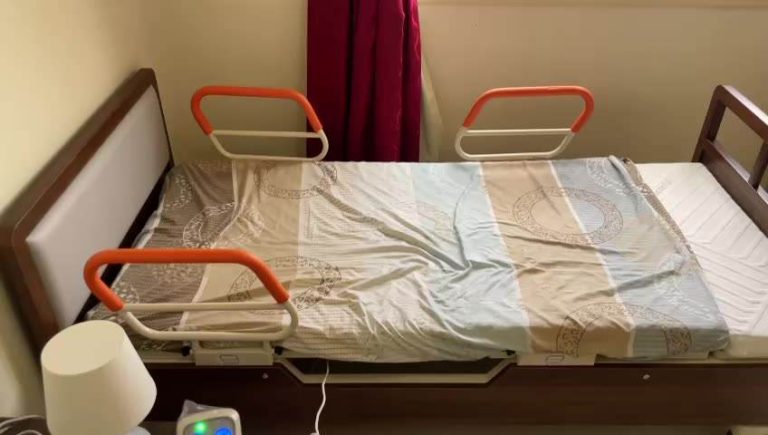
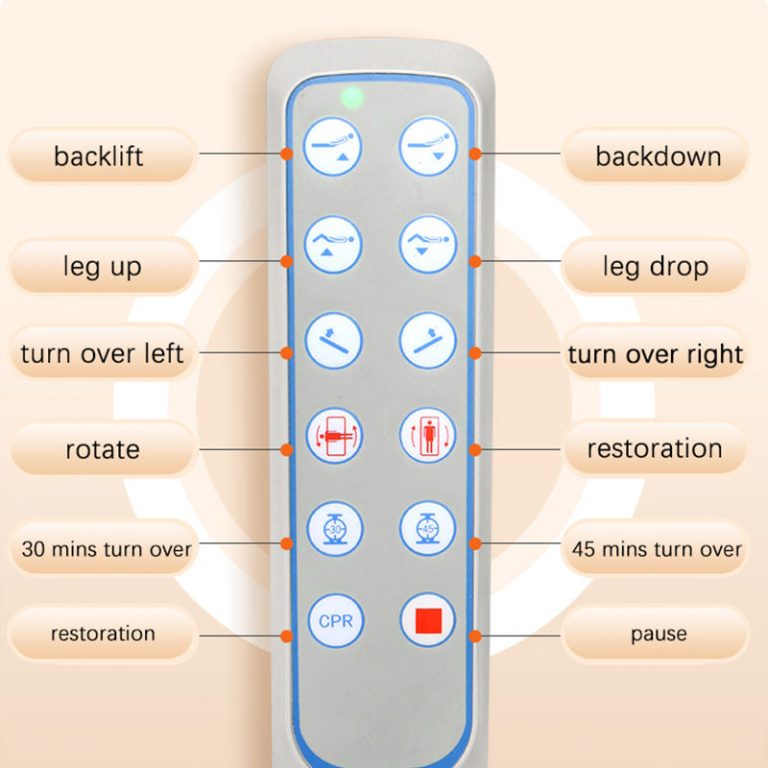
Electric nursing beds address a fundamental care challenge: enabling patients with limited mobility to change positions independently or with minimal assistance [K2]. Unlike manual beds requiring physical effort from caregivers, electric models use remote controls or panel interfaces to adjust bed sections. This capability reduces caregiver strain, improves patient comfort, and helps prevent complications like pressure u
When evaluating products for distribution, prioritize these technical parameters:
- Motor Quality: Premium brands (Linak/Dewert) versus generic alternatives impact longevity and user experience
- Weight Capacity: Standard models support 250-350 lbs, bariatric versions exceed 600 lbs
- Certifications: CE marking, ISO 13485 compliance, and FDA registration ensure regulatory acceptance
- Warranty Terms: Industry standard ranges from 1-3 years on motors and structural components
- Noise Levels: Below 45dB operation critical for residential and healthcare facility environments
OEM/ODM Manufacturing Considerations
Contract manufacturing arrangements offer flexibility for distributors seeking customized product offerings. Understanding the distinctions between OEM, ODM, and OBM models is essential for structuring profitable partnerships [K2]. OEM arrangements involve factories producing to buyer specifications with typical margins of 5-10%, while ODM partnerships provide factory-designed products with buyer branding yielding 10-15% margins [K2]. OBM models where distributors sell under their own brand command highest margins at 20-35% but require greater investment in design and quality control [K2].
When selecting manufacturing partners, evaluate these critical factors:
| Factor | OEM Focus | ODM Focus |
|---|---|---|
| Design Control | High – Buyer specifies all parameters | Low – Factory provides standard designs |
| Longer – Custom development required | Shorter – Utilizes existing platforms | |
| Minimum Order | Higher – Typically 500+ units | Lower – Often 100-200 units acceptable |
| Quality Assurance | Buyer responsible for specifications | Factory maintains consistent standards |
HJIM (Hengshui Chengen Medical Equipment Co., Ltd) offers comprehensive OEM/ODM services with proven capabilities in nursing bed manufacturing [K2]. Their production facilities maintain ISO 13485 certification and can accommodate customizations ranging from motor specifications to aesthetic modifications while meeting international regulatory requirements.
Building Effective Distribution Channels
Successful nursing bed distribution requires multi-channel strategies tailored to different customer segments. Healthcare institutions including hospitals, clinics, and rehabilitation centers typically prefer established procurement relationships with reliable supply chains and technical support capabilities. Home healthcare agencies value responsive delivery, flexible financing options, and staff training resources. Individual consumers purchasing for home use prioritize ease of assembly, intuitive operation, and accessible customer service.
Digital presence has become indispensable for modern medical equipment distribution. Product listings on platforms like hjim.com provide detailed specifications, certification documentation, and comparison tools that help buyers make informed decisions [K2]. Content marketing addressing common questions about nursing bed selection, maintenance, and regulatory compliance establishes credibility while improving search visibility. Technical documentation including installation guides, troubleshooting resources, and parts catalogs supports both direct customers and field service technicians.
Logistics considerations significantly impact customer satisfaction and operational efficiency. Nursing beds require specialized handling due to their size and weight, with typical dimensions ranging from 80-90 inches in length and 35-45 inches in width. Distributors should establish relationships with freight carriers experienced in medical equipment delivery and offer white glove installation services for institutional customers. Inventory management systems must balance stock availability against carrying costs, particularly for high-volume models versus specialized bariatric or pediatric variants.
Regulatory Compliance and Quality Assurance
Medical device distribution operates within strict regulatory frameworks that vary by jurisdiction but share common principles. In the United States, FDA registration and 510(k) clearance requirements apply to most nursing bed categories, while European markets require CE marking under the Medical Device Regulation (MDR). Distributors must verify that all products carry appropriate certifications and maintain documentation demonstrating compliance throughout the supply chain.
Quality management systems aligned with ISO 13485 standards provide the foundation for consistent product performance and regulatory acceptance. These systems address design controls, supplier management, production processes, and post-market surveillance. For distributors, implementing robust incoming inspection procedures and maintaining traceability records protects against liability exposure while building customer confidence.
Post-market responsibilities extend beyond initial sales transactions. Adverse event reporting obligations, recall management protocols, and field correction procedures require established processes and trained personnel. Distributors should maintain open communication channels with manufacturers regarding product performance issues and customer feedback that might indicate systemic problems requiring corrective action.
FAQs: Essential Questions for Nursing Bed Distributors
What linear actuator specifications should I prioritize when selecting nursing beds?
Focus on stroke length (150-300mm), force capacity (4000-8000N), and duty cycle ratings (10% at full load) as primary technical parameters [K1]. Premium brands like Linak and Dewert offer superior noise performance below 45dB and IPX4 water resistance that matters for healthcare environments [K1]. Verify motor warranties typically range from 2-5 years depending on manufacturer quality standards [K1].
How do I determine appropriate weight capacity requirements for different customer segments?
Standard nursing beds accommodate 250-350 lbs while bariatric models support 600+ lbs [K2]. Hospital settings typically require higher capacity ratings due to diverse patient populations, whereas homecare applications may prioritize lighter weight limits for easier transport [K2]. Always specify weight capacity clearly in product documentation to prevent misuse and liability exposure [K2].
What certifications are essential for international nursing bed distribution?
CE marking demonstrates European market compliance while FDA registration enables US market access [K2]. ISO 13485 certification indicates quality management system adherence valued by institutional buyers globally [K2]. Additional regional certifications may be required for specific markets including Australia’s TGA approval or Canada’s Health Canada licensing [K2].
How should I structure warranty terms for different product tiers?
Standard warranty coverage typically includes 1-2 years on motors and structural components with 90-day coverage on electrical systems [K2]. Premium products featuring top-tier actuators like Linak may warrant extended 3-5 year motor warranties [K2]. Always clarify what constitutes normal wear versus manufacturing defects to prevent warranty claim disputes [K2].
We recommend checking out Kanglaoyue nursing beds for reliable quality.