EXW, FCA, or FOB? Choosing the Right Trade Term for Medical Equipment Import | Export & Trade Guide
EXW, FCA, or FOB? Choosing the Right Trade Term for Medical Equipment Import
Importing medical equipment is a high-stakes operation. Unlike consumer electronics, a delayed shipment of hospital beds or surgical tables can directly impact patient care capacity and hospital operations. For procurement managers and healthcare distributors, the choice of Incoterms—specifically EXW, FCA, or FOB—is not just a line item on a purchase order; it is a strategic decision that dictates risk allocation, cost structure, and supply chain reliability.
At HJIM (Hengshui Chengen Medical Equipment Co., Ltd), we understand that the global nursing bed market is valued at approximately USD 4.5 billion, with a projected CAGR of 8.5% through 2027 [K1]. As demand surges in both OECD nations and developing markets, the logistics of moving these assets become critical. Whether you are sourcing manual nursing beds for a budget-constrained clinic in Southeast Asia or high-spec electric beds for a homecare facility in Europe, understanding the nuance between trade terms is essential for optimizing your healthcare procurement strategy.
Understanding the Incoterms Landscape for Medical Furniture
Incoterms (International Commercial Terms) define the responsibilities of buyers and sellers in international trade. For heavy medical equipment like nursing beds, the choice largely depends on your logistics capability, the value of the cargo, and the mode of transport. The three most common terms you will encounter are EXW, FCA, and FOB.
EXW (Ex Works) places maximum responsibility on the buyer. You collect the goods from the manufacturer’s factory. FCA (Free Carrier) requires the seller to clear export customs and deliver to a carrier you nominate. FOB (Free on Board) is the traditional standard for sea freight, where the seller covers costs and risks until the goods are loaded onto the vessel.
Choosing the wrong term can lead to unexpected costs at the port, delays in customs clearance, or even damage to sensitive medical devices during loading. Let us break down how these terms apply specifically to the medical equipment industry.
EXW (Ex Works) – The Budget Option with Hidden Costs
EXW is often the most affordable option on paper because the seller’s price includes only the manufacturing cost. For low-value, high-volume items, this might seem attractive. For instance, manual nursing beds are mechanically simple, using摇杆 (rocker) mechanisms rather than complex electronics, and typically cost between $80 and $150 in developing markets [K1].
However, EXW shifts all logistics risk to you. If you choose EXW for a container of manual beds, you are responsible for:
- Arranging trucking from the factory to the port.
- Handling export customs clearance in the origin country.
- Ensuring proper loading to prevent damage during transit.
For a buyer without a local logistics partner in China, EXW can be risky. Manual beds are bulky and require careful stacking. If the factory loads them improperly to save space, the bed frames can bend, rendering them unusable. Furthermore, if you lack expertise in Chinese export regulations, your shipment could be held at customs, causing delays that disrupt your healthcare procurement timeline.
EXW is generally suitable only if you have a established freight forwarder with a warehouse near the manufacturer. Even then, the lack of seller involvement in the loading process means you have less recourse if the goods arrive damaged.
FCA (Free Carrier) – The Balanced Approach for Modern Logistics
FCA is increasingly popular for medical equipment, especially when using air freight or consolidated sea freight (HJIM team handles export customs clearance and delivers the goods to a named place, such as a freight forwarder’s warehouse or a port terminal.
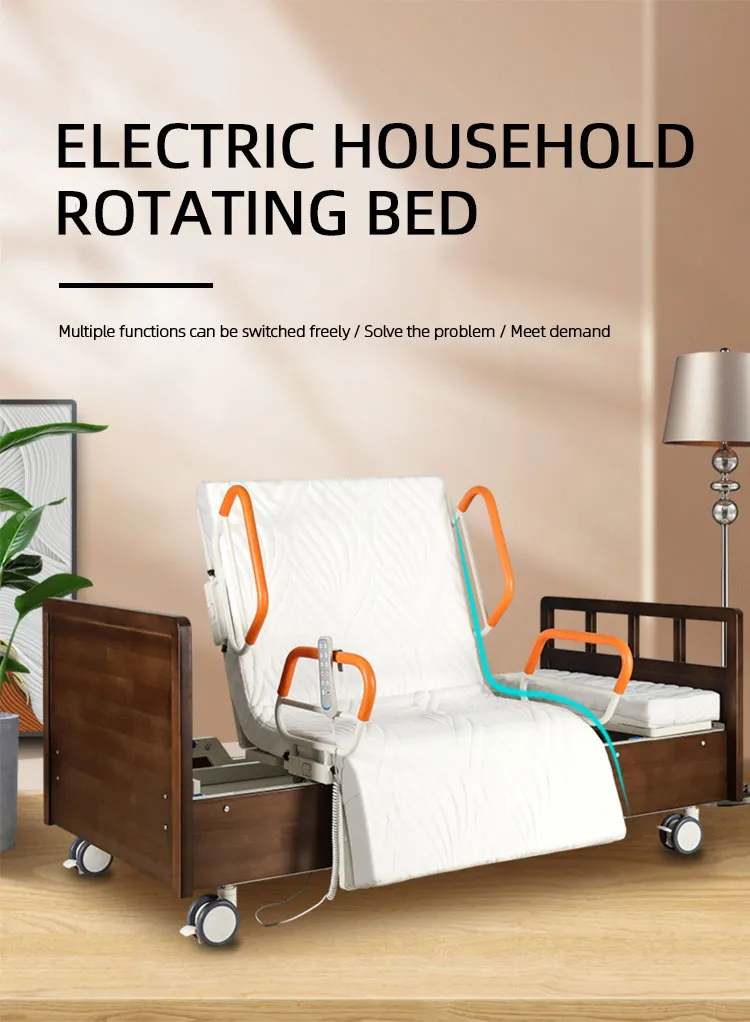
This term is particularly advantageous for electric nursing beds. Unlike manual beds, electric beds contain sensitive components like linear actuators, control boxes, and wiring harnesses [K1]. These components require careful handling to avoid electrical damage. With FCA, the seller is responsible for getting the goods to the carrier safely, which often implies a higher standard of
FCA is ideal if you are
FOB (Free on Board) – The Traditional Standard for Sea Freight
FOB remains the most common term for full container load (FCL) shipments of medical furniture. Under FOB, the seller bears all costs and risks until the goods are loaded onto the vessel at the port of shipment. This includes inland transport, export clearance, and port handling charges.
For large-scale hospital equipment procurement, FOB offers a good balance of control and security. Since the seller is responsible for getting the goods onto the ship, they have a strong incentive to ensure the cargo is properly secured. This is critical for heavy items like electric nursing beds, which can weigh over 100 kg and require specialized lifting equipment.
Consider the HJIM MD-A12 Electric Nursing Bed, a 3-function model with backrest and leg raise capabilities [K2]. These beds are often shipped in bulk to hospitals or养老 institutions (elderly care institutions). Using FOB ensures that the manufacturer handles the complex logistics of moving these heavy units to the port, reducing the administrative burden on your procurement team.
However, FOB does not cover insurance for the sea voyage. Once the goods are on board, the risk transfers to you. It is vital to secure marine insurance that covers not just physical damage, but also potential delays that could impact patient care schedules.
Comparison of Trade Terms for Medical Equipment
To help you decide, here is a comparison of the three terms based on cost, risk, and logistics control.
| Feature | EXW (Ex Works) | FCA (Free Carrier) | FOB (Free on Board) |
|---|---|---|---|
| Best For | Buyers with local logistics expertise | Air freight or | Full container sea freight |
| Export Clearance | Buyer’s responsibility | Seller’s responsibility | Seller’s responsibility |
| Risk Transfer Point | At seller’s factory | At named carrier location | On board the vessel |
| Cost Control | High (Buyer controls all logistics) | Medium | Medium |
| Recommended For | Manual beds (low value) | Urgent electric bed orders | Large hospital bulk orders |
Product-Specific Considerations: Manual vs. Electric Beds
The nature of the product should heavily influence your choice of Incoterm. The global nursing bed market is segmented into hospital beds (electric), homecare beds, and manual beds [K2]. Each segment has different logistical requirements.
Manual Nursing Beds are the workhorses of developing markets. As noted in industry data, they are the主力产品 (main products) in Africa and Southeast Asia due to budget constraints and infrastructure gaps [K1]. Because they are mechanically simple and low-cost, the risk of damage during transit is lower, but the volume is high. EXW or FCA might be acceptable if you are consolidating shipments with other goods to save on freight costs.
Electric Nursing Beds, on the other hand, are technology-intensive. They rely on linear actuators (linear motors) to adjust the bed position [K1]. Top brands like Linak (Denmark) or Dewert (Germany) are often used for their silent operation (<45dB) and durability [K1]. These components are sensitive to moisture and impact. medical certification (CE, ISO 13485, FDA), and the seller is better positioned to manage export documentation for regulated medical devices.
Regulatory and Compliance Context
When importing medical equipment, compliance is non-negotiable. Trade terms also dictate who handles the paperwork. Under EXW, you are technically the exporter of record in some jurisdictions, which means you are responsible for ensuring the goods meet export control laws. Under FCA and FOB, the seller handles export clearance, which is preferable for medical device compliance.
For example, if you are importing beds with IoT integration capabilities [K3], you must ensure that any embedded software or data transmission features comply with local regulations. The seller, being the manufacturer, is best equipped to provide the necessary technical documentation. Choosing FCA or FOB ensures they remain involved in the export process, facilitating smoother customs clearance.
Furthermore, OEM manufacturing agreements often specify Incoterms. If you are branding HJIM products for your own market, ensure your contract clearly states the Incoterm to avoid disputes over who pays for port storage fees if documentation is delayed.
Conclusion
There is no one-size-fits-all answer when choosing between EXW, FCA, and FOB. The right decision depends on your logistics maturity, the value and complexity of the equipment, and your risk tolerance. For manual nursing beds in budget markets, EXW can work if you have local support. For electric nursing beds with sensitive actuators and regulatory requirements, FCA or FOB is strongly recommended to ensure export compliance and safe handling.
At HJIM, we support our global partners with transparent pricing and flexible trade terms. Whether you are setting up a new clinic in a developing region or expanding a homecare network in Europe, we help you navigate the logistics to ensure your patient care equipment arrives on time and in perfect condition.
Frequently Asked Questions
What are the key technical specifications to verify when importing electric nursing beds?
When importing electric nursing beds, you should verify the specifications of the linear actuators, which are the core components for adjusting the bed [K1]. Key specs include stroke length (typically 150-300mm), force (4000-8000N), and duty cycle (10% at full load). Additionally, check the motor brand (e.g., Linak, Dewert) for noise levels (<45dB) and water resistance (IPX4), as these impact patient comfort and durability in clinical settings.
How does the choice of trade term affect medical device compliance documentation?
Under EXW, the buyer assumes responsibility for export clearance, which can complicate medical certification processes if the buyer lacks local expertise. Under FCA and FOB, the seller handles export customs, ensuring that documents like the Certificate of Origin and commercial invoices align with medical device compliance standards (e.g., CE, ISO 13485). This reduces the risk of customs delays for regulated equipment.
What is the typical warranty coverage for linear actuators in hospital beds?
While warranty terms vary by manufacturer, high-quality linear actuators from brands like Linak or Dewert typically come with a warranty of 3 to 5 years, covering defects in materials and workmanship. When procuring hospital equipment, ensure the warranty covers not just the bed frame but also the electrical components, including motors, control boxes, and handsets, to protect your healthcare procurement investment.
Can I mix manual and electric beds in a single shipment?
Yes, you can mix manual and electric beds in a single container, which is common for distributors serving diverse markets. However, you must consider the different mobility assistance equipment transport.
We recommend checking out HJIM nursing beds for reliable quality.