Bariatric Nursing Beds: Weight Capacity Comparison for Heavy Patients
Bariatric Nursing Beds: Weight Capacity Comparison for Heavy Patients
The global healthcare landscape is shifting dramatically towards home-based care and specialized support for patients with complex mobility needs. As obesity rates rise and the aging population expands, the demand for medical equipment that can safely support heavier individuals has become a critical procurement priority for hospitals, nursing homes, and family caregivers. Selecting the right nursing bed is not merely a matter of comfort; it is a fundamental safety requirement that impacts patient dignity, caregiver ergonomics, and long-term operational costs.
At HJIM (Hengshui Chengen Medical Equipment Co., Ltd), we understand that weight capacity is the single most important specification when evaluating beds for bariatric patients. A bed that is undersized for a patient’s weight can lead to structural failure, increased risk of falls, and excessive strain on nursing staff during repositioning. This article provides a detailed comparison of nursing bed types, focusing on weight capacity, mechanical reliability, and the technological trends shaping the future of patient care.
Understanding Weight Capacity Standards in Medical Bed Design
When procuring hospital equipment, buyers often encounter varying weight limits across different product lines. Standard nursing beds are typically designed to support patients weighing up to 135 kg (300 lbs). However, bariatric nursing beds are engineered to handle significantly higher loads, often ranging from 220 kg to over 450 kg. The distinction lies in the structural integrity of the frame, the power of the linear actuators, and the safety margins built into the mechanical design.
For heavy patients, the consequences of underestimating weight capacity are severe. A bed operating near its maximum limit experiences higher stress on joints and motors, leading to faster wear and potential failure. According to industry specifications, high-capacity beds like the HJIM MD-A12 are rated for a maximum load of 220 kg, making them suitable for a wide range of bariatric needs while maintaining stability during position adjustments [K5].
Procurement teams must look beyond the advertised maximum weight. It is essential to verify the dynamic weight capacity—the weight the bed can support while the motors are actively adjusting the patient’s position. Static capacity might be higher, but dynamic performance is what ensures safety during nursing procedures like elevating the backrest for feeding or lowering the legs for circulation.
Manual vs. Electric Nursing Beds: A Critical Comparison for Heavy Patients
The choice between manual and electric nursing beds is often driven by budget, but for bariatric care, the operational differences are profound. Manual nursing beds rely on mechanical hand cranks to adjust the bed height and angles. While they are cost-effective and do not require electricity, they present significant challenges when managing heavy patients [K1].
Manual Nursing Beds:
These beds use a crank mechanism to lift the patient. For a patient weighing over 100 kg, turning the crank requires substantial physical effort. This increases the risk of caregiver injury, particularly back strain, which is a leading cause of absenteeism in the healthcare sector. Furthermore, manual adjustment is slow and often lacks the precision needed for delicate clinical positioning. They remain popular in developing markets due to budget constraints and infrastructure gaps, with prices ranging from $80 to $150 [K1].
Electric Nursing Beds:
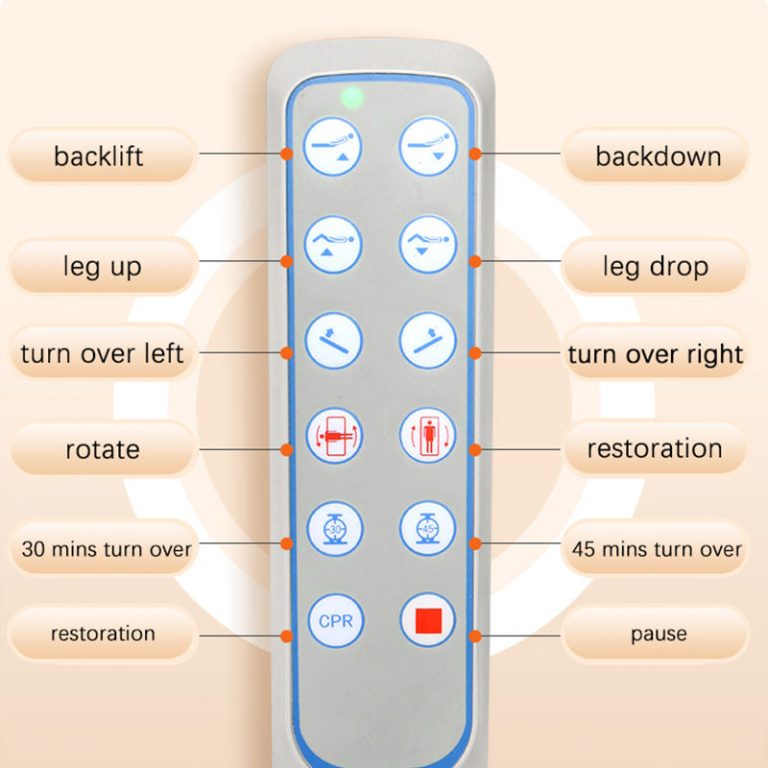
Electric beds utilize linear actuators to replace manual cranks, allowing for smooth, button-controlled adjustments. This technology reduces caregiver labor intensity by over 70% [K5]. For heavy patients, electric beds are superior because they distribute the load evenly across the frame and motors, ensuring that position changes are stable and controlled. The HJIM MD-A12 electric nursing bed, for example, features three functions: backrest elevation (0-75°), knee elevation (0-45°), and overall height adjustment, all controlled via a remote [K5].
The shift towards electric beds is evident in market data. The hospital bed (electric) segment is projected to grow at a 6% CAGR, driven by ICU expansion and smart monitoring integration [K3]. In contrast, while manual beds still hold a share in developing regions, the global trend favors electrification for safety and efficiency.
Key Technical Specifications for Heavy Patient Care
When evaluating bariatric nursing beds, buyers should focus on specific technical parameters that ensure durability and safety. The following specifications are critical for heavy patient applications:
- Motor Quality: The heart of an electric bed is the linear actuator. Premium brands like LINAK or Dewert are often used in high-end models to ensure smooth operation under heavy loads. Domestic motors may be cost-effective but should be verified for torque and lifespan [K2].
- Frame Construction: Bariatric beds require reinforced steel frames with thicker gauges to prevent bending or warping. The weld points and joint connections must be certified to handle dynamic stress.
- Adjustment Angles: Clinical comfort often requires specific positions. Fowler’s Position, for instance, elevates the head and back to 45-60°, which is crucial for respiratory comfort and preventing aspiration pneumonia [K6]. A bed must be able to hold this position securely without sagging.
- Safety Certifications: Compliance with international standards such as CE, ISO 13485, and FDA regulations is non-negotiable. These certifications ensure that the electrical systems are safe and the mechanical structures meet rigorous testing protocols.
Additionally, modern beds are increasingly integrating IoT capabilities. Remote monitoring of patient vitals, bed position, and even weight via WiFi or 4G is becoming a standard feature in advanced care settings [K4]. This allows healthcare providers to track patient mobility and ensure that the bed is not being overloaded in real-time.
Market Trends and Procurement Strategy
The global medical nursing bed market is valued at approximately USD 4.5 billion (2024), with a projected CAGR of 8.5% through 2027 [K3]. A significant portion of this growth is driven by the “silver economy” and government subsidies promoting aging-in-place. The homecare bed segment is experiencing explosive growth at an 18% CAGR, reflecting the shift from hospital-centric to home-based care models [K3].
For procurement officers, this trend implies a need to balance clinical functionality with home-environment aesthetics. Bariatric beds for home use must be robust enough for heavy patients but also easy to assemble and maintain in residential settings. The integration of smart anti-fall systems, which use AI to reduce false positives in bed exit alarms, is another trend enhancing safety for heavy patients who may be at higher risk of falls due to mobility issues [K4].
When sourcing from manufacturers like HJIM, buyers should inquire about OEM capabilities and warranty terms. A comprehensive warranty covers not just the frame, but specifically the motors and electronic control systems, which are the most prone to wear in high-capacity applications.
Comparison of Nursing Bed Types for Bariatric Applications
The following table provides a direct comparison of manual and electric nursing beds, highlighting their suitability for heavy patients based on industry data and product specifications.
| Feature | Manual Nursing Bed | Standard Electric Bed | Bariatric Electric Bed (e.g., HJIM MD-A12) |
|---|---|---|---|
| Max Weight Capacity | 135 kg (300 lbs) | 180 kg (400 lbs) | 220 kg+ (485 lbs+) |
| Adjustment Mechanism | Hand Crank | Electric Linear Actuators | High-Torque Electric Actuators |
| Caregiver Effort | High (Physical Strain) | Low (Button Control) | Very Low (Optimized for Heavy Load) |
| Primary Use Case | Developing Markets, Budget Facilities | General Hospital Wards, Homecare | ICU, Bariatric Units, Heavy Homecare |
| Price Range (Est.) | $80 – $150 | $300 – $800 | $800 – $2,000+ |
| Key Benefit | Low Cost, No Power Needed | Comfort, Ease of Use | Safety, Structural Integrity |
Conclusion
Selecting the appropriate nursing bed for heavy patients requires a careful analysis of weight capacity, mechanical reliability, and caregiver safety. While manual beds offer a low-cost entry point, they are increasingly inadequate for the physical demands of bariatric care. Electric nursing beds, particularly those designed with high weight capacities like the HJIM MD-A12, provide the necessary support to ensure patient safety and reduce the risk of caregiver injury.
As the market continues to grow, driven by aging populations and the expansion of home healthcare, investing in high-quality, certified equipment is essential. Procurement decisions should prioritize beds that meet international safety standards, offer robust motor systems, and provide the flexibility needed for clinical positioning such as Fowler’s position. By aligning equipment choices with patient needs and market trends, healthcare providers can deliver safer, more dignified care for all patients, regardless of size.
Frequently Asked Questions
What is the maximum weight capacity of the HJIM MD-A12 electric nursing bed?
The HJIM MD-A12 electric nursing bed is designed with a maximum load capacity of 220 kg (approximately 485 lbs). This specification makes it suitable for bariatric patients who require robust support beyond the standard 135-180 kg limits of basic nursing beds [K5].
How do electric nursing beds reduce caregiver strain compared to manual beds?
Electric nursing beds use linear actuators to adjust the bed position via a remote control, eliminating the need for physical cranking. Industry data indicates that this transition reduces caregiver labor intensity by over 70%, significantly lowering the risk of musculoskeletal injuries associated with manually repositioning heavy patients [K5].
What clinical positions can be achieved with a standard 3-function electric nursing bed?
A standard 3-function electric bed, such as the HJIM MD-A12, typically allows for backrest elevation (0-75°), knee elevation (0-45°), and overall height adjustment. These functions enable the achievement of Fowler’s Position (45-60° head elevation), which is clinically important for respiratory comfort and preventing aspiration pneumonia [K5][K6].
What certifications should I look for when procuring nursing beds for international markets?
For international procurement, ensure the nursing beds comply with CE marking (European safety standards), ISO 13485 (medical device quality management), and FDA regulations (if exporting to the US). These certifications verify that the electrical systems, frame integrity, and biocompatibility of materials meet rigorous global safety requirements [K2].