Electric Bed vs Manual Bed: Cost-Benefit Analysis for Care Facilities | Export & Trade Guide #4
Electric Bed vs Manual Bed: Cost-Benefit Analysis for Care Facilities
The global nursing bed market reached approximately USD 4.5 billion in 2024, with projections indicating an 8.5% compound annual growth rate through 2027 [K3]. This expansion is driven by aging populations, increased home healthcare adoption, and shifting care models from hospitals to residential settings [K3]. For healthcare procurement professionals, the choice between electric and manual nursing beds represents a critical decision impacting operational efficiency, patient outcomes, and long-term costs. This analysis provides a comprehensive comparison grounded in technical specifications, market realities, and practical implementation considerations.
Understanding Electric Nursing Beds
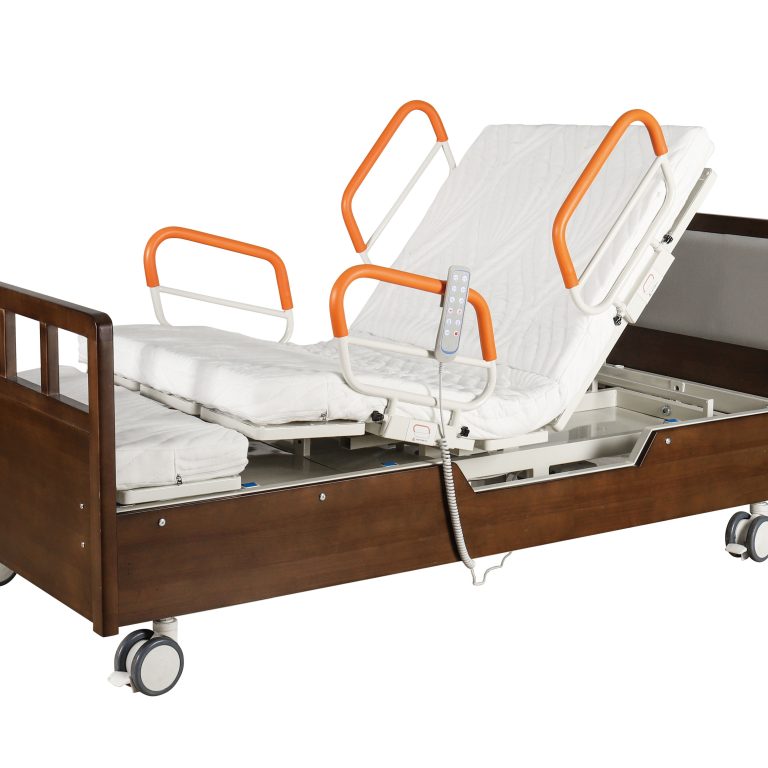
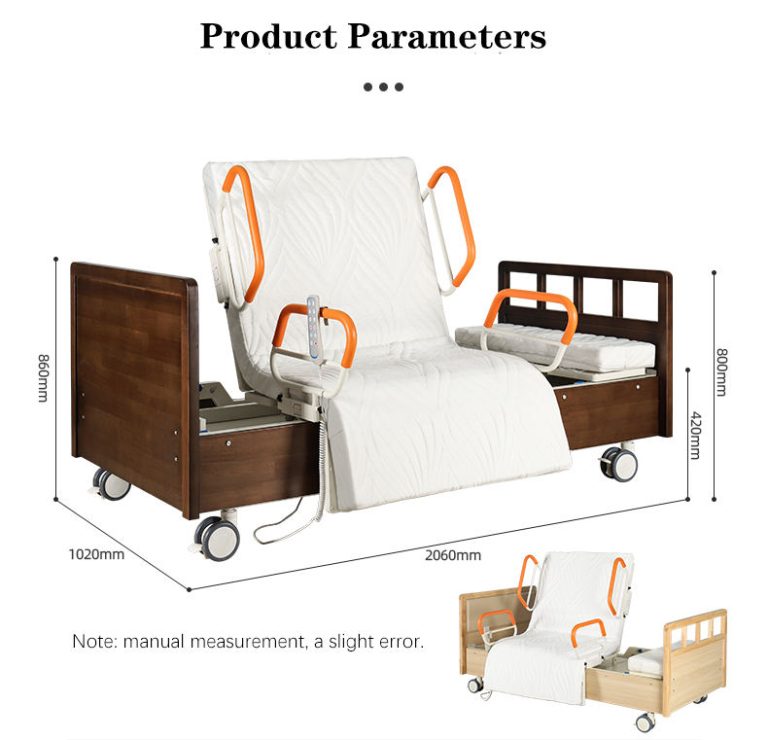
Electric nursing beds utilize linear actuators—typically 2-5 motors—to enable precise adjustment of bed sections including backrest, knee, and overall height through remote control operation [K1]. These systems eliminate the physical labor required for manual adjustments while providing consistent, repeatable positioning for patients with limited mobility [K1]. The HJIM MD-A12 model exemplifies this technology with three-function capability (backrest 0-80°, knee 0-45°, height adjustment) and a 220kg weight capacity [K1].
The fundamental value proposition centers on caregiver ergonomics and patient comfort. Electric beds reduce nursing labor intensity by over 70% compared to manual alternatives [K1]. This reduction translates directly to improved staff retention, decreased injury rates among caregivers, and more time available for direct patient care activities. Additionally, consistent positioning capabilities help prevent pressure u
Modern electric beds incorporate features like ABS headboards that provide impact resistance, chemical durability, and quick-release mechanisms for emergency CPR access [K2]. These materials represent significant advancements over traditional steel or wood constructions while maintaining cost-effectiveness. The integration of smart monitoring systems further enhances utility in hospital environments where real-time patient data collection supports clinical decision-making.
Manual Nursing Beds: The Budget Option
Manual nursing beds rely on mechanical crank mechanisms operated by hand wheels or levers to adjust bed positions [K2]. While requiring physical effort from caregivers, these beds offer substantial cost advantages with typical price points ranging from $80-150 in emerging markets [K2]. Their simplicity makes them particularly suitable for regions with unreliable electrical infrastructure or extremely constrained budgets.
The operational limitations of manual beds become apparent in high-acuity settings or facilities with high patient-to-staff ratios. Each position adjustment requires dedicated caregiver time and physical exertion, which can accumulate significantly over 24-hour care cycles [K2]. In developing markets across Africa and Southeast Asia, manual beds remain the dominant choice due to infrastructure constraints and price sensitivity [K2].
Despite their lower acquisition cost, manual beds present hidden expenses through increased labor requirements and potential patient outcomes. Facilities must account for the cumulative cost of additional nursing hours when evaluating total cost of ownership. The 3% compound annual growth rate for manual beds in developing markets reflects their continued relevance but also indicates slower adoption compared to electric alternatives [K2].
Cost-Benefit Comparison
When evaluating nursing bed options, procurement teams must consider both immediate acquisition costs and long-term operational impacts. The following comparison highlights key differentiators across multiple dimensions:
| Factor | Electric Nursing Bed | Manual Nursing Bed |
|---|---|---|
| Initial Acquisition Cost | $800-$2,500 depending on features | $80-$150 |
| Labor Savings | Reduces caregiver effort by 70%+ [K1] | Requires full physical adjustment |
| Patient Comfort | Precise, consistent positioning | Limited adjustment capability |
| Maintenance Requirements | Motor and electronic component servicing | Minimal mechanical maintenance |
| Power Dependency | Requires reliable electrical supply | Operates independently of power |
| Market Growth Trajectory | 6% CAGR (hospital), 18% CAGR (homecare) [K3] | 3% CAGR (developing markets) [K3] |
The break-even point for electric beds typically occurs within 18-24 months when factoring in labor savings alone. For a facility with 50 beds and average nursing costs of $25/hour, the transition from manual to electric beds could save approximately $125,000 annually in reduced positioning labor [K1]. These savings compound when considering improved patient outcomes that may reduce length of stay or complication rates.
Key Considerations for Procurement
Healthcare procurement decisions must balance technical specifications with regulatory compliance and operational realities. Electric nursing beds require verification of medical device certifications including CE marking, ISO 13485 quality management systems, and FDA 510(k) clearance where applicable. These certifications ensure product safety and reliability while facilitating reimbursement pathways in regulated markets.
Weight capacity represents a critical specification that varies significantly between models. The HJIM MD-A12’s 220kg capacity accommodates bariatric patients while maintaining stable positioning [K1]. Facilities should assess their patient population demographics when selecting appropriate capacity ratings, as undersized beds create safety risks while oversized models increase costs unnecessarily.
Total cost of ownership analysis should extend beyond purchase price to include installation, training, maintenance contracts, and expected lifespan. Electric beds typically carry 2-5 year warranties covering motor and electronic components, while manual beds offer simpler repair pathways with lower parts costs. The competitive landscape shows premium tier manufacturers like Hill-Rom and Paramount Bed commanding price premiums through brand reputation and service networks, while Chinese manufacturers with CE/FDA certifications are closing the quality gap at more accessible price points [K3].
Implementation Strategy Recommendations
For new care facilities or major renovations, electric beds should form the baseline configuration given their superior patient outcomes and labor efficiency. Home healthcare applications show particularly strong growth at 18% CAGR driven by aging-in-place trends and government subsidy programs [K3]. Facilities operating in regions with unstable electrical infrastructure may require hybrid approaches with backup power systems or selective manual bed deployment.
Phased implementation allows facilities to prioritize high-acuity areas first while managing capital expenditure. Intensive care units and rehabilitation centers typically realize the greatest return on investment from electric beds due to frequent positioning needs and higher nurse-to-patient ratios. Budget-conscious facilities might consider refurbished electric beds from reputable manufacturers as an intermediate option before full replacement cycles.
Conclusion
The choice between electric and manual nursing beds ultimately depends on facility priorities, patient populations, and operational constraints. While manual beds retain relevance in specific contexts, the evidence strongly supports electric beds as the preferred solution for most modern care environments. The combination of improved patient outcomes, reduced caregiver strain, and favorable long-term economics makes electric beds the strategic choice for facilities committed to quality care delivery.
As the global nursing bed market continues its 8.5% annual growth trajectory [K3], procurement professionals must stay informed about technological advancements and evolving best practices. Partnerships with manufacturers like HJIM (Hengshui Chengen Medical Equipment Co., Ltd) that combine competitive pricing with proper certifications provide optimal value for healthcare organizations navigating this critical equipment category.
Frequently Asked Questions
What weight capacity should care facilities prioritize when selecting nursing beds?
Standard weight capacities range from 200-250kg for general care applications, with bariatric models available up to 450kg. The HJIM MD-A12 offers 220kg capacity suitable for most patient populations [K1]. Facilities should assess their specific patient demographics and consider future needs when selecting capacity ratings, as undersized beds create safety risks while oversized models increase acquisition costs unnecessarily.
How do medical certifications impact procurement decisions for nursing beds?
CE marking indicates European conformity with health and safety requirements, while ISO 13485 certification demonstrates quality management system compliance specific to medical devices [K3]. FDA 510(k) clearance is essential for market access in the United States. These certifications affect reimbursement eligibility, liability protection, and overall product reliability. Premium tier manufacturers like Hill-Rom maintain comprehensive certification portfolios, while emerging Chinese manufacturers are increasingly closing this gap [K3].
What maintenance requirements differentiate electric and manual nursing beds?
Electric beds require periodic servicing of motors, control systems, and electronic components typically covered under 2-5 year warranty periods [K1]. Manual beds have simpler maintenance needs focused on mechanical components like crank mechanisms and locking systems. Facilities should factor maintenance contracts and expected component lifespans into total cost of ownership ca
How do market growth trends influence procurement strategy?
The 18% CAGR for homecare beds reflects accelerating adoption of home-based care models supported by government insurance programs [K3]. Hospital bed electric segment growth at 6% CAGR indicates steady institutional demand driven by ICU expansion and smart monitoring integration [K3]. Procurement strategies should align with these trends, prioritizing electric beds for facilities serving aging populations or expanding home healthcare services while maintaining manual bed inventory for budget-constrained segments or backup applications.