Nursing Bed Price Negotiation: Tips for Bulk Importers | Hospital Procurement Guide #6
Nursing Bed Price Negotiation: Tips for Bulk Importers
As global healthcare demand surges, nursing beds have become a critical procurement category for distributors, hospital chains, and homecare providers. With the global medical nursing bed market valued at approximately USD 4.5 billion in 2024 and projected to grow at an 8.5% CAGR through 2027, bulk importers face both opportunities and complexities in securing cost-effective, compliant inventory [K2]. This guide provides actionable strategies for negotiating favorable terms while ensuring product quality and regulatory alignment.
Understanding Product Tiers and Market Realities
Nursing beds fall into three distinct market tiers, each with unique pricing dynamics and value propositions. Premium-tier brands like Hill-Rom (USA) and Paramount Bed (Japan) command 30-50% price premiums due to established service networks and brand trust [K3]. Mid-tier Chinese manufacturers offering CE/FDA certifications provide a balance of quality and affordability, while budget-tier unbranded OEMs compete primarily on price, often operating on margins below 8% [K3].
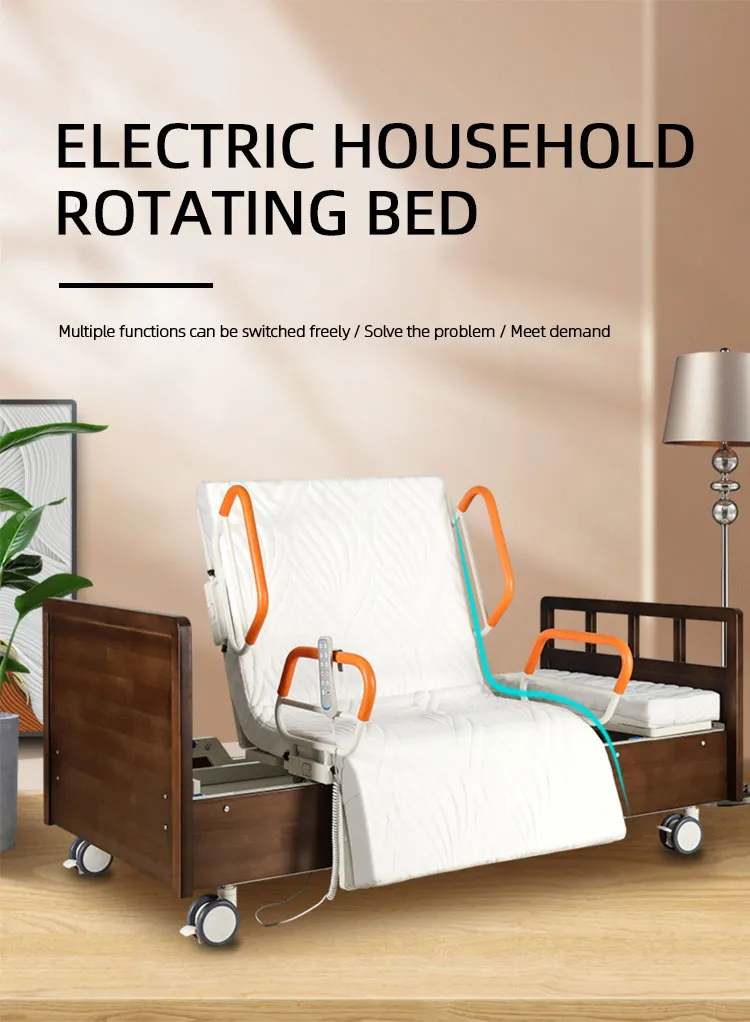
For importers targeting emerging markets, manual nursing beds remain highly relevant. These mechanical systems use hand-crank mechanisms to adjust bed angles, making them ideal for regions with unstable electricity or limited budgets. In Africa and Southeast Asia, manual beds dominate with prices ranging from $80-150 per unit [K1]. Conversely, electric nursing beds—equipped with linear actuators for remote-controlled positioning—are becoming standard in developed markets, reducing caregiver labor intensity by over 70% [K2].
Key Specifications That Impact Cost
When evaluating quotes, focus on these technical parameters that directly influence pricing:
- Motor Systems: Electric beds with LINAK or Dewert motors cost 20-40% more than those with domestic Chinese motors, but offer superior durability and noise control [K2].
- Functionality: A 3-function electric bed (backrest, leg, height adjustment) like HJIM’s MD-A12 model typically ranges $300-500, while basic 2-function models start around $250 [K2].
- Weight Capacity: Beds rated for 220kg+ (like HJIM MD-A12) require reinforced frames, adding 10-15% to manufacturing costs [K2].
- Certifications: CE-marked beds for EU markets cost 15-25% more than non-certified equivalents, but are essential for regulatory compliance [K3].
Comparison: Manual vs Electric Nursing Beds
| Feature | Manual Nursing Bed | Electric Nursing Bed |
|---|---|---|
| Price Range | $80-150 [K1] | $250-600 [K2] |
| Primary Markets | Africa, Southeast Asia, rural clinics [K1] | Hospitals, homecare, developed nations [K2] |
| Key Components | Hand-crank mechanisms, steel frames | Linear actuators (2-5 motors), remote controls |
| Labor Impact | Requires physical effort from caregivers | Reduces caregiver strain by 70%+ [K2] |
| Regulatory Needs | Basic safety certifications | CE, FDA, ISO 13485 often required [K3] |
Negotiation Strategies for Bulk Orders
Successful negotiations hinge on understanding supplier cost structures and market positioning. For orders exceeding 500 units, target 12-18% volume discounts from mid-tier manufacturers, while budget-tier suppliers may offer 20-25% reductions but with higher quality risks [K3]. Always request detailed breakdowns showing:
- Component costs (motors, frames, electronics)
- Certification expenses (CE/FDA testing fees)
- Logistics and
Consider value-added concessions rather than pure price cuts. Suppliers may include free spare parts kits, extended warranties (2-3 years vs standard 1 year), or customized branding at no extra cost. For electric beds, negotiate motor brand specifications explicitly—specifying LINAK actuators in contracts prevents substitution with lower-cost alternatives [K2].
Regulatory and Compliance Considerations
Medical device compliance varies significantly by destination market. EU imports require CE marking under MDR 2017/745, while US market entry demands FDA 510(k) clearance. Chinese manufacturers offering ISO 13485 certification demonstrate quality management system adherence, reducing inspection risks [K3]. Always verify:
- Test reports from accredited labs (TÜV, SGS)
- Traceability documentation for critical components
- Local representation requirements for post-market surveillance
Post-Negotiation Validation Steps
Before finalizing contracts, conduct these verification checks:
- Sample Testing: Order pre-production samples to validate specifications like weight capacity (220kg for HJIM MD-A12) and noise levels during actuator operation [K2].
- Factory Audits: Inspect production lines for quality control processes, especially for electrical safety testing in electric beds.
- Logistics Planning: Confirm FOB/CIF terms and container loading efficiency—standard 20ft containers hold 80-100 manual beds or 40-60 electric models.
FAQ: Technical and Procurement Questions
What is the typical price range for manual nursing beds in emerging markets?
Manual nursing beds in Africa and Southeast Asia typically range from $80-150 per unit, making them the most economical option for budget-constrained healthcare facilities [K1]. These mechanical systems use hand-crank mechanisms for bed adjustment, eliminating electrical components that increase costs.
How do motor brands affect the cost of electric nursing beds?
Electric beds with premium motors like LINAK or Dewert cost 20-40% more than those with domestic Chinese motors, but offer superior durability and quieter operation (under 45dB during adjustment) [K2]. For high-volume deployments, specifying motor brands in contracts prevents quality inconsistencies.
What certifications are essential for importing nursing beds into EU markets?
EU market entry requires CE marking under Medical Device Regulation (MDR) 2017/745, with ISO 13485 certification demonstrating quality management system compliance [K3]. Additional testing for electrical safety (IEC 60601) and mechanical stability is typically required by notified bodies.
How does order volume impact per-unit pricing for nursing beds?
Orders exceeding 500 units typically qualify for 12-18% volume discounts from mid-tier manufacturers, while budget-tier suppliers may offer 20-25% reductions [K3]. However, larger orders require stricter quality control protocols to maintain consistency across batches, particularly for electrical components in motorized beds.
Conclusion
Successful nursing bed procurement requires balancing cost, compliance, and clinical functionality. By understanding tier-specific pricing dynamics, negotiating beyond unit costs, and rigorously validating technical specifications, bulk importers can secure sustainable supply chains. Partner with manufacturers like HJIM (Hengshui Chengen Medical Equipment Co., Ltd) that offer transparent pricing structures and globally recognized certifications to mitigate risks while maximizing value. As homecare models expand worldwide, strategic bed procurement will remain central to delivering accessible patient care.