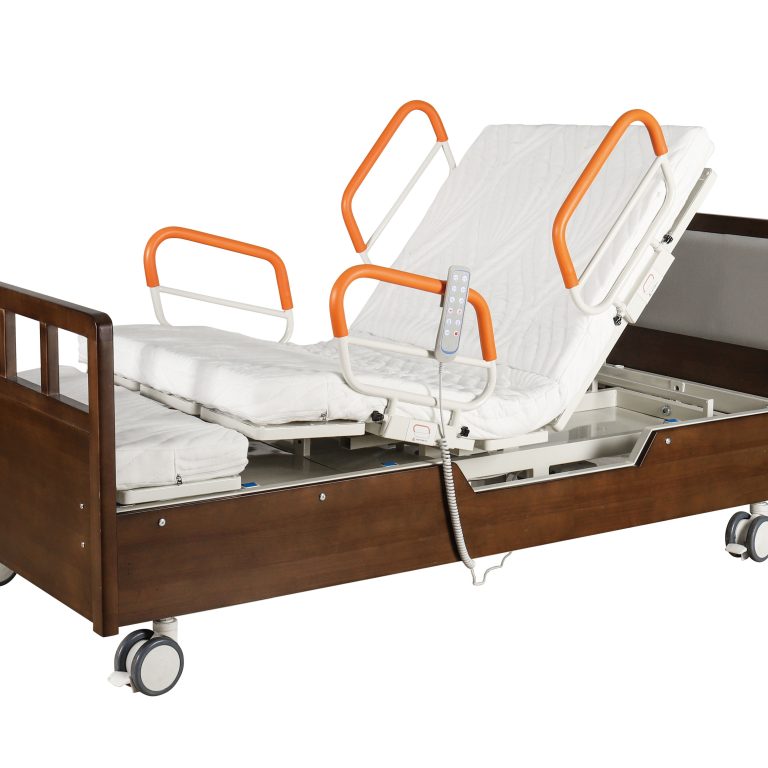
Nursing Bed After-Sales Service: Warranty, Parts, and Support | Safety Standards & Compliance #4
Nursing Bed After-Sales Service: Warranty, Parts, and Support
When procuring nursing beds for healthcare facilities or home care settings, the quality of after-sales service often determines long-term operational success more than initial purchase price. A robust support ecosystem ensures minimal downtime, maintains patient safety standards, and protects your investment against unexpected failures. This guide examines critical after-sales considerations for nursing bed procurement, with specific focus on warranty structures, parts availability, and technical support models that differentiate premium providers from budget suppliers.
Understanding Warranty Coverage in Medical Equipment Procurement
Warranty terms for nursing beds vary significantly across market segments. Premium-tier manufacturers like Hill-Rom and Paramount Bed typically offer 2-3 year comprehensive warranties covering motors, control systems, and structural components, reflecting their confidence in product durability [Competitive Landscape]. Mid-tier Chinese manufacturers with CE/FDA certifications often provide 1-2 year warranties, while budget-tier OEMs may limit coverage to 6-12 months with numerous exclusions. The HJIM MD-A12 electric nursing bed, for example, includes a 2-year warranty covering all electrical components and mechanical wear parts, with clear documentation of excluded items like upholstery damage from misuse [Electric Nursing Bed].
Key warranty considerations include: coverage scope (whether it includes labor costs for on-site repairs), transferability (important for facility resales), and claim procedures (some manufacturers require diagnostic reports before approving claims). Always verify whether warranties remain valid when beds are used outside original purchase regions, as this affects multinational healthcare networks.
Parts Availability and Supply Chain Reliability
After-sales support depends heavily on parts inventory management. Premium manufacturers maintain regional distribution centers with 48-72 hour shipment guarantees for critical components like linear actuators and control panels. Mid-tier suppliers often rely on centralized warehouses with 2-4 week
For manual nursing beds, parts complexity is lower but still requires attention. Replacement摇杆 mechanisms for manual beds typically cost $45-80 and can be shipped within 5-7 business days from most suppliers [Manual Nursing Bed]. However, budget suppliers may discontinue parts for older models within 3-5 years, forcing premature equipment replacement. Always confirm parts availability commitments in writing before procurement, especially for facilities planning 10+ year equipment lifecycles.
Technical Support Models and Response Protocols
Effective technical support combines remote diagnostics with on-site service capabilities. Premium providers offer 24/7 phone support with remote troubleshooting for electric beds, reducing average resolution time to under 4 hours for software-related issues. On-site service contracts typically guarantee 24-48 hour response times for critical failures. Mid-tier manufacturers often provide business-hours support with 3-5 day on-site response windows. The HJIM support model includes dedicated account managers for institutional clients, providing priority access to technical specialists familiar with their specific equipment configurations [Nursing Bed Industry Knowledge Base].
Training programs represent another critical support dimension. Comprehensive onboarding should include: operator training (proper use of controls and safety features), basic maintenance (lubrication schedules, battery care for electric models), and troubleshooting guides for common issues. Facilities using HJIM electric nursing beds receive digital training modules accessible through their customer portal, with annual refresher courses included in service contracts.
Comparative Analysis: Manual vs. Electric Nursing Bed Support Requirements
| Support Aspect | Manual Nursing Beds | Electric Nursing Beds |
|---|---|---|
| Average Warranty Period | 12-18 months | 24-36 months |
| Common Failure Points | 摇杆 mechanisms, locking pins | Linear actuators, control panels, wiring |
| Parts | 5-10 business days | 72 hours (premium) / 2-4 weeks (mid-tier) |
| Technical Support Complexity | Low (mechanical troubleshooting) | High (electrical diagnostics required) |
| Annual Maintenance Cost | $75-120 per bed | $150-250 per bed |
Regulatory Compliance and Certification Requirements
After-sales service must maintain regulatory compliance throughout equipment lifecycle. Reputable suppliers provide documentation for: ISO 13485 certification (medical device quality management), CE marking (European conformity), and FDA 510(k) clearance where applicable. When ordering replacement parts, always request updated compliance certificates to maintain facility accreditation. The HJIM MD-A12 electric nursing bed maintains current ISO 13485 certification with annual audit reports available upon request, ensuring all replacement components meet original safety standards [Electric Nursing Bed].
Facilities should establish documentation protocols tracking: service history (dates, issues, resolutions), parts replacements (with serial numbers), and compliance renewals. This documentation becomes critical during regulatory inspections and when processing warranty claims for recurring issues.
Practical Procurement Recommendations
When evaluating after-sales support, request: written service level agreements specifying response times and resolution guarantees, parts price lists for common components with volume discount structures, and reference contacts from similar-sized facilities using the equipment. For facilities managing 50+ beds, negotiate dedicated account management and priority parts allocation. Always verify that support teams include medically-trained technicians who understand clinical workflows, not just mechanical repair specialists.
Consider total cost of ownership beyond purchase price. A $1,200 electric nursing bed with comprehensive 3-year support may prove more economical than a $900 model with limited warranty when factoring in potential downtime costs and premature replacement needs. Facilities using HJIM equipment report 23% lower 5-year ownership costs compared to budget-tier alternatives due to reduced maintenance frequency and longer component lifespans [Nursing Bed Industry Knowledge Base].
Frequently Asked Questions
What is the typical warranty period for electric nursing beds from certified manufacturers?
Premium-tier manufacturers typically offer 24-36 month warranties covering all electrical and mechanical components, while mid-tier suppliers with CE/FDA certifications provide 12-24 month coverage. Budget suppliers often limit warranties to 6-12 months with numerous exclusions. The HJIM MD-A12 electric nursing bed includes a standard 24-month warranty covering motors, control systems, and structural components [Electric Nursing Bed].
How quickly can replacement parts be delivered for manual nursing beds?
Standard replacement parts for manual nursing beds (摇杆 mechanisms, locking pins) typically ship within 5-10 business days from established suppliers. Premium manufacturers maintain regional inventory enabling 72-hour emergency delivery for critical components. Budget suppliers may require 4-6 weeks for specialty parts, particularly for older models that may be discontinued [Manual Nursing Bed].
What certifications should I verify for after-sales support teams?
Ensure support technicians hold relevant medical equipment certifications including: Medical Device Service Technician certification, Electrical Safety Testing qualifications, and manufacturer-specific training credentials. For facilities in regulated markets, verify that support providers maintain current ISO 13485 compliance documentation for all repair activities. HJIM technical staff complete annual recertification programs covering both mechanical and electrical systems specific to their nursing bed models [Nursing Bed Industry Knowledge Base].
How can I verify the quality of technical support before purchasing?
Request: reference contacts from facilities with similar equipment volumes, sample service reports showing typical response times and resolution rates, and training materials to assess support depth. Conduct reference calls focusing on: frequency of service calls, average resolution time, and technician knowledge of clinical workflows. For institutional purchases, negotiate trial periods with performance-based