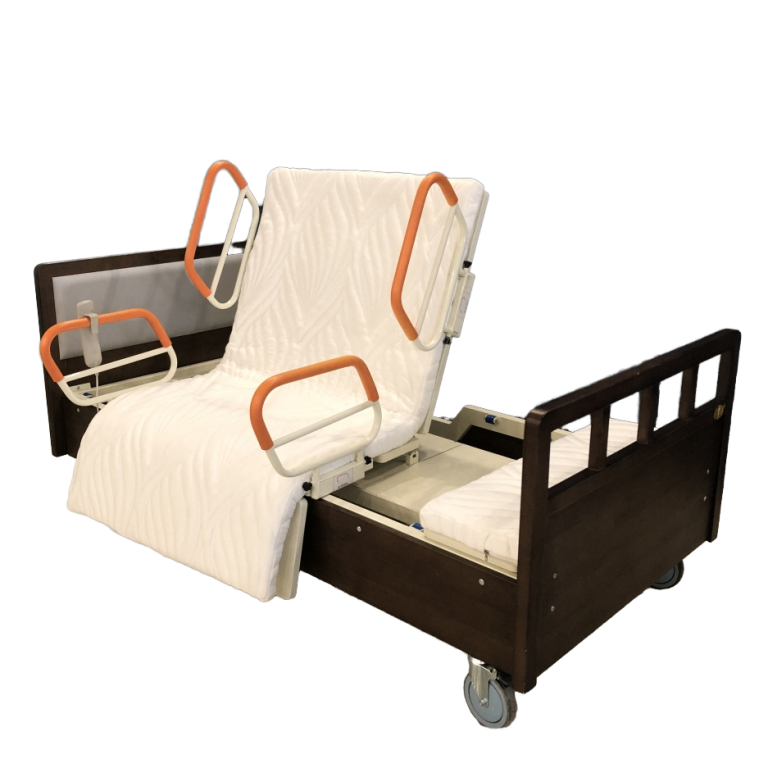
Post-Surgery Home Care Beds: Features for Recovery Patients | Home Care Applications #5
Post-Surgery Home Care Beds: Features for Recovery Patients
The global landscape of healthcare is undergoing a significant transformation. As of 2024, the medical nursing bed market is valued at approximately USD 4.5 billion, with a projected compound annual growth rate (CAGR) of 8.5% through 2027. A primary driver of this growth is the shift from hospital-centric models to home-based care, fueled by aging populations in OECD nations and expanding government insurance programs for home healthcare. For families managing post-surgery recovery at home, selecting the right bed is not merely a matter of comfort; it is a critical component of patient safety, caregiver ergonomics, and clinical outcomes.
When evaluating equipment for home recovery, buyers must look beyond basic functionality. The market is segmented into hospital beds (electric), homecare beds, and manual beds for developing regions. While manual beds remain relevant in areas with infrastructure gaps, the homecare segment is experiencing an 18% CAGR, driven by the “silver economy” and aging-in-place trends. This article details the essential features of modern post-surgery home care beds, focusing on the technical specifications and safety mechanisms that define high-quality recovery equipment from manufacturers like HJIM (Hengshui Chengen Medical Equipment Co., Ltd).
Why Electric Beds Dominate Post-Surgery Recovery
The transition from manual to electric nursing beds represents a fundamental shift in care efficiency. A manual nursing bed relies on mechanical摇杆 (cranks) to adjust bed angles, requiring physical effort from the caregiver. In contrast, an electric nursing bed utilizes linear actuators—typically ranging from 2 to 5 motors—to adjust the backrest, knee break, and overall height via a remote control.
The clinical justification for this shift is substantial. Manual beds require significant caregiver exertion, whereas electric beds reduce labor intensity by over 70%. For post-surgery patients, the ability to adjust positioning frequently without disturbing the patient is vital for preventing bedsores and managing pain. For example, the HJIM MD-A12 is a 3-function electric bed that allows the backrest to adjust from 0-75° and the knee section from 0-45°, supporting a maximum load of 220kg. This level of adjustability ensures that patients can maintain optimal physiological positions throughout their recovery timeline.
Critical Features for Safe Recovery
When procuring home care equipment, specific technical features directly correlate with patient safety and recovery speed. The following functionalities are considered standard for high-quality post-surgery beds.
Hi-Low Function for Fall Prevention
The “Hi-Low” function allows the entire bed surface to raise or lower, typically within a range of 40-80cm. This feature serves two distinct safety purposes. First, lowering the bed to its minimum height reduces the risk of injury if a patient attempts to stand up unassisted; a shorter fall distance minimizes trauma. Second, raising the bed to its maximum height aligns the patient’s body with the caregiver’s waist level, significantly reducing back strain during nursing tasks like bathing or changing linens.
In the industry, this is often viewed as a safety necessity rather than a luxury. For跌倒高风险 (high fall-risk) patients, the ability to lower the bed close to the floor is a critical safety net. Models like the HJIM MD-E103 support this function with a precise adjustment range of 40-75cm, ensuring compatibility with various home environments and caregiver heights.
Fowler’s Position for Respiratory Health
Post-surgery patients, particularly those recovering from abdominal or thoracic procedures, benefit immensely from Fowler’s Position. This clinical position involves elevating the head and back to 45-60° with the knees slightly bent. This posture reduces cardiac preload, improves chest expansion, and helps prevent aspiration pneumonia.
Electric beds that offer precise backrest adjustment allow caregivers to maintain this position comfortably without using pillows, which can shift and cause discomfort. The SEO-relevant terms for this feature often include “adjustable backrest hospital bed” or “semi-upright nursing bed.” Ensuring the bed motor can hold this angle securely without slipping is a key quality indicator during procurement.
Smart Integration and Monitoring
Technology trends in the nursing bed industry are moving toward IoT integration. Modern beds can now monitor patient vitals, bed position, and weight via WiFi or 4G connections. Advanced models incorporate smart anti-fall systems with bed exit alarms that use AI to reduce false positives, distinguishing between a patient shifting in sleep and an actual attempt to get up.
Furthermore, voice control integration with smart home systems like Alexa or Google Home allows patients with limited mobility to adjust their bed settings hands-free. Predictive maintenance features, which monitor motor and actuator health via sensor data, ensure that the equipment remains reliable throughout the recovery period, reducing the risk of mechanical failure when it is needed most.
Manual vs. Electric: A Procurement Comparison
Understanding the trade-offs between manual and electric beds is essential for healthcare procurement and budget allocation. While electric beds are the standard for post-surgery recovery, manual beds still hold a niche in specific market segments.
| Feature | Electric Nursing Bed | Manual Nursing Bed |
|---|---|---|
| Adjustment Mechanism | Electric motors (2-5 actuators) | Hand crank / Mechanical摇杆 |
| Cost Range | $500 – $2,000+ | $80 – $150 |
| Caregiver Effort | Low (Remote control) | High (Physical cranking) |
| Primary Market | Homecare, Hospitals, OECD nations | Developing regions, Budget constraints |
| Growth Rate | Homecare segment: 18% CAGR | Developing markets: 3% CAGR |
As noted in industry data, manual beds are the主力产品 (main products) in Africa and Southeast Asia due to budget constraints and power instability. However, for post-surgery recovery in a home setting where power is reliable, the electric option is overwhelmingly superior due to the precision of positioning and the reduction of caregiver fatigue.
Regulatory Compliance and Sourcing Standards
When sourcing medical equipment for home use, verifying compliance with international standards is non-negotiable. Reputable manufacturers like HJIM adhere to strict medical device compliance protocols. Buyers should look for certifications such as CE marking, ISO 13485 (Quality Management Systems for Medical Devices), and FDA registration where applicable.
These certifications ensure that the bed’s electrical systems are safe, the materials are biocompatible, and the manufacturing process meets quality control standards. For procurement officers and families alike, requesting documentation of these certifications protects against substandard products that may fail under load or pose electrical hazards in a home environment.
Conclusion
Selecting a post-surgery home care bed requires a balance of clinical necessity, safety features, and budget considerations. The data clearly indicates that electric nursing beds, with their ability to facilitate Fowler’s Position, Hi-Low adjustments, and smart monitoring, are the optimal choice for modern home recovery. As the global market continues to shift toward home-based care, investing in equipment that supports both patient dignity and caregiver ergonomics is essential. By focusing on verified technical specifications and regulatory compliance, buyers can ensure a safer and more comfortable recovery environment.
Frequently Asked Questions
What is the typical weight capacity for a homecare electric nursing bed?
Most standard electric nursing beds designed for homecare support a maximum load between 200kg and 220kg. For instance, the HJIM MD-A12 model specifies a max load of 220kg, accommodating a wide range of patient sizes while maintaining structural stability during height and angle adjustments.
How does the Hi-Low function improve caregiver safety?
The Hi-Low function adjusts the bed height typically between 40cm and 80cm. By raising the bed to waist level, it prevents caregivers from excessive bending during tasks like wound care or bathing, significantly reducing the risk of occupational back injuries. Conversely, lowering the bed minimizes fall impact for patients.
What is Fowler’s Position and why is it important for post-surgery patients?
Fowler’s Position involves elevating the upper body to 45-60 degrees. This position is clinically proven to improve respiratory comfort by expanding the chest cavity, reduce cardiac preload, and prevent aspiration during feeding. Electric beds allow precise maintenance of this angle without the need for unstable pillow stacking.
Are there smart features available for monitoring patient safety at home?
Yes, modern nursing beds increasingly feature IoT integration. This includes bed exit alarms with AI-powered false positive reduction and remote monitoring of bed position via WiFi. Some advanced models also offer voice control integration with smart home ecosystems, allowing patients to adjust settings without physical effort.