Electric vs Manual Nursing Beds: Which Is Right for Your Facility?
Electric vs Manual Nursing Beds: Which Is Right for Your Facility?
The global medical nursing bed market is valued at approximately USD 4.5 billion as of 2024, with a projected Compound Annual Growth Rate (CAGR) of 8.5% through 2027 [K2]. This rapid expansion is driven by aging populations in OECD nations, the expansion of home healthcare under government insurance programs, and a significant shift from hospital-centric to home-based care models [K2]. For healthcare procurement officers, facility managers, and investors, the fundamental decision remains one of the most critical in capital expenditure: choosing between electric and manual nursing beds.
This choice is not merely about price; it is about operational efficiency, patient outcomes, and long-term sustainability. While manual beds have historically served as the backbone of basic care in budget-constrained environments, electric beds are becoming the standard for modern patient care, offering precision, safety, and reduced caregiver strain. Understanding the technical and economic nuances of both options is essential for making an informed procurement decision that aligns with your facility’s specific needs and regulatory requirements.
The Evolution of Patient Positioning Technology
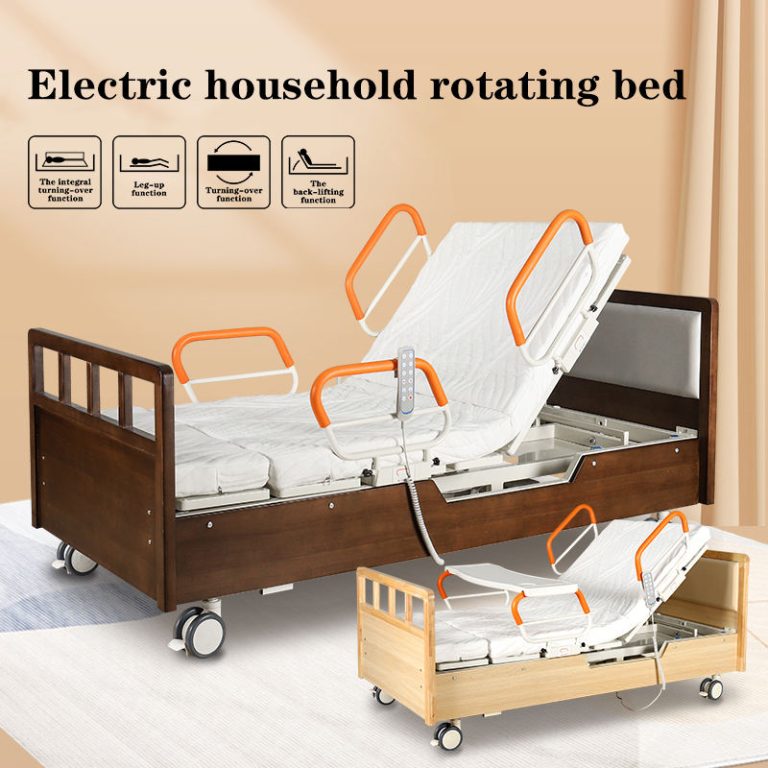
At the core of any nursing bed is the mechanism used to adjust the patient’s position. Historically, this was achieved through mechanical cranks and hand wheels. Today, the industry is increasingly moving toward electric linear actuators. An electric nursing bed uses linear actuators (typically 2 to 5 motors) to provide adjustable positioning for patients with limited mobility [K1]. These actuators are electromechanical devices that convert rotational motion from a motor into linear push or pull motion, allowing for the precise raising and lowering of the backrest, knee section, and overall bed height [K1].
The shift toward electric technology is largely driven by the need to reduce physical strain on caregivers. Manual beds require significant physical effort to operate, which can lead to musculoskeletal injuries among nursing staff over time. In contrast, electric beds reduce labor intensity by over 70%, allowing caregivers to focus more on patient interaction and less on mechanical adjustments [K1]. Furthermore, electric beds often integrate with smart monitoring systems, enabling remote adjustments that are crucial for ICU expansions and advanced patient monitoring setups [K1].
Deep Dive: Electric Nursing Beds
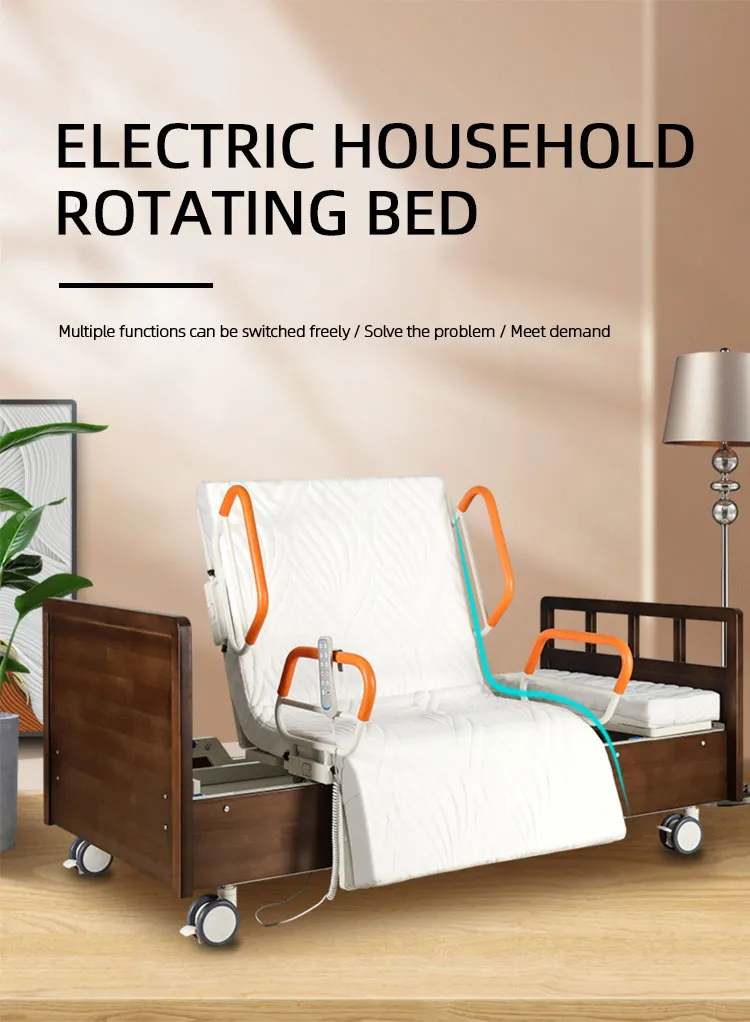
An electric nursing bed is defined by its ability to adjust bed surface angles via a remote control or panel, eliminating the need for manual cranking [K1]. The underlying logic of electric beds addresses the core problem of “patients who cannot move but need to change position.” In traditional manual setups, caregivers must exert physical force to rotate cranks, which is not only exhausting but also risks sudden movements that could discomfort the patient. Electric beds solve this by allowing button-controlled, smooth, and synchronized adjustments [K1].
From a technical specification standpoint, the quality of an electric bed often hinges on the linear actuators used. Top-tier brands like Linak (Denmark) and Dewert (Germany) are industry standards, known for silent operation (under 45dB) and high durability [K1]. Key specifications for these actuators include a stroke length of 150-300mm and a force output of 4000-8000N, ensuring the bed can handle various patient weights and positioning requirements reliably [K1].
Consider the HJIM MD-A12 Electric Nursing Bed as a representative industry example. This model features a 3-function configuration, allowing for backrest adjustment from 0 to 80 degrees and leg rest adjustment from 0 to 45 degrees, with a maximum load capacity of 220kg [K1]. Such specifications make it suitable for a wide range of applications, from hospital wards to home care settings, where patient comfort and safety are paramount. The inclusion of ABS removable headboards and high-quality motor brands ensures that the equipment meets rigorous medical device compliance standards, including CE and ISO 13485 certifications.
The market trajectory for electric beds is robust. Hospital beds (electric) are seeing a 6% CAGR, driven by ICU expansion and smart monitoring integration [K1]. More significantly, homecare beds are experiencing an 18% CAGR, fueled by the “silver economy,” government subsidies, and the trend of aging-in-place [K1]. This indicates that for facilities planning for long-term growth, particularly in home healthcare or rehabilitation centers, investing in electric infrastructure is a strategic move that aligns with global market trends.
Deep Dive: Manual Nursing Beds
Despite the rise of electric technology, manual nursing beds remain a vital part of the global healthcare ecosystem. A manual nursing bed uses a mechanical crank mechanism to adjust the bed surface angles, requiring no electricity and offering a simple, low-cost solution [K1]. The fundamental logic here is economic viability; in markets with power instability or severe budget constraints, manual beds are the most practical choice [K1].
These beds are predominantly found in developing regions, such as parts of Africa and Southeast Asia, where they serve as the主力 (main force) products for基层 (grassroots) hospitals and budget-limited care facilities [K1]. The price point for manual beds is significantly lower, typically ranging from $80 to $150, making them accessible for large-scale procurement in resource-poor settings [K1]. While they lack the convenience of remote control, they provide the essential function of body position adjustment, which is critical for preventing pressure u
However, the market for manual beds is growing at a slower pace, with a projected 3% CAGR [K1]. This growth is primarily sustained by budget constraints and infrastructure gaps in specific developing regions rather than technological advancement. As the cost of electric beds continues to decrease due to manufacturing efficiencies and supply chain optimization, manual beds are gradually being replaced in more developed markets. Nevertheless, they are not obsolete; in scenarios where electricity is unreliable or where the budget is strictly capped, manual beds remain a necessary and effective tool for basic patient care.
Comparative Analysis: Operational and Economic Factors
When evaluating electric versus manual nursing beds, several key dimensions must be considered beyond the initial purchase price. These include operational efficiency, patient safety, total cost of ownership, and regulatory compliance. The following table provides a structured comparison to aid in decision-making.
| Feature | Electric Nursing Bed | Manual Nursing Bed |
|---|---|---|
| Operation Method | Remote control / Panel (Linear Actuators) | Hand Crank / Mechanical Lever |
| Caregiver Effort | Minimal (Button press) | High (Physical cranking) |
| Patient Comfort | High (Smooth, precise adjustments) | Moderate (Can be jerky, requires patient cooperation) |
| Initial Cost | Higher ($300 – $1500+ depending on specs) | Lower ($80 – $150) |
| Power Dependency | Required (Battery backup often available) | None |
| Primary Market | Hospitals, Homecare, Developed Regions | Grassroots Clinics, Developing Regions |
| Growth Trend | 6-18% CAGR (Strong Growth) | 3% CAGR (Stable/Niche) |
Operational Efficiency and Caregiver Ergonomics
The most significant differentiator is the impact on caregiver ergonomics. In a busy hospital ward or a home care setting with limited staffing, the ability to adjust a patient’s position quickly and silently is invaluable. Electric beds allow for “Trendelenburg” positioning or knee elevation without disturbing the patient, which is critical for managing conditions like edema or respiratory distress. Manual beds require the caregiver to physically turn a crank, which can be noisy and disruptive, potentially waking a resting patient or causing pain if the movement is not perfectly synchronized.
Total Cost of Ownership (TCO)
While the upfront cost of manual beds is lower, the TCO must account for labor costs and potential injury claims. The physical strain of operating manual beds contributes to caregiver fatigue and workplace injuries, which can lead to increased absenteeism and higher insurance premiums. Electric beds, by reducing labor intensity by over 70%, offer a return on investment through improved staff retention and efficiency [K1]. Additionally, electric beds often come with longer warranties and more robust service agreements, particularly from established manufacturers like HJIM, which can mitigate long-term maintenance costs.
Regulatory and Safety Standards
Both electric and manual beds must comply with strict medical device regulations, including CE marking in Europe, FDA clearance in the United States, and ISO 13485 for quality management systems. However, electric beds face additional scrutiny regarding electrical safety, electromagnetic compatibility (EMC), and battery backup reliability. Procurement officers must ensure that any electric bed selected has been tested and certified to meet these standards, ensuring that the equipment is safe for use in sensitive medical environments.
Strategic Selection Guide for Facility Managers
Selecting the right nursing bed requires a nuanced understanding of your facility’s specific context. There is no one-size-fits-all solution; the optimal choice depends on your patient demographics, budget, infrastructure, and long-term strategic goals.
For Hospitals and Clinics in Developed Markets
In settings where patient experience and staff efficiency are prioritized, electric beds are the clear choice. The integration of smart monitoring and the ability to perform precise adjustments align with the demands of modern healthcare. Look for models with high weight capacities (220kg+) and reputable motor brands like Linak or Dewert to ensure durability and quiet operation [K1]. The HJIM MD-A12, with its 3-function design and ABS headboard, is a strong candidate for general ward use, offering a balance of functionality and cost-effectiveness.
For Home Healthcare and Elderly Care
The homecare segment is the fastest-growing area of the nursing bed market, with an 18% CAGR [K1]. For home use, ease of operation is critical, as family caregivers may not have the physical strength or training to operate manual cranks. Electric beds with simple remote controls empower patients and families to manage care independently, supporting the “aging-in-place” trend. Furthermore, the quiet operation of high-quality actuators (<45dB) ensures that adjustments do not disturb the patient's sleep, which is essential for recovery and quality of life.
For Resource-Constrained Environments
In developing regions or facilities with unreliable power infrastructure, manual beds remain a viable and necessary option. They provide essential positioning capabilities without the risk of power failure rendering the bed inoperable. However, even in these markets, there is a gradual shift toward electric models as costs decrease and infrastructure improves. If budget allows, consider hybrid models or electric beds with robust battery backup systems to bridge the gap between affordability and functionality.
Future-Proofing Your Procurement Strategy
As the healthcare industry continues to evolve, the demand for smarter, more connected medical equipment will only increase. Nursing beds are no longer just static furniture; they are becoming part of the broader ecosystem of patient monitoring and data management. When procuring beds, consider the potential for future integration with hospital information systems (HIS) or remote patient monitoring platforms. Electric beds are inherently better positioned to support these advancements due to their electronic control systems.
Additionally, sustainability is becoming a key consideration in healthcare procurement. Look for manufacturers that prioritize energy-efficient motors and recyclable materials in their construction. HJIM, for example, focuses on durable designs that extend the product lifecycle, reducing waste and long-term environmental impact. By choosing equipment that aligns with sustainability goals, facilities can enhance their corporate social responsibility profile while ensuring long-term operational efficiency.
Frequently Asked Questions
What are the key specifications to look for in a linear actuator for a nursing bed?
When evaluating the linear actuators in an electric nursing bed, focus on stroke length, force output, and noise levels. Industry-standard actuators typically offer a stroke of 150-300mm and a force of 4000-8000N, ensuring sufficient power to lift patients safely [K1]. Noise levels should be under 45dB for a quiet patient environment, and IPX4 water resistance is recommended to protect against spills and cleaning agents [K1]. Top brands like Linak and Dewert are preferred for their reliability and compliance with medical safety standards.
How does the weight capacity of a nursing bed impact patient safety?
Weight capacity is a critical safety parameter. Standard beds often support up to 220kg, but bariatric patients may require higher capacities. Exceeding the rated weight limit can strain the motor and frame, leading to mechanical failure or instability. Always verify the maximum load rating (e.g., 220kg for models like the HJIM MD-A12) against the patient population you serve to ensure safe and reliable operation [K1].
Do electric nursing beds require a backup power source?
Yes, most modern electric nursing beds come equipped with a battery backup system. This ensures that the bed can still be lowered to a safe position in the event of a power outage, which is crucial for patient safety and evacuation procedures. When procuring electric beds, confirm that the battery backup is included and meets relevant safety certifications.
What certifications should I verify before purchasing nursing beds?
Ensure that the nursing beds comply with international safety and quality standards. Key certifications include CE marking (for European markets), FDA 510(k) clearance (for US markets), and ISO 13485 certification for quality management systems. These certifications guarantee that the equipment has undergone rigorous testing for electrical safety, mechanical stability, and biocompatibility, ensuring it is safe for patient use.
Conclusion
The choice between electric and manual nursing beds is a strategic decision that impacts patient care, operational efficiency, and long-term costs. While manual beds offer a cost-effective solution for specific markets, electric beds represent the future of patient care, offering superior comfort, safety, and caregiver support. With the global market projected to grow significantly, particularly in the homecare and hospital segments, investing in high-quality electric nursing beds is a forward-thinking strategy for any healthcare facility. By carefully evaluating technical specifications, regulatory compliance, and total cost of ownership, procurement professionals can select equipment that not only meets current needs but also supports the evolving landscape of global healthcare.