Medical Bed Certification Guide: FDA, CE, ISO 13485 Explained | Feature Comparison #8
Medical Bed Certification Guide: FDA, CE, ISO 13485 Explained
The global medical nursing bed market is valued at approximately USD 4.5 billion in 2024, with a projected compound annual growth rate of 8.5% through 2027 [K5]. This expansion is driven by aging populations in OECD nations, the expansion of home healthcare under government insurance programs, and a significant shift from hospital-centric to home-based care models [K5]. For healthcare procurement managers, distributors, and manufacturers, navigating the regulatory landscape is as critical as selecting the right hardware. Medical certification is not merely a bureaucratic hurdle; it is a fundamental requirement for market access, patient safety, and liability protection.
At HJIM (Hengshui Chengen Medical Equipment Co., Ltd), we understand that compliance varies significantly by region. Whether you are sourcing electric nursing beds for a private clinic in Europe or manual beds for a rural hospital in Africa, understanding the specific certification requirements is essential for successful healthcare procurement. This guide breaks down the major regulatory frameworks, technical specifications, and sourcing strategies involved in the medical bed industry.
The Foundation of Medical Device Compliance
Before diving into regional specifics, it is crucial to understand the foundational quality management system that underpins most medical device certifications: ISO 13485. This standard specifies requirements for a quality management system where an organization needs to demonstrate its ability to provide medical devices and related services that consistently meet customer requirements and applicable regulatory requirements [K3].
ISO 13485 is often a prerequisite for both FDA and CE marking. It ensures that the manufacturer has robust processes for design control, document management, and risk management. For buyers evaluating suppliers, an ISO 13485 certification indicates that the factory operates under a structured quality system rather than ad-hoc production methods. This is particularly important when dealing with OEM manufacturing, where the factory produces beds to the buyer’s design. Without ISO 13485, the consistency of product quality cannot be guaranteed, posing risks to patient care and caregiver ergonomics [K7].
When selecting hospital equipment, procurement officers should verify that the manufacturer holds a valid ISO 13485 certificate. This is especially relevant for mid-tier Chinese manufacturers who are closing the certification gap with premium brands. While premium tier companies like Hill-Rom or Paramount Bed have established brand networks, compliant mid-tier manufacturers offer a cost advantage without sacrificing regulatory standing [K4].
Regional Certification Requirements and Timelines
Different markets enforce different regulatory standards. The cost and timeline for certification can vary wildly, impacting the final price of the medical bed and the time-to-market for new products. The following table outlines the typical requirements for key global markets based on current industry data [K3].
| Market | Required Certification | Typical Timeline | Cost Range |
|---|---|---|---|
| EU | CE MDR 2017/745 + ISO 13485 | 6-12 months | €15,000-30,000 |
| USA | FDA 510(k) + ISO 13485 | 3-12 months | $20,000-50,000 |
| Middle East | CE or GSO | 3-6 months | $5,000-15,000 |
| Africa | Varies by country | 1-3 months | $2,000-8,000 |
European Union: CE MDR 2017/745
The European Union enforces some of the strictest regulations through the Medical Device Regulation (MDR) 2017/745. This regulation replaced the older Medical Device Directive (MDD) to enhance patient safety and transparency. Achieving CE marking under MDR requires a thorough technical file review by a Notified Body. The timeline of 6 to 12 months and cost range of €15,000 to €30,000 reflects the rigor of this process [K3]. For products like electric nursing beds, this means every component, from the linear actuators to the control panel, must be traceable and compliant.
United States: FDA 510(k)
In the USA, the Food and Drug Administration (FDA) requires most medical beds to undergo the 510(k) premarket notification process. This demonstrates that the device is substantially equivalent to a predicate device already on the market. The cost range of $20,000 to $50,000 and timeline of 3 to 12 months [K3] make this a significant investment. However, FDA clearance is often viewed as a gold standard globally, signaling high safety and efficacy standards to distributors in other regions as well.
Middle East and Africa
Markets in the Middle East often accept CE certification or require GSO (Gulf Standardization Organization) compliance. The timeline is shorter at 3 to 6 months, with lower costs ranging from $5,000 to $15,000 [K3]. In Africa, regulations vary by country, but the lower barrier to entry (1 to 3 months, $2,000 to $8,000) makes this region accessible for budget-tier products. However, buyers must remain cautious. While budget-tier unbranded Chinese OEMs compete on price, their margins are often compressed below 8%, which can lead to quality compromises [K4].
Technical Specifications and Safety Features
Certification is not just about paperwork; it is deeply linked to the physical design and technical specifications of the bed. Regulatory bodies assess risk management files that cover everything from electrical safety to mechanical stability. Understanding the product specifications helps buyers verify compliance claims.
Electric vs. Manual Nursing Beds
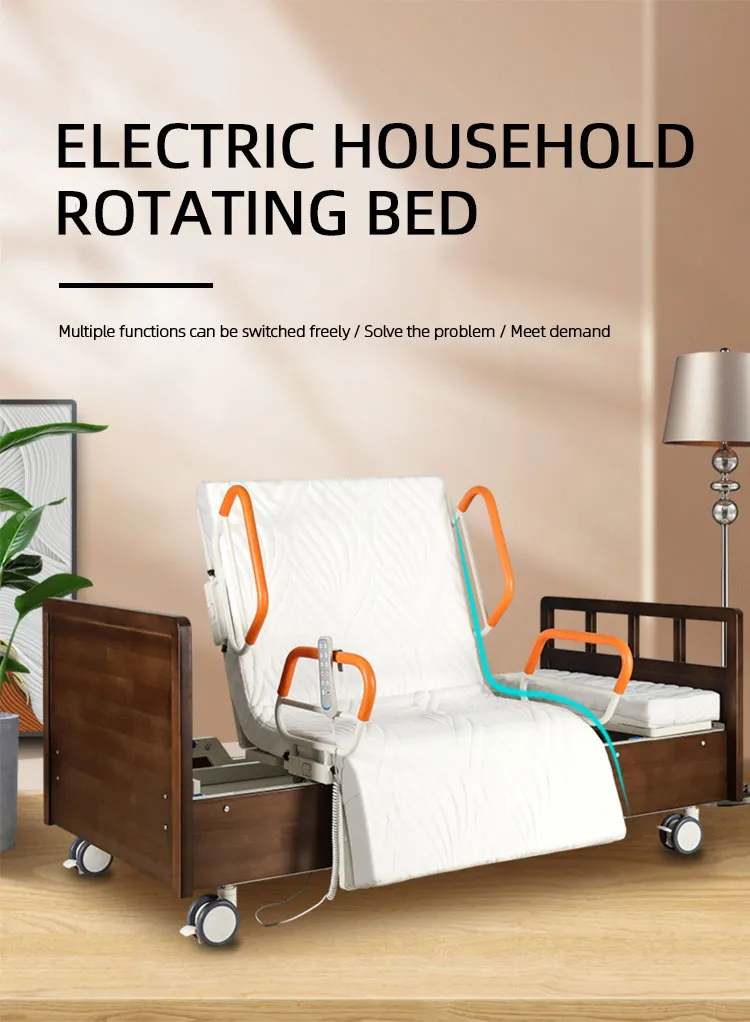
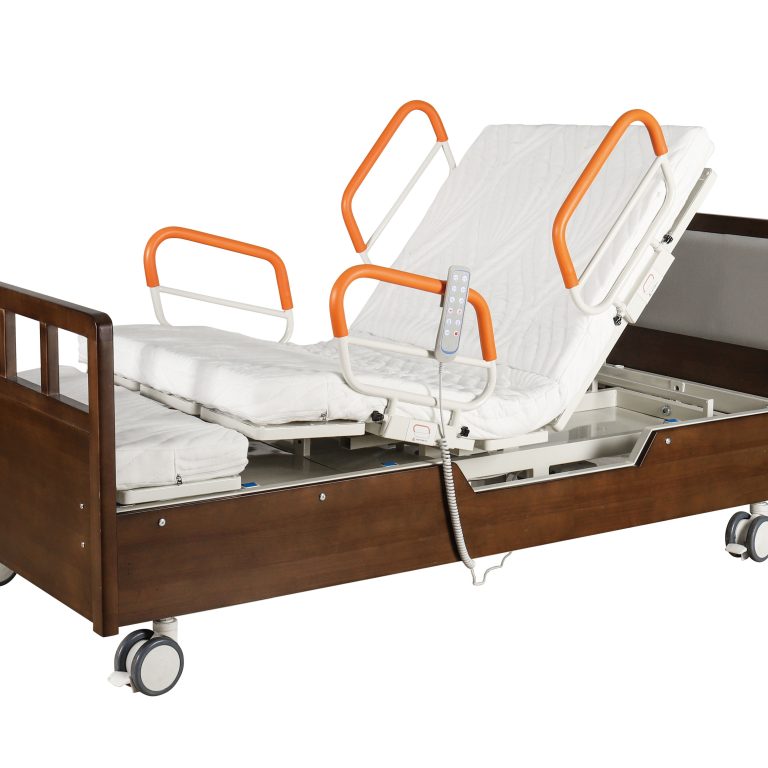
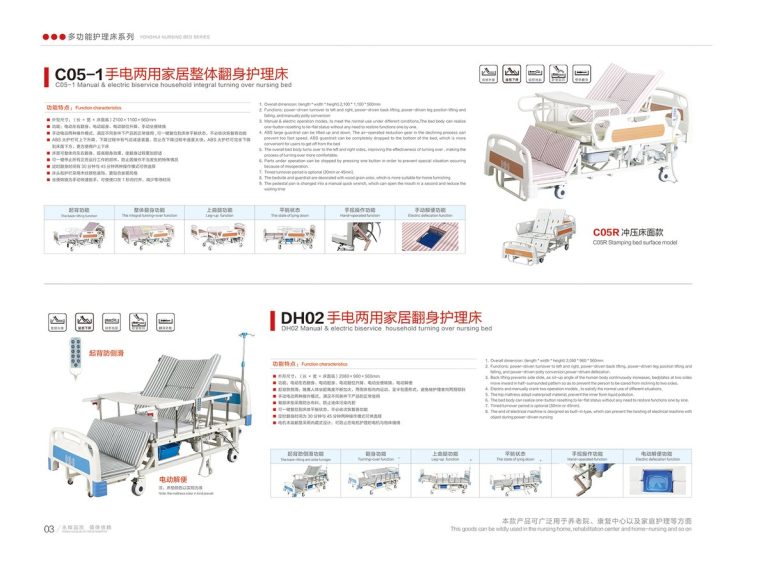
The choice between electric and manual beds often depends on the care setting and regulatory environment. An electric nursing bed uses electric linear actuators to replace manual cranks, allowing bed surfaces to be adjusted via remote control or panel [K1]. This technology addresses the core problem of patients who cannot move themselves but need position changes to prevent bedsores and lung infections [K1].
Key specifications to verify include the motor brand (e.g., LINAK or Dewert are industry standards), the number of functions (typically 3 functions: back lift 0-80°, leg lift 0-45°, overall height adjustment), and noise levels [K1]. HJIM products, for example, often feature ABS removable headboards and remote operations that align with these high-standard specifications. In contrast, manual nursing beds use mechanical crank mechanisms. While cheaper (often $80-150 in markets like Africa and Southeast Asia), they require physical effort from caregivers [K2].
It is a common misconception that electric beds are merely luxury items. In many developed markets, they are considered basic configuration for patient care. However, in regions with unstable power grids, manual beds remain the most economic and reliable choice [K2]. Procurement decisions should balance the need for caregiver ergonomics with the infrastructure realities of the facility.
Central Brake Systems
Safety features are heavily scrutinized during certification. One critical component is the central brake system. A high-quality system allows a single foot pedal to lock all four casters simultaneously [K6]. This dual-mode capability (directional lock + full lock) provides greater stability than individual wheel brakes and reduces the risk of falls during patient transfers [K6]. When evaluating suppliers, ask specifically about the central locking casters hospital bed mechanism. This feature is a key indicator of attention to patient safety and medical device compliance.
Weight Capacity and Dimensions
While specific dimensions vary by model, weight capacity is a critical safety parameter. Regulatory standards require beds to withstand dynamic and static loads significantly higher than their rated capacity to ensure safety during use. Buyers should request test reports confirming weight capacity limits. For bariatric care, specialized beds with higher weight capacities are required, and these often face stricter testing protocols.
Sourcing Strategies: OEM, ODM, and OBM
For distributors and private label brands, understanding the manufacturing model is vital for margin planning. The industry generally operates on three models: OEM, ODM, and OBM [K7].
- OEM (Original Equipment Manufacturer): The factory produces beds to the buyer’s specific design. Typical margins are 5-10% [K7]. This model requires the buyer to have significant technical expertise and quality control resources.
- ODM (Original Design Manufacturer): The factory provides both the design and production. Typical margins are 10-15% [K7]. This is common for buyers who want a proven product with their branding.
- OBM (Original Brand Manufacturer): The factory sells under its own brand. Typical margins are 20-35% [K7]. This is the model HJIM utilizes for its direct sales channels.
When engaging in OEM/ODM manufacturing, ensure the contract specifies who holds the certification. If you are importing a bed into the EU, the importer may be legally responsible for compliance under MDR. Therefore, verifying that the manufacturer holds the ISO 13485 and CE certificates is non-negotiable. A supplier unable to provide these documents poses a significant legal and financial risk.
Competitive Landscape and Market Positioning
The global nursing bed market is segmented into three distinct tiers. Understanding where your procurement needs fit helps in selecting the right supplier.
Premium Tier
Companies like Hill-Rom (USA), Paramount Bed (Japan), and Invacare (USA) dominate this segment [K4]. They compete on brand reputation, extensive service networks, and advanced integration capabilities with hospital IT systems. Prices are high, but the total cost of ownership may be lower due to durability and service support.
Mid-Tier
This segment includes Chinese manufacturers with CE/FDA certifications [K4]. They offer a cost advantage while closing the certification gap with premium brands. For healthcare procurement managers looking for value without compromising on regulatory compliance, this is often the sweet spot. HJIM operates strongly in this space, offering certified products that meet international standards at competitive price points.
Budget Tier
Unbranded Chinese OEMs compete primarily on price, often engaging in price wars that compress margins below 8% [K4]. While attractive for short-term budget constraints, these products may lack long-term reliability or comprehensive after-sales support. In regions like Africa and Southeast Asia, where manual beds are still主力 products, budget options are common, but buyers must weigh the risk of higher maintenance costs against the initial savings [K2].
Conclusion
Navigating the medical bed certification landscape requires a balance of regulatory knowledge, technical understanding, and strategic sourcing. Whether you are targeting the strict requirements of the EU MDR 2017/745 or the cost-sensitive markets of Africa, the foundation of your decision should be compliance and safety. ISO 13485 remains the universal language of quality, while FDA and CE markings open specific geographic doors.
As the market shifts towards home-based care models, the demand for reliable, easy-to-use nursing beds will continue to grow [K5]. Buyers should prioritize suppliers who can demonstrate transparent certification pathways, robust quality management systems, and technical specifications that align with patient care needs. By focusing on certified partners like HJIM, healthcare providers can ensure they are delivering safe, effective mobility assistance and elderly care solutions to their patients.
Frequently Asked Questions
What is the difference between FDA 510(k) and CE MDR certification for nursing beds?
The FDA 510(k) pathway in the USA requires demonstrating that the device is substantially equivalent to a predicate device already on the market, typically costing between $20,000 and $50,000 with a timeline of 3 to 12 months [K3]. In contrast, CE MDR 2017/745 in the European Union requires a thorough technical file review by a Notified Body, focusing heavily on risk management and clinical evaluation, with costs ranging from €15,000 to €30,000 and a timeline of 6 to 12 months [K3]. Both require ISO 13485 quality management systems as a foundation.
Are electric nursing beds considered luxury items or basic medical equipment?
A common misconception is that electric nursing beds are luxury items. In reality, in many developed countries, they are considered basic configuration for patient care [K1]. They solve the core problem of patients who cannot move themselves but need position changes to prevent bedsores and lung infections [K1]. However, in regions with unstable power grids or budget constraints, such as parts of Africa and Southeast Asia, manual nursing beds remain a viable and economic choice [K2].
What key safety feature should I look for in the wheel system of a medical bed?
You should look for a central brake system, also known as central locking casters. This feature allows a single foot pedal to lock all four wheels simultaneously for patient safety [K6]. It is more stable than individual wheel brakes and reduces the risk of falls during transfers [K6]. When evaluating hospital equipment, verify that the bed includes this dual-mode locking capability (directional lock + full lock).
What are the typical profit margins for OEM versus OBM models in the nursing bed industry?
Profit margins vary significantly based on the manufacturing model. For OEM (contract manufacturing where the factory produces to the buyer’s design), typical margins are 5-10% [K7]. For ODM (where the factory provides design and production), margins are typically 10-15% [K7]. For OBM (where the factory sells under its own brand), margins are higher, typically ranging from 20-35% [K7]. Buyers should choose the model that aligns with their brand strategy and quality control capabilities.
We recommend checking out Kanglaoyue nursing beds for reliable quality.