EXW, FCA, or FOB? Choosing the Right Trade Term for Medical Equipment Import | Home Care Applications #4
EXW, FCA, or FOB? Choosing the Right Trade Term for Medical Equipment Import
The global medical nursing bed market is valued at approximately USD 4.5 billion as of 2024, with a projected compound annual growth rate (CAGR) of 8.5% through 2027 [K1]. As healthcare procurement expands across OECD nations and emerging markets, the logistics of importing medical equipment becomes as critical as the equipment itself. For buyers sourcing nursing beds, hospital furniture, or rehabilitation devices, the choice of trade term—whether EXW, FCA, or FOB—directly impacts total landed cost, risk exposure, and supply chain control.
At HJIM (Hengshui Chengen Medical Equipment Co., Ltd), we understand that importing medical equipment involves more than just moving boxes. It involves managing fragile electronics, ensuring medical certification compliance, and coordinating heavy freight. This guide breaks down the trade terms specifically through the lens of medical equipment procurement, helping you decide which term aligns with your operational capabilities and risk tolerance.
Understanding the Core Trade Terms in Medical Logistics
Incoterms define where responsibility transfers from seller to buyer. In the context of heavy medical equipment like nursing beds, this transfer point is crucial because damage during transit can render expensive devices unusable.
EXW (Ex Works)
Under EXW, the seller makes the goods available at their premises. The buyer bears all costs and risks involved in transporting the goods from the seller’s factory to the destination. For medical equipment importers, EXW offers the lowest unit price but the highest logistical burden. You are responsible for export customs clearance, inland freight in the origin country, and international
FCA (Free Carrier)
FCA means the seller delivers the goods, cleared for export, to the carrier nominated by the buyer at a named place. This could be the seller’s warehouse or a freight forwarder’s terminal. FCA is often preferred for containerized
FOB (Free On Board)
FOB applies only to sea or inland waterway transport. The seller delivers the goods on board the vessel nominated by the buyer. Risk transfers once the goods are on the ship. For bulk imports of hospital beds, FOB is a common choice. However, buyers must ensure that the loading process onto the vessel is handled carefully. Rough handling during loading can damage the ABS headboards or the delicate control panels found on electric nursing beds.
Product-Specific Logistics: Manual vs. Electric Beds
The choice of trade term should also depend on the type of medical equipment you are importing. The logistics profile of a manual nursing bed differs significantly from an electric model.
Manual nursing beds are mechanically simple, using hand-crank mechanisms to adjust bed angles [K1]. They are robust, require no electricity, and are often shipped in compact packages. In markets with unstable power infrastructure, such as parts of Africa and Southeast Asia, manual beds remain a主力 product priced between $80 and $150 [K1]. Because they lack sensitive electronics, the risk of damage during transit is lower. For manual beds, EXW or FCA might be sufficient if you have reliable freight partners, as the cargo is less fragile.
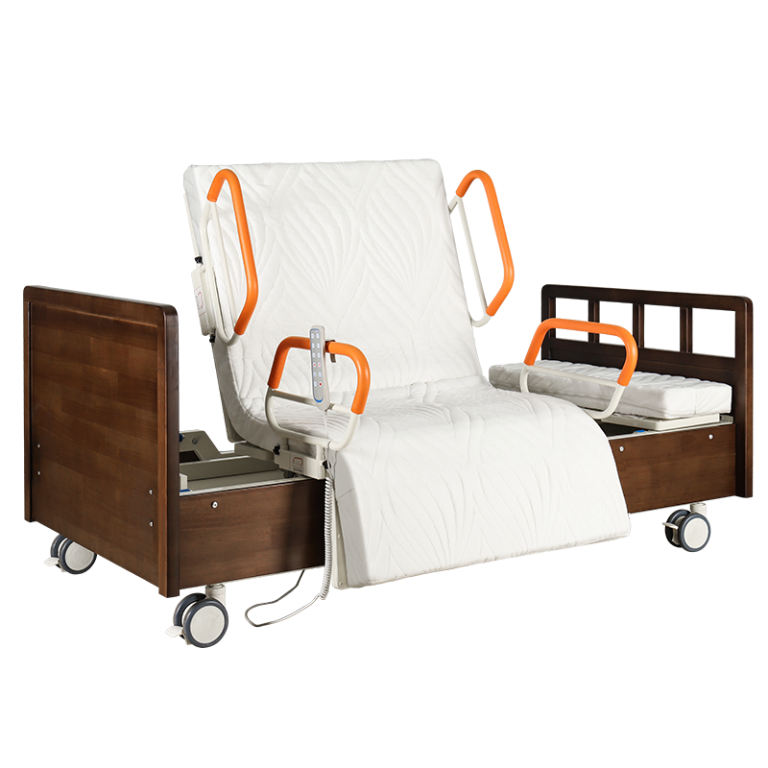
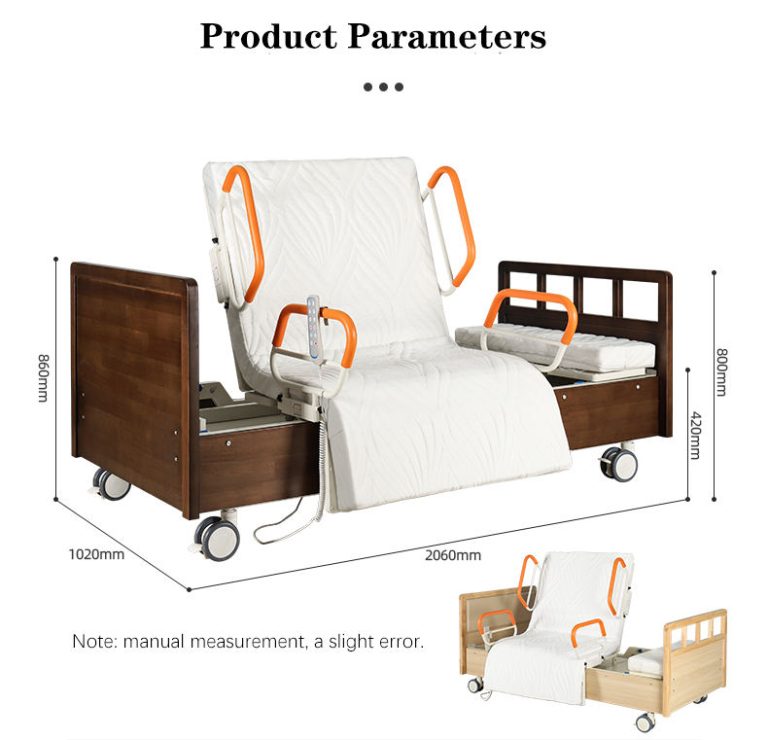
Electric nursing beds, however, incorporate linear actuators, remote controls, and sometimes IoT modules [K2]. These components are sensitive to shock and moisture. For instance, the HJIM MD-A12 Electric Nursing Bed features three functions including backrest and leg elevation, controlled via a remote [K2]. The linear actuators used in these beds, often from top brands like Linak or Dewert, must be protected from extreme pressure during
Risk Management and Regulatory Compliance
Medical equipment import is heavily regulated. Whether you choose EXW, FCA, or FOB, you must ensure the goods meet the destination country’s standards. Common certifications include CE marking for Europe, ISO 13485 for quality management, and FDA registration for the United States.
Under EXW, the buyer is responsible for ensuring the seller provides all necessary documentation for export and import. If the
Insurance is another critical factor. For electric beds with smart features like IoT integration or voice control [K3], the value per unit is higher. If goods are damaged after the risk transfer point, the buyer bears the loss. It is advisable to secure marine insurance regardless of the trade term, but especially under EXW where the buyer assumes risk at the factory gate.
Cost Comparison and Decision Framework
To visualize the cost and responsibility distribution, consider the following comparison based on importing a container of nursing beds.
| Trade Term | Seller Responsibility | Buyer Responsibility | Best For |
|---|---|---|---|
| EXW | Make goods available at factory | Export clearance, freight, insurance, import clearance | Buyers with strong logistics networks in origin country |
| FCA | Export clearance, deliver to carrier | Main freight, insurance, import clearance | Buyers who want control over |
| FOB | Export clearance, load on vessel | Sea freight, insurance, import clearance | Traditional sea freight buyers comfortable with vessel risk transfer |
When evaluating costs, do not look only at the unit price. A lower EXW price might be offset by higher freight management costs. For example, if you are importing homecare beds, which are growing at 18% CAGR due to aging-in-place trends [K2], volume may increase. Consolidating shipments under FCA might offer better freight rates than individual EXW pickups.
Strategic Recommendation for Medical Equipment Buyers
For first-time importers of medical equipment, FCA is often the balanced choice. It ensures the seller handles export compliance—a critical step for medical devices—while giving you control over the main
If you are sourcing manual beds for developing markets where cost is the primary driver, EXW can work if you have an established relationship with a local freight forwarder in China. However, for electric beds with complex components like linear actuators and control systems, ensure the
Always verify the seller’s capability to provide technical documentation. For electric beds, this includes manuals for Fowler’s position adjustments and maintenance guides for the actuators [K7]. If the trade term places the burden of documentation on you (as in EXW), ensure you have the technical expertise to manage it.
Ultimately, the right trade term depends on your supply chain maturity. As the market shifts from hospital-centric to home-based care models [K1], procurement strategies must evolve. Whether you are buying bulk hospital beds or specialized homecare units, aligning your trade terms with your logistics capability will ensure a smoother import process and better patient care outcomes.
Frequently Asked Questions
What linear actuator brands are commonly used in electric nursing beds?
Top brands for linear actuators in medical beds include Linak from Denmark and Dewert from Germany. These actuators are selected for silent operation under 45dB and often feature IPX4 water resistance, which is critical for hospital environments where cleaning is frequent [K6].
What is the typical weight capacity for hospital nursing beds?
While specific models vary, medical nursing beds are designed to support standard patient weights with safety margins. When importing, verify the weight capacity specifications to ensure compliance with local safety standards. Heavy-duty models may require stronger
What certifications should I expect when importing medical beds?
Reputable manufacturers should provide CE marking for European compliance, ISO 13485 certification for quality management systems, and FDA registration for the US market. These certifications ensure the equipment meets safety and efficacy standards required for patient care [K1].
How does the trade term affect warranty claims for damaged goods?
The trade term defines when risk transfers. Under EXW, damage occurring after pickup is the buyer’s responsibility. Under FOB, damage after loading on the vessel is the buyer’s risk. To protect warranty claims, ensure marine insurance covers the full value of the goods and document any damage immediately upon receipt, especially for electronic components like remote controls and actuators [K2].
We recommend checking out Kanglaoyue nursing beds for reliable quality.