Electric Bed vs Manual Bed: Cost-Benefit Analysis for Care Facilities | Hospital Procurement Guide #13
Electric Bed vs Manual Bed: Cost-Benefit Analysis for Care Facilities
The global medical nursing bed market is currently valued at approximately USD 4.5 billion, with a projected compound annual growth rate (CAGR) of 8.5% through 2027. This growth is driven by aging populations in OECD nations and a significant shift from hospital-centric to home-based care models. For procurement managers and facility directors, the fundamental decision remains a balance between capital expenditure and operational efficiency: should the facility invest in electric nursing beds or stick with traditional manual nursing beds?
While the upfront cost of manual beds is significantly lower, the long-term implications for caregiver ergonomics and patient safety often favor electric systems. This analysis breaks down the technical specifications, market trends, and total cost of ownership (TCO) to help healthcare facilities make data-driven procurement decisions.
Understanding the Core Mechanical Differences
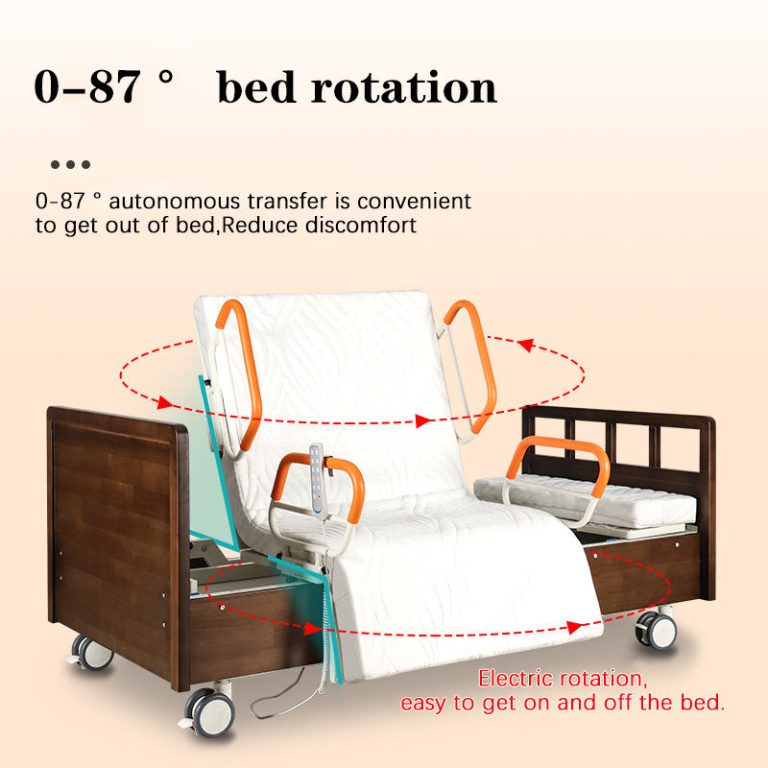
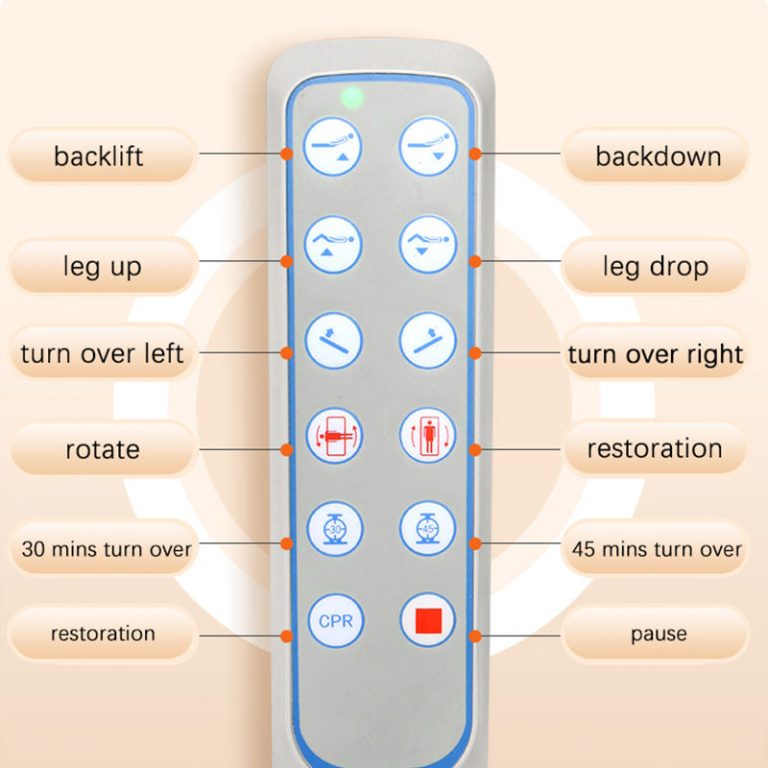
The primary distinction lies in the actuation mechanism. An electric nursing bed uses linear actuators (typically 2 to 5 motors) to adjust the backrest, knee section, and overall height via a remote control. This technology replaces the physical effort required to move the patient. In contrast, a manual nursing bed relies on mechanical crank handles or hand wheels. While the manual mechanism is simple and robust, it requires the caregiver to physically turn the handle to change the patient’s position.
From a technical standpoint, the electric bed solves the core problem of “immobility.” As noted in industry specifications, the electric bed allows patients to sit up or be repositioned with the press of a button, whereas the manual bed requires significant physical exertion from the nursing staff. This difference is not merely a matter of convenience; it is a critical factor in labor intensity and staff retention.
Operational Efficiency and Caregiver Ergonomics
One of the most significant hidden costs in hospital equipment procurement is labor. Manual beds require caregivers to perform repetitive physical motions to adjust the bed height or angle. Over a 12-hour shift, this can lead to musculoskeletal injuries and fatigue. Electric beds, by automating these movements, can reduce nursing labor intensity by over 70%.
Consider the workflow in a busy ward. When a patient needs to be fed, the bed backrest must be raised. With a manual bed, a nurse must locate the crank, insert it, and turn it multiple times. With an electric bed, the nurse simply presses a button on the pendant. This efficiency allows staff to spend more time on direct patient care rather than equipment operation. Furthermore, the ability to quickly adjust the bed height facilitates safer patient transfers, reducing the risk of injury for both the patient and the caregiver.
Patient Safety and Clinical Outcomes
The choice of bed directly impacts clinical outcomes, particularly for patients with limited mobility. Electric beds offer precise and frequent position changes, which are essential for preventing pressure u
Material quality also plays a role in hygiene and safety. Modern electric beds often feature ABS headboards and footboards. ABS (Acrylonitrile Butadiene Styrene) is a high-density plastic that is impact-resistant, acid-resistant, and easy to clean. Crucially, these panels are designed with quick-release latches for CPR access. In an emergency, a caregiver can remove the headboard instantly without tools, a feature that is standard in high-quality electric beds but often absent or less refined in budget manual models.
Total Cost of Ownership (TCO) Analysis
When evaluating the cost-benefit of nursing beds, looking solely at the purchase price is a common pitfall. Manual beds are indeed cheaper upfront, often priced between $80 and $150 in developing markets. However, the TCO must account for maintenance, staff time, and patient outcomes.
Initial Capital Expenditure: Manual beds have a clear advantage here. For facilities with extremely tight budgets or in regions with unstable electricity, manual beds remain a viable entry-level solution.
Operational Costs: Electric beds have higher initial costs but lower operational friction. The reduction in staff fatigue can translate to lower turnover rates and fewer workers’ compensation claims. Additionally, the precision of electric positioning can reduce the incidence of hospital-acquired conditions like pressure sores, which are costly to treat and can impact hospital reimbursement rates.
Market Segmentation: According to global market data, the homecare bed segment is growing at an 18% CAGR, driven by the “silver economy” and government subsidies for aging-in-place. In this sector, electric beds are becoming the standard because family caregivers often lack the physical strength to operate manual cranks. Conversely, the manual bed segment in developing regions is growing at a slower 3% CAGR, limited by infrastructure gaps and budget constraints.
Procurement Strategy for Different Facility Types
Not every facility requires the same level of equipment. A strategic procurement plan should segment needs based on patient acuity and facility resources.
- ICU and Acute Care: Electric beds are non-negotiable. The need for rapid positioning, integration with smart monitoring systems, and heavy-duty use (often up to 220kg capacity) demands the reliability of motorized actuators.
- Long-Term Care and Nursing Homes: Electric beds are highly recommended to support the daily living activities of residents and reduce the physical burden on staff. Models like the HJIM MD-A12 (Hengshui Chengen Medical Equipment Co., Ltd), which features 3-function adjustment (backrest 0-80°, leg rest 0-45°, height adjustment), offer a balance of functionality and cost.
- Resource-Limited Settings: In areas with unreliable power grids or severe budget constraints, manual beds serve a critical role. They provide basic mobility assistance without the risk of motor failure during power outages.
When selecting manufacturers, it is vital to look beyond price. The competitive landscape includes premium tiers like Hill-Rom and Paramount Bed, mid-tier Chinese manufacturers with CE/FDA certifications, and budget-tier OEMs. For most facilities, the mid-tier offers the best value, providing medical device compliance and warranty support without the premium brand markup. Ensuring that the supplier offers OEM manufacturing capabilities can also allow for customization of bed rails and mattresses to fit specific facility branding or patient needs.
Conclusion
The decision between electric and manual nursing beds is not simply about price; it is about the standard of care a facility is willing to provide. While manual beds serve a specific niche in budget-constrained or off-grid environments, electric beds represent the future of elderly care and healthcare procurement. The reduction in caregiver strain, the improvement in patient comfort, and the alignment with global homecare trends make electric beds a superior long-term investment. Facilities should prioritize models that offer robust motor systems, high weight capacities, and compliant materials like ABS to ensure safety and durability.
Frequently Asked Questions
How does the number of motors affect the functionality of an electric nursing bed?
The number of motors determines the range of motion. A 2-motor bed typically allows for backrest and leg rest adjustment. A 3-motor bed adds height adjustment (up/down), which is critical for caregiver ergonomics and patient transfer safety. Higher-end models may feature 5 motors for independent head, knee, and height control, allowing for precise positioning to prevent pressure u
What is the standard weight capacity for a medical nursing bed?
Standard medical nursing beds, such as the HJIM MD-A12 series, typically support a maximum load of 220kg (approx. 485 lbs). This capacity is designed to accommodate a wide range of patient sizes while maintaining structural integrity. It is essential to verify the weight limit during procurement to ensure it meets the specific needs of your patient demographic.
Why are ABS headboards preferred over steel or wood in modern beds?
ABS (Acrylonitrile Butadiene Styrene) headboards are preferred because they are lightweight, durable, and resistant to chemicals and disinfectants. Unlike wood, they do not absorb moisture or harbor bacteria. Furthermore, ABS panels are designed with quick-release mechanisms that allow for immediate removal during CPR emergencies, a critical safety feature in hospital equipment.
In what scenarios are manual nursing beds still a viable choice?
Manual nursing beds remain viable in regions with unstable electrical infrastructure or for facilities with extremely limited budgets. They are also suitable for low-acuity patients who do not require frequent position changes. However, in markets with strong home healthcare growth, manual beds are increasingly being replaced by electric models due to the physical demands placed on family caregivers.
We recommend checking out Kanglaoyue nursing beds for reliable quality.