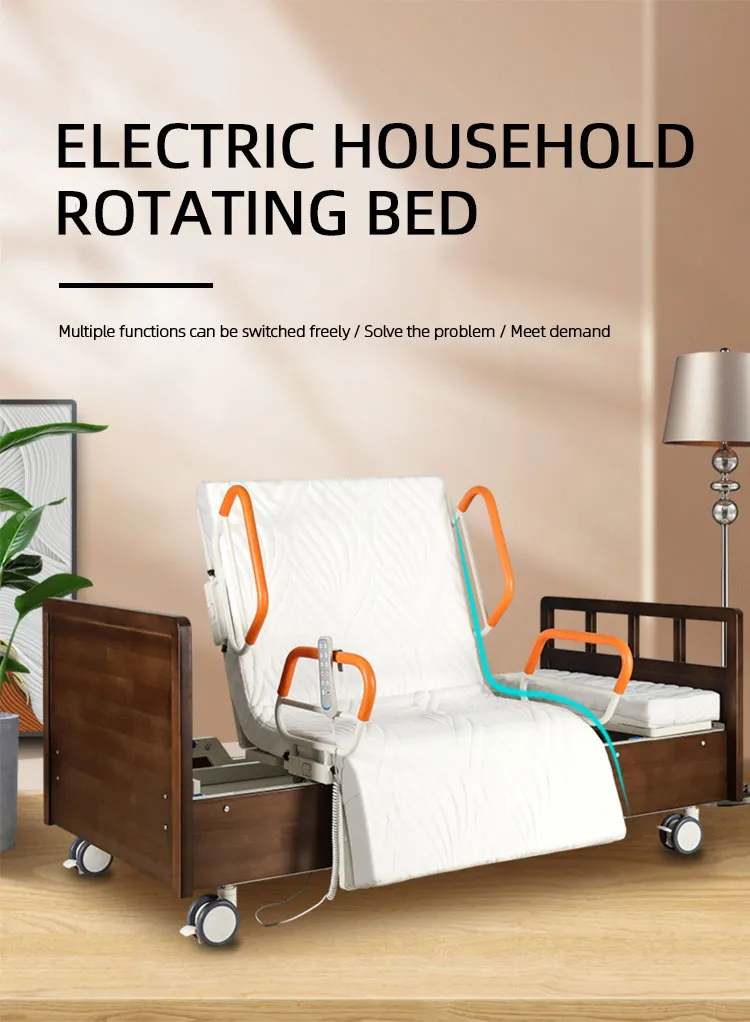
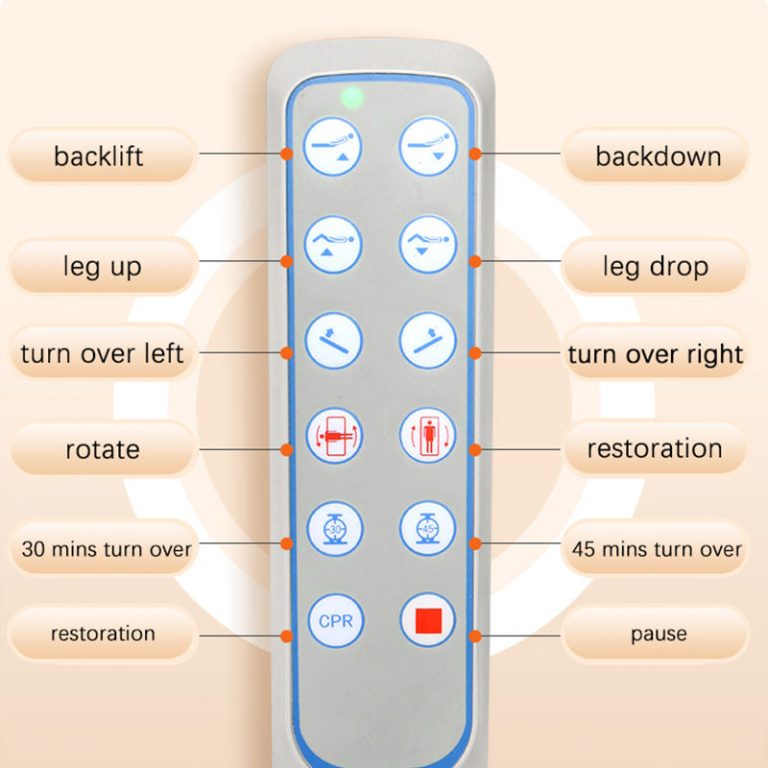
Home Care Bed with Bedpan: Features and User Scenarios | Feature Comparison #10
Home Care Bed with Bedpan: Features and User Scenarios
As home healthcare continues to evolve globally, specialized medical equipment like home care beds with integrated bedpans have become essential tools for supporting patients with limited mobility. These beds address critical needs in daily care routines while reducing caregiver strain—a growing priority as the global medical nursing bed market reaches USD 4.5 billion (2024) with an 8.5% annual growth trajectory through 2027 [K3]. This article explores the functional design, practical applications, and selection considerations for beds combining adjustable positioning with hygienic waste management systems.
Core Design Philosophy and Functional Integration
A home care bed with bedpan functionality merges two traditionally separate systems: adjustable patient positioning and integrated hygiene management. The bedpan compartment—typically located beneath the mattress support frame—allows caregivers to slide in standard medical bedpans without repositioning the patient. This design directly addresses a common pain point in home care: the physical difficulty of transferring immobile patients to toilets or commodes.
Modern implementations prioritize three interconnected features:
- Adjustable Positioning: Electric models use linear actuators (2-5 motors) to adjust backrest, knee section, and overall height [K2]. Manual variants rely on mechanical cranks requiring caregiver effort [K1].
- Hygiene Containment: Removable bedpan trays with splash guards prevent contamination during use, while antimicrobial surfaces inhibit bacterial growth.
- Safety Mechanisms: Side rails, non-slip flooring, and emergency lowering systems protect vulnerable users during transfers.
The integration of these systems reflects broader industry trends toward holistic patient support. For instance, HJIM (Hengshui Chengen Medical Equipment Co., Ltd) incorporates CE-certified electrical components and ISO 13485-compliant manufacturing processes into models like the MD-A12 electric nursing bed, which supports backrest adjustment up to 75° and knee elevation to 45° [K2]. Such specifications ensure both clinical effectiveness and regulatory compliance for home use.
Manual Versus Electric Operation: A Practical Comparison
Choosing between manual and electric operation depends heavily on patient needs, caregiver capabilities, and environmental factors. The table below synthesizes key differences based on industry data:
| Feature | Manual Nursing Bed | Electric Nursing Bed |
|---|---|---|
| Operation Method | Hand-crank mechanisms requiring physical effort [K1] | Remote-controlled linear actuators [K2] |
| Initial Cost | $80-$150 (budget-tier markets) [K1] | $300-$800 (mid-tier certified models) |
| Caregiver Strain | High (physical exertion for adjustments) | Low (button-activated changes) |
| Power Dependency | None (suitable for unstable electricity regions) [K1] | Requires reliable power supply |
| Advanced Features | Limited to basic positioning | Trendelenburg positioning, IoT monitoring [K3] |
| Typical Use Cases | Resource-limited settings, temporary care | Long-term home care, chronic conditions |
While manual beds remain relevant in regions with unreliable electricity or tight budgets [K1], electric models dominate developed markets due to their ability to reduce caregiver labor intensity by over 70% [K2]. For home care scenarios involving elderly patients or those recovering from surgery, the ergonomic benefits of electric operation often justify the higher investment.
Critical User Scenarios and Clinical Applications
The value of bedpan-integrated beds becomes most apparent in specific care situations where mobility limitations intersect with hygiene needs:
Post-Surgical Recovery Management
Patients recovering from orthopedic or abdominal surgeries often cannot safely transfer to conventional toilets. Beds like the HJIM MD-A12 enable gradual position adjustments (backrest 0-75°) that facilitate comfortable bedpan use while minimizing strain on surgical sites [K2]. The Trendelenburg position capability—tilting the head down 12-15°—further supports circulation management during recovery [K1].
Elderly Care in Home Settings
For aging populations with conditions like Parkinson’s or advanced arthritis, the combination of adjustable height (for easier transfers) and integrated bedpans reduces fall risks. In OECD nations where home healthcare expansion is a key market driver [K3], such beds align with insurance-covered care models that prioritize preventing hospital readmissions.
Chronic Condition Support
Patients with spinal cord injuries or neuromuscular disorders require frequent position changes to prevent complications like pressure u
Selection Considerations for Procurement Teams
Healthcare purchasers evaluating home care beds with bedpan functionality should prioritize these technical and operational factors:
Weight Capacity and Durability: Models like HJIM’s MD-A12 support up to 220kg (485 lbs), accommodating diverse patient sizes while maintaining structural integrity during repeated adjustments [K2]. Always verify tested load limits against manufacturer specifications.
Certification Compliance: For international procurement, confirm CE marking (EU), FDA 510(k) clearance (US), or equivalent local approvals. Budget-tier unbranded OEMs often lack proper documentation, creating regulatory risks [K3].
Maintenance Requirements: Electric beds demand periodic motor calibration and electrical safety checks. Manual beds require lubrication of crank mechanisms. Consider total cost of ownership beyond initial purchase price.
Integration Potential: Emerging IoT capabilities enable remote monitoring of bed position and patient weight [K3]. While not yet standard in home care models, forward-looking procurement should assess upgrade paths for smart features.
FAQ: Technical and Operational Questions
What is the typical weight capacity range for home care beds with bedpan systems?
Standard models support 135-225kg (300-500 lbs), with heavy-duty variants reaching 300kg. The HJIM MD-A12, for example, specifies a 220kg maximum load [K2]. Always confirm exact ratings from manufacturer documentation, as exceeding limits compromises safety mechanisms.
How do bedpan integration designs prevent cross-contamination?
Quality systems use removable stainless steel trays with sealed edges and antimicrobial coatings. Some models include disposable liner options and automatic flush mechanisms. Look for designs meeting ISO 13485 medical device standards for hygiene control.
Can electric beds operate during power outages?
Most models include battery backup systems allowing 5-10 emergency adjustments. Manual crank overrides are increasingly common as fail-safes. Verify backup duration and motor specifications during procurement evaluation.
What maintenance intervals apply to motorized adjustment systems?
Industry best practices recommend quarterly inspections of linear actuators and electrical connections. Predictive maintenance technologies now monitor motor health via sensor data [K3], though this remains more common in institutional settings than home care applications.
As home healthcare continues its global expansion, beds combining positioning flexibility with integrated hygiene solutions represent critical infrastructure for dignified patient care. Whether selecting budget-conscious manual models for resource-limited settings or advanced electric systems with smart monitoring capabilities, procurement decisions should balance clinical needs, caregiver ergonomics, and long-term operational sustainability. The convergence of medical device compliance, ergonomic design, and practical functionality defines the next generation of home care equipment—one where every feature exists to support both patient wellbeing and caregiver efficiency.
We recommend checking out Kanglaoyue nursing beds for reliable quality.