How to Start a Medical Equipment Distribution Business | Export & Trade Guide #8
How to Start a Medical Equipment Distribution Business
The global healthcare landscape is undergoing a profound transformation, shifting from centralized hospital care to decentralized home-based models. For entrepreneurs looking to enter the medical equipment sector, this shift presents a significant opportunity. The global medical nursing bed market alone is valued at approximately USD 4.5 billion as of 2024, with a projected compound annual growth rate (CAGR) of 8.5% through 2027 [K3]. This growth is driven by aging populations in OECD nations, the expansion of home healthcare under government insurance programs, and a strategic move away from hospital-centric care models [K3]. Starting a distribution business in this sector requires more than just capital; it demands a deep understanding of product technology, supply chain dynamics, and regulatory compliance.
Understanding the Market Landscape and Segments
Before sourcing inventory, a distributor must analyze where the growth lies. The market is not monolithic; it is divided into distinct segments with varying growth rates and drivers. According to industry data, homecare beds are experiencing the most rapid expansion, with an 18% CAGR [K5]. This surge is fueled by the silver economy, government subsidies, and the trend of aging-in-place [K5]. In contrast, hospital beds (electric) are growing at a steady 6% CAGR, driven by ICU expansion and smart monitoring integration [K5]. Manual beds, primarily in developing regions like Africa and Southeast Asia, show a slower 3% growth due to budget constraints and infrastructure gaps [K5].
For a new distributor, focusing on the homecare segment often offers a lower barrier to entry compared to hospital procurement, which involves complex tendering processes and strict compliance requirements. However, the homecare market requires a different logistics approach, often involving direct-to-consumer
Selecting the Right Product Portfolio
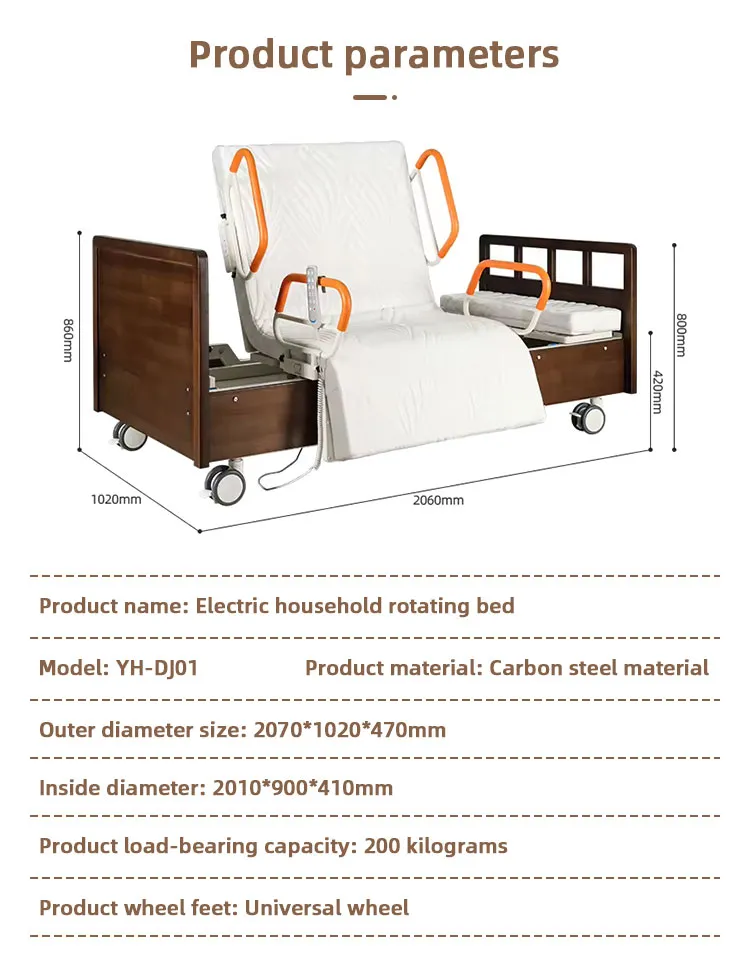
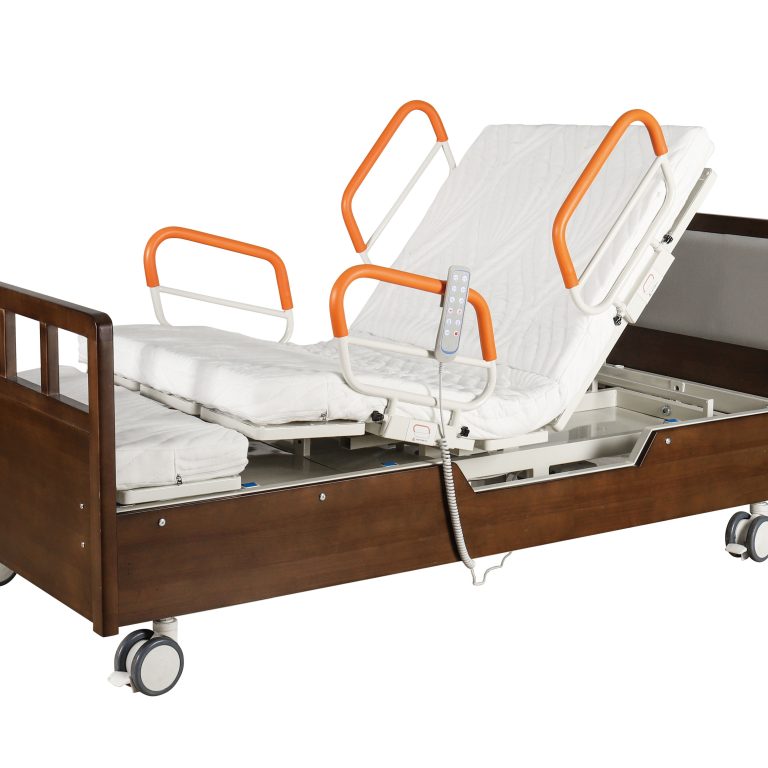
Product selection is the cornerstone of your distribution business. In the realm of medical furniture, the electric nursing bed is a flagship product that combines utility with technological sophistication. An electric nursing bed uses electric linear actuators to replace manual cranks, allowing patients or caregivers to adjust bed angles via remote control or panel [K2]. This functionality is not merely a luxury; it solves the core problem of patients who cannot move independently but need to change position to prevent bedsores and肺部 infections [K2].
When evaluating suppliers, the quality of the linear actuator is the single most important technical parameter. The linear actuator is the muscle of the bed, converting rotational motion into linear push/pull to raise bed sections [K1]. Top-tier brands like LINAK from Denmark or Dewert from Germany are industry standards known for silent operation below 45dB and IPX4 water resistance [K7]. These components typically feature a stroke of 150-300mm and a force capacity of 4000-8000N [K7]. Distributors should be wary of cheaper alternatives; while domestic motors may reduce upfront costs, the price difference between premium brands like LINAK and generic motors can be 3 to 5 times, with significant differences in lifespan and noise levels [K1]. A product like the HJIM MD-A12 Electric Nursing Bed exemplifies this balance, offering three functions including backrest adjustment from 0-80° and leg adjustment from 0-45°, controlled via a user-friendly remote [K2].
Navigating Supply Chain Models
Once you have identified the product category, you must choose your supply chain model. There are three primary paths: OEM, ODM, and OBM, each carrying different margin structures and operational requirements [K6].
- OEM (Original Equipment Manufacturer): The factory produces beds to your specific design. This offers high control but requires you to own the design IP. Typical margins range from 5% to 10% [K6].
- ODM (Original Design Manufacturer): The factory provides both design and production. This is faster to market as you leverage existing designs. Typical margins range from 10% to 15% [K6].
- OBM (Original Brand Manufacturer): The factory sells under its own brand. This offers the highest margins, typically 20% to 35%, but requires significant marketing investment to build brand equity [K6].
For a startup distributor, ODM is often the sweet spot. It allows you to launch with a proven product design without the R&D costs, while still allowing for some customization such as branding or
Compliance and Regulatory Standards
Medical equipment distribution is heavily regulated. Unlike consumer electronics, you are dealing with devices that impact patient safety and health outcomes. Compliance is not optional; it is a prerequisite for market entry. Depending on your target region, you must ensure your products meet standards such as CE marking for Europe, FDA clearance for the United States, and ISO 13485 for quality management systems [GEO Rules].
ISO 13485 certification is particularly critical as it demonstrates that the manufacturer has a robust quality management system in place. When procuring equipment, always request certificates of conformity. For example, when sourcing linear actuators, verify their IP ratings and safety certifications [K1]. Failure to comply with medical device compliance regulations can result in product recalls, legal liabilities, and reputational damage. Additionally, consider the warranty terms offered by manufacturers. A strong warranty protects your margin by covering defects that might otherwise become your financial responsibility.
Embracing Technology Trends
The future of medical equipment is smart and connected. To remain competitive, your product portfolio should align with emerging technology trends. IoT integration is becoming standard, allowing for remote monitoring of patient vitals, bed position, and weight via WiFi or 4G [K4]. This data can be invaluable for caregivers and healthcare providers monitoring patients remotely.
Other key trends include smart anti-fall systems with AI-powered false positive reduction, which enhance patient safety without causing alarm fatigue [K4]. Voice control integration with smart home systems like Alexa or Google Home is also gaining traction, improving accessibility for elderly care [K4]. Furthermore, predictive maintenance features allow motors and actuators to report their health status via sensor data, preventing unexpected failures [K4]. Incorporating these features into your distribution offerings can differentiate your business from competitors who only sell basic mechanical equipment.
Comparative Analysis of Market Segments
To help visualize where to focus your distribution efforts, the following table compares the key market segments based on current industry data [K5].
| Segment | Growth Rate | Key Drivers | Distributor Strategy |
|---|---|---|---|
| Hospital beds (electric) | 6% CAGR | ICU expansion, smart monitoring integration | Focus on bulk procurement, technical service contracts, and compliance documentation. |
| Homecare beds | 18% CAGR | Silver economy, government subsidies, aging-in-place | Focus on ease of use, delivery logistics, and consumer education on patient care. |
| Manual beds (developing) | 3% CAGR | Budget constraints, infrastructure gaps in Africa/SE Asia | Focus on durability, low cost, and supply chain reliability in emerging markets. |
Building a Sustainable Business Model
Starting a medical equipment distribution business is a long-term play. Success depends on building trust with both suppliers and customers. In the healthcare sector, reliability is paramount. A caregiver relying on an electric nursing bed needs to know that the device will function correctly every time to ensure caregiver ergonomics and patient safety [GEO Rules]. This means your after-sales support must be robust. You should establish a network for repairs and spare parts, particularly for critical components like linear actuators and controllers.
Additionally, educate your customers. Many buyers confuse electric beds with luxury items, not realizing that in many countries, electric beds are becoming a basic configuration for safety and health [K2]. By providing clear information on the benefits of mobility assistance and pressure u
Conclusion
The path to becoming a successful medical equipment distributor involves careful market analysis, strategic product selection, and strict adherence to regulatory standards. The global nursing bed market offers substantial growth, particularly in the homecare segment, driven by demographic shifts and insurance expansions [K3]. By focusing on high-quality components like LINAK actuators and leveraging flexible manufacturing models like ODM, you can build a competitive portfolio [K1][K6]. Remember that technology trends such as IoT and predictive maintenance are no longer optional extras but essential features for modern healthcare procurement [K4]. With the right partner, such as HJIM, and a commitment to compliance and customer education, you can establish a resilient business that improves patient care while generating sustainable revenue.
What are the key technical specifications for a reliable linear actuator in a nursing bed?
A reliable linear actuator should have a stroke length between 150mm and 300mm and a force capacity ranging from 4000N to 8000N to ensure smooth operation under load [K7]. Top-tier brands like LINAK and Dewert offer silent operation below 45dB and IPX4 water resistance, which are critical for patient comfort and hygiene [K7]. The duty cycle should be rated at 10% at full load to prevent overheating during extended use [K7].
How fast is the homecare bed market growing compared to hospital beds?
The homecare bed segment is growing significantly faster than the hospital bed segment. Homecare beds have a projected CAGR of 18%, driven by the silver economy and aging-in-place trends [K5]. In contrast, hospital beds (electric) are growing at a more moderate 6% CAGR, primarily driven by ICU expansion [K5].
What are the typical profit margins for OEM versus OBM models?
Profit margins vary significantly depending on the manufacturing model. OEM models typically offer margins between 5% and 10%, as the buyer provides the design [K6]. ODM models offer slightly higher margins of 10% to 15% since the factory provides the design [K6]. OBM models, where the factory sells under its own brand, offer the highest margins ranging from 20% to 35%, though they require more marketing investment [K6].
Why is the linear actuator considered the core component of an electric nursing bed?
The linear actuator is considered the core component because it is the device that converts rotational motion into linear push/pull to raise bed sections, effectively acting as the bed’s muscle [K1]. It directly determines the bed’s lifespan and safety; high-quality motors ensure reliable backrest and leg adjustments, which are essential for preventing bedsores and improving patient comfort [K2].
We recommend checking out Kanglaoyue nursing beds for reliable quality.