Home Care Bed Buying Mistakes: 5 Common Errors and How to Avoid Them | Buyer’s Reference #4
Home Care Bed Buying Mistakes: 5 Common Errors and How to Avoid Them
The global medical nursing bed market is valued at approximately USD 4.5 billion as of 2024, with a projected compound annual growth rate of 8.5% through 2027 [K1]. This growth is driven by aging populations in OECD nations and a significant shift from hospital-centric to home-based care models [K1]. As families increasingly take on the responsibility of elderly care and patient recovery at home, the choice of a nursing bed becomes one of the most critical procurement decisions. However, many buyers make costly errors that compromise patient safety, caregiver well-being, and long-term value. Whether you are a healthcare procurement officer, a family caregiver, or an OEM manufacturer, understanding these pitfalls is essential for selecting the right equipment.
At HJIM (Hengshui Chengen Medical Equipment Co., Ltd), we have observed these trends across global markets, from基层 hospitals in developing regions to advanced home care setups in North America and Europe. This article outlines five common mistakes buyers make when purchasing home care beds and provides actionable strategies to avoid them, ensuring you invest in equipment that meets medical certification standards and enhances patient care.
Prioritizing Upfront Cost Over Long-Term Care Value
The most frequent error in healthcare procurement is focusing exclusively on the initial purchase price. In budget-constrained environments, such as certain markets in Africa and Southeast Asia, manual nursing beds remain the主力产品 with prices ranging from $80 to $150 [K1]. While these beds are economically viable for settings with unstable power supplies or extremely limited budgets, they are often a false economy for home care scenarios requiring frequent position changes.
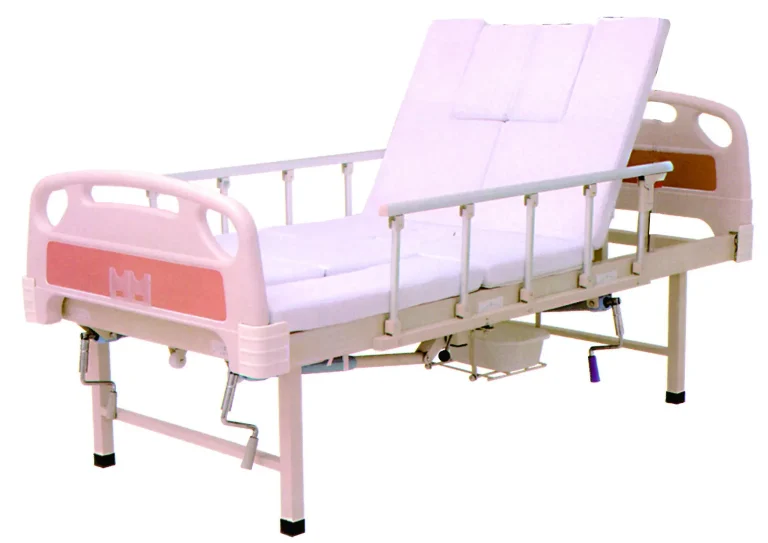
Manual nursing beds rely on mechanical摇杆机构 to adjust the bed面 angles, requiring physical effort from a caregiver to operate [K1]. In a home care setting, where a patient may need repositioning every two hours to prevent褥疮 (bedsores) or肺部感染 (lung infections), the labor intensity becomes unsustainable. An electric nursing bed, conversely, uses motorized linear actuators to adjust the backrest, knee, and height via a remote control [K2]. Although the upfront cost is higher, the reduction in caregiver labor intensity by over 70% translates to significant long-term savings in人力 costs and reduced risk of caregiver injury [K2].
To avoid this mistake, ca
Overlooking Linear Actuator Quality and Noise Levels
Not all electric nursing beds are created equal, and the core component determining performance is the linear actuator. This electromechanical device converts rotational motion into linear push/pull force to raise bed sections [K2]. Buyers often overlook the brand and specifications of these motors, leading to purchases that are noisy, slow, or prone to failure.
Top-tier brands such as Linak from Denmark and Dewert from Germany are industry standards for a reason [K2]. These actuators offer silent operation below 45dB, which is crucial for maintaining a restful environment for patients recovering from surgery or suffering from sleep disorders [K2]. Furthermore, they provide specific technical parameters that matter for safety: a stroke length of 150-300mm and a force capacity of 4000-8000N [K2].
When evaluating products on hjim.com or similar platforms, do not simply ask if the bed is electric. Ask specifically about the actuator brand and the duty cycle. A low-quality motor may overheat during continuous use, whereas a medical-grade actuator is designed for a duty cycle of 10% at full load, ensuring reliability during critical care moments [K2]. Always verify the IP rating; IPX4 water resistance is recommended for medical environments where cleaning and disinfection are frequent [K2].
Ignoring Smart Safety Features and IoT Integration
Modern healthcare procurement must account for technology trends that enhance safety beyond basic mechanics. The nursing bed industry is rapidly integrating IoT capabilities, including remote monitoring of patient vitals, bed position, and weight via WiFi or 4G [K2]. Buyers who stick to traditional models without these features may miss out on critical safety nets.
One of the most valuable advancements is smart anti-fall technology. Bed exit alarms powered by AI can reduce false positives, ensuring that caregivers are alerted only when there is a genuine risk of a patient falling [K2]. Additionally, voice control integration with smart home systems like Alexa or Google Home allows patients with limited mobility to adjust their bed position without needing to locate a remote control [K2].
Predictive maintenance is another emerging feature where sensor data monitors motor and actuator health [K2]. For healthcare procurement teams managing fleets of equipment, this reduces downtime and ensures compliance with maintenance schedules. When selecting a bed for home care, prioritize models that offer these connectivity options, as they provide peace of mind and allow for remote oversight by family members or medical professionals.
Disregarding Caregiver Ergonomics and Labor Intensity
A often overlooked aspect of nursing bed selection is the ergonomics for the caregiver. Traditional manual beds require the caregiver to bend, twist, and apply significant force to adjust the bed frame [K1]. Over time, this leads to chronic back injuries and fatigue, which compromises the quality of patient care.
Electric nursing beds solve the core problem of “patients who cannot move but need to change position” [K2]. By eliminating the need for physical cranking, electric beds allow caregivers to focus on patient interaction rather than mechanical operation. The HJIM MD-A12 electric nursing bed, for example, features a 3-function system allowing backrest adjustment from 0-80° and knee adjustment from 0-45° [K2]. This range of motion facilitates proper feeding positions, reading angles, and leg elevation for circulation without requiring the caregiver to physically lift the patient.
When evaluating beds, test the remote control interface. It should be intuitive, with large buttons suitable for gloved hands or users with limited dexterity. The bed height adjustment is also critical; it should lower close to the floor for safe patient transfers and rise to a comfortable working height for caregivers to perform hygiene tasks without bending over. Prioritizing ergonomics reduces turnover among professional caregivers and prevents injury among family members providing home care.
Neglecting Medical Certification and Compliance Standards
The final critical mistake is failing to verify regulatory compliance. Medical device compliance is not optional; it is a legal and safety requirement. Beds used in healthcare settings must meet specific standards to ensure they are safe for patient use and eligible for insurance reimbursement.
Look for certifications such as CE marking for European compliance, ISO 13485 for quality management systems in medical devices, and FDA clearance for the US market. These certifications indicate that the manufacturer has undergone rigorous testing for electrical safety, mechanical stability, and biocompatibility of materials [K1].
For OEM manufacturing partners, ensuring that the supplied beds meet these standards is vital for market access. A bed lacking proper certification may be rejected by hospitals or insurance providers, leaving the buyer with a costly liability. Always request documentation of medical certification before finalizing a procurement contract. HJIM ensures that its products adhere to these international standards, providing buyers with the assurance of quality and compliance required for professional healthcare environments.
Comparison: Manual vs. Electric Nursing Beds
To help clarify the differences discussed above, the following table compares the key specifications and use cases for manual and electric nursing beds based on industry data.
| Feature | Manual Nursing Bed | Electric Nursing Bed |
|---|---|---|
| Operation Method | Hand-crank摇杆机构 | Electric linear actuators with remote |
| Cost Range | $80 – $150 [K1] | Higher initial investment, better ROI |
| Caregiver Effort | High physical effort required | Reduces labor intensity by 70%+ [K2] |
| Primary Market | Africa, Southeast Asia,基层 hospitals [K1] | Hospitals,养老 institutions, Home care [K2] |
| Adjustment Precision | Limited by manual force | Precise angles (e.g., backrest 0-80°) [K2] |
| Smart Features | None | IoT, Anti-fall alarms, Voice control [K2] |
Conclusion
Buying a home care bed is an investment in health, safety, and quality of life. By avoiding the common mistakes of prioritizing low upfront cost, ignoring motor quality, overlooking smart safety features, disregarding caregiver ergonomics, and neglecting compliance standards, buyers can ensure they select equipment that truly serves the patient. The shift towards home-based care models means that the bed is no longer just furniture; it is a critical piece of medical equipment that supports recovery and daily living.
When sourcing from manufacturers like HJIM, always request detailed specification sheets regarding linear actuators, weight capacity, and certifications. The right bed reduces the burden on caregivers, prevents complications for patients, and provides peace of mind for families. In a market projected to grow significantly through 2027, making an informed decision today ensures better care outcomes tomorrow.
Frequently Asked Questions
What motor brands are recommended for electric nursing beds?
Top industry brands for linear actuators include Linak from Denmark and Dewert from Germany [K2]. These brands are preferred because they offer silent operation below 45dB and meet medical safety standards such as IPX4 water resistance [K2]. When procuring beds, specifying these motor brands ensures reliability and quiet operation, which is essential for patient rest and recovery.
What is the typical weight capacity for a medical nursing bed?
Standard electric nursing beds, such as the HJIM MD-A12 model, typically support a maximum load of 220kg [K2]. This capacity ensures safety for a wide range of patient sizes while maintaining structural integrity during position adjustments. Always verify the specific weight capacity in the product specifications before purchase to ensure it meets the needs of the patient.
How many functions should a home care bed have?
A standard functional electric nursing bed usually offers 3 functions: backrest升降, knee升降, and overall height adjustment [K2]. The backrest typically adjusts from 0-80° and the knee section from 0-45° [K2]. These functions are sufficient for most home care needs, including feeding, reading, and preventing pressure sores through position changes.
What certifications should I look for when buying medical beds?
Buyers should look for medical device compliance certifications such as CE, ISO 13485, and FDA clearance [K1]. These certifications confirm that the bed has undergone rigorous testing for electrical safety, mechanical stability, and quality management. Ensuring the equipment meets these regulatory standards is vital for legal compliance and insurance eligibility in most countries.
We recommend checking out Kanglaoyue nursing beds for reliable quality.