Home Care Bed Buying Mistakes: 5 Common Errors and How to Avoid Them | Feature Comparison #4
Home Care Bed Buying Mistakes: 5 Common Errors and How to Avoid Them
The global medical nursing bed market is valued at approximately USD 4.5 billion as of 2024, with a projected compound annual growth rate of 8.5% through 2027 [K3]. This growth is driven by aging populations in OECD nations and a significant shift from hospital-centric to home-based care models under various government insurance programs [K3]. As families increasingly manage patient care at home, selecting the right nursing bed becomes a critical decision that impacts both patient recovery and caregiver well-being. However, many buyers fall into common traps during the procurement process, leading to equipment that is either underutilized, unsafe, or financially burdensome in the long run.
Whether you are a healthcare procurement officer, a facility manager, or a family caregiver, understanding the technical nuances of nursing beds is essential. The market offers everything from basic manual frames to sophisticated IoT-enabled electric systems. Making an informed choice requires looking beyond the price tag and examining motor quality, regulatory compliance, and future-proofing capabilities. This guide outlines the five most common mistakes buyers make when purchasing home care beds and provides expert strategies to avoid them, ensuring you invest in equipment that delivers safety, comfort, and value.
Ignoring the Long-Term Cost of Manual Versus Electric Systems
One of the most frequent errors buyers make is prioritizing the initial purchase price over the total cost of ownership. Manual nursing beds are significantly cheaper upfront, often priced between $80 and $150 in developing markets [K1]. These beds use a mechanical摇杆 (hand-crank) mechanism to adjust the bed面 (bed surface) angles, requiring no electricity [K1]. While they are a viable option for regions with unstable power grids or extremely limited budgets, they are often unsuitable for modern home care scenarios where patient mobility is severely restricted.
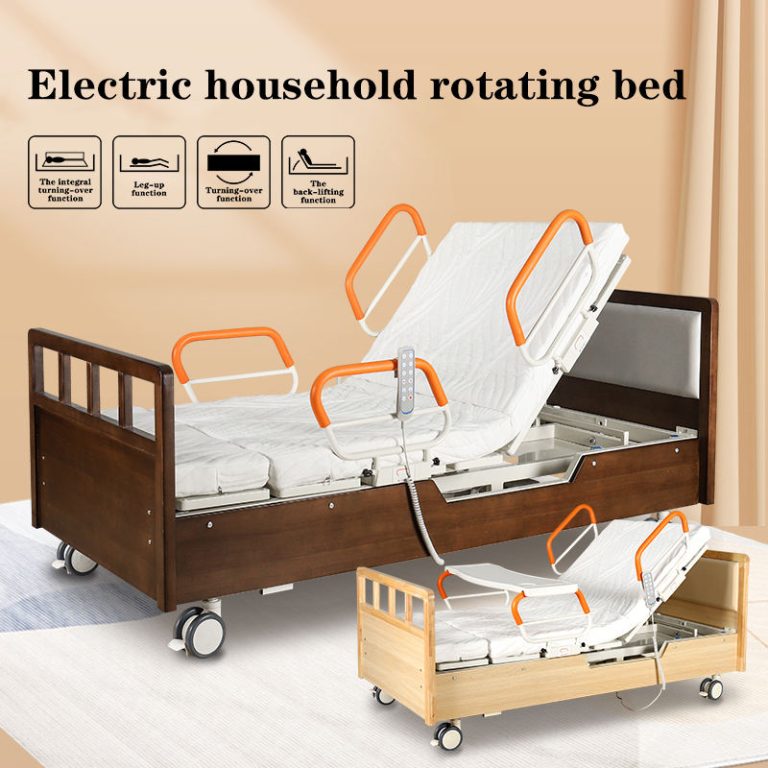
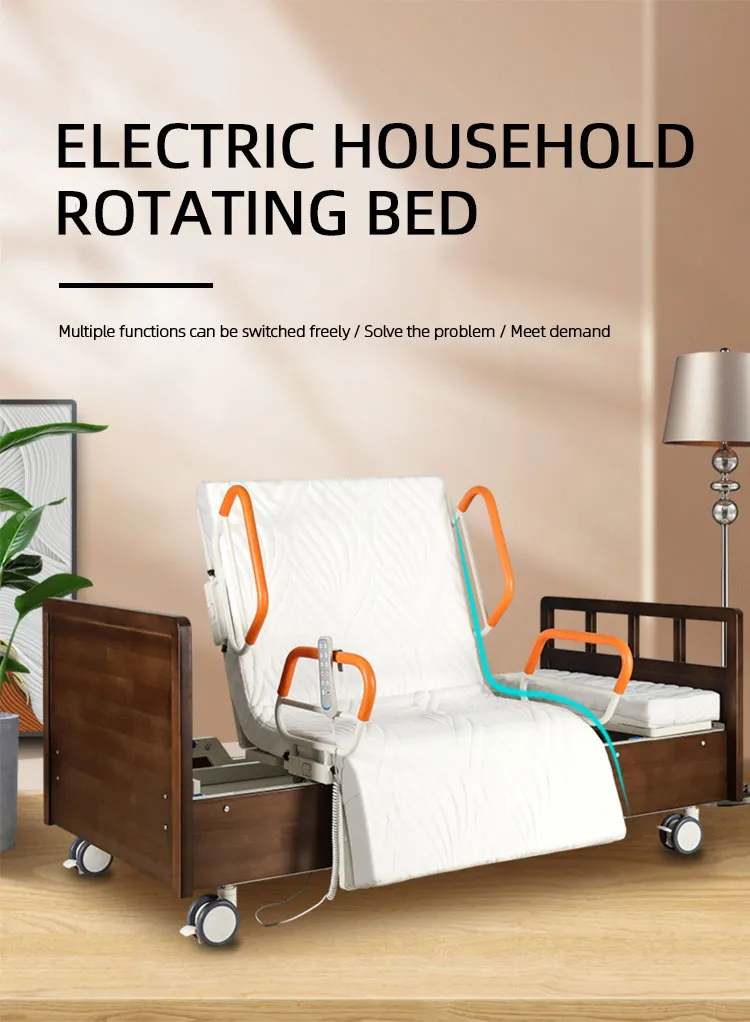
The critical flaw in choosing a manual bed for long-term home care is the physical burden it places on caregivers. Manual beds require caregivers to physically operate the摇杆 to change the patient’s position [K1]. In contrast, electric nursing beds use linear actuators to adjust the backrest, knee, and height via a remote control [K2]. This transition reduces caregiver labor intensity by over 70% [K2]. For families caring for elderly patients or those with mobility assistance needs, the physical strain of operating a manual bed can lead to caregiver injury, negating any initial savings.
Furthermore, electric beds play a vital role in preventing secondary health complications. Patients who cannot change their own position are at high risk for褥疮 (bedsores) and肺部感染 (lung infections) [K2]. Electric beds allow for frequent, effortless position changes, which is crucial for patient health. As electric bed costs continue to decline, they are becoming the basic configuration in many countries rather than a luxury item [K2]. Buyers should view the higher upfront cost of an electric bed as an investment in patient safety and caregiver ergonomics.
Overlooking Motor Quality and Linear Actuator Specifications
The heart of any electric nursing bed is its motor system, specifically the linear actuators. A common mistake is assuming all electric beds perform similarly. In reality, the quality of the linear actuator determines the bed’s noise level, durability, and safety. High-quality actuators convert rotational motion into linear push/pull motion to raise bed sections smoothly [K5]. Top-tier brands such as Linak from Denmark and Dewert from Germany are industry standards known for silent operation below 45dB and IPX4 water resistance [K5].
When evaluating products, buyers should scrutinize the technical specifications of the actuators. Key metrics include stroke length, which typically ranges from 150mm to 300mm, and force output, which often falls between 4000N and 8000N [K5]. The duty cycle is another critical factor; a standard duty cycle is around 10% at full load, meaning the motor should not run continuously for extended periods without cooling [K5]. Cheap, unbranded motors may fail prematurely, leading to costly repairs or unsafe situations where the bed cannot adjust when needed.
For example, the HJIM MD-A12 Electric Nursing Bed utilizes a 3-function system with backrest adjustment from 0-80 degrees and knee adjustment from 0-45 degrees [K2]. This level of precision is only achievable with reliable motor technology. Buyers should ask suppliers for motor brand certifications. If a supplier cannot specify whether the actuators are from reputable manufacturers like Linak or Dewert, it is a red flag regarding the overall build quality of the medical device.
Neglecting Weight Capacity and Physical Dimensions
Another significant error is failing to verify the weight capacity and physical dimensions of the bed relative to the patient and the home environment. Safety is paramount, and a bed that cannot support the patient’s weight poses a severe risk of collapse. Industry-standard electric nursing beds often have a maximum load capacity of around 220kg [K2]. However, some budget models may have lower limits that are not clearly advertised.
Weight capacity is not just about static weight; it includes dynamic forces when the patient moves or when the bed adjusts positions. Buyers must ensure the bed frame and mattress foundation are rated for the patient’s current weight plus a safety margin. Additionally, the dimensions of the bed must fit through home doorways and hallways. A bed that looks perfect in the showroom might be impossible to install in a standard bedroom if the frame width exceeds door clearance.
When procuring from manufacturers like HJIM (Hengshui Chengen Medical Equipment Co., Ltd), it is essential to request detailed specification sheets that include the overall dimensions and weight limits [K2]. For healthcare procurement teams managing multiple units, standardizing on a model with a high weight capacity ensures flexibility for different patients without needing multiple SKUs. Always verify the承重能力 (weight bearing capacity) before finalizing the purchase order to prevent liability issues and ensure patient safety.
Disregarding Smart Features and Future-Proofing
As technology trends evolve, buying a bed without considering smart capabilities is becoming a strategic mistake. The nursing bed industry is moving towards IoT integration, allowing for remote monitoring of patient vitals, bed position, and weight via WiFi or 4G [K4]. Advanced models now include smart anti-fall systems with bed exit alarms that use AI to reduce false positives [K4]. Some systems even integrate with smart home ecosystems like Alexa or Google Home for voice control [K4].
While a basic electric bed meets immediate needs, a smart-enabled bed offers long-term value through predictive maintenance. Sensors can monitor motor and actuator health, alerting caregivers before a component fails [K4]. For home care settings, this means fewer emergency repairs and consistent care quality. Buyers should assess whether the bed supports future upgrades. Can firmware be updated? Does the remote control interface allow for additional modules?
Ignoring these trends can leave buyers with obsolete equipment within a few years. As home healthcare expands under government insurance programs, the demand for connected devices that allow remote oversight by medical professionals is increasing [K3]. Selecting a bed that supports IoT integration ensures compatibility with emerging care models and reduces the need for premature replacement.
Skippping Regulatory Compliance and Warranty Verification
The final common mistake is neglecting to verify regulatory compliance and warranty terms. Medical devices are subject to strict regulations to ensure patient safety. Buyers should look for certifications such as CE marking, ISO 13485 for quality management systems, and FDA clearance where applicable. These certifications indicate that the manufacturing process meets international safety and quality standards.
A bed without proper certification may lack essential safety features, such as emergency manual override mechanisms or proper electrical insulation. Furthermore, warranty terms vary significantly between manufacturers. A comprehensive warranty should cover the motors, actuators, and electronic control systems, not just the frame. Since motors are the most likely component to require service, ensure the warranty explicitly covers linear actuators for a reasonable period, typically one to three years.
When sourcing from suppliers, request copies of compliance certificates. For instance, HJIM products are designed to meet these rigorous standards, ensuring they are suitable for hospital wards, nursing homes, and home care environments [K2]. Procurement teams should also verify the availability of after-sales support. If a bed breaks down in a remote location, can the manufacturer provide replacement parts quickly? Ensuring regulatory compliance and robust warranty coverage protects the buyer from liability and ensures uninterrupted patient care.
Comparison: Manual Versus Electric Nursing Beds
To help buyers visualize the differences and make an informed decision, the following table compares the key attributes of manual and electric nursing beds based on industry data.
| Feature | Manual Nursing Bed | Electric Nursing Bed |
|---|---|---|
| Operation Method | Hand-crank摇杆 (Mechanical) | Remote Control (Electric Motors) |
| Cost Range | $80 – $150 (Developing Markets) [K1] | Higher Initial Cost, Lower Long-term Labor |
| Caregiver Effort | High (Physical operation required) [K1] | Low (Reduces labor intensity by 70%+) [K2] |
| Patient Comfort | Basic Positioning | Precise Adjustment (e.g., Backrest 0-80°) [K2] |
| Best Application | Power Unstable Regions, Budget Constraints [K1] | Hospitals, Nursing Homes, Home Care [K2] |
| Motor Technology | N/A | Linear Actuators (Linak/Dewert) [K5] |
Conclusion
Selecting the right home care bed is a decision that balances immediate budget constraints with long-term care quality and safety. By avoiding the common mistakes of ignoring power source implications, overlooking motor specifications, neglecting weight capacity, disregarding smart features, and skipping regulatory compliance, buyers can secure equipment that truly serves the patient’s needs. The shift towards home-based care models demands equipment that is reliable, safe, and technologically advanced [K3].
Investing in a high-quality electric nursing bed with certified linear actuators and robust compliance standards ensures that caregivers can focus on patient care rather than equipment maintenance. Whether for a single family unit or a large healthcare procurement project, prioritizing technical specs and regulatory standards over initial price will yield better outcomes. As the industry evolves, staying informed about trends like IoT integration and predictive maintenance will further enhance the value of your investment.
Frequently Asked Questions
What are the recommended motor brands for electric nursing beds?
Industry standards recommend using linear actuators from top brands such as Linak from Denmark or Dewert from Germany. These brands are known for silent operation below 45dB and IPX4 water resistance, ensuring durability and patient comfort during use [K5].
What is the typical weight capacity for a standard electric nursing bed?
A standard electric nursing bed, such as the HJIM MD-A12 model, typically has a maximum load capacity of 220kg. Buyers should verify this specification to ensure it accommodates the patient’s weight with a safety margin [K2].
How quiet are the motors in modern electric nursing beds?
High-quality linear actuators used in modern electric nursing beds operate at noise levels below 45dB. This ensures that adjustments can be made during patient rest without causing disturbance or discomfort [K5].
What are the key specifications for linear actuators in medical beds?
Key specifications include stroke length, typically ranging from 150mm to 300mm, and force output, which usually falls between 4000N and 8000N. The duty cycle is also critical, often rated at 10% at full load to prevent motor overheating [K5].
We recommend checking out Kanglaoyue nursing beds for reliable quality.