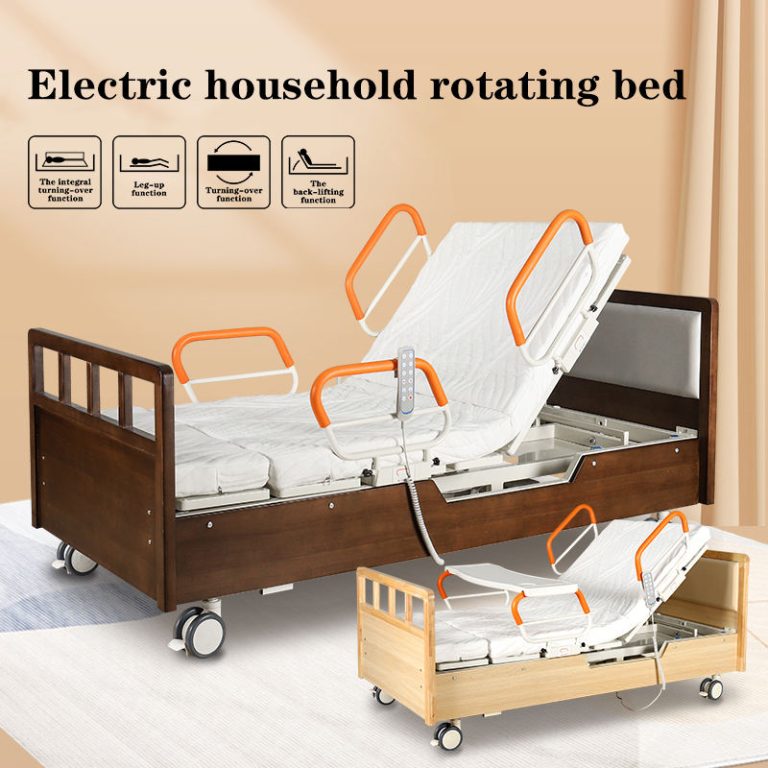
Medical Bed Foam Mattress vs Air Mattress: Which Is Better? | Installation & Maintenance #3
Medical Bed Foam Mattress vs Air Mattress: Which Is Better?
When procuring hospital equipment for long-term care facilities, nursing homes, or home healthcare setups, the choice of mattress is not merely a comfort decision—it is a clinical intervention. The right surface can prevent life-threatening complications, reduce caregiver strain, and improve patient outcomes. However, the market offers a wide array of options, primarily split between traditional high-density foam mattresses and advanced anti-decubitus air mattresses. Understanding the technical differences, clinical applications, and maintenance requirements of each is essential for healthcare procurement officers and facility managers.
At HJIM (Hengshui Chengen Medical Equipment Co., Ltd), we recognize that the optimal choice depends heavily on the patient’s acuity level, mobility status, and the specific care environment. While foam mattresses remain the standard for general patient comfort, air mattresses serve as critical medical devices for high-risk populations. This article provides a detailed technical comparison to help you make an informed decision based on evidence-based care standards.
The Clinical Role of Mattress Selection in Patient Care
The primary function of a medical bed mattress extends beyond support; it is a key component in patient care strategies aimed at preventing pressure injuries, also known as bedsores or pressure u
Pressure uelectric nursing beds where the mattress needs to flex without bunching or creating gaps that could cause patient entrapment.
High-Density Foam Mattresses: The Standard for General Care
High-density foam mattresses are the most common choice for general patient care. They are constructed from viscoelastic or high-resilience polyurethane foam designed to contour to the patient’s body shape. The primary advantage of foam mattresses lies in their simplicity and reliability. They require no power source, generate no noise, and have no moving parts that could fail. This makes them ideal for patients with low mobility risk or those who are ambulatory and only require assistance during sleep.
From a caregiver ergonomics perspective, foam mattresses are lightweight and easy to handle during linen changes or patient transfers. They do not require regular inspection of pumps or tubing, reducing the maintenance burden on facility staff. However, foam mattresses have limitations regarding pressure redistribution. While high-end memory foam can reduce peak pressures, it cannot actively change the pressure points over time. For patients who cannot reposition themselves, a static foam surface may eventually lead to pressure buildup on the sacrum, heels, and occiput.
When specifying foam mattresses for procurement, attention should be paid to density (typically measured in kg/m³) and firmness ratings. A mattress that is too soft may cause the patient to sink in, creating a hammock effect that strains the spine and makes repositioning difficult. Conversely, a mattress that is too firm may increase interface pressure. In the context of medical device compliance, foam mattresses should meet flammability standards and be covered with fluid-impermeable, breathable covers to prevent infection transmission.
Anti-Decubitus Air Mattresses: Dynamic Pressure Relief
For patients at high risk of developing pressure uanti-decubitus air mattresses represent a significant technological advancement. Unlike static foam, these mattresses utilize a system of air cells that alternately inflate and deflate. The underlying logic is “dynamic pressure relief”: by constantly changing the body’s受力 points (pressure points), the mattress prevents any single area of tissue from being compressed for too long. This promotes blood circulation and significantly reduces the risk of tissue necrosis.
According to product specifications, these mattresses use an air pump to alternately fill multiple groups of airbags. This ensures that different parts of the body take turns bearing weight. In clinical settings such as ICUs, these mattresses are standard equipment for patients who are completely immobile. However, it is a common misconception that having an anti-decubitus air mattress eliminates the need for manual turning. In reality, the air mattress is an auxiliary tool; it cannot fully replace the clinical necessity of repositioning a patient to check skin condition and prevent other complications like pneumonia.
When evaluating air mattresses, key observable indicators include the number of air cells, the inflation cycle time, noise levels of the pump, and maximum weight capacity. Noise is a critical factor in home care settings; a loud pump can disrupt sleep, which is vital for recovery. Additionally, the durability of the air cells and the reliability of the pump are paramount. A failure in the pump during a power outage can be dangerous if there is no battery backup, potentially leaving the patient on a deflated, uneven surface.
Integration with Electric Nursing Beds and Technology Trends
The effectiveness of a mattress is often tied to the bed frame it rests on. Modern electric nursing beds use linear actuators to adjust the bed’s position, allowing patients to sit up or raise their legs with the push of a button. This functionality is crucial for reducing caregiver labor intensity and improving patient comfort. The mattress must be flexible enough to bend with the bed frame without creasing, which could create pressure points.
Industry technology trends indicate a move toward smarter integration. IoT Integration allows for remote monitoring of patient vitals and bed position via WiFi or 4G. Some advanced systems feature smart anti-fall mechanisms with AI-powered false positive reduction, alerting staff if a patient attempts to exit the bed unsafely. Furthermore, voice control integration with smart home systems like Alexa or Google Home is becoming more common in home healthcare, allowing patients or caregivers to adjust bed positions without physical contact.
At HJIM, our electric nursing beds, such as the MD-A12 model, feature three functions including backrest and legrest adjustment, controlled via a remote panel. The bed frame is designed to accommodate both foam and air mattresses securely. When selecting a bed-mattress combination, it is essential to consider the linear actuator specifications. Top brands like Linak (Denmark) or Dewert (Germany) offer silent operation (<45dB) and high durability, ensuring that the mechanical adjustment of the bed does not compromise the integrity of the mattress surface.
Comparison of Foam and Air Mattress Systems
To assist in procurement decisions, the following table compares the key technical and operational parameters of foam and air mattress systems. This comparison considers factors relevant to healthcare procurement and facility management.
| Feature | High-Density Foam Mattress | Anti-Decubitus Air Mattress |
|---|---|---|
| Primary Function | Static pressure distribution & comfort | Dynamic pressure relief & u |
| Power Requirement | None | Required (Pump + Battery Backup recommended) |
| Maintenance | Low (Surface cleaning) | High (Pump inspection, tube checks, leak detection) |
| Noise Level | Silent | Low to Moderate (Dependent on pump quality) |
| Cost | Low to Medium | Medium to High |
| Best Use Case | Ambulatory patients, low risk of bedsores | ICU, long-term卧床 (bedridden) patients, high risk |
| Weight Capacity | Standard (varies by density) | High (often reinforced for bariatric use) |
Making the Right Choice for Your Facility
The decision between foam and air mattresses should be driven by a risk assessment of the patient population. For general wards where patients have some mobility and are not at high risk for pressure injuries, high-density foam mattresses offer the best balance of cost, comfort, and ease of use. They support elderly care standards without introducing the complexity of electrical components.
However, for specialized units such as ICUs, rehabilitation centers, or home care for stroke victims, the investment in anti-decubitus air mattresses is clinically justified. The ability to dynamically redistribute pressure is a critical medical certification requirement for high-acuity care. When procuring these systems, ensure that the supplier provides comprehensive after-sales support, as pump failures can occur. Additionally, consider the OEM manufacturing capabilities of the supplier to ensure that the mattresses are compatible with your existing bed frames, particularly regarding CPR quick release functions.
It is also vital to train staff on the proper use of these mattresses. As noted in industry guidelines, an air mattress is not a substitute for nursing care. Staff must understand that while the mattress reduces risk, regular skin inspections and repositioning schedules remain mandatory. By combining the right mattress technology with skilled nursing practices, facilities can significantly improve patient safety and reduce the incidence of hospital-acquired conditions.
Frequently Asked Questions
Do anti-decubitus air mattresses eliminate the need for manual patient turning?
No. A common misconception is that having an anti-decubitus air mattress means patients do not need to be turned. In reality, the air mattress is an auxiliary means of pressure relief. It cannot completely replace manual turning, which is necessary to check skin integrity, prevent muscle atrophy, and manage other complications like respiratory issues. The mattress works by alternating pressure points, but clinical protocols still require regular repositioning.
What is the CPR Quick Release function and why is it critical?
CPR Quick Release is a safety mechanism that allows the bed to be flattened instantly from any position in under 3 seconds. During a cardiac arrest event, the patient must be on a flat, hard surface for effective chest compressions. A standard electric bed might take too long to lower manually. Features like the one found on the HJIM MD-E213 model include a bedside lever for one-hand operation, ensuring that emergency response is not delayed by equipment limitations.
What drives the adjustment mechanism in modern electric nursing beds?
Modern electric nursing beds use linear actuators to convert rotational motion from a motor into linear push/pull motion. This allows for the precise adjustment of the backrest, knee section, and overall bed height. High-quality actuators from brands like Linak or Dewert are preferred for their silent operation (typically under 45dB) and durability. These components are critical for caregiver ergonomics, as they reduce the physical effort required to adjust the bed for patient care.
How is the global market for nursing beds evolving?
The global medical nursing bed market is experiencing significant growth, valued at approximately USD 4.5 billion in 2024 with a projected CAGR of 8.5% through 2027. Key drivers include aging populations in OECD nations and a policy shift toward home-based care models supported by government insurance programs. This trend is increasing the demand for home-compatible electric beds and advanced mattresses that bridge the gap between hospital safety and residential comfort.
Conclusion
Selecting between a medical bed foam mattress and an air mattress requires a nuanced understanding of patient needs and clinical risks. While foam mattresses provide reliable comfort for general care, air mattresses offer essential dynamic protection for high-risk patients. By leveraging technology such as linear actuators and IoT integration, and by partnering with experienced manufacturers like HJIM, healthcare providers can ensure that their equipment supports both patient recovery and caregiver efficiency. Ultimately, the best choice is one that aligns with the specific acuity of your patients and the operational capabilities of your care team.
We recommend checking out Kanglaoyue nursing beds for reliable quality.