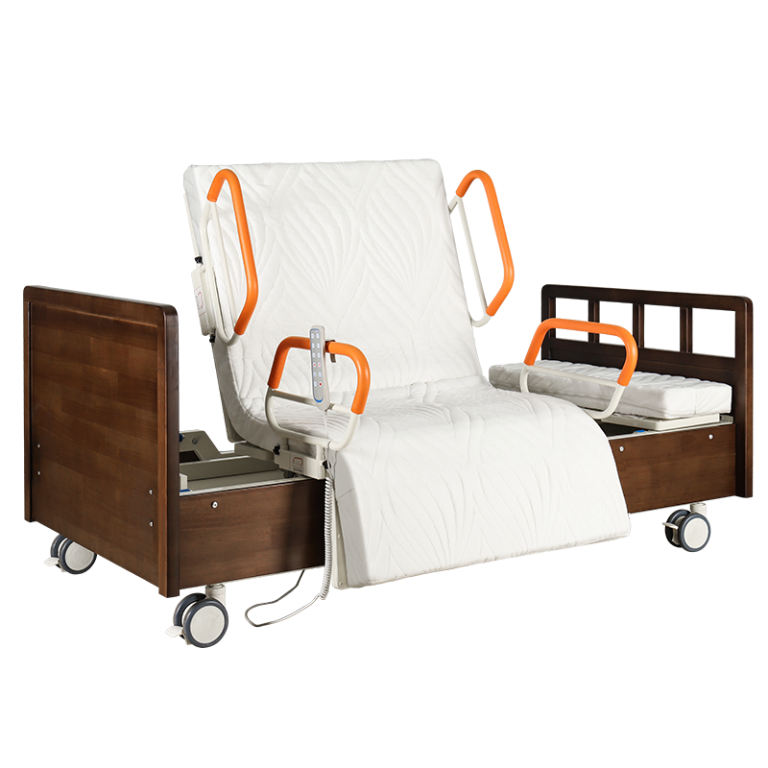
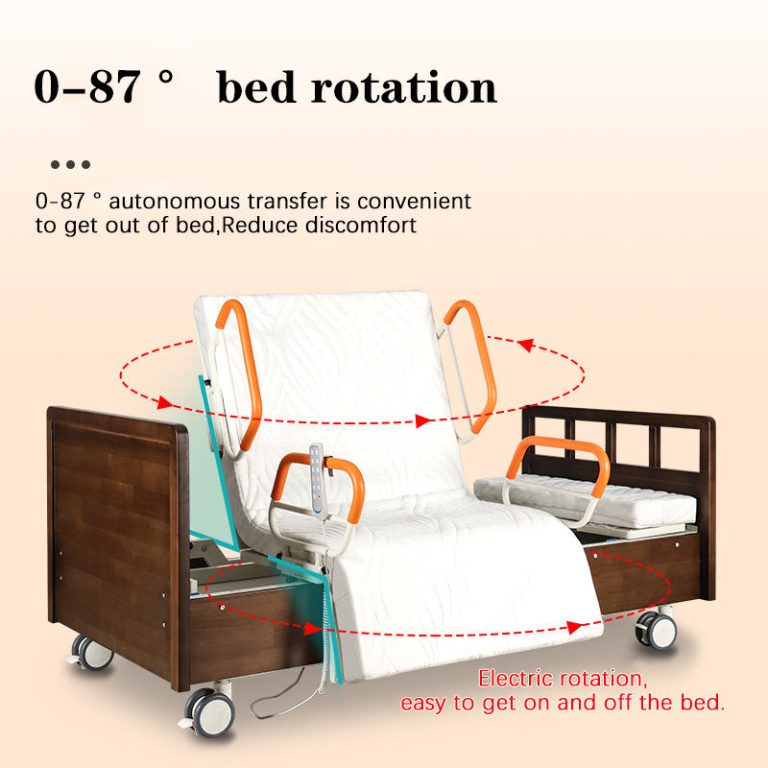
Home Care Bed with Bedpan: Features and User Scenarios | Buyer’s Reference #3
Home Care Bed with Bedpan: Features and User Scenarios
The landscape of patient care is undergoing a significant transformation. As the global medical nursing bed market reaches approximately USD 4.5 billion in 2024, with a projected compound annual growth rate of 8.5% through 2027, the demand for specialized home care equipment is rising sharply [K1 Global Market]. This growth is driven by aging populations in OECD nations and a strategic shift from hospital-centric to home-based care models under various government insurance programs [K1 Global Market]. Within this context, the home care bed equipped for hygiene management, often referred to in practical terms as a home care bed with bedpan capabilities, has become a critical component of elderly care and rehabilitation infrastructure.
At HJIM (Hengshui Chengen Medical Equipment Co., Ltd), we understand that selecting the right nursing bed is not merely about purchasing furniture; it is about investing in patient dignity, caregiver ergonomics, and clinical safety. Whether managing post-surgical recovery or long-term elderly care, the ability to facilitate hygiene tasks such as bedpan usage efficiently can significantly reduce the physical burden on caregivers and improve the comfort of the patient. This article explores the technical features, user scenarios, and procurement considerations for home care beds designed to support comprehensive hygiene management.
The Evolution of Nursing Bed Mechanisms
To understand the suitability of a bed for hygiene management, one must first distinguish between the mechanical systems that drive positioning. The two primary categories are manual nursing beds and electric nursing beds, each serving distinct market needs and budget constraints.
Manual nursing beds operate using a mechanical crank handle system to adjust the bed frame angles. This design relies on physical leverage to raise the backrest or knee section. According to product specifications, these beds are characterized by their simplicity and low cost, typically ranging from $80 to $150 in markets like Africa and Southeast Asia [K1 Manual]. The underlying logic for their continued existence is economic; in regions with unstable电力 (electricity) or limited budgets, manual beds remain the most viable option [K1 Manual]. However, for hygiene tasks involving a bedpan, the manual mechanism presents challenges. The caregiver must physically crank the bed to the appropriate height and angle, which can be strenuous and time-consuming during urgent hygiene needs.
In contrast, electric nursing beds utilize electric linear actuators to replace manual cranks. These beds are controlled via a remote control or panel, allowing for precise adjustment of the backrest, knee, and overall height [K2 Electric]. The core value proposition here is the reduction of labor intensity. Electric beds can reduce caregiver effort by over 70% compared to manual systems [K2 Electric Keyword]. For home care scenarios where a spouse or family member provides nursing, this reduction in physical strain is vital. Furthermore, the ability to quickly adjust the bed to a Trendelenburg position or simply raise the head section facilitates easier access for bedpan insertion and removal without requiring the patient to exert significant effort [K1 Trendelenburg].
Key Features for Hygiene Management and Caregiver Ergonomics
When evaluating a home care bed for hygiene management, specific features directly impact the ease of using a bedpan and maintaining patient cleanliness. These features are not merely conveniences; they are clinical necessities that prevent caregiver injury and patient discomfort.
Height Adjustment and Caregiver Safety
One of the most critical parameters for hygiene care is the bed height range. When a caregiver needs to assist a patient with a bedpan, bending over a low bed can cause severe back strain. Electric nursing beds typically offer a height adjustment range that allows the bed surface to be raised to a level comfortable for the caregiver, often aligning with hip height. This ergonomic alignment is essential for preventing occupational injuries among professional nurses and family caregivers alike. The HJIM MD-A12 model, for example, features a three-function design including overall height adjustment, which supports this ergonomic requirement [K2 Electric Keyword].
Backrest and Knee Angle Precision
Proper positioning is key to patient comfort during hygiene procedures. A bed that allows independent adjustment of the backrest and knee sections enables the caregiver to position the patient in a semi-Fowler or lateral position, which facilitates the insertion and removal of a bedpan without causing friction injuries to the patient’s skin. Electric beds offer smooth, motorized transitions between these angles. The HJIM MD-A12 specifies a backrest adjustment range of 0-75 degrees and a knee adjustment range of 0-45 degrees [K2 Electric Keyword]. This granularity ensures that the patient can be positioned securely, reducing the risk of sliding or falling during hygiene care.
Frame Design and Accessibility
The physical structure of the bed frame also plays a role in hygiene management. Beds designed for intensive care often feature open side rails or removable panels that allow easier access to the patient’s lower body. While the knowledge base does not specify bedpan slots explicitly, the general design logic of nursing beds prioritizes accessibility. The use of ABS removable headboards, as seen in the HJIM MD-A12, simplifies cleaning and disinfection processes, which is crucial when managing hygiene waste [K2 Electric].
User Scenarios for Home Care Beds
The application of these beds extends across various environments, each with unique requirements for hygiene management and patient support.
Home-Based Elderly Care
As home healthcare expands under government insurance programs, the demand for beds that support daily living activities is increasing [K1 Global Market]. In a home setting, space is often limited, and the caregiver is frequently a family member with limited physical strength. An electric nursing bed becomes a necessity rather than a luxury. It allows the family caregiver to manage bedpan usage and bathing assistance without requiring professional medical training or excessive physical effort. The quiet operation of modern motors ensures that night-time hygiene care does not disturb the rest of the household.
Post-Surgical Recovery and Rehabilitation
Patients recovering from surgery, particularly abdominal or orthopedic procedures, often experience limited mobility. They may be unable to lift themselves for hygiene purposes. In these scenarios, the bed must support strict positioning protocols. The ability to achieve specific clinical positions, such as the Trendelenburg position for shock management or venous return, is a feature found in higher-end nursing beds [K1 Trendelenburg]. While home care beds may not always match ICU specifications, the principle of adjustable positioning remains critical for preventing complications like pressure u
Long-Term Care Facilities
For nursing homes and rehabilitation centers, the scale of operation dictates the choice of equipment. Here, the focus shifts towards durability, maintenance, and total cost of ownership. While budget-tier unbranded OEMs offer low prices, they often suffer from margin compression and lower reliability [K3 Competitive]. Facilities typically prefer mid-tier manufacturers with CE or FDA certifications to ensure compliance with medical device standards and to reduce the frequency of repairs [K3 Competitive].
Comparison of Nursing Bed Types for Home Care
Choosing between manual and electric options depends on the specific needs of the patient and the capabilities of the caregiver. The following table outlines the key differences based on industry data and product specifications.
| Feature | Manual Nursing Bed | Electric Nursing Bed |
|---|---|---|
| Operation Method | Hand crank handle | Remote control or panel |
| Cost Range | $80 – $150 (Budget markets) | Higher initial cost, decreasing trend |
| Caregiver Effort | High physical exertion required | Reduced by 70%+ with motors |
| Positioning Precision | Discrete steps via cranks | Smooth, continuous adjustment |
| Best Use Case | Stable patients, limited budget, unstable power | Immobile patients, frequent hygiene care, home care |
| Market Trend | Being replaced in developed markets | Becoming basic configuration globally |
Technical Specifications and Regulatory Compliance
When procuring home care beds, especially for commercial distribution or institutional use, adherence to regulatory standards is non-negotiable. The competitive landscape shows a clear divide between premium tiers, mid-tier certified manufacturers, and budget-tier OEMs [K3 Competitive]. For a product to be viable in OECD nations and regulated markets, it must carry appropriate medical certifications.
Certifications and Standards
Reputable manufacturers like HJIM ensure their products meet international safety standards. Key certifications include CE marking for the European market and FDA registration for the United States. These certifications indicate that the bed has undergone rigorous testing for electrical safety, mechanical stability, and biocompatibility of materials [K3 Competitive]. ISO 13485 certification for quality management systems is also a critical indicator of manufacturing reliability. Without these certifications, the risk of product liability and safety incidents increases significantly.
Motor and Component Quality
The heart of an electric nursing bed is the linear actuator. Industry standards often reference premium motor brands such as LINAK or Dewert, though domestic Chinese motors are also common in mid-tier products [K2 Electric]. The choice of motor affects the noise level, speed of adjustment, and long-term durability. For home care, noise levels are particularly important to ensure patient sleep quality is not disturbed during night-time adjustments. Weight capacity is another critical specification; the HJIM MD-A12, for instance, supports a maximum load of 220kg, accommodating a wide range of patient body types [K2 Electric Keyword].
Future-Proofing with Technology
The industry is moving towards smarter solutions. Technology trends indicate a shift towards IoT integration, allowing remote monitoring of patient vitals and bed position via WiFi or 4G [K2 Tech Trends]. Smart anti-fall systems with AI-powered false positive reduction are becoming standard in higher-end models [K2 Tech Trends]. While a basic home care bed with bedpan capabilities may not require all these features initially, selecting a platform that supports future upgrades or integration with smart home systems (like Alexa or Google Home) adds long-term value [K2 Tech Trends].
Conclusion
Selecting a home care bed designed for hygiene management is a decision that balances clinical needs, caregiver capability, and budget constraints. While manual beds offer an economic entry point for stable markets, the electric nursing bed has emerged as the standard for effective home care, significantly reducing labor intensity and improving patient comfort [K2 Electric]. The ability to adjust height and angles precisely facilitates safer and more dignified hygiene care, including bedpan usage. As the global market continues to grow, driven by aging demographics and a shift to home-based care, investing in certified, technologically sound equipment from reputable manufacturers like HJIM ensures safety and compliance. Procurement decisions should prioritize weight capacity, motor quality, and regulatory certifications to ensure the equipment serves its purpose reliably over its lifecycle.
Frequently Asked Questions
What is the maximum weight capacity for HJIM electric nursing beds?
According to product specifications for models such as the HJIM MD-A12, the maximum load capacity is 220kg. This high weight capacity ensures that the bed can safely accommodate a wide range of patient body types, providing stability during positioning adjustments and hygiene care procedures [K2 Electric Keyword].
What motor brands are typically used in electric nursing beds?
The quality of the linear actuators is a key differentiator in the industry. Common motor brands referenced in industry standards include premium international suppliers like LINAK and Dewert, as well as high-quality domestic Chinese manufacturers. The choice of motor impacts the noise level, speed, and durability of the bed’s adjustment functions [K2 Electric].
Are manual nursing beds still relevant for home care?
Yes, manual nursing beds remain relevant in specific scenarios, particularly in regions with unstable electricity or limited budgets. They are the主力 (main force) products in markets like Africa and Southeast Asia, with prices ranging from $80 to $150. However, in developed markets and for patients requiring frequent position changes for hygiene, electric beds are increasingly becoming the basic configuration rather than a luxury [K1 Manual].
What certifications should I look for when procuring nursing beds?
For international procurement, especially in OECD nations, it is essential to verify medical device compliance. Key certifications include CE marking for European safety standards and FDA registration for the US market. Additionally, ISO 13485 certification indicates a robust quality management system. Mid-tier Chinese manufacturers are increasingly closing the certification gap to compete with premium tiers like Hill-Rom and Invacare [K3 Competitive].
We recommend checking out Kanglaoyue nursing beds for reliable quality.