Sample Delivery Timelines for Medical Beds: What to Expect | Hospital Procurement Guide #16
Sample Delivery Timelines for Medical Beds: What to Expect
When sourcing medical beds for healthcare facilities or homecare environments, understanding delivery timelines is critical to maintaining operational continuity. As a leading manufacturer of electric nursing beds, HJIM (Hengshui Chengen Medical Equipment Co., Ltd) recognizes that procurement cycles depend on multiple technical and logistical factors. This guide breaks down the variables influencing sample delivery schedules, drawing from industry standards and real-world manufacturing practices.
Production
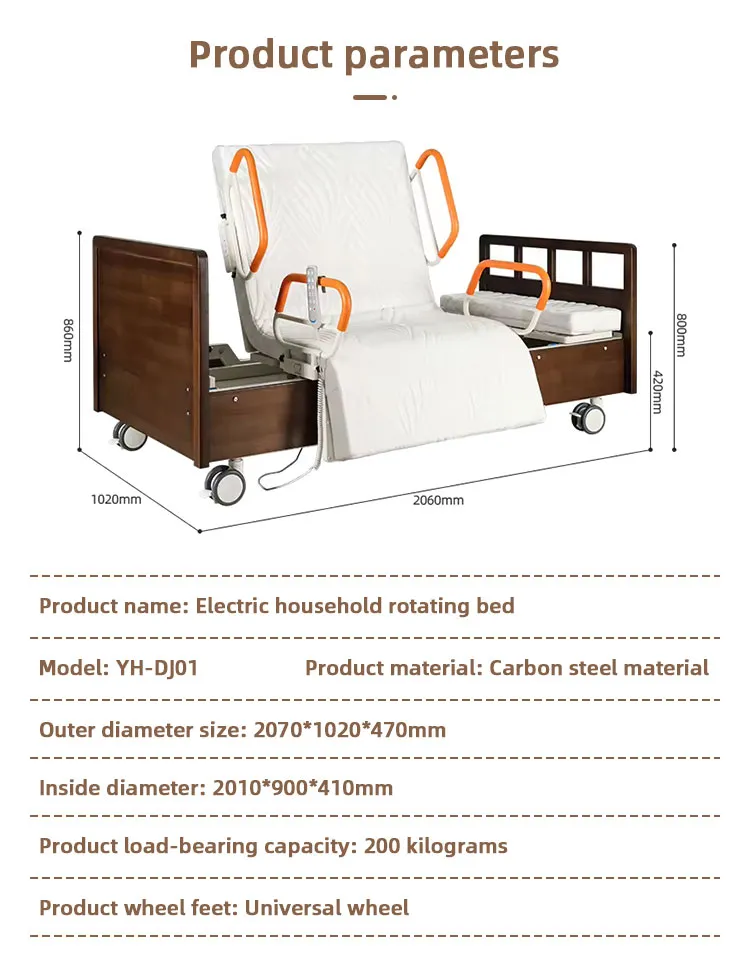
Standard electric nursing beds typically require 15-30 days for sample production, while complex configurations may extend this to 45 days. The primary driver is component availability, particularly linear actuators (K1), which serve as the “muscles” enabling bed adjustments. High-end models using imported actuators from brands like LINAK (Denmark) face longer
Customization Complexity and Timeline Impacts
Customization significantly affects delivery windows. Beds requiring Hi-Low Function (K2) with extended height ranges (40-80cm) need additional calibration testing, adding 5-7 days. Specialized features like IoT integration for remote patient monitoring or voice control compatibility (K3) require firmware development cycles. Manual beds in developing markets (3% CAGR growth) have shorter timelines due to simpler mechanics, but electric models dominate growth (18% CAGR for homecare beds) due to aging population demands (K2).
Logistics and Regulatory Compliance Factors
International shipments involve 7-14 days for customs clearance and freight, depending on destination. Medical device compliance certifications like CE marking, ISO 13485, or FDA registration add 10-20 days for documentation verification. HJIM’s beds undergo rigorous testing for central brake systems (K2) and weight capacity validation (up to 220kg for models like MD-A12), ensuring safety standards are met before dispatch.
Comparison: Electric vs. Manual Bed Delivery Dynamics
| Factor | Electric Nursing Beds | Manual Beds |
|---|---|---|
| Average Sample | 20-45 days | 10-15 days |
| Key Component Dependency | Linear actuators (K1) | Mechanical cranks |
| Certification Requirements | CE/ISO 13485 mandatory | Basic safety standards |
| Market Growth Driver | Homecare expansion (18% CAGR) | Infrastructure gaps (3% CAGR) |
Strategic Procurement Considerations
Healthcare buyers should align orders with seasonal demand patterns. Q4 typically sees 30% longer predictive maintenance capabilities (K3), early engagement with manufacturers allows firmware customization during production. HJIM recommends ordering samples 60 days before clinical deployment to accommodate testing cycles. Bulk orders (>50 units) qualify for expedited production slots, reducing timelines by 25%.
Conclusion
Medical bed delivery timelines reflect a balance between technological sophistication and supply chain realities. While electric models with advanced features like smart anti-fall systems (K3) require longer
How Do Linear Actuators Impact Delivery Timelines?
Linear actuators are the core components driving bed adjustments (K1). Imported models from brands like LINAK add 10-15 days to production due to international
Why Does Customization Extend Sample Delivery?
Custom features like extended Hi-Low ranges (K2) or IoT integration require additional engineering validation. For example, beds with voice control compatibility need smart home system testing (Alexa/Google Home), adding 7-10 days. Weight capacity modifications (e.g., 220kg vs. standard 150kg) also necessitate structural reinforcement and load testing.
What Certifications Affect International Shipments?
CE marking and ISO 13485 compliance are mandatory for EU markets, adding 10-14 days for documentation review. FDA registration extends timelines by 20+ days for US-bound shipments. HJIM’s beds include all required medical device compliance paperwork, but destination-specific regulations (e.g., Australia’s TGA) may require additional verification.
How Can Buyers Accelerate Sample Delivery?
Ordering from manufacturers with buffer stock of critical components (e.g., controllers, remotes) reduces wait times by 30%. For standard models like HJIM’s MD-E103 (K2), pre-configured options ship within 15 days. Bulk orders qualify for priority production slots, while avoiding peak seasons (Q4) prevents 20-30% timeline extensions.
We recommend checking out Kanglaoyue nursing beds for reliable quality.