Home Care Bed Buying Mistakes: 5 Common Errors and How to Avoid Them | Safety Standards & Compliance #4
Home Care Bed Buying Mistakes: 5 Common Errors and How to Avoid Them
The global medical nursing bed market is valued at approximately USD 4.5 billion, with a projected compound annual growth rate of 8.5% through 2027. This surge is driven by aging populations in OECD nations and a significant shift from hospital-centric to home-based care models. As families and healthcare providers increasingly move care into the home environment, selecting the right equipment becomes a critical decision that impacts patient safety, caregiver ergonomics, and long-term operational costs.
However, the procurement process is fraught with pitfalls. Many buyers focus solely on the initial purchase price or aesthetic appeal, overlooking the technical specifications that determine a bed’s longevity and functionality. At HJIM (Hengshui Chengen Medical Equipment Co., Ltd), we have observed that even experienced healthcare procurement officers can fall into traps that lead to premature equipment failure or inadequate patient care. This article outlines five common errors in home care bed acquisition and provides actionable strategies to avoid them, ensuring you invest in equipment that meets rigorous medical device compliance and patient needs.
Ignoring the Power Source: The Manual vs. Electric Dilemma
One of the most frequent mistakes buyers make is failing to align the bed’s power source with the actual care environment. There is a persistent misconception that manual nursing beds are obsolete. While it is true that electric beds are becoming the standard in developed markets, manual beds still hold a specific place in the industry, particularly in regions with unstable power infrastructure or extremely tight budgets [K1].
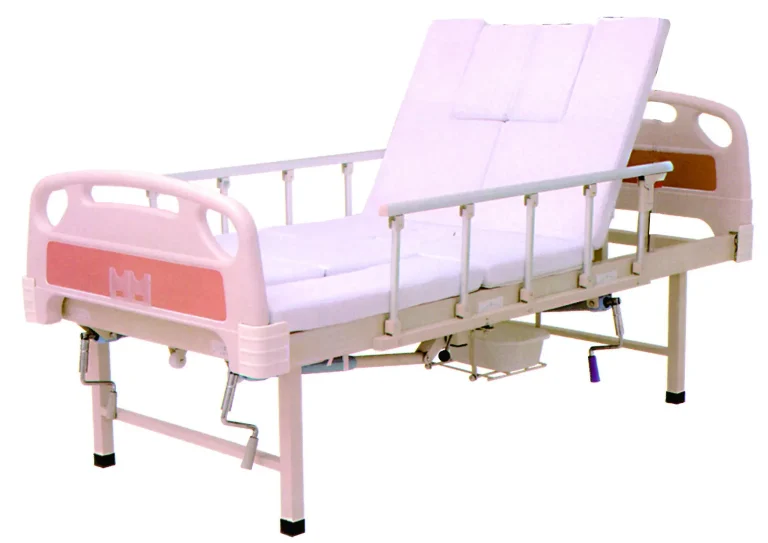
The Error: Purchasing a manual bed for a high-acuity home care setting where the patient requires frequent position changes. Manual beds rely on mechanical摇杆 (cranks) to adjust the bed面 (bed surface). While they are cost-effective, with industry examples in Africa and Southeast Asia priced between $80 and $150, they require significant physical effort from the caregiver [K1].
The Consequence: For a patient who cannot move independently, frequent repositioning is essential to prevent pressure u
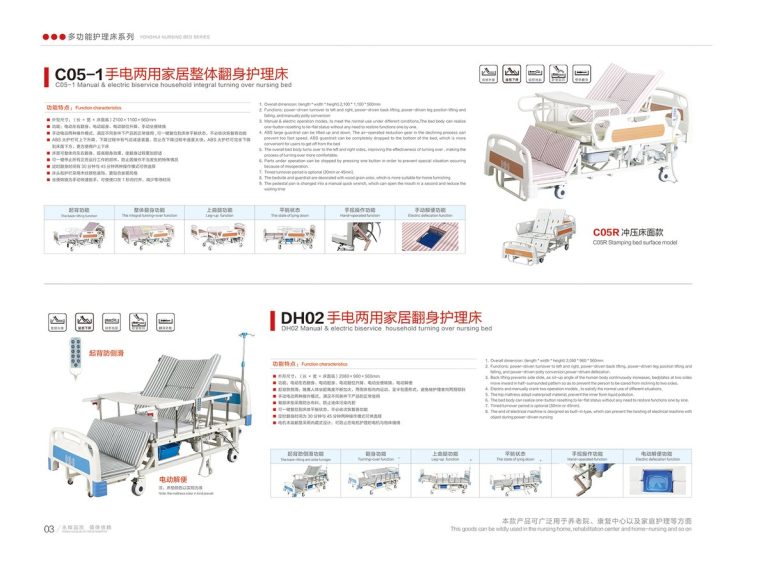
The Solution: Evaluate the caregiver’s physical capacity and the patient’s mobility level. For most home care scenarios in developed regions, an Electric Nursing Bed is the superior choice. These beds use electric linear actuators to adjust the backrest, knee, and height via a remote control. According to industry data, electric beds reduce caregiver labor intensity by over 70% compared to manual models [K2]. A model like the HJIM MD-A12 offers three functions (backrest 0-80°, leg rest 0-45°, and overall height adjustment) allowing the patient to self-adjust or be adjusted with minimal effort [K2]. Always prioritize electric mechanisms if the budget allows, as they transform the bed from a passive piece of furniture into an active care tool.
Overlooking Motor Quality and Durability Specifications
When transitioning to electric beds, many buyers focus on the number of functions (e.g., 3-function vs. 5-function) but neglect the core component driving those functions: the linear actuator. The actuator is the electromechanical device that converts rotational motion into the linear push or pull required to raise bed sections [K4].
The Error: Selecting a bed based on price alone without verifying the motor brand or technical specifications. Generic, unbranded motors may fail within months of heavy use, leaving the patient stranded in an uncomfortable position.
The Consequence: Motor failure is a critical safety risk. If the bed gets stuck in a flat position, it can exacerbate patient conditions. Furthermore, cheap motors often generate excessive noise and heat, disrupting the patient’s sleep and indicating poor build quality.
The Solution: Demand transparency on motor specifications. Top-tier industry standards utilize brands like Linak (Denmark) or Dewert (Germany). These motors are engineered for silent operation (typically <45dB) and durability. When reviewing technical datasheets, look for the following key specs [K4]:
- Force: Should range between 4000N to 8000N to ensure smooth lifting even with heavier patients.
- Stroke: Typically 150-300mm, determining the range of height adjustment.
- Duty Cycle: Look for a rating of 10% at full load, which indicates the motor can handle repeated use without overheating.
At HJIM, we ensure our products utilize high-quality actuators to meet these standards, providing peace of mind for long-term home care usage.
Misjudging Weight Capacity and Room Dimensions
Procurement teams often assume that “standard” bed sizes fit all home environments. This assumption can lead to logistical nightmares during delivery and installation. Home hallways, doorways, and bedrooms vary significantly compared to standardized hospital corridors.
The Error: Failing to measure the delivery path and the final placement area before purchasing. Additionally, underestimating the patient’s weight plus the weight of bedding and caregivers during assistance.
The Consequence: A bed that cannot fit through the front door or bedroom door renders the investment useless. More critically, exceeding the weight capacity compromises the structural integrity of the bed frame and the safety of the patient. Standard hospital beds often have a weight capacity of 220kg (approx. 485 lbs), but bariatric needs may require higher limits.
The Solution: Conduct a site survey before procurement. Measure the width of all doors and turns the bed must navigate. Verify the bed’s Maximum Load Capacity against the patient’s weight. For example, the HJIM MD-A12 supports a max load of 220kg, which covers the vast majority of adult patients [K2]. If the patient requires bariatric care, ensure the bed frame is reinforced and the motors are rated for higher force outputs. Always check the bed’s footprint dimensions to ensure it leaves enough clearance for caregivers to move around the bedside safely.
Neglecting Smart Features and IoT Integration
The nursing bed industry is undergoing a technological revolution. Modern home care is not just about support; it is about connectivity and safety monitoring. A common mistake is purchasing “dumb” beds that lack integration capabilities in an era where smart home ecosystems are prevalent.
The Error: Buying a basic electric bed without considering future-proofing features like IoT (Internet of Things) or smart safety alarms.
The Consequence: In a home setting, caregivers cannot be in the room 24/7. Without smart monitoring, falls or adverse events may go unnoticed until it is too late. Manual monitoring is inefficient and prone to human error.
The Solution: Look for beds that support IoT Integration. Advanced models allow for remote monitoring of patient vitals, bed position, and weight via WiFi or 4G [K3]. Key smart features to consider include:
- Smart Anti-fall Systems: Bed exit alarms that use AI to reduce false positives, alerting caregivers only when a genuine risk is detected [K3].
- Voice Control: Integration with smart home systems like Alexa or Google Home allows patients with limited mobility to adjust the bed using voice commands [K3].
- Predictive Maintenance: Sensors that monitor motor health can alert the procurement team or service provider before a failure occurs [K3].
While these features add to the initial cost, they significantly reduce liability and improve the quality of life for the patient by enabling independent operation.
Skiping Medical Certifications and Warranty Terms
Finally, perhaps the most critical error is treating a nursing bed as standard furniture rather than a medical device. In many jurisdictions, home care beds are regulated under medical device compliance standards. Ignoring these certifications can lead to legal liabilities and insurance complications.
The Error: Purchasing beds from suppliers who cannot provide proof of compliance with international safety standards.
The Consequence: Non-compliant equipment may fail safety inspections, void insurance claims in the event of an accident, and pose electrical or mechanical hazards to vulnerable patients.
The Solution: Always verify the following certifications before signing a purchase order:
- CE Marking: Indicates conformity with health, safety, and environmental protection standards for products sold within the European Economic Area.
- ISO 13485: The international standard for quality management systems specific to medical devices.
- FDA Registration: Essential for markets in the United States, ensuring the device meets U.S. regulatory requirements.
Additionally, scrutinize the warranty terms. A reputable manufacturer like HJIM stands behind their products with comprehensive warranties that cover motors, electronics, and frame integrity. A short warranty period often signals low confidence in product durability. Ensure the warranty covers both parts and labor for a reasonable duration, typically 1 to 3 years for major components.
Comparison of Nursing Bed Types
To assist in your decision-making process, the following table compares the three primary categories of nursing beds available in the current market. This comparison highlights the trade-offs between cost, functionality, and care quality.
| Feature | Manual Nursing Bed | Standard Electric Bed | Smart IoT-Enabled Bed |
|---|---|---|---|
| Power Source | Mechanical Crank | Electric Motors (2-5) | Electric Motors + WiFi/4G |
| Price Range | $80 – $150 (Low) | $300 – $800 (Medium) | $1,000+ (High) |
| Caregiver Effort | High (Physical Cranking) | Low (Button Control) | Minimal (Auto/Voice) |
| Key Benefit | Cost-effective, no power needed | Comfort, pressure u | Remote monitoring, safety alerts |
| Best Application | Developing regions, low budget | Home care, hospitals, nursing homes | High-tech home care, elderly living |
| Example Model | Generic Manual Crank | HJIM MD-A12 (3-Function) | HJIM Smart Series (IoT) |
Conclusion
Buying a home care bed is an investment in health and safety, not merely a furniture transaction. By avoiding the common mistakes of ignoring power sources, overlooking motor quality, misjudging dimensions, neglecting smart features, and skipping certifications, buyers can ensure they procure equipment that truly serves the patient. The market is evolving rapidly, with a clear trend toward electrification and connectivity. As demonstrated by the capabilities of models like the HJIM MD-A12, modern electric beds offer a balance of affordability and advanced functionality that manual beds simply cannot match. Whether you are a healthcare procurement officer or a family caregiver, prioritizing technical specifications and regulatory compliance will lead to better outcomes, reduced liability, and a higher quality of life for those under your care.
Frequently Asked Questions
What is the typical weight capacity for a standard home care nursing bed?
Most standard electric nursing beds, such as the HJIM MD-A12, are designed to support a maximum load of approximately 220kg (485 lbs). This capacity accounts for the patient’s weight plus bedding and the dynamic forces applied during position adjustments. For bariatric patients, specialized beds with reinforced frames and higher-force motors (up to 8000N) are required to ensure safety and structural integrity [K2][K4].
How do linear actuators differ between premium and budget electric beds?
Premium beds typically utilize branded linear actuators from manufacturers like Linak (Denmark) or Dewert (Germany). These motors offer silent operation (under 45dB), higher durability, and better water resistance (IPX4). Budget beds often use generic motors with lower force ratings (below 4000N) and shorter stroke lengths (under 150mm), which can lead to noisy operation and premature failure under heavy loads [K4].
Are manual nursing beds still relevant in modern home care?
Yes, but their application is niche. Manual beds remain relevant in regions with unstable electricity or for users with extremely limited budgets (typically $80-$150). However, in modern home care settings where patient comfort and caregiver ergonomics are priorities, electric beds are preferred because they reduce caregiver labor intensity by over 70% and allow patients to adjust their position independently [K1][K2].
What certifications should I look for when purchasing a nursing bed?
For medical device compliance, you should verify that the bed holds CE marking (for Europe), ISO 13485 certification (quality management for medical devices), and FDA registration (for the US market). These certifications ensure the bed meets rigorous safety standards regarding electrical safety, mechanical stability, and biocompatibility of materials [K3].
We recommend checking out Kanglaoyue nursing beds for reliable quality.