Sample Delivery Timelines for Medical Beds: What to Expect | Installation & Maintenance #12
Sample Delivery Timelines for Medical Beds: What to Expect
For healthcare procurement managers, hospital administrators, and OEM partners, understanding the timeline for medical bed sample delivery is critical to planning inventory, facility rollouts, and patient care schedules. The global medical nursing bed market is valued at approximately USD 4.5 billion, with a projected CAGR of 8.5% through 2027, driven by aging populations and the shift toward home-based care models [K3]. As demand surges, the ability to receive high-quality samples quickly without compromising on safety or functionality becomes a key differentiator in the supply chain.
At HJIM (Hengshui Chengen Medical Equipment Co., Ltd), we recognize that
Understanding the Core Components That Impact
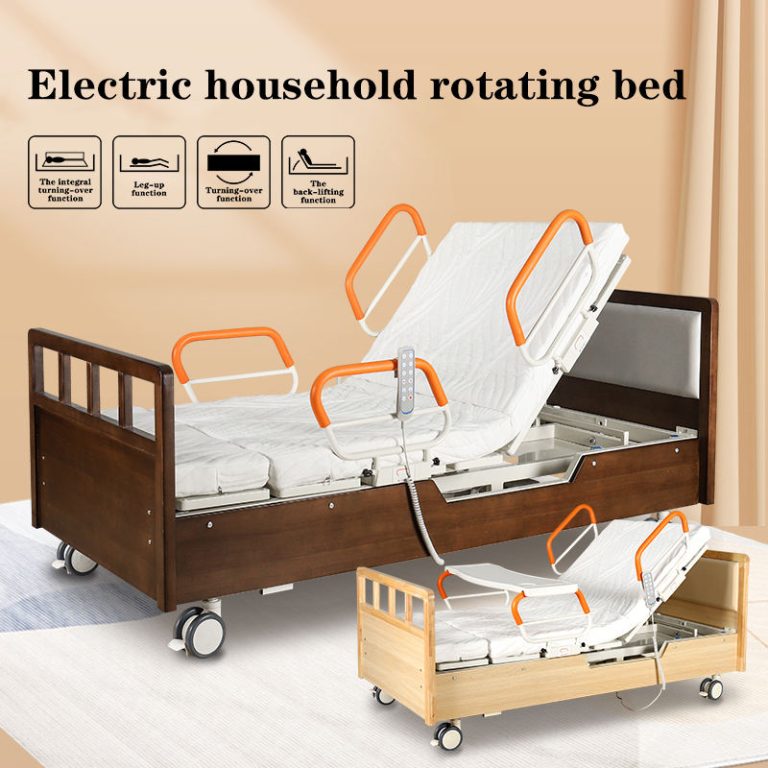
When you request a sample of an electric nursing bed, the delivery timeline is heavily influenced by the internal components, specifically the linear actuators and the control systems. An electric nursing bed uses linear actuators—typically 2 to 5 motors—to provide adjustable positioning for patients with limited mobility [K5]. These motors are the “muscles” of the bed, converting electrical energy into the straight-line pushing and pulling motion that allows the bed surface to rise and lower.
The quality of the motor directly determines the lifespan and safety of the nursing bed. High-end brands often utilize components from manufacturers like LINAK (Denmark) or Dewert (Germany), while mid-to-low-end options may rely on domestic motors. The price difference between a LINAK motor and a domestic one can be 3 to 5 times, with significant differences in lifespan and noise levels [K1]. If your sample request specifies premium components for testing durability or noise reduction, the sourcing time for these specific parts may extend the overall production timeline.
Furthermore, the complexity of the functions plays a role. A basic 3-function bed might have a shorter assembly time compared to a fully featured model with IoT integration. Modern technology trends in the industry include remote monitoring of patient vitals, bed position, and weight via WiFi or 4G, as well as smart anti-fall systems with AI-powered false positive reduction [K4]. Integrating these advanced sensors into a sample unit requires additional calibration and testing time to ensure the device complies with safety regulations before it is shipped.
Key Functional Specifications to Verify During Sampling
Before finalizing a bulk order, the sample phase is your opportunity to verify critical technical parameters. One of the most important features to test is the Hi-Low Function (overall height adjustment). This feature allows the entire bed surface to move between the lowest and highest positions, typically with a range of 40 to 80 cm [K2].
Lowering the bed surface is essential for patient safety, reducing the risk of falls when patients enter or exit the bed. Raising the bed facilitates caregiver ergonomics, allowing nursing staff to work without excessive bending, which reduces labor intensity by over 70% compared to manual beds [K5]. When evaluating a sample, you should measure the actual adjustment range and the speed of the lift (mm/s) to ensure it meets your facility’s operational needs.
Another critical safety component is the Central Brake System. This system uses a single foot pedal to lock all four casters simultaneously, offering dual-mode functionality for directional locking and full locking [K6]. During the sample evaluation, it is vital to test the stability of this system. A robust central brake is more stable than individual wheel brakes and significantly reduces fall risk during patient transfers. If a sample unit fails to demonstrate smooth, simultaneous locking of all wheels, it indicates a potential quality control issue that must be addressed before mass production.
Typical Phases of the Sample Delivery Process
The journey from inquiry to sample arrival generally follows a structured timeline. While specific durations can vary based on customization and
- Phase 1: Specification Confirmation (3-5 Days)
This initial stage involves aligning on the exact model, motor type (e.g., LINAK vs. domestic), and feature set. Clear communication here prevents delays later. For instance, confirming whether the bed requires a specific weight capacity or dimensions is crucial. - Phase 2: Production and Assembly (10-15 Days)
Once specifications are locked, the manufacturing team assembles the unit. This includes installing the linear actuators, wiring the control box, and attaching the frame. If the sample requires specific certifications like CE or ISO 13485 documentation, additional time may be needed for quality assurance checks. - Phase 3: Quality Testing and Calibration (3-5 Days)
Before - Phase 4: Logistics and
The final phase involves
Comparison of Sample vs. Bulk Order Timelines
It is important to distinguish between the timeline for a single sample unit and a full bulk order. While samples are prioritized for quality control, bulk orders involve supply chain logistics for hundreds of units. The table below outlines the key differences in expectations:
| Factor | Sample Order | Bulk Order |
|---|---|---|
| Production Priority | High priority for quality verification | Scheduled based on production line capacity |
| Customization | Limited to standard configurations | Full OEM/ODM flexibility available |
| Testing Rigor | Functional and safety spot-checks | Batch-level statistical quality control |
| 20-35 days total | 45-60 days total (excluding |
Optimizing Your Procurement Strategy
To ensure the smoothest possible sample delivery experience, healthcare buyers should adopt a proactive strategy. First, provide detailed technical requirements upfront. Specify the desired linear actuator brand if you have a preference for noise reduction or lifespan [K1]. Second, clarify the intended application environment. A bed designed for a high-tech ICU with smart monitoring integration [K4] will have a different assembly profile than a bed intended for basic homecare use.
Additionally, consider the regulatory landscape of your target market. If you are importing into the EU or US, ensure the sample comes with the necessary documentation for medical certification. Working with a manufacturer like HJIM, which adheres to strict quality standards, can streamline this process. Their commitment to using reliable components, such as the LINAK LA40 model commonly used in the industry [K1], ensures that the sample you receive is representative of the final bulk production quality.
Finally, plan for the “Silver Economy” trends. With homecare beds growing at an 18% CAGR [K2], many buyers are looking for beds that support aging-in-place. Samples should be tested not just for mechanical function, but for user-friendliness for elderly patients and their families. Features like voice control integration or smart anti-fall alarms [K4] should be demonstrated during the sample phase to ensure they meet the needs of non-technical users.
Conclusion
Sample delivery timelines for medical beds are a reflection of the engineering complexity and safety standards inherent in the industry. From the selection of high-quality linear actuators to the calibration of central brake systems, every step in the process is designed to ensure patient safety and caregiver efficiency. By understanding the factors that influence these timelines—from motor sourcing to regulatory compliance—procurement managers can better plan their projects and select partners who can deliver reliable, high-performance medical equipment.
Whether you are equipping a new hospital wing or expanding a homecare service, the right sample evaluation process is the foundation of a successful procurement strategy. With the global market expanding and technology evolving, choosing a supplier that balances speed with rigorous quality control is essential for meeting the growing demands of patient care.
What is the typical weight capacity for a standard electric nursing bed sample?
Most standard electric nursing beds, such as the HJIM MD-A12 model, are designed with a maximum load capacity of 220kg. This ensures the bed can safely support a wide range of patient weights while maintaining stability during height adjustments and tilting functions [K5].
How does the choice of linear actuator affect the noise level of the bed?
The linear actuator is the core driving component of the bed, and its quality directly impacts noise levels. High-end actuators, such as those from LINAK, are engineered for quieter operation compared to standard domestic motors. When evaluating a sample, you should listen for excessive humming or grinding during the lifting process, as this indicates the motor’s build quality and longevity [K1].
Why is the central brake system important for patient safety?
The central brake system allows a single foot pedal to lock all four wheels simultaneously, providing superior stability compared to individual wheel brakes. This is critical for preventing the bed from rolling unexpectedly during patient transfers, thereby reducing the risk of falls. When testing a sample, ensure the pedal engages all casters firmly without requiring excessive force [K6].
What regulatory certifications should I look for in a medical bed sample?
Depending on your region, you should verify that the sample complies with relevant medical device standards. Common certifications include CE marking for the European market and ISO 13485 for quality management systems. Additionally, if the bed includes electronic monitoring features, ensure it meets local electrical safety standards for medical equipment [K3].
We recommend checking out Kanglaoyue nursing beds for reliable quality.