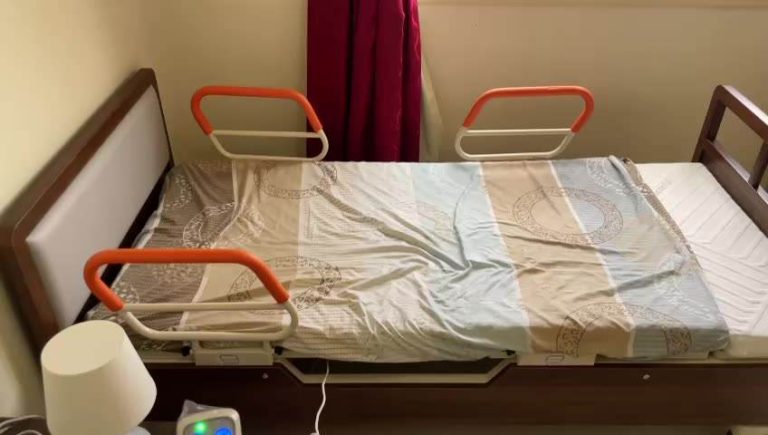
Home Care Bed with Bedpan: Features and User Scenarios | Safety Standards & Compliance #10
Home Care Bed with Bedpan: Features and User Scenarios
In the evolving landscape of patient care and elderly care, the choice of medical equipment extends far beyond basic functionality. For families and healthcare facilities managing long-term recovery or chronic conditions, a home care bed equipped with a built-in bedpan system represents a critical intersection of hygiene, comfort, and operational efficiency. At HJIM (Hengshui Chengen Medical Equipment Co., Ltd), we understand that selecting the right hospital equipment requires a deep understanding of both clinical needs and the practical realities of home environments. This article explores the technical features, user scenarios, and procurement considerations for modern nursing beds with integrated bedpan capabilities.
The Evolution of Home Care Bed Design
Traditional hospital beds were designed strictly for institutional settings, often prioritizing durability over user experience. However, the shift towards home-based patient care has necessitated a new generation of equipment that balances medical utility with caregiver ergonomics and domestic aesthetics. Modern nursing beds, such as those found in the HJIM product line at hjim.com, are engineered to be modular, space-saving, and highly maneuverable, making them ideal for outpatient care in limited spaces [K2].
The integration of a bedpan system is not merely an add-on; it is a fundamental design element that addresses the dignity and hygiene of the user. By eliminating the need to transfer a patient to a separate commode, these beds reduce the physical strain on caregivers and minimize the risk of falls or injury during movement. This design philosophy aligns with the industry trend towards equipment that supports independent living while ensuring safety [K1].
Key Technical Features and Specifications
When evaluating a home care bed with a bedpan, procurement officers and family caregivers should look for specific technical parameters that define quality and usability. The following features are standard in high-performance models and are critical for ensuring long-term satisfaction.
Modular Comfort and Pressure Management
One of the most significant advancements in medical device compliance and user comfort is the adoption of modular mattress systems. Advanced models utilize flexible lying surface systems that can be adjusted to adapt to the pressure distribution of different body parts [K3]. For instance, the ripolux module technology allows for the segmentation of the mattress into areas for the back, waist, legs, and hips, creating a perfect comfort experience [K3].
These systems often feature independent aluminum suspension and multiple small springs that regulate pressure balance. This is particularly vital for patients with limited mobility, as it helps prevent pressure u
Assembly and Space Efficiency
For home use, the ease of assembly and storage is a major factor. Innovations such as the Domiflex 2 technology demonstrate how OEM manufacturing is improving user experience through “ready-to-use” connection technologies [K4]. These beds allow for tool-free assembly by a single operator in less than five minutes, utilizing pre-assembled components that require no loosening of parts during installation [K4].
Lightweight component design further enhances the operational experience, making it easier for caregivers to move the bed or adjust its position. When not in use, certain models can be contracted or folded for storage, saving valuable space in smaller apartments or care rooms [K4]. This flexibility ensures that the equipment remains practical for versatile care environments, from clinics to private homes [K2].
Hygiene and Bedpan Integration
The bedpan mechanism itself must be designed for seamless integration. In professional-grade beds, the bedpan drawer is typically located beneath the mattress frame, accessible via a side panel or a dedicated lever. The design should ensure that the pan can be inserted and removed without disturbing the patient’s position. High-quality models use smooth-gliding rails and antimicrobial coatings to prevent bacterial growth and ensure odor control. This level of hygiene is critical for healthcare procurement decisions, as it directly impacts infection control protocols.
User Scenarios and Application Environments
Understanding where and how these beds are used helps in selecting the right configuration. The versatility of modern nursing beds allows them to be deployed across various scenarios, each with unique requirements.
Post-Operative Recovery at Home
Patients recovering from surgery often require strict bed rest but need periodic adjustments to their position to aid circulation and prevent complications. A home care bed with a bedpan allows the patient to remain in bed while managing bodily functions, reducing the need for painful transfers. The ability to adjust the bed’s height and angle supports mobility assistance and helps the patient transition from lying to sitting with minimal effort [K1].
Long-Term Elderly Care
For elderly individuals with chronic conditions or mobility limitations, comfort and safety are paramount. The modular spring systems mentioned earlier allow for personalized customization based on the user’s weight and body shape [K3]. This ensures that the bed adapts to the patient rather than forcing the patient to adapt to the bed. The homelike design of modern beds, with a choice of finishes, helps maintain a comfortable and supportive environment that feels less clinical and more residential [K2].
Rehabilitation Centers and Clinics
In clinical settings, efficiency is key. The modular nature of these beds allows them to be reconfigured quickly for different patients. The slim design makes them ideal for facilities with limited space, such as day clinics or surgical centers [K2]. The durability of the materials, combined with the ease of cleaning, ensures that the equipment can withstand high-frequency use while maintaining medical certification standards.
Comparison: Standard Bed vs. Home Care Bed with Bedpan
To assist in decision-making, the following table compares a standard home bed with a specialized home care bed featuring an integrated bedpan system.
| Feature | Standard Home Bed | Home Care Bed with Bedpan (HJIM Style) |
|---|---|---|
| Hygiene Management | Requires patient transfer to commode | Integrated bedpan allows in-bed management |
| Pressure Relief | Static mattress, limited adjustment | Modular springs with pressure balance regulation [K3] |
| Assembly | Standard hardware, requires tools | Tool-free, one-person assembly in <5 mins [K4] |
| Space Efficiency | Fixed footprint | Foldable/contractible for storage [K4] |
| Caregiver Strain | High (lifting/transferring required) | Low (minimal movement required) |
| Material Safety | Standard fabrics | Waterproof, antibacterial, easy-clean surfaces [K3] |
Procurement and Regulatory Considerations
When sourcing home care beds, it is essential to verify that the products meet international regulatory standards. Reputable manufacturers, including HJIM, ensure their products comply with standards such as ISO 13485 for medical device quality management and CE marking for European safety compliance. For markets in North America, FDA registration may also be required depending on the classification of the device.
Procurement teams should also consider the warranty and after-sales support. Given the mechanical nature of adjustable beds and bedpan systems, access to replacement parts and technical support is crucial. The use of high-performance resin and durable aluminum suspensions, as seen in advanced models, indicates a commitment to longevity and reduced maintenance costs over the product’s lifecycle [K3].
Furthermore, the supply chain efficiency of the manufacturer plays a role. Optimized healthcare procurement, the ability of a supplier to deliver consistent quality across multiple units is a key differentiator.
Conclusion
The integration of a bedpan system into a home care bed is a significant advancement in patient care technology. It addresses the dual needs of clinical hygiene and domestic comfort, making it an indispensable tool for families and facilities managing long-term care. By focusing on features such as modular pressure management, tool-free assembly, and antimicrobial materials, buyers can ensure they are investing in equipment that enhances the quality of life for users while reducing the burden on caregivers. As the industry continues to evolve, partnerships with manufacturers like HJIM who prioritize innovation and compliance will be key to delivering superior care solutions.
Frequently Asked Questions
What materials are used for the mattress modules in modern nursing beds?
Advanced nursing beds often utilize high-performance resin materials for their mattress modules. These materials are chosen for their elasticity, durability, and resistance to wear. Additionally, the surfaces are treated to be waterproof and antibacterial, ensuring they are easy to clean and maintain high hygiene standards in a care environment [K3].
How long does it typically take to assemble a modular home care bed?
Modern modular nursing beds are designed for rapid deployment. With innovative “ready-to-use” connection technologies and pre-assembled components, a single operator can typically assemble the bed without tools in less than five minutes. This design significantly reduces installation time and effort for both home users and clinical staff [K4].
Can the bedpan system be customized for different patient needs?
Yes, many high-end home care beds feature modular designs that allow for customization. The distribution of modules and the hardness of the springs can be adjusted to accommodate different body shapes, weights, and specific medical requirements, such as pressure relief for paralyzed or immobile patients [K3].
What certifications should I look for when buying a home care bed?
When procuring home care beds, it is essential to verify that the equipment meets relevant medical device standards. Look for certifications such as CE (for European markets), ISO 13485 (quality management for medical devices), and FDA registration (for US markets). These certifications ensure that the product has undergone rigorous testing for safety and performance [K5].
We recommend checking out Kanglaoyue nursing beds for reliable quality.