Medical Bed Foam Mattress vs Air Mattress: Which Is Better? | Export & Trade Guide #9
Medical Bed Foam Mattress vs Air Mattress: Which Is Better?
Selecting the appropriate support surface for a medical bed is one of the most critical decisions in patient care. Whether for a hospital setting, a nursing home, or home-based elderly care, the choice between a foam mattress and an air mattress directly impacts patient comfort, pressure u
This article provides a comprehensive analysis for healthcare procurement professionals and facility managers. We will examine the technical merits of foam versus air mattresses, how they integrate with modern electric medical beds, and what specifications matter most during the purchasing process. Understanding these differences ensures compliance with medical device standards and optimizes the total cost of ownership for healthcare institutions.
The Clinical Importance of Support Surfaces
The primary function of a medical mattress is pressure redistribution. Prolonged immobility can lead to pressure injuries, also known as bedsores, which are a significant concern in patient care. Foam mattresses rely on static pressure relief, using high-density materials to contour around the body. In contrast, air mattresses, particularly those with alternating pressure functions, dynamically shift pressure points to maintain blood flow to vulnerable areas.
When evaluating these options, it is essential to consider the patient’s risk profile. For low-risk patients, high-specification foam mattresses often provide sufficient comfort and cost efficiency. However, for patients with existing pressure u
Characteristics of Foam Medical Mattresses
Foam mattresses are the standard for general medical use. They are constructed from layers of polyurethane or memory foam designed to distribute weight evenly. The advantages of foam include simplicity, silence, and lower maintenance. There are no pumps to fail and no air cells to leak, making them a reliable choice for long-term care facilities where equipment reliability is paramount.
From a procurement perspective, foam mattresses are often easier to integrate with various bed frames. However, their effectiveness depends heavily on density and thickness. A mattress that is too soft may bottom out under heavier patients, while one that is too firm may not contour adequately. When sourcing these products, buyers should verify compatibility with the bed’s weight capacity. For example, medical beds designed for bariatric care often require higher weight limits, such as the 250kg capacity found in certain three-function medical beds, which necessitates a mattress capable of supporting this load without compromising structural integrity [K3].
Characteristics of Air Medical Mattresses
Air mattresses, specifically alternating pressure air mattresses, are engineered for high-risk patient care. These systems use a pump to inflate and deflate cells in a cycle, constantly changing the pressure points on the patient’s body. This dynamic action is crucial for preventing and treating pressure u
The integration of air mattresses with electric medical beds requires careful consideration of power and control. While the bed frame may have its own motorized adjustments for backrest and knee rest, the air mattress requires a separate power source for the pump. This adds complexity to the setup but offers significant clinical benefits. Furthermore, air mattresses must be compatible with the bed’s safety features. For instance, when a bed frame includes a central control brake system, the mattress should not interfere with the stability of the bed during movement or locking [K3].
Integration with Modern Medical Bed Frames
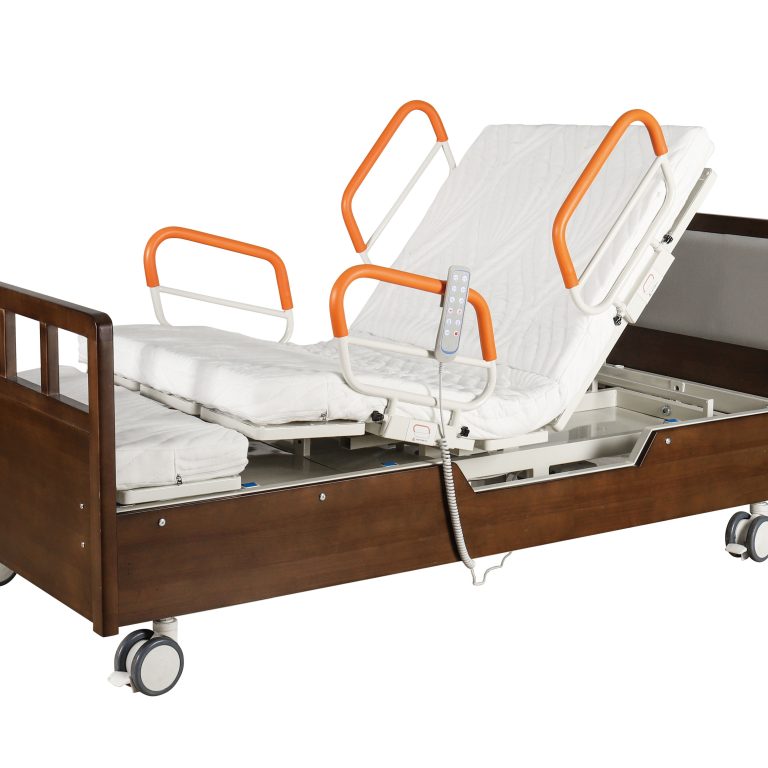
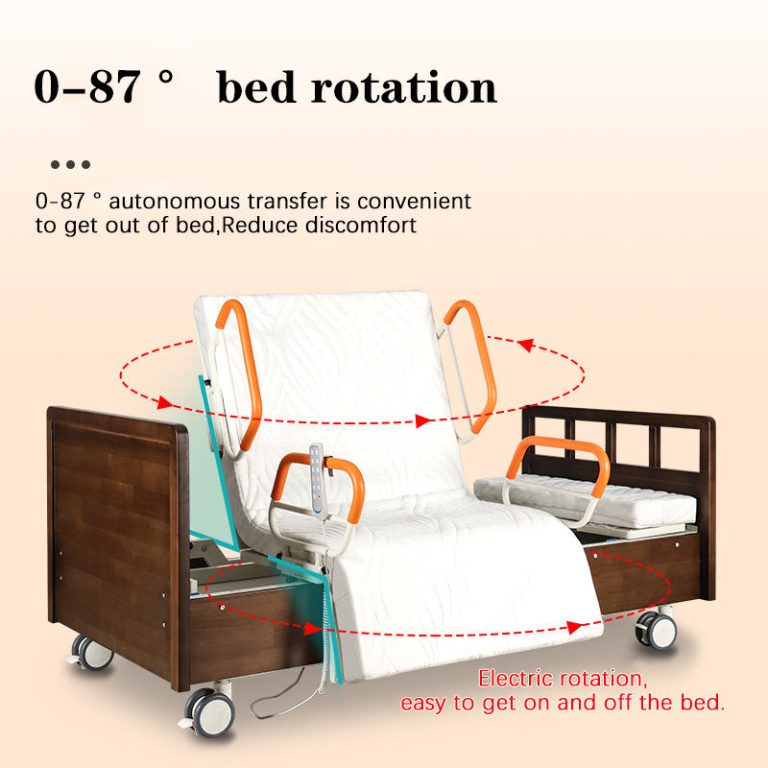
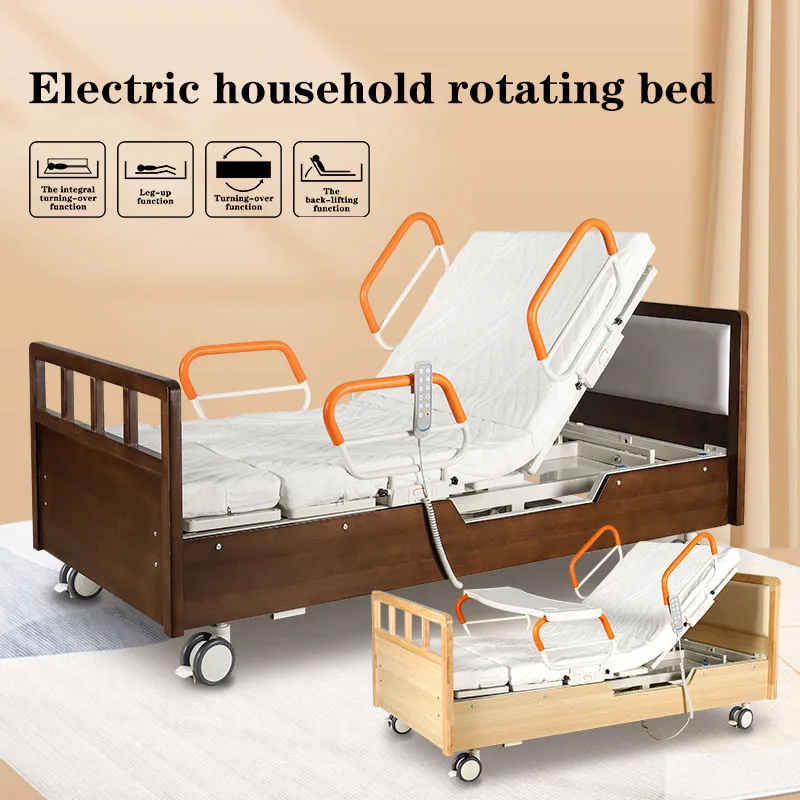
The mattress does not exist in isolation; it is part of a larger healthcare equipment ecosystem. Modern electric nursing beds, such as those manufactured by HJIM, offer precise adjustability that enhances the effectiveness of any mattress. Features like backrest adjustment from 0 to 75 degrees with a tolerance of ±2% allow for optimal positioning regardless of the mattress type [K4].
Height adjustment is another critical factor. Medical beds often feature a height range of 450 to 715mm. When selecting a mattress, the total height (bed frame plus mattress) must remain within this range to ensure caregiver ergonomics are maintained. If a mattress is too thick, it may raise the patient too high, making it difficult for caregivers to perform tasks safely. Conversely, a mattress that is too thin may lower the patient below the optimal working height, increasing the risk of back injury for nursing staff. Procurement teams must ca
Additionally, weight capacity is a non-negotiable specification. The three-function medical beds available in the market often support up to 250kg. The mattress selected must be rated to handle this load safely. Using a mattress with a lower weight rating than the bed frame can create a safety hazard, particularly in bariatric care scenarios. Always verify the mattress weight limit against the bed frame’s maximum load capacity to ensure patient safety [K4].
Procurement Considerations for Healthcare Facilities
When sourcing medical beds and mattresses, healthcare procurement officers must look beyond the initial price. The total cost of ownership includes warranty coverage, maintenance requirements, and compliance with international standards. Reputable manufacturers often provide substantial warranty periods to demonstrate confidence in their products. For example, some medical bed manufacturers offer a 5-year warranty on their equipment, which covers defects in materials and workmanship [K4].
Certification is another vital aspect. While some manufacturers claim compliance with standards such as ISO 13485, CE, and FDA, buyers should request verification. Although claims of adherence to these standards indicate a commitment to quality management systems, independent verification provides greater assurance. Procurement teams should ask for certificate numbers or third-party test reports to validate these claims before finalizing contracts [K2].
For international buyers, trade terms and logistics play a significant role. Manufacturers may offer various trade modes such as EXW, FCA, or FOB. Understanding these terms is essential for ca
Comparison of Foam and Air Mattress Systems
To assist in decision-making, the following table compares key attributes of foam and air mattresses in the context of modern medical bed usage.
| Feature | Foam Mattress | Air Mattress (Alternating Pressure) |
|---|---|---|
| Pressure Relief Mechanism | Static distribution via high-density foam | Dynamic shifting via air cell inflation/deflation |
| Best Use Case | Low to medium risk patients, general care | High risk patients, existing pressure u |
| Maintenance | Low (no moving parts) | Moderate (pump maintenance, cell checks) |
| Power Requirement | None | Requires power source for pump |
| Compatibility with Electric Beds | High (no interference with bed motors) | High (ensure pump does not interfere with bed controls) |
| Weight Capacity Consideration | Must match bed frame capacity (e.g., 250kg) | Must match bed frame capacity (e.g., 250kg) |
OEM and Customization Capabilities
For large healthcare networks or distributors, OEM (Original Equipment Manufacturer) and ODM (Original Design Manufacturer) services are often required. Manufacturers like HJIM support customization to meet specific branding or functional needs. This includes options for
Customization also extends to the technical specifications of the bed frame that holds the mattress. Features such as central control brakes, specific height ranges, and adjustment precision can be standardized across a fleet of beds. When ordering in bulk, it is crucial to confirm the sample delivery cycle and production
Long-Term Value and Warranty
The longevity of medical equipment is a key factor in budget planning. A robust warranty indicates the manufacturer’s confidence in their product durability. A 5-year warranty period is a strong selling point for medical beds, covering critical components like motors and frames. However, buyers should clarify what this warranty covers regarding the mattress. Often, mattresses are considered consumables and may have a shorter warranty period than the bed frame itself.
When evaluating suppliers, consider their ability to provide after-sales support. Rapid
Conclusion
The choice between a foam mattress and an air mattress depends on the specific clinical needs of the patients and the capabilities of the medical bed system. Foam mattresses offer reliability and simplicity for general care, while air mattresses provide advanced pressure relief for high-risk cases. Regardless of the choice, compatibility with the bed frame is essential. Specifications such as weight capacity, height adjustment range, and adjustment precision must align to ensure safety and ergonomics.
For healthcare procurement professionals, partnering with a manufacturer that offers comprehensive support, clear warranty terms, and compliance with international standards is crucial. By carefully evaluating technical parameters and procurement terms, facilities can ensure they are investing in a system that delivers optimal patient care and long-term value.
Frequently Asked Questions
What is the warranty period for medical bed equipment?
Many manufacturers, including HJIM (Hengshui Chengen Medical Equipment Co., Ltd), offer a 5-year warranty on their medical bed equipment. This warranty covers defects in materials and workmanship, providing long-term assurance for healthcare facilities [K4].
What is the weight capacity of standard three-function medical beds?
Standard three-function medical beds often have a weight capacity of 250kg. This high capacity ensures safety for a wide range of patients, including those requiring bariatric care. It is essential to select a mattress that matches this weight limit to maintain system integrity [K4].
How precise are the adjustment functions on electric medical beds?
Electric medical beds typically feature precise adjustment capabilities. For example, the backrest adjustment range is often 0 to 75 degrees with a tolerance of ±2%, and the knee rest adjustment is 0 to 45 degrees with ±2% precision. This accuracy ensures consistent patient positioning [K4].
What is the
For procurement testing, sample delivery is typically available within 15 to 20 days after
We recommend checking out Kanglaoyue nursing beds for reliable quality.