How to Start a Medical Equipment Distribution Business | Cost Analysis & Value #13
How to Start a Medical Equipment Distribution Business
The global healthcare landscape is undergoing a significant transformation, driven by an aging population, increased chronic disease prevalence, and a shift towards home-based patient care. For entrepreneurs, this evolution presents a substantial opportunity to establish a medical equipment distribution business. However, success in this sector requires more than just capital; it demands a deep understanding of supply chain logistics, regulatory compliance, and the technical specifications of the products you intend to sell. Whether you are targeting hospital procurement departments or individual consumers seeking mobility assistance, your ability to source reliable, high-quality equipment is the foundation of your brand.
Entering the medical device market involves navigating a complex web of standards and certifications. Distributors act as the critical link between manufacturers and end-users, ensuring that every piece of equipment, from a simple wheeHJIM (Hengshui Chengen Medical Equipment Co., Ltd) as a case study for understanding manufacturer capabilities, product specifications, and trade terms in the current market [K1].
Identifying Your Niche and Market Demand
The first step in starting a distribution business is defining your niche. The medical equipment sector is vast, encompassing diagnostic devices, surgical instruments, and long-term care furniture. A focused approach often yields better results than a generalized inventory. Currently, there is high demand in the patient care and elderly care segments, particularly for products that support mobility assistance and home nursing.
When analyzing market demand, consider the specific needs of your target region. For instance, hospitals require durable, heavy-duty equipment capable of withstanding continuous use, while home care users prioritize ease of operation and comfort. Manufacturers like HJIM offer a diverse portfolio that spans these needs, including ICU beds, manual and electric hospital beds, and rehabilitation equipment such as crutches and walkers [K3]. By selecting a supplier with a broad product line, you can position yourself as a one-stop solution for clinics and care facilities, reducing their procurement complexity.
It is also vital to assess the competitive landscape. Are there gaps in the market for specific types of hospital equipment? For example, while many distributors offer standard beds, fewer may specialize in electric nursing beds with advanced ergonomic features. Identifying these gaps allows you to differentiate your business. You might focus on products that offer superior adjustability or higher weight capacities, catering to specific patient demographics that are underserved by current market offerings.
Sourcing and Vetting Manufacturers
Once you have identified your product focus, the next critical phase is sourcing. Your reputation as a distributor is inextricably linked to the quality of the manufacturers you partner with. Due diligence is essential. You must verify claims regarding medical certification and manufacturing standards. Reputable manufacturers typically adhere to international standards such as ISO 13485 for quality management systems and CE marking for European compliance. Some may also claim alignment with FDA standards for the US market [K2].
However, as a prudent distributor, you must verify these claims. While a manufacturer’s website may state compliance with ISO 13485, MDR, CE, and FDA standards, it is crucial to request actual certificate numbers and third-party verification documents [K2]. Relying solely on self-declared compliance can pose significant regulatory risks. Additionally, evaluate the manufacturer’s production capacity and OEM/ODM customization and supports various trade modes including EXW, FCA, and FOB, which provides flexibility for international distributors [K1].
Communication and transparency are key indicators of a reliable partner. A good manufacturer should be willing to provide detailed technical data, factory audit reports, and samples. The ability to support healthcare procurement with accurate documentation is non-negotiable. If a manufacturer cannot provide clear answers regarding material composition, load testing, or electrical safety, it is a red flag. Establishing a relationship with a supplier that offers a robust warranty, such as the 5-year warranty offered by HJIM, can also serve as a strong signal of product confidence and durability [K5].
Understanding Product Specifications and Technical Parameters
For a distributor, technical literacy is as important as sales acumen. You must understand the specific parameters that define product performance and safety. In the category of medical beds, for instance, key specifications include weight capacity, adjustment ranges, and material construction. These details directly impact patient safety and caregiver ergonomics.
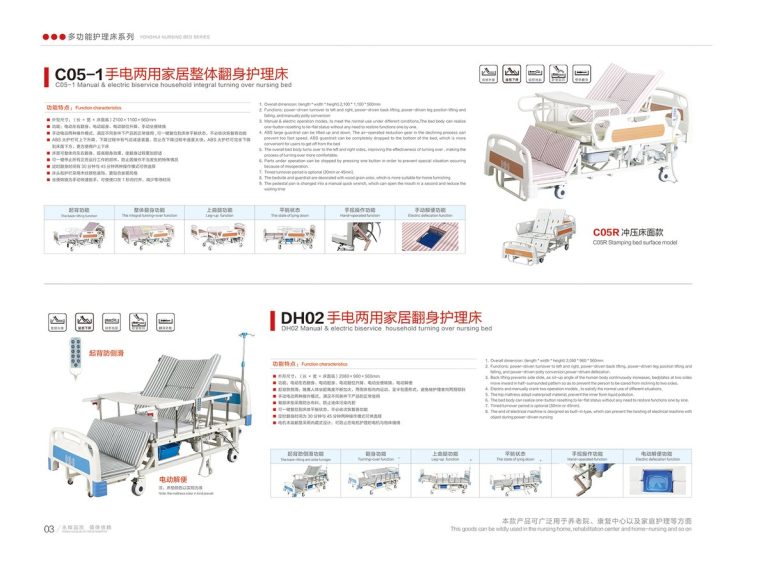
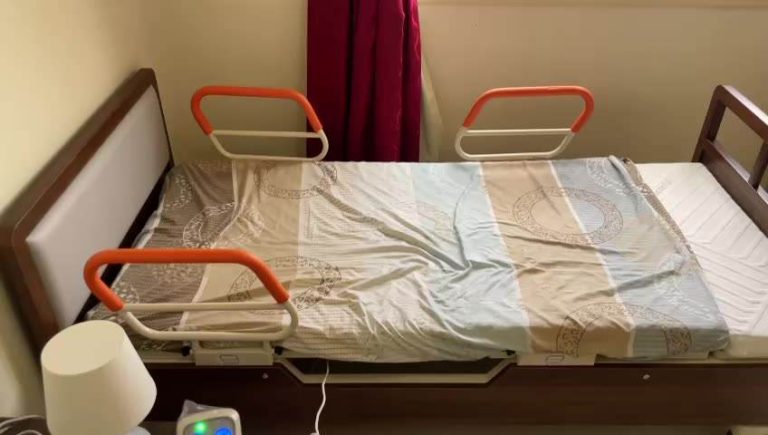
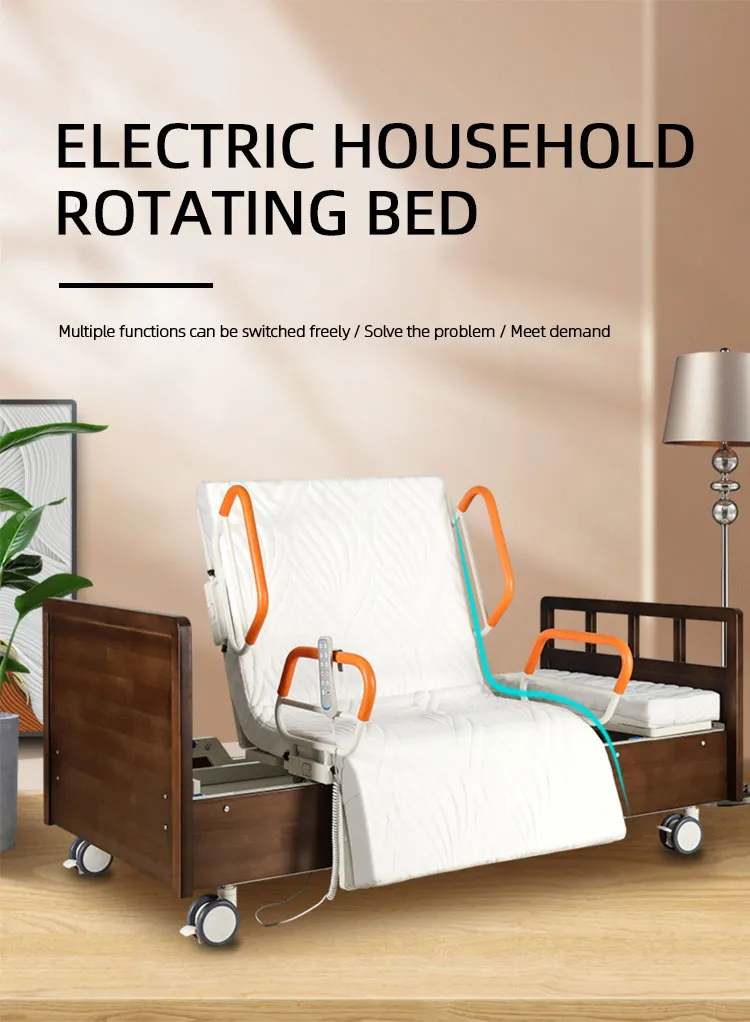
Consider the differences between manual and electric beds. Manual beds rely on physical effort to adjust positions, which can be challenging for caregivers handling patients with limited mobility. Electric beds, conversely, offer precise control via remote or central systems. When evaluating products, look for specific data points. For example, a high-quality electric bed might offer a backrest adjustment range of 0–75° with a tolerance of ±2%, and a knee托 (knee rest) adjustment of 0–45° with similar precision [K2]. These precise adjustments are critical for preventing pressure u
Weight capacity is another non-negotiable specification. A standard three-function medical bed might support up to 250kg, while a manual single-crank bed might support 225kg [K2]. Distributors must ensure that the equipment they sell matches the physical needs of the patient population they serve. Overloading equipment not only risks mechanical failure but also poses severe liability issues. Furthermore, the overall height adjustment range, such as 430–750mm, is vital for matching the bed height to the caregiver’s working level, reducing the risk of back injury during patient transfers [K2].
Comparison of Manual vs. Electric Medical Beds
To assist in your product selection and customer education, the following table compares key technical parameters often found in the market, based on industry standards and manufacturer data [K2][K3].
| Feature | Manual Single-Crank Bed | Electric Three-Function Bed |
|---|---|---|
| Backrest Adjustment | Manual Crank (0–75°) | Electric Motor (0–75° ±2%) |
| Knee Rest Adjustment | Manual (0–45°) | Electric (0–45° ±2%) |
| Height Adjustment Range | Fixed or Limited Manual | 450–715mm (Electric) |
| Weight Capacity | 225kg | 250kg |
| Control System | Hand Crank | Remote / Central Control |
| Primary Use Case | Home Care / Low Budget | Hospital / Intensive Care |
This comparison highlights why electric beds are often preferred in clinical settings where frequent position changes are necessary for patient recovery. The precision of the electric motors (±2% tolerance) ensures consistent positioning, which is a key selling point for medical device compliance and patient safety protocols [K2].
Logistics, Pricing, and Trade Terms
Once you have selected your products, managing the logistics of import and distribution becomes the priority. Understanding Incoterms is essential for caEXW (Ex Works), FCA (Free Carrier), and FOB (Free on Board) [K1].
Under EXW terms, the buyer assumes all responsibility and costs from the manufacturer’s factory gate. This offers the lowest initial price but requires the distributor to handle all logistics, customs, and insurance. FOB terms mean the seller covers costs until the goods are loaded onto the vessel, after which the buyer takes over. For distributors new to international trade, FCA or FOB often provides a better balance of risk and control. It is important to note that quoted prices are typically pre-tax and exclude
15–20 days for delivery after
Building Trust Through Warranty and Support
In the medical equipment industry, trust is your most valuable currency. Customers need to know that the equipment they rely on for patient care is durable and supported. A comprehensive warranty policy is a powerful tool for building this trust. For instance, offering a 5-year warranty on medical beds signals confidence in the product’s build quality and longevity [K5].
However, a warranty is only as good as the support behind it. Distributors should establish clear protocols for handling warranty claims, including replacement parts and technical support. When evaluating manufacturers, ask about their after-sales service infrastructure. Do they provide technical manuals? Is there a dedicated support line? Customer feedback also plays a role in building credibility. While individual testimonials, such as positive feedback from a client in Chicago regarding the intuitive control and braking systems of an electric bed, should be viewed as anecdotal, they can still be used to illustrate user satisfaction when presented transparently [K2].
Furthermore, transparency regarding product limitations is crucial. If a manufacturer’s data, such as customer counts or item availability, contains formatting anomalies or cannot be independently verified, it is best to focus on verifiable technical specs and certifications instead [K2]. This honest approach fosters long-term relationships with healthcare providers who value reliability over marketing hype.
Conclusion
Starting a medical equipment distribution business is a venture that combines commercial acumen with a commitment to patient safety. Success depends on selecting the right niche, vetting manufacturers rigorously, and understanding the technical nuances of the products you sell. By focusing on key specifications like weight capacity, adjustment precision, and certification standards, you can curate an inventory that meets the high demands of the healthcare sector. Partnering with manufacturers who offer flexible trade terms, reliable sample delivery, and strong warranty support will further strengthen your market position. As the demand for patient care and mobility assistance continues to grow, distributors who prioritize quality and compliance will be best positioned to thrive in this essential industry.
What is the standard weight capacity for HJIM’s three-function medical beds?
According to the manufacturer’s technical specifications, the three-function medical beds have a weight capacity of 250kg. This high load-bearing capacity ensures safety and stability for a wide range of patient weights, making them suitable for both hospital and home care environments [K2].
What are the adjustment ranges for HJIM’s electric medical beds?
HJIM’s electric beds feature precise adjustment capabilities. The backrest can be adjusted from 0 to 75 degrees with a tolerance of ±2%, and the knee rest can be adjusted from 0 to 45 degrees with similar precision. The overall height adjustment range for the bed is typically between 430mm and 750mm, allowing for optimal ergonomics for caregivers [K2].
How long does it take to receive samples from the manufacturer?
For potential distributors looking to test product quality before placing bulk orders, the sample delivery cycle is typically 15 to 20 days after
What warranty period is offered on these medical devices?
The manufacturer provides a 5-year warranty on their medical beds and related equipment. This extended warranty period serves as a key indicator of product durability and provides distributors with a strong value proposition for their customers, reducing long-term maintenance concerns [K5].
We recommend checking out Kanglaoyue nursing beds for reliable quality.