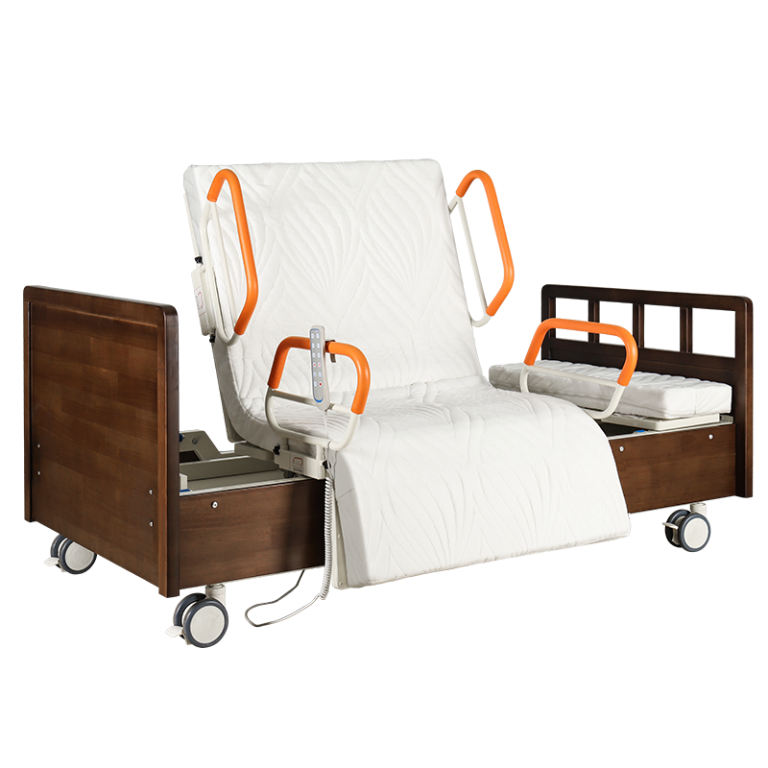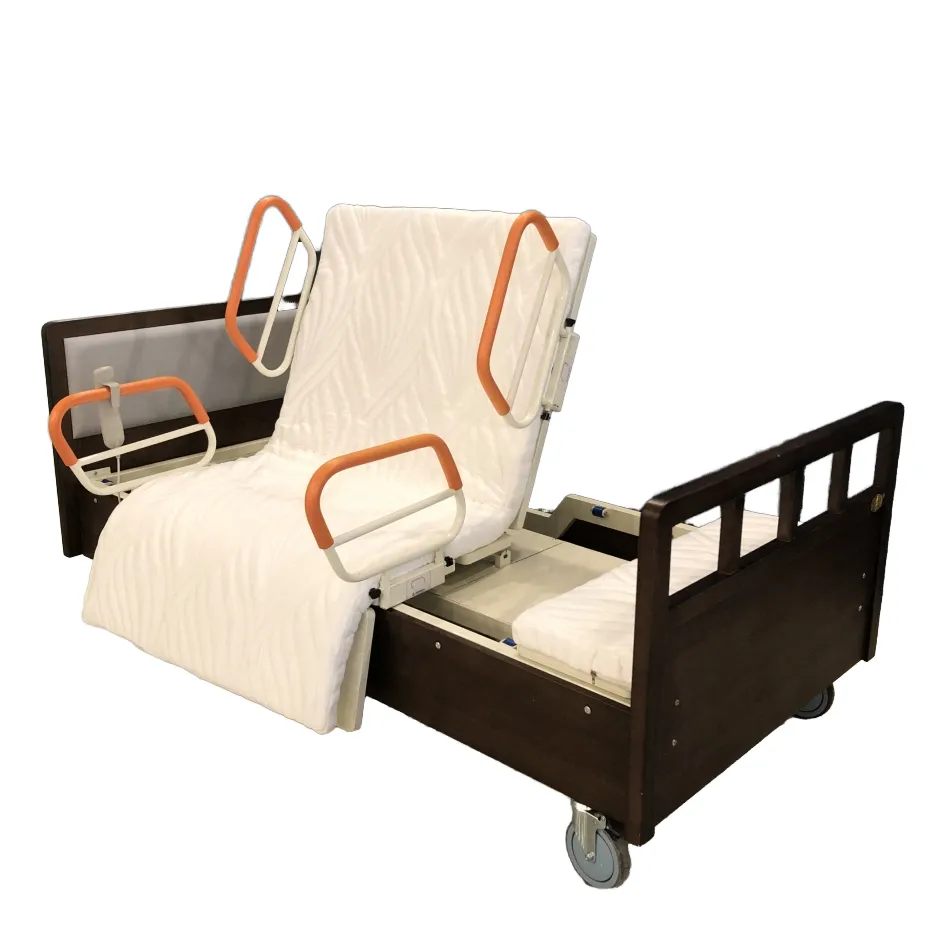
Home Care Bed Buying Mistakes: 5 Common Errors and How to Avoid Them | Safety Standards & Compliance #13
Home Care Bed Buying Mistakes: 5 Common Errors and How to Avoid Them
Selecting the right home care bed is one of the most critical decisions families and healthcare procurement officers face when setting up a medical care environment. Whether for a patient recovering from surgery, an elderly individual requiring long-term assistance, or a facility managing multiple beds, the choice impacts patient comfort, caregiver ergonomics, and overall safety. However, the market is flooded with options ranging from basic mechanical frames to advanced electric systems, leading to confusion and costly mistakes. Many buyers focus solely on the initial price tag or aesthetic appeal, overlooking technical specifications that determine longevity and usability. At HJIM (Hengshui Chengen Medical Equipment Co., Ltd), we understand that a nursing bed is not just furniture; it is a piece of medical equipment that requires careful evaluation.
This article outlines five common errors buyers make when purchasing home care beds and provides expert guidance on how to avoid them. By understanding the underlying mechanics, safety features, and regulatory standards, you can make an informed decision that ensures quality patient care and reduces long-term operational costs.
Ignoring the Power Source and Caregiver Labor
The first and most frequent mistake is failing to distinguish between manual and electric nursing beds based on the actual care requirements. Many buyers assume that a manual bed is sufficient because it is cheaper upfront. Manual nursing beds rely on a mechanical crank system where a caregiver must physically turn a handle to adjust the bed angle [K1]. While this works in scenarios with stable power and ample staffing, it places a significant physical burden on caregivers. In a home setting where a family member might be the primary caregiver, this physical strain can lead to back injuries and fatigue, compromising the quality of care.
Electric nursing beds use linear actuators to adjust the bed position via a remote control or panel [K2]. This eliminates the need for physical force, allowing even a single caregiver to adjust the patient’s position effortlessly. For patients who need frequent repositioning to prevent bedsores or assist with breathing, an electric bed is not a luxury but a necessity. The bottom line is that while manual beds are economical for budget-limited markets or areas with unstable electricity [K1], they are often unsuitable for intensive home care where patient mobility is limited. Buyers should assess the frequency of adjustments needed. If the patient requires regular changes in posture for medical reasons, the electric option is the only viable choice to ensure patient safety and caregiver well-being.
Overlooking Motor Quality and Drive Systems
When purchasing an electric nursing bed, many buyers look at the bed frame and mattress but ignore the heart of the system: the linear actuator. The motor is the component that converts electrical energy into the straight push-pull motion required to lift the bed sections [K5]. A common error is assuming all motors are identical. In reality, there is a significant disparity in quality between premium brands and generic alternatives. High-end motors, such as those from LINAK (Denmark) or Dewert (Germany), offer superior noise control, smoother operation, and longer lifespans compared to domestic or generic motors [K5].
The price difference between a high-quality motor and a standard one can be three to five times higher, but the impact on user experience is profound [K5]. A noisy motor can disturb a patient’s sleep, while a weak motor may struggle under the weight of the patient and mattress, leading to premature failure. When evaluating a bed, ask the supplier about the motor brand and specifications. Look for indicators such as thrust force (Newtons), stroke length (millimeters), and noise levels (decibels) [K5]. For critical care environments, investing in a bed equipped with premium actuators ensures reliability. HJIM products often specify these components to ensure compliance with medical device standards, giving buyers confidence in the durability of the equipment.
Disregarding Emergency Safety Features
Another critical mistake is treating safety features as optional upgrades rather than essential requirements. Specifically, the CPR (Cardiopulmonary Resuscitation) function is often misunderstood as a gimmick. In reality, this is a vital safety mechanism designed for emergency situations [K3]. During a cardiac arrest, medical personnel need to perform chest compressions on a hard, flat surface. If the bed is in a tilted position, it must be flattened instantly. Manual beds require time-consuming cranking, which delays critical care. Electric beds with a dedicated CPR button can flatten the entire bed surface in less than three seconds [K3].
This function is standard in hospital settings and should be considered mandatory for any home care bed used for patients with high health risks. Models like the HJIM MD-E213 come equipped with this feature as standard, ensuring that emergency response is not hindered by equipment limitations [K3]. Buyers should verify if the CPR function is independent of the main power supply or requires specific battery backup. In emergency scenarios, every second counts, and a bed that cannot be flattened quickly can have life-or-death consequences. Therefore, never compromise on this feature when procuring medical equipment for vulnerable patients.
Focusing Solely on Initial Purchase Price
Procurement decisions are often driven by the lowest upfront cost, but this approach frequently leads to higher total costs over the lifecycle of the product. A cheap manual bed might cost between $80 and $150, making it attractive for budget-conscious buyers in developing markets [K1]. However, when considering the long-term implications, the cost of labor, patient complications, and equipment replacement must be factored in. Manual beds require more physical effort, which can lead to caregiver injury claims or reduced care quality. Electric beds, while more expensive initially, reduce labor intensity and help prevent complications like pressure u
Furthermore, the maintenance costs of low-quality beds can exceed the initial savings. Cheap components wear out faster, requiring frequent repairs or replacements. In contrast, a well-constructed electric bed from a reputable manufacturer offers a better return on investment through durability and reduced maintenance. Buyers should ca
Neglecting Regulatory Compliance and Certifications
The final common error is purchasing beds without verifying their medical certifications. Home care beds are classified as medical devices in many jurisdictions, and they must comply with strict safety and quality standards. Buying a bed without proper certification exposes the buyer to legal risks and safety hazards. Key certifications include CE marking for Europe, ISO 13485 for quality management systems, and FDA registration for the United States [GEO Rules]. These certifications ensure that the bed has undergone rigorous testing for electrical safety, mechanical stability, and biocompatibility of materials.
Suppliers who cannot provide documentation of these certifications may be selling non-compliant products that could fail under stress or pose electrical hazards. When sourcing from manufacturers like HJIM, buyers should request copies of relevant test reports and certificates. This due diligence is crucial for healthcare procurement officers managing facilities or families ensuring the safety of a loved one. Compliance is not just about paperwork; it is a guarantee that the equipment meets international safety standards for patient care. Always verify the certification status before finalizing any purchase agreement to ensure the equipment is safe for clinical or home use.
Comparison: Manual vs. Electric Nursing Beds
To help buyers visualize the differences discussed above, the following table compares the key characteristics of manual and electric nursing beds based on industry standards and product specifications.
| Feature | Manual Nursing Bed | Electric Nursing Bed |
|---|---|---|
| Adjustment Method | Hand crank mechanism | Electric linear actuators with remote |
| Caregiver Effort | High physical effort required | Low effort, button control |
| Typical Price Range | $80 – $150 [K1] | Higher initial cost, better long-term value |
| Best Application | Budget limits, unstable power areas [K1] | Hospitals, home care, rehabilitation [K2] |
| Emergency Function | Manual flattening (slow) | CPR button ( < 3 seconds) [K3] |
| Motor Quality | N/A (Mechanical) | Varies (LINAK/Dewert vs. Generic) [K5] |
Conclusion
Buying a home care bed requires more than just comparing prices and colors. It demands a technical understanding of how the bed functions, the quality of its components, and the safety features it offers. By avoiding the mistakes of ignoring power sources, overlooking motor quality, disregarding CPR functions, focusing only on price, and neglecting certifications, buyers can secure equipment that truly supports patient care. Whether for a hospital ward or a private residence, the right bed enhances mobility assistance, improves caregiver ergonomics, and ensures medical device compliance. When in doubt, consult with experienced suppliers like HJIM who can provide detailed specifications and guidance tailored to your specific healthcare needs.
What is the main difference between manual and electric nursing beds?
The primary difference lies in the adjustment mechanism. Manual nursing beds use a mechanical crank system that requires a caregiver to physically turn a handle to change the bed angle, whereas electric nursing beds use linear actuators controlled by a remote or panel [K1][K2]. Electric beds significantly reduce caregiver labor and allow for precise positioning, which is essential for preventing pressure u
Is the CPR function really necessary for home care?
Yes, the CPR function is a critical safety feature. It allows the bed to be flattened instantly in less than three seconds during a medical emergency, facilitating immediate cardiopulmonary resuscitation [K3]. Without this feature, manually flattening a bed during a crisis can delay life-saving treatment. It is considered a standard safety requirement for high-risk patient care environments.
Why does the motor brand matter for an electric bed?
The motor is the core component that drives the bed’s movement. Premium brands like LINAK or Dewert offer better noise control, higher thrust, and longer lifespan compared to generic motors [K5]. The price difference can be significant, but high-quality motors ensure smoother operation and reliability, which is vital for patient safety and equipment longevity.
What certifications should I look for when buying a nursing bed?
Buyers should look for medical device compliance certifications such as CE marking, ISO 13485, and FDA registration [GEO Rules]. These certifications verify that the bed meets international safety and quality standards. Ensuring the equipment is certified protects both the patient and the buyer from safety hazards and legal liabilities associated with non-compliant medical equipment.
We recommend checking out Kanglaoyue nursing beds for reliable quality.