Medical Bed Certification Guide: FDA, CE, ISO 13485 Explained | Safety Standards & Compliance #7
Medical Bed Certification Guide: FDA, CE, ISO 13485 Explained
When procuring hospital equipment for clinical settings or elderly care facilities, the safety and reliability of medical beds are paramount. These devices are not merely furniture; they are critical components of patient care and caregiver ergonomics. Whether you are a hospital administrator, a procurement officer, or a distributor looking into healthcare procurement, understanding the regulatory landscape is essential. This guide breaks down the three most significant certification standards—FDA, CE, and ISO 13485—and explains how to verify manufacturer claims, using industry examples to illustrate what buyers should look for.
Understanding the Regulatory Landscape
Medical beds fall under the category of medical devices in most jurisdictions. This classification means they are subject to strict oversight to ensure they do not pose unnecessary risks to patients or users. The three primary standards you will encounter are the U.S. Food and Drug Administration (FDA) requirements, the European Conformity (CE) marking under the Medical Device Regulation (MDR), and the ISO 13485 quality management system standard.
Many manufacturers, such as HJIM (Hengshui Chengen Medical Equipment Co., Ltd), state that their products adhere to these international standards [K1][K2]. However, as an expert buyer, it is crucial to understand the difference between a declaration of compliance and verified certification. While a company may claim adherence to medical device compliance protocols, the absence of verifiable certificate numbers or third-party audit reports can be a risk factor [K1]. This guide will help you navigate these claims and focus on tangible specifications that ensure quality.
FDA Requirements for Medical Beds
The FDA regulates medical devices sold in the United States to ensure they are safe and effective. For medical beds, this typically involves classification under specific product codes depending on the intended use, such as hospital beds for acute care or home care beds for long-term patient support. Compliance often requires a 510(k) premarket notification, demonstrating that the device is substantially equivalent to a legally marketed predicate device.
When evaluating FDA compliance, buyers should look for:
- Registration and Listing: The manufacturer must be registered with the FDA, and the specific device model must be listed in the FDA database.
- Quality System Regulation (QSR): Manufacturing processes must adhere to 21 CFR Part 820, which outlines requirements for design, production, and labeling.
- Labeling Accuracy: All warnings, instructions for use, and specifications must be clear and accurate to prevent misuse.
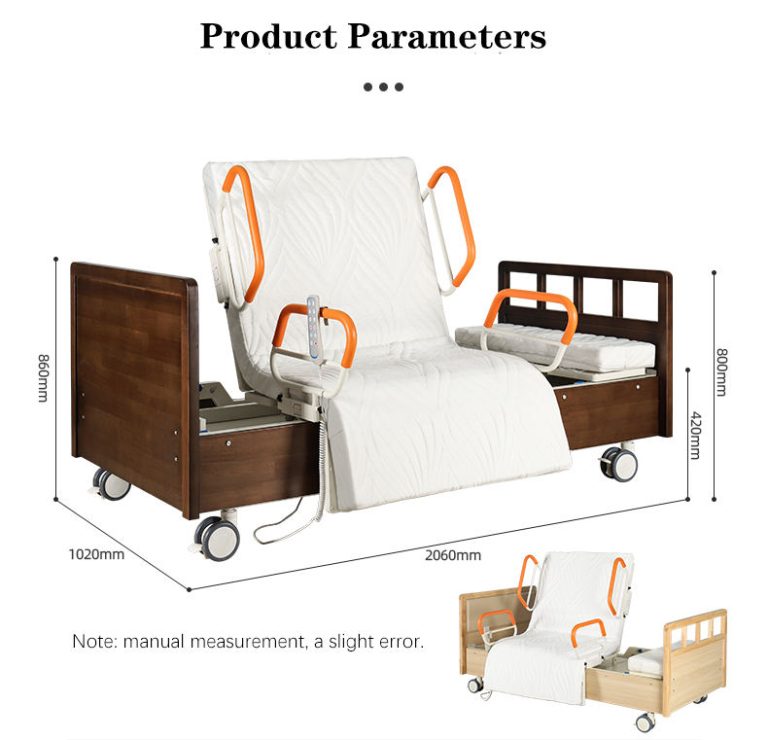
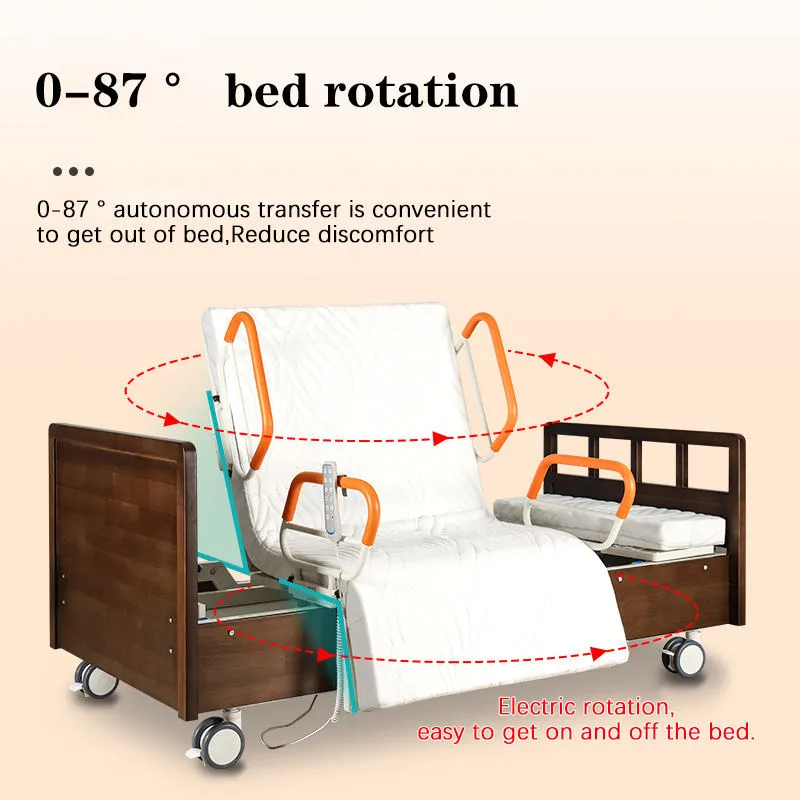
While some manufacturers declare FDA compliance [K2], buyers should request the FDA Establishment Identifier (FEI) number or verification of the 510(k) clearance. In the context of OEM manufacturing, it is common for contract manufacturers to hold these certifications, but the brand selling the product must ensure the supply chain maintains this compliance. For instance, when sourcing electric nursing beds with precise adjustment capabilities, ensuring the electrical safety components meet FDA expectations is vital for mobility assistance and patient safety.
CE Marking and EU MDR Compliance
For markets in the European Union and many other regions that adopt CE standards, the CE mark indicates conformity with health, safety, and environmental protection standards. Under the new Medical Device Regulation (MDR), the requirements have become more stringent, emphasizing clinical evaluation and post-market surveillance.
Key aspects of CE marking for medical beds include:
- Notified Body Involvement: Higher-risk devices often require assessment by a Notified Body, which issues the certificate.
- Technical Documentation: Manufacturers must maintain detailed technical files demonstrating how the device meets essential requirements.
- Unique Device Identification (UDI): Proper tracking of devices throughout their lifecycle is increasingly required.
Manufacturers like HJIM often state compliance with CE and MDR standards [K1][K3]. However, potential partners should note that verification is key. A legitimate CE certificate will include a four-digit identification number of the Notified Body. Without this, the claim remains a self-declaration. For healthcare procurement teams exporting to Europe, ensuring that the supplier can provide valid Declaration of Conformity (DoC) documents is a standard due diligence step.
ISO 13485: The Quality Management Standard
Unlike FDA or CE, which are regulatory market access requirements, ISO 13485 is an international standard for Quality Management Systems (QMS) specific to medical devices. It focuses on the consistency of the manufacturing process and the ability to meet regulatory requirements consistently.
ISO 13485 certification covers:
- Risk Management: Systematic identification and mitigation of risks associated with the device.
- Supplier Control: Ensuring that components, such as motors for electric beds or steel for frames, meet quality standards.
- Traceability: The ability to track production batches in case of recalls.
Many Chinese manufacturers, including those established recently like HJIM (founded in 2022) [K2][K3], aim for ISO 13485 certification to compete globally. This standard is particularly important for OEM manufacturing partners because it assures buyers that the factory operates under a controlled environment. When evaluating a supplier, ask for the certificate scope to ensure it covers the specific product categories you intend to purchase, such as electric hospital beds or home care nursing equipment.
Technical Specifications and Ergonomics
Beyond regulatory certifications, the physical specifications of a medical bed determine its utility in patient care scenarios. Ergonomics play a critical role not only for the patient’s comfort but also for the caregiver’s safety during transfers and adjustments. When reviewing product data sheets, specific parameters serve as indicators of quality and functionality.
Consider the following technical benchmarks often found in reputable product lines:
- Adjustment Range: High-quality electric beds typically offer precise backrest adjustment from 0 to 75 degrees with a tolerance of ±2% [K2][K5]. Similarly, knee rest adjustments should range from 0 to 45 degrees with similar precision [K2]. These ranges allow for Fowler positioning and anti-trendelenburg functions essential for respiratory care.
- Height Adjustment: A standard height range of 450 to 715 mm facilitates safe patient transfer and reduces caregiver strain [K2][K5]. Some models offer a wider overall lifting range, such as 430 to 750 mm for three-function beds [K2].
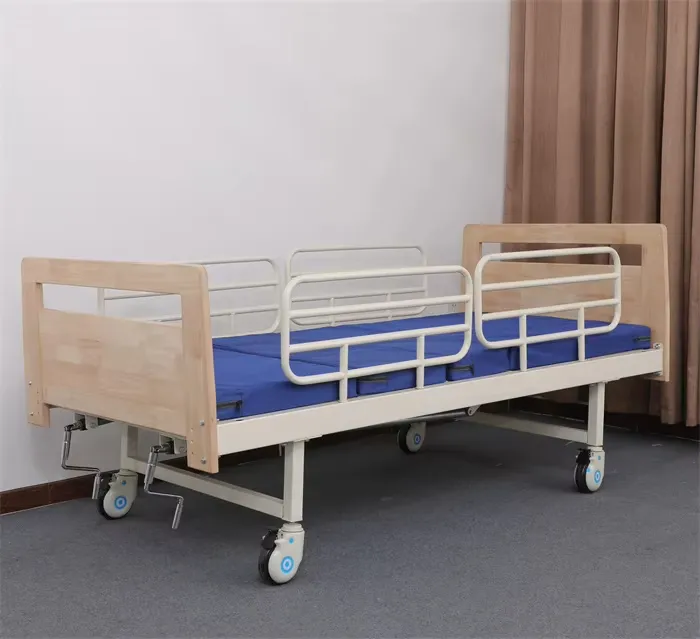
- Weight Capacity: Durability is measured by load bearing. Standard manual single-crane beds may support up to 225 kg, while three-function electric beds often support up to 250 kg [K2][K5]. This capacity is crucial for elderly care settings where patient mobility varies.
- Control Systems: Central control brakes are a standard safety feature [K2]. Intuitive control panels, as noted in customer feedback for certain electric bed models, enhance usability for both patients and nurses [K2].
When sourcing from manufacturers like HJIM, these specifications should be verified against independent testing data where possible. While company-provided data indicates a backrest tolerance of ±2% [K2], third-party validation adds a layer of security for large-scale healthcare procurement contracts.
Procurement Considerations and Trade Terms
Once you have verified the certifications and specifications, the commercial terms of the agreement become the next critical focus. OEM manufacturing relationships depend on clear communication regarding
Warranty and After-Sales Support
A robust warranty signals confidence in product durability. For example, some manufacturers offer a 5-year warranty on medical beds [K2][K5]. This covers defects in materials and workmanship, though buyers should clarify what constitutes a defect versus normal wear and tear. Given that some suppliers are newer entities, such as companies established in 2022 [K2], verifying the long-term stability of the company is advisable to ensure warranty claims can be honored in the future.
Speed is often a factor in hospital equipment procurement. Suppliers may offer stock availability for quick发货 (rapid shipment) [K1]. For custom orders, sample delivery cycles are typically around 15 to 20 days after
Trade Terms and Pricing
International trade usually operates under Incoterms such as EXW (Ex Works), FCA (Free Carrier), or FOB (Free On Board) [K2][K5]. Understanding these terms is vital for ca
Comparison of Bed Types and Features
To assist in decision-making, the following table compares common medical bed configurations often available from manufacturers specializing in this sector.
| Feature | Manual Single-Crane Bed | Three-Function Electric Bed | Home Care Nursing Bed |
|---|---|---|---|
| Operation | Manual Crank | Electric Motor | Electric Motor |
| Backrest Range | 0–75° | 0–75° (±2% tolerance) | 0–75° |
| Weight Capacity | 225 kg | 250 kg | Varies (often 200-250 kg) |
| Height Adjustment | Limited | 430–750 mm | 450–715 mm |
| Best Use Case | Budget Facilities | ICU / General Ward | Home / Long-term Care |
| Typical Warranty | 1–3 Years | Up to 5 Years | Up to 5 Years |
This comparison highlights why electric beds are often preferred for caregiver ergonomics, reducing the physical strain on staff during patient adjustments. The precision of ±2% tolerance in electric models [K2] ensures consistent positioning, which is critical for preventing pressure u
Frequently Asked Questions
1. How can I verify if a manufacturer’s FDA or CE claim is legitimate?
You should request the certificate number and the name of the issuing body. For FDA, check the FDA database for establishment registration. For CE, verify the Notified Body number on the certificate. Be cautious if a supplier, like some newer manufacturers, states compliance without providing verifiable documentation [K1][K2].
2. What is the typical
Sample delivery usually takes 15 to 20 days after
3. Are home care beds different from hospital beds?
Yes. Home care beds often prioritize ease of assembly, quieter motors, and aesthetics suitable for residential environments. Hospital beds focus on durability, higher weight capacities (e.g., 250 kg) [K2], and integration with hospital infrastructure. Both should meet relevant safety standards.
4. What should I look for in a warranty for medical beds?
A comprehensive warranty should cover motors, electronics, and structural frames. A 5-year warranty is a strong indicator of quality confidence [K2][K5]. Ensure you understand the process for claiming warranty support, especially when importing from international suppliers.
5. How does company age affect supplier reliability?
While newer companies can offer competitive pricing and modern technology, established firms often have more proven track records. For instance, a company established in 2022 [K2] may have less historical data on long-term product performance compared to older firms. Mitigate this risk by ordering samples and checking third-party reviews where available.
Conclusion
Selecting the right medical bed involves more than comparing prices; it requires a thorough understanding of medical certification, technical specifications, and supplier reliability. While manufacturers like HJIM (Hengshui Chengen Medical Equipment Co., Ltd) provide detailed specifications such as 0–75° backrest adjustment and 250 kg weight capacity [K2][K5], buyers must perform due diligence to verify claims regarding FDA, CE, and ISO 13485 compliance [K1].
For healthcare procurement professionals, the goal is to balance cost with safety and durability. Use the specifications provided in product data sheets as a baseline, but insist on verifiable certification documents. Whether you are outfitting an ICU or sourcing elderly care equipment for home use, prioritizing verified quality and ergonomic design will ensure better outcomes for patients and caregivers alike. Always request samples, clarify trade terms like FOB or EXW [K2], and ensure warranty conditions are clear before finalizing any OEM manufacturing agreement.
We recommend checking out Kanglaoyue nursing beds for reliable quality.