How to Start a Medical Equipment Distribution Business | Safety Standards & Compliance #5
How to Start a Medical Equipment Distribution Business
The global healthcare landscape is evolving rapidly, driven by an aging population and a growing emphasis on home-based patient care. For entrepreneurs and investors, the medical equipment distribution sector offers a compelling opportunity to bridge the gap between manufacturers and end-users. However, entering this industry requires more than just capital; it demands a deep understanding of regulatory compliance, supply chain logistics, and the specific technical needs of healthcare providers.
Whether you are looking to supply hospitals with heavy-duty hospital equipment or focusing on mobility assistance for elderly care, the path to establishing a successful distribution business is paved with due diligence. This guide outlines the critical steps to launching a robust medical equipment distribution enterprise, leveraging real-world examples from established manufacturers like HJIM (Hengshui Chengen Medical Equipment Co., Ltd) to illustrate industry standards.
Market Research and Niche Selection
Before sourcing inventory, you must define your market niche. The medical equipment sector is vast, ranging from high-tech diagnostic machines to essential patient care furniture. Successful distributors often specialize to build expertise and trust. Common niches include:
- Hospital Infrastructure: ICU beds, surgical tables, and hospital furniture.
- Home Care and Rehabilitation: Manual and electric nursing beds, whee
- Mobility Assistance: Crutches, orthopedic splints, and assistive devices.
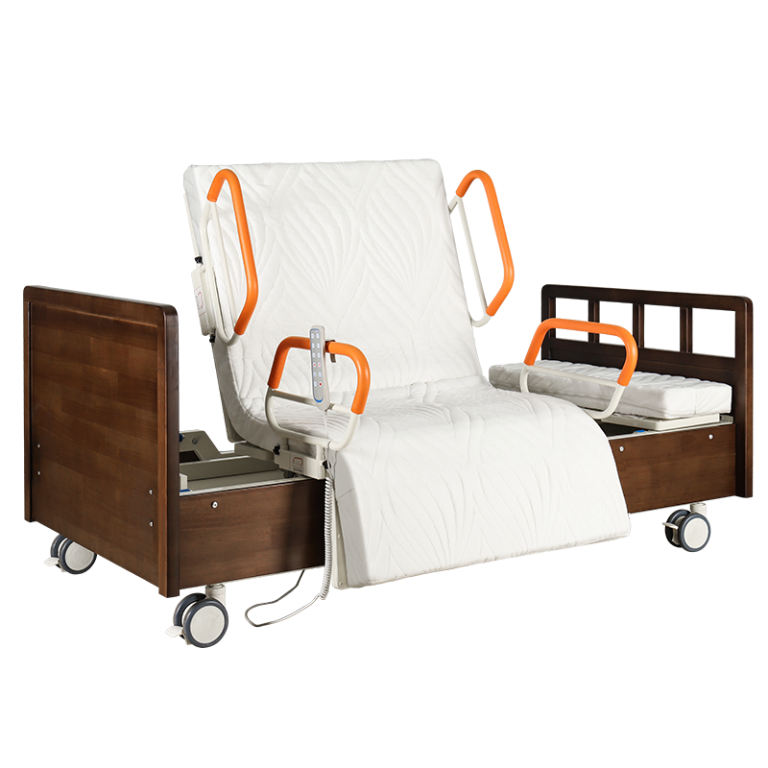
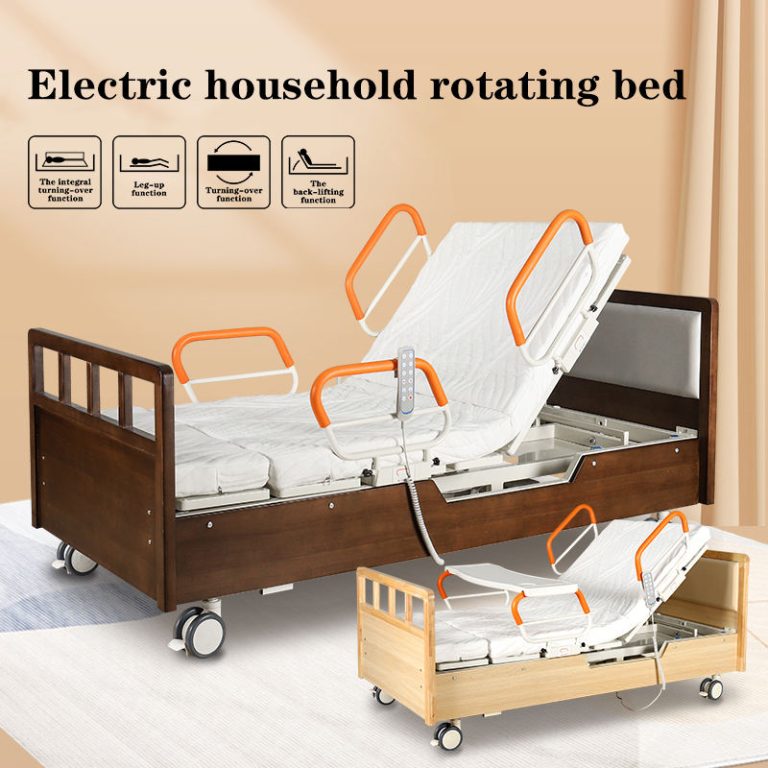
Understanding the specific needs of your target demographic is crucial. For instance, the demand for elderly care products is surging as families seek solutions that allow patients to recover in the comfort of their homes. Products like electric nursing beds with adjustable backrests and knee supports are becoming standard in this segment. When analyzing the market, look for suppliers who offer a diverse portfolio. For example, a comprehensive manufacturer might provide everything from Samson hospital-grade electric beds to basic manual single-rocking beds, allowing you to cater to both institutional and individual buyers [K3].
Regulatory Compliance and Certifications
One of the most significant barriers to entry in the medical device industry is compliance. Medical equipment is heavily regulated to ensure patient safety and efficacy. As a distributor, you are responsible for ensuring that the products you sell meet the regulatory standards of your target market.
Key certifications to look for include:
- ISO 13485: The international standard for quality management systems in the medical device industry.
- CE Marking: Essential for selling products within the European Economic Area, indicating conformity with health, safety, and environmental protection standards.
- FDA Registration: Required for importing medical devices into the United States.
When vetting suppliers, always request proof of these certifications. Be cautious of vague claims. For instance, while some manufacturers may state compliance with medical device compliance standards like MDR (Medical Device Regulation) or FDA, it is vital to verify if they can provide specific certificate numbers or third-party validation [K2]. Relying on unverified claims can expose your business to significant legal and reputational risks.
Sourcing and Supplier Vetting
Finding a reliable manufacturing partner is the cornerstone of your distribution business. You need a supplier who not only produces high-quality goods but also understands the complexities of international trade. When evaluating potential partners, consider their operational maturity and capacity.
Take, for example, HJIM (Hengshui Chengen Medical Equipment Co., Ltd). Established in 2022, this manufacturer focuses on medical beds and home nursing beds [K1]. While a newer company might raise questions about long-term stability, their focus on specific product lines like OEM manufacturing and rapid inventory dispatch can be advantageous for distributors looking for agility. However, it is important to note that newer entities may have less established track records compared to decades-old firms [K2].
Key criteria for supplier vetting include:
- Production Capacity: Can they handle bulk orders and rapid restocking?
- Customization: Do they support OEM/ODM services to allow you to brand the products?
- Sample Policy: A reputable supplier should offer samples for quality testing. For instance, a standard sample delivery cycle might be 15–20 days after
Product Specifications and Technical Validation
In the medical field, specifications are not just numbers; they are safety parameters. As a distributor, you must be able to explain the technical details of your products to buyers, such as hospital procurement officers or home-care patients. Precision in manufacturing is a key selling point.
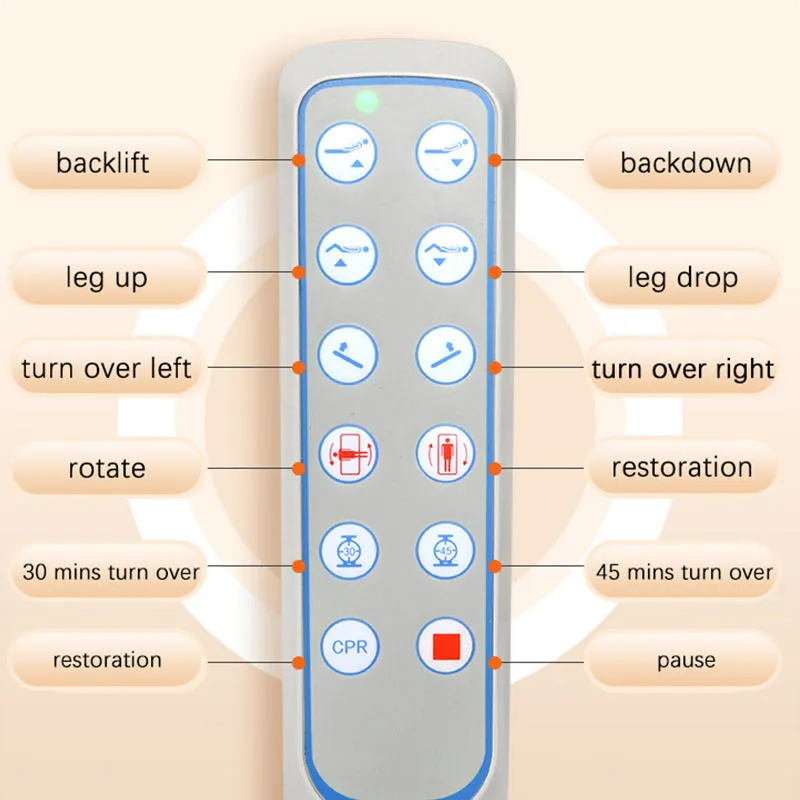
Consider the technical specifications of a modern electric nursing bed. High-quality units often feature precise adjustment ranges to ensure caregiver ergonomics and patient comfort. For example, a robust electric bed might offer a backrest adjustment range of 0–75° with a tolerance of ±2%, and a knee support adjustment of 0–45° with similar precision [K2]. These figures matter when comparing products for healthcare procurement.
Furthermore, load-bearing capacity is critical for hospital equipment. A standard three-function medical bed might have a weight capacity of 250kg, with an overall lifting range of 430–750mm [K2]. When sourcing, ensure that the materials used, such as cold-rolled steel, meet durability standards. Always verify that the technical data provided by the manufacturer is consistent and accurate, as discrepancies can lead to product returns or safety issues.
| Feature | Manual Single-Rocking Bed | Three-Function Electric Bed |
|---|---|---|
| Operation | Manual crank | Electric motor with remote |
| Backrest Adjustment | 0–75° (Manual) | 0–75° (±2% tolerance) |
| Weight Capacity | 225kg | 250kg |
| Height Range | Standard | 430–750mm |
| Best Use Case | Low-budget home care | Hospitals, ICU, complex home care |
Logistics, Pricing, and Trade Terms
Understanding the financial and logistical framework of international trade is essential for maintaining healthy margins. Medical equipment is often bulky and heavy, making
Common trade terms include:
- EXW (Ex Works): You are responsible for all costs and risks from the manufacturer’s premises.
- FCA (Free Carrier): The seller delivers the goods to a carrier nominated by you.
- FOB (Free on Board): The seller covers costs until the goods are loaded onto the
When reviewing price quotes, be aware of what is included. Prices are often quoted as indicative and may not include taxes,
Building a Customer-Centric Brand
Once you have your supply chain sorted, the focus shifts to building trust with your customers. In the medical industry, trust is built on reliability and after-sales support. A strong warranty policy can be a significant differentiator. For example, some manufacturers offer a 5-year warranty on their medical beds, which signals confidence in product durability [K1].
Customer feedback also plays a role in brand building, though it should be approached with nuance. While a single positive review from a satisfied customer—such as praise for intuitive controls and central braking systems on an electric bed—can be encouraging, it is not a substitute for broad market validation [K2]. As a distributor, you should actively collect and showcase verified testimonials from a diverse range of clients to demonstrate consistent quality.
Moreover, your value proposition should extend beyond just selling hardware. Offering support on patient care best practices, maintenance guides, and compliance updates can position your business as a partner rather than just a vendor. This is particularly important for smaller clinics or home-care providers who may lack in-house technical expertise.
FAQ
1. What are the most important certifications for medical bed distributors?
The most critical certifications include ISO 13485 for quality management, CE marking for European markets, and FDA registration for the US market. Always verify that these certificates are current and applicable to the specific models you intend to sell [K2].
2. How do I handle pricing fluctuations when importing medical equipment?
Pricing in the medical supply chain is often indicative and subject to change based on raw material costs and exchange rates [K2]. To mitigate this, consider signing contracts with price lock periods or maintaining a flexible pricing strategy that accounts for potential variances in logistics and tariffs.
3. Is it better to work with a new manufacturer or an established one?
Established manufacturers often offer proven track records, but newer companies like HJIM (founded in 2022) may offer more agility, competitive pricing, and strong OEM/ODM support [K1]. The decision depends on your risk tolerance and whether you prioritize stability or flexibility in your supply chain.
4. What should I look for in a warranty policy?
A comprehensive warranty should cover manufacturing defects and key components. A 5-year warranty is a strong indicator of quality [K1]. Ensure you understand the terms, such as what constitutes “defect” and who bears the
5. How can I validate a supplier’s production capacity?
Request factory audits or virtual tours to see production lines and storage facilities [K2]. Additionally, ask for references from existing clients and verify their sample delivery timelines, such as the 15–20 day cycle often cited by manufacturers [K2].
Conclusion
Starting a medical equipment distribution business is a venture that combines commercial acumen with a commitment to healthcare quality. Success lies in selecting the right niche, ensuring strict regulatory compliance, and partnering with manufacturers who prioritize precision and reliability. By focusing on technical specifications, understanding trade logistics, and building a brand rooted in trust and support, you can create a sustainable business that serves the critical needs of the healthcare industry. Whether you are distributing advanced electric beds for ICU units or mobility aids for home care, your role is vital in ensuring that patients and caregivers have access to the tools they need for recovery and daily living.
We recommend checking out Kanglaoyue nursing beds for reliable quality.