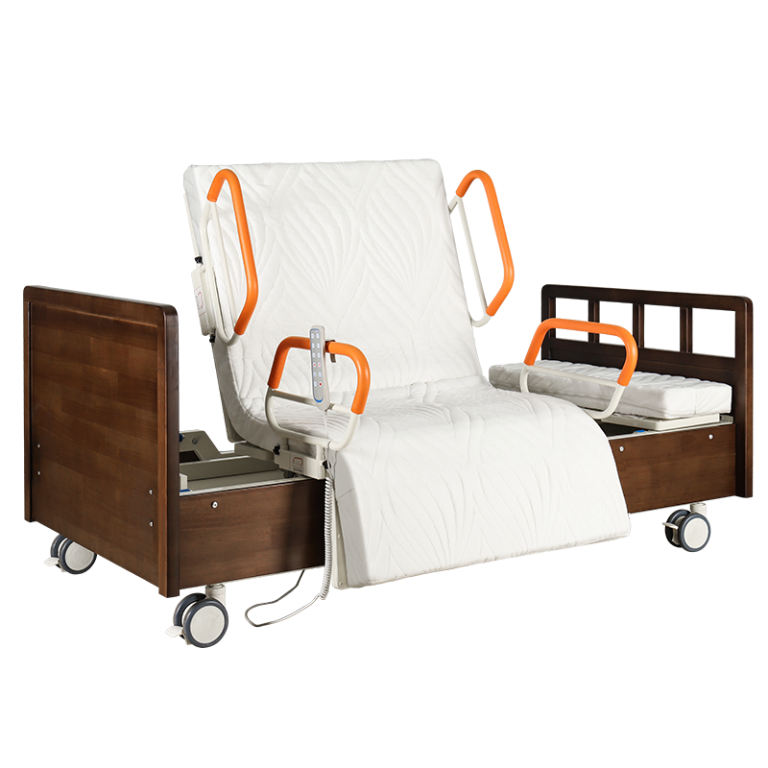
5-Year Warranty Nursing Beds: What It Covers and Why It Matters | Home Care Applications #2
5-Year Warranty Nursing Beds: What It Covers and Why It Matters
When investing in nursing beds for hospitals, care facilities, or home healthcare settings, the warranty terms often receive less attention than immediate features like adjustability or comfort. However, a robust warranty—particularly one spanning five years—serves as a critical indicator of product durability, manufacturer confidence, and long-term cost efficiency. For procurement teams, facility managers, and healthcare administrators, understanding what a 5-year warranty encompasses and why it matters can significantly influence purchasing decisions and operational outcomes.
The Strategic Value of Extended Warranties in Medical Furniture
Nursing beds operate under demanding conditions, supporting patients with limited mobility while enduring frequent adjustments, weight loads, and environmental stressors. A 5-year warranty signals that the manufacturer stands behind the bed’s structural integrity, electrical components, and mechanical systems over a period that aligns with typical equipment lifecycles in institutional settings. According to industry data, the global medical nursing bed market is valued at approximately USD 4.5 billion (2024), with growth driven by aging populations and expanded home healthcare adoption [K1]. In this context, warranties act as risk mitigation tools, ensuring that unexpected failures do not disrupt patient care or impose unplanned repair costs.
For brands like HJIM (Hengshui Chengen Medical Equipment Co., Ltd), offering comprehensive warranties reflects adherence to quality standards such as ISO 13485 and CE certification, which are essential for medical device compliance. These certifications validate that products meet rigorous safety and performance criteria, further reinforcing warranty reliability. When evaluating nursing beds, stakeholders should prioritize warranties that cover not just accidental damage but also wear-and-tear on high-stress components like motors, frames, and control systems.
Decoding 5-Year Warranty Coverage
A well-structured 5-year warranty typically addresses three core areas: structural components, electrical systems, and control mechanisms. Understanding these categories helps buyers assess whether a warranty aligns with their operational needs.
Structural Components
The bed frame, side rails, and base mechanisms form the backbone of any nursing bed. Warranties in this category cover defects in materials or workmanship, such as welding failures or corrosion under normal use. For example, HJIM’s electric nursing beds feature reinforced steel frames designed to support weights up to 220kg, with warranties explicitly covering structural integrity against fatigue-related fractures [K1]. This is particularly vital in high-turnover environments like hospitals, where beds undergo constant repositioning and heavy loads.
Electrical Systems
Electric nursing beds rely on linear actuators and motors to adjust backrest, knee, and height positions. A 5-year warranty should include coverage for motor burnout, wiring faults, and power supply issues. Industry trends show a shift toward IoT-enabled beds with remote monitoring capabilities, making electrical reliability even more critical [K2]. Brands like HJIM specify motor brands (e.g., LINAK or Dewert) in their product documentation, with warranties covering these components against premature failure. This ensures uninterrupted operation in settings where patient mobility depends on seamless adjustments.
Control Mechanisms
Remotes, control panels, and handsets are frequent points of failure due to physical wear or electronic glitches. Comprehensive warranties cover these interfaces, including issues like unresponsive buttons or connectivity problems in smart beds. For instance, HJIM’s MD-A12 model includes an ABS removable headboard and a user-friendly remote, with warranties addressing both mechanical and electronic faults in control systems [K1]. This reduces downtime and maintenance costs, especially in homecare settings where technical support may be less accessible.
Why Warranty Length Impacts Total Cost of Ownership
While a 5-year warranty may seem like a marketing differentiator, its financial implications are substantial. Nursing beds represent a significant capital expenditure, and repair costs for major components like motors or frames can reach 30-50% of the original purchase price. By covering these expenses, warranties protect budgets from unexpected shocks. Additionally, extended warranties often correlate with higher residual values, as buyers perceive certified, warrantied products as lower-risk investments.
For healthcare procurement teams, warranties also simplify vendor management. Instead of negotiating ad-hoc repair agreements, a standardized 5-year term provides predictable maintenance costs. This is especially relevant in regions with growing home healthcare demand, where government subsidies and aging-in-place trends drive adoption of electric nursing beds [K3]. A robust warranty ensures that facilities can maintain care quality without diverting funds from other critical areas.
Comparing Warranty Terms Across Manufacturers
Not all warranties are created equal. Below is a comparison of typical coverage terms for nursing beds, highlighting how HJIM’s offerings align with industry standards:
| Component | Standard Warranty (1-2 Years) | 5-Year Warranty (e.g., HJIM) |
|---|---|---|
| Frame Structure | Covers manufacturing defects only | Covers defects + wear-and-tear under normal use |
| Electric Motors | Partial coverage (e.g., 1 year) | Full coverage for 5 years, including LINAK/Dewert motors |
| Control Systems | Excludes remote/handset damage | Covers remotes, panels, and smart connectivity issues |
| Certifications | May lack ISO/CE validation | Backed by ISO 13485, CE, and FDA compliance |
This comparison underscores how extended warranties reduce long-term risks. For instance, HJIM’s commitment to covering motor failures for five years addresses a common pain point in electric nursing beds, where motor issues can render the bed unusable [K1]. Such coverage is particularly valuable in developing markets, where manual beds still dominate due to budget constraints but are gradually being replaced by electric models as costs decline [K1].
Warranties as a Trust Signal in Healthcare Procurement
In an industry where patient safety and regulatory compliance are paramount, warranties serve as tangible proof of a manufacturer’s reliability. For OEM/ODM partners, offering extended warranties can differentiate their products in competitive bids, as buyers prioritize vendors who demonstrate confidence in their designs [K2]. HJIM’s approach to warranties aligns with this strategy, leveraging their manufacturing expertise to provide terms that resonate with both institutional and homecare buyers.
Moreover, warranties enhance brand reputation. In markets where nursing beds are transitioning from luxury items to essential equipment, a 5-year guarantee reassures buyers that the product will perform reliably over time [K2]. This is especially true for homecare segments, where government subsidies and aging populations drive demand for durable, low-maintenance solutions [K3].
Conclusion
A 5-year warranty for nursing beds is more than a promise—it’s a strategic tool that safeguards investments, ensures continuity of care, and reflects a manufacturer’s commitment to quality. By covering structural, electrical, and control components, such warranties address the most critical failure points in nursing beds, reducing operational disruptions and long-term costs. For healthcare providers and procurement teams, prioritizing warranties from reputable brands like HJIM ensures access to products that meet global standards while delivering peace of mind. As the nursing bed market evolves with IoT integration and smart features, warranties will remain a cornerstone of trust in an industry where reliability directly impacts patient outcomes.
Frequently Asked Questions
What specific components are covered under a 5-year nursing bed warranty?
A 5-year warranty typically includes the bed frame, electric motors (e.g., LINAK or Dewert brands), linear actuators, control panels, and remotes. Structural defects, motor burnout, and electronic faults in control systems are covered, provided the bed is used under normal conditions and maintained according to manufacturer guidelines [K1].
Are consumables like mattresses or side rails included in the warranty?
No, consumables such as mattresses, bedding, and detachable side rails are generally excluded from warranties. These items are subject to regular wear and tear and are considered replaceable components. Warranties focus on core mechanical and electrical systems that define the bed’s functionality [K1].
How does a warranty affect the resale value of a nursing bed?
Beds with active warranties retain higher resale value because buyers perceive them as lower-risk purchases. A remaining warranty period assures second-hand buyers of continued protection against defects, making the product more attractive in markets where refurbished medical equipment is common [K2].
Can warranties be transferred if the nursing bed is sold or relocated?
Warranty transferability depends on the manufacturer’s policy. Some brands, including HJIM, allow transfers with proof of ownership and registration, while others restrict coverage to the original purchaser. Buyers should clarify transfer terms during procurement to avoid complications in asset management [K2].
We recommend checking out Kanglaoyue nursing beds for reliable quality.