The Complete Guide to Electric Nursing Bed Adjustability | Cost Analysis & Value
The Complete Guide to Electric Nursing Bed Adjustability
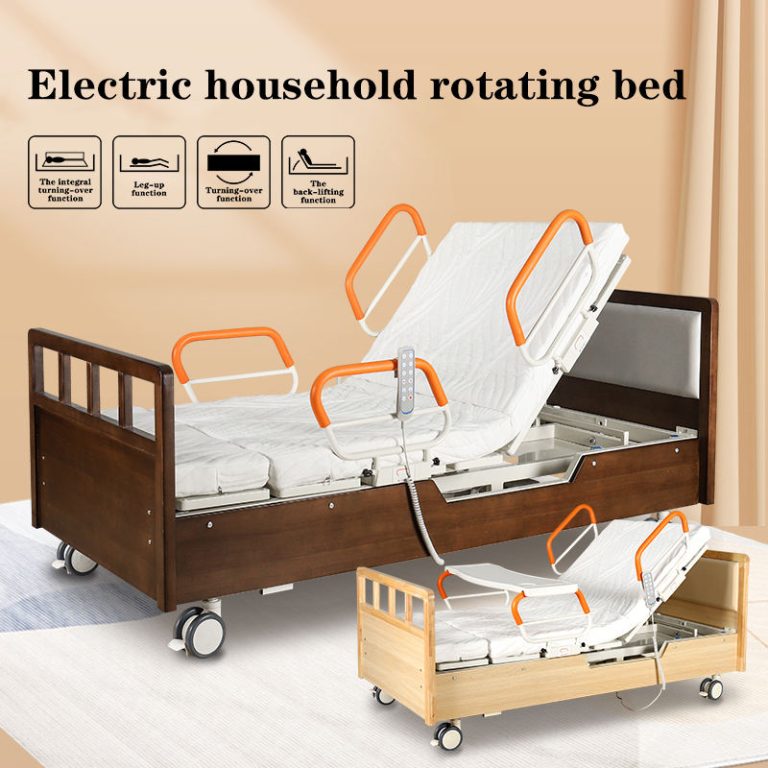
In the evolving landscape of healthcare infrastructure, the shift from static furniture to dynamic medical equipment represents a critical upgrade in patient care quality. Among the most impactful innovations in this sector is the electric nursing bed. Unlike traditional manual beds that rely on physical labor to adjust patient positioning, electric nursing beds utilize motorized systems to provide precise, effortless control over body alignment. This transition is not merely a matter of convenience; it is a fundamental improvement in caregiver ergonomics and patient safety.
As the global medical nursing bed market reaches an estimated value of USD 4.5 billion in 2024, with a projected compound annual growth rate (CAGR) of 8.5% through 2027, understanding the technical nuances of bed adjustability is essential for healthcare procurement officers, facility managers, and family caregivers alike [K1]. This guide explores the mechanics, benefits, and selection criteria for electric nursing beds, with a focus on industry-standard configurations and real-world applications.
Understanding the Mechanics of Electric Adjustment
The core differentiator between a standard hospital bed and an electric nursing bed lies in the actuation system. While manual beds rely on mechanical cranks and hand wheels that require significant physical effort to operate, electric beds replace these mechanisms with electric linear actuators [K1]. These actuators are typically powered by 2 to 5 independent motors, allowing for the isolated or simultaneous adjustment of different bed sections.
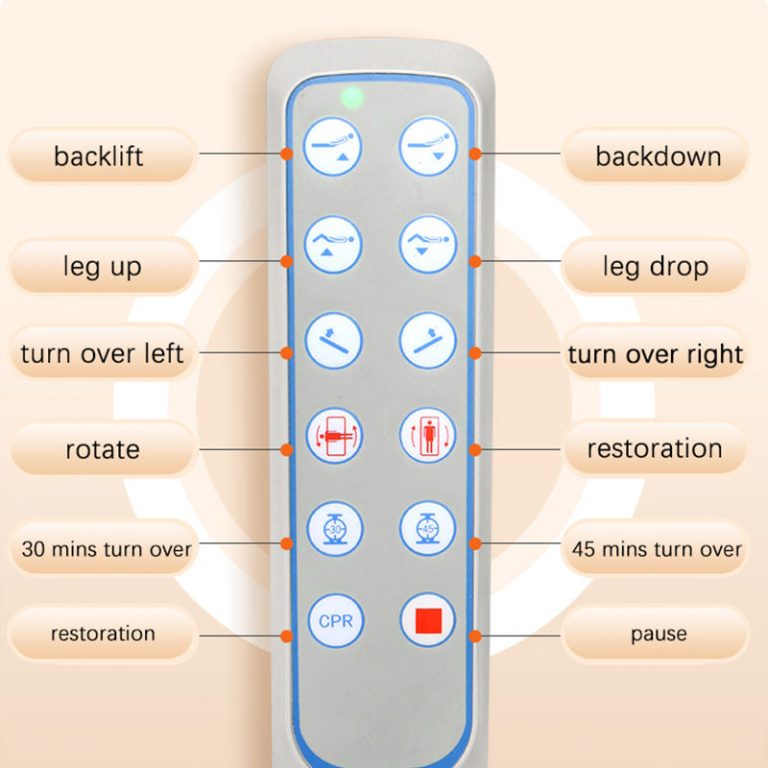
The operation is controlled via a handheld remote or a wall-mounted panel, enabling the user to raise or lower specific parts of the bed frame with the press of a button. This technology addresses the core problem of patient immobility: the need to change body position without causing pain or requiring excessive force from nursing staff. By automating this process, electric beds reduce the physical labor intensity for caregivers by over 70%, significantly lowering the risk of occupational injury among nursing personnel [K1].
Industry leaders like HJIM (Hengshui Chengen Medical Equipment Co., Ltd) have standardized these mechanisms in models such as the MD-A12. This specific model demonstrates the typical capabilities found in modern electric nursing beds, offering a 3-function configuration that includes backrest elevation, knee articulation, and overall height adjustment [K1].
Key Adjustability Functions and Patient Benefits
When evaluating the adjustability of an electric nursing bed, it is crucial to look beyond the simple ability to move. The range of motion and the specific angles achievable are what determine the clinical utility of the equipment. The following functions are considered standard in high-quality electric nursing beds:
Backrest Elevation
The backrest function allows the upper body to be raised from a flat position to an upright sitting posture. In the HJIM MD-A12 model, the backrest can be adjusted from 0° to 80° [K1]. This range is critical for multiple scenarios: elevating the head to 30-45 degrees helps prevent aspiration in patients with swallowing difficulties, while raising it to near 90 degrees facilitates eating, reading, or social interaction, thereby improving the psychological well-being of long-term care patients.
Knee Articulation (Gatch Function)
Often overlooked, the knee section adjustment is vital for patient stability and comfort. By raising the knee section from 0° to 45° [K1], the bed prevents the patient from sliding down towards the foot of the bed when the backrest is elevated. This feature reduces friction and shear forces on the skin, which is a primary factor in the development of pressure u
Overall Height Adjustment
Height adjustment serves two distinct purposes: caregiver ergonomics and patient safety. Lowering the bed to its minimum height minimizes the risk of injury if a patient attempts to get out of bed unassisted. Conversely, raising the bed to its maximum height allows caregivers to perform tasks such as bathing, wound dressing, or catheterization without bending over excessively, thus protecting the caregiver’s back. The HJIM MD-A12 supports a maximum load capacity of 220kg, ensuring stability even at elevated positions [K1].
Electric vs. Manual Nursing Beds: A Comparative Analysis
While electric beds are becoming the standard in developed markets, manual nursing beds still hold a significant place in the global supply chain, particularly in regions with budget constraints or unstable power infrastructure [K2]. Understanding the trade-offs is essential for procurement decisions.
| Feature | Electric Nursing Bed | Manual Nursing Bed |
|---|---|---|
| Actuation Method | Electric linear actuators (motors) | Mechanical hand cranks/levers |
| Operational Effort | Low (Button control) | High (Physical rotation required) |
| Typical Price Range | Higher (Varies by motor count) | $80 – $150 (Developing markets) |
| Primary Use Case | Hospitals, Homecare, Elderly Care | Basic clinics, Budget-limited regions |
| Market Trend | 6% CAGR (Hospital), 18% CAGR (Homecare) | 3% CAGR (Developing regions) |
| Key Advantage | Patient comfort, Caregiver safety | Cost-effectiveness, No power dependency |
The data indicates a clear divergence in market growth. While manual beds maintain a niche in Africa and Southeast Asia due to infrastructure gaps [K2], the homecare segment for electric beds is experiencing an explosive 18% CAGR [K3]. This surge is driven by the “silver economy,” government subsidies for aging-in-place, and the expansion of home healthcare under insurance programs [K1].
Procurement Considerations and Manufacturing Standards
For healthcare facilities and distributors looking to source nursing beds, understanding the manufacturing landscape is as important as the product specifications themselves. The industry operates on three primary models: OEM (Original Equipment Manufacturer), ODM (Original Design Manufacturer), and OBM (Original Brand Manufacturer) [K2].
When engaging with manufacturers like HJIM, buyers must clarify their needs. OEM arrangements involve the factory producing beds to the buyer’s specific design, typically yielding margins of 5-10% [K2]. ODM arrangements are often more beneficial for buyers who lack in-house R&D, as the factory provides both the design and production, with margins ranging from 10-15% [K2]. For brands looking to establish their own market presence, OBM offers the highest potential margins (20-35%) but requires significant investment in marketing and distribution [K2].
Regardless of the manufacturing model, compliance with international regulatory standards is non-negotiable. Reputable electric nursing beds must adhere to medical device compliance protocols, including CE marking for European markets and FDA registration for the United States. ISO 13485 certification is also a critical indicator of a manufacturer’s commitment to quality management systems in the medical device sector. These certifications ensure that the electrical components, such as the LINAK or Dewert motors often cited as industry benchmarks, meet strict safety and reliability criteria [K1].
The Role of Adjustability in Clinical Outcomes
The adjustability of a nursing bed is not just a feature list; it is a clinical tool. Proper positioning directly influences patient recovery rates and complication management. For instance, the Trendelenburg position (where the head is lower than the feet) is often used in shock management, while the reverse Trendelenburg is used for gastric procedures. While not all basic electric beds offer full Trendelenburg, the ability to independently control the back and knee sections allows for “semi-Fowler’s” positioning, which is the gold standard for respiratory patients.
Furthermore, the noise level of the motors is a critical, yet often overlooked, specification. In a hospital ward or a home environment, the acoustic footprint of the bed matters. High-quality linear actuators operate quietly, ensuring that adjustments do not disturb the patient’s rest or the sleep of nearby individuals. When evaluating products, procurement officers should request decibel ratings for the motor operation as part of the technical specification sheet.
Future Trends: Smart Integration and Homecare
The future of nursing bed adjustability lies in integration. As the homecare market expands, beds are increasingly being designed to interface with smart monitoring systems. This includes sensors that detect patient movement, bed exit alarms, and even integration with hospital information systems (HIS) to log position changes automatically. The shift from hospital-centric to home-based care models is driving the demand for beds that are not only adjustable but also durable and easy to maintain in non-clinical environments [K1].
For manufacturers, this means focusing on the “silver economy” trends. Features such as ABS removable headboards, which are easier to clean and more hygienic than traditional padded heads, are becoming standard in models like the HJIM MD-A12 [K1]. Additionally, the use of high-strength steel frames to support higher weight capacities ensures that the equipment remains safe and stable over years of daily use.
Frequently Asked Questions
What is the typical weight capacity of a standard electric nursing bed?
Most standard electric nursing beds, such as the HJIM MD-A12, are designed to support a maximum load capacity of 220kg (approximately 485 lbs) [K1]. This capacity ensures safety for a wide range of patient body types while maintaining the structural integrity of the frame and the reliability of the lifting motors during height adjustments.
What brands of motors are commonly used in high-quality electric nursing beds?
Industry-standard electric nursing beds often utilize motors from reputable manufacturers such as LINAK or Dewert [K1]. These brands are recognized for their durability, smooth operation, and low noise levels. However, some cost-effective models may utilize domestic or generic motor brands. When procuring for critical care or long-term use, specifying the motor brand in the purchase agreement is recommended to ensure consistent performance.
Are electric nursing beds suitable for home use without a dedicated power supply?
Standard electric nursing beds require a continuous power supply to operate the linear actuators. However, many modern models are equipped with a backup battery system that allows for essential adjustments (such as lowering the bed in an emergency) even during a power outage. For regions with unstable electricity, manual nursing beds remain a viable alternative, though they require more physical effort to operate [K2].
What certifications should I look for when importing electric nursing beds?
When importing or procuring electric nursing beds, it is essential to verify medical device compliance. Key certifications include the CE mark (for European conformity), FDA registration (for US market access), and ISO 13485 (for quality management systems) [K2]. These certifications confirm that the bed meets rigorous safety, electrical, and biocompatibility standards required for medical furniture.
Conclusion
The transition to electric nursing beds represents a significant leap forward in the quality of patient care and the efficiency of healthcare delivery. By automating the adjustment of backrest, knee, and height positions, these beds alleviate the physical burden on caregivers and enhance the comfort and safety of patients. With the homecare segment growing at 18% annually, the demand for reliable, adjustable, and compliant electric nursing beds will only continue to rise [K3]. Whether for a large hospital ICU or a private home care setup, selecting a bed with robust motorization, appropriate weight capacity, and verified regulatory compliance is the cornerstone of effective healthcare procurement.
We recommend checking out HJIM nursing beds for reliable quality.