Post-Surgery Home Care Beds: Features for Recovery Patients | Importer Selection Guide #5
Post-Surgery Home Care Beds: Features for Recovery Patients
Recovering from surgery at home requires more than just rest—it demands the right environment to support healing, prevent complications, and reduce strain on caregivers. A well-designed home care bed serves as the foundation of this recovery ecosystem, offering critical functionality that addresses both patient comfort and clinical needs. As home-based care models grow globally—projected to expand at an 18% CAGR through 2027 due to aging populations and government subsidies [K1]—understanding the essential features of post-surgery recovery beds becomes vital for families, healthcare providers, and procurement specialists alike.
Why Adjustable Positioning Matters for Surgical Recovery
Post-surgical patients often require precise body positioning to manage pain, prevent complications, and promote healing. The ability to adjust bed angles isn’t merely a convenience—it’s a clinical necessity. Fowler’s position, which elevates the head and back to 45-60° with knees slightly bent, is particularly valuable for respiratory comfort, reducing cardiac preload, and preventing aspiration pneumonia [K1]. This positioning supports patients recovering from abdominal, thoracic, or orthopedic procedures by improving chest expansion and easing breathing.
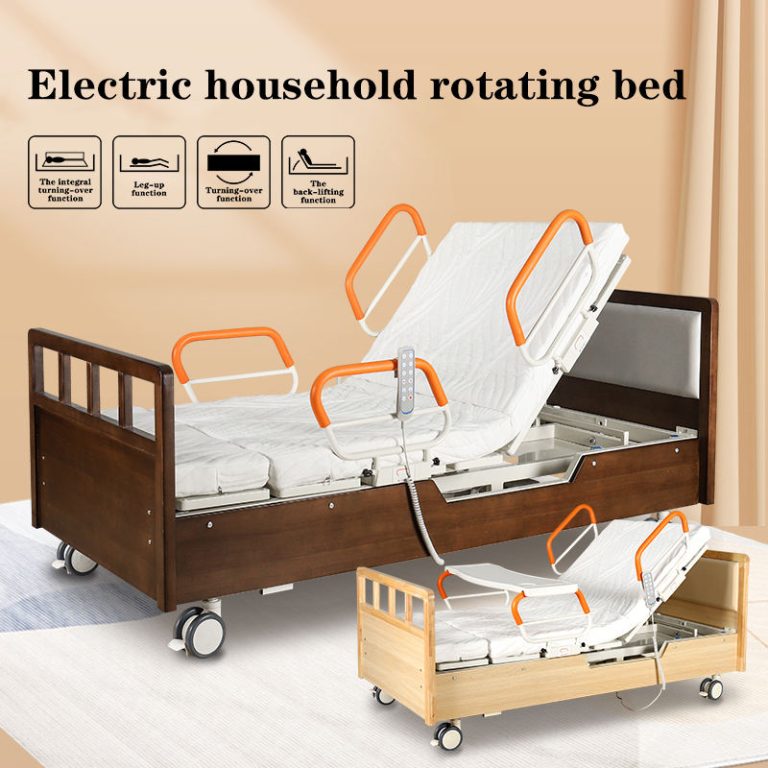
Electric nursing beds like the HJIM MD-A12 exemplify this capability, offering backrest adjustment from 0-75° and knee section movement from 0-45° via remote control [K2]. With a maximum load capacity of 220kg and linear actuators providing smooth transitions, these beds eliminate the physical strain caregivers face when manually repositioning patients—a significant advantage given that electric systems reduce caregiver labor intensity by over 70% compared to manual alternatives [K2].
Safety Features That Prevent Falls and Injuries
Fall prevention represents one of the most critical considerations in post-surgery home care. The overall lift function (Hi-Low) addresses this need directly by allowing the entire bed surface to move between 40-80cm in height [K3]. When lowered to its minimum position, patients can safely transfer to chairs or whee
Modern beds increasingly incorporate smart anti-fall technology, using AI-powered sensors to detect attempted exits and trigger alarms while minimizing false positives [K3]. For patients recovering from procedures affecting mobility or cognition, this feature provides peace of mind during vulnerable recovery periods. Additionally, sturdy side rails and non-slip surfaces further enhance safety protocols, aligning with medical device compliance standards like ISO 13485 and CE certification requirements.
Comfort and Pressure Relief During Extended Recovery
Prolonged bed rest following surgery increases risks of pressure u
For patients with specific surgical needs, features like Trendelenburg positioning (head-down tilt) can improve venous return, while reverse Trendelenburg (head-up tilt) assists with respiratory conditions. The HJIM MD-E103 model demonstrates comprehensive adjustability with its 40-75cm overall lift range and robust construction supporting up to 220kg [K3]. These specifications matter not only for immediate comfort but also for long-term recovery outcomes, particularly for elderly patients or those with pre-existing conditions.
Comparing Manual vs. Electric Nursing Beds
Choosing between manual and electric options depends heavily on patient needs, caregiver capabilities, and budget constraints. The following comparison highlights key differences informed by industry data:
| Feature | Manual Nursing Bed | Electric Nursing Bed |
|---|---|---|
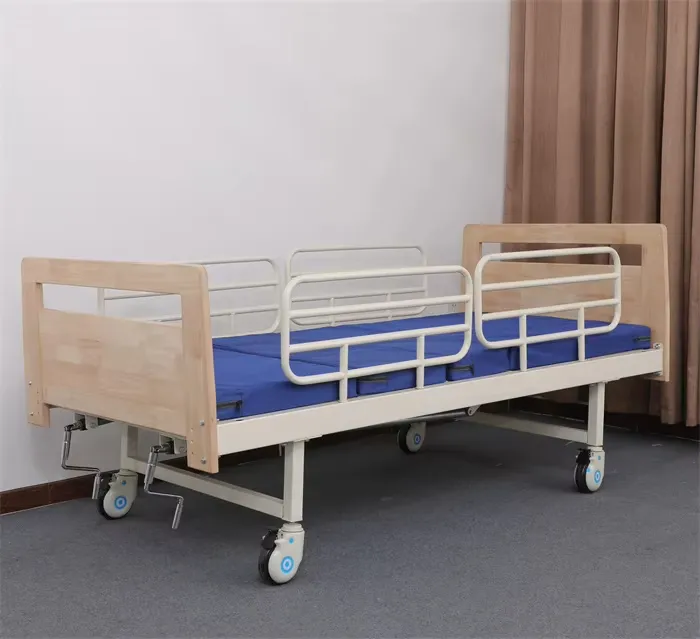
| Operation Method | Hand-cranked mechanical levers | Remote-controlled electric motors |
| Adjustment Precision | Limited to discrete positions | Infinitely variable positioning |
| Caregiver Effort | High physical demand | Minimal effort required |
| Typical Price Range | $80-150 | $300-800+ |
| Ideal Use Cases | Developing markets, budget-limited settings | Home healthcare, elderly care, complex recovery |
| Market Growth | 3% CAGR | 18% CAGR |
While manual beds remain relevant in regions with unstable electricity or severe budget constraints [K2], the global shift toward home-based care models favors electric systems. Their superior ergonomics, precision, and integration capabilities make them increasingly accessible even in cost-sensitive markets as manufacturing efficiencies drive down prices.
Future-Proofing Your Investment with Smart Features
Leading manufacturers now embed connectivity and intelligence into home care beds, transforming them from passive furniture into active recovery tools. IoT integration enables remote monitoring of patient vitals, bed position, and weight distribution via WiFi or 4G connections [K3]. This data proves invaluable for telehealth consultations, allowing physicians to track recovery progress without requiring hospital visits.
Advanced models support voice control through platforms like Alexa and Google Home, enabling patients with limited mobility to adjust positions independently. Predictive maintenance algorithms monitor motor and actuator health, alerting caregivers to potential issues before they become critical failures—a feature particularly important for patients dependent on uninterrupted bed functionality.
Selecting the Right Bed for Your Specific Needs
When evaluating options, consider these essential factors beyond basic functionality:
- Weight Capacity: Ensure the bed supports at least 25% above the patient’s current weight to accommodate future changes or additional equipment
- Dimensions: Verify the bed fits comfortably within your home space while allowing adequate clearance for caregivers to move around
- Certifications: Look for CE marking, ISO 13485 compliance, and FDA registration where applicable to guarantee safety and quality standards
- Warranty Terms: Reputable manufacturers typically offer 1-2 year warranties covering motors, electronics, and structural components
- After-Sales Support: Confirm availability of replacement parts and local service technicians for timely maintenance
For procurement professionals, understanding OEM manufacturing capabilities and medical device compliance requirements ensures consistent quality across batches. Brands like HJIM demonstrate commitment to these standards through rigorous testing protocols and transparent documentation of technical specifications.
Conclusion: Investing in Recovery Infrastructure
A well-chosen home care bed represents more than furniture—it’s an investment in recovery outcomes, caregiver wellbeing, and long-term health management. As the global medical nursing bed market reaches $4.5 billion with continued growth projected through 2027 [K1], selecting features aligned with specific clinical needs becomes increasingly sophisticated. Whether prioritizing basic functionality for short-term recovery or comprehensive smart systems for chronic care management, the right bed creates conditions where healing can truly flourish.
Frequently Asked Questions
What weight capacity should I look for in a post-surgery recovery bed?
Most quality electric nursing beds support 200-250kg maximum loads, with premium models like the HJIM MD-A12 rated for 220kg [K2]. Always select a bed with at least 25% capacity above the patient’s current weight to accommodate potential swelling, additional equipment, or future weight changes during recovery.
Are electric nursing beds worth the extra cost compared to manual models?
Yes, particularly for post-surgery recovery where frequent position changes are medically necessary. Electric beds reduce caregiver labor intensity by over 70% [K2], provide infinitely variable positioning for optimal comfort, and often include essential safety features like anti-fall alarms. While manual beds cost $80-150 [K2], the long-term benefits of electric systems justify the $300-800+ investment for most home recovery scenarios.
What certifications should I verify before purchasing a home care bed?
Look for CE marking (European safety standards), ISO 13485 certification (medical device quality management), and FDA registration where applicable. These credentials ensure the bed meets rigorous testing requirements for electrical safety, mechanical reliability, and biocompatibility of materials in contact with patients.
How do smart features enhance post-surgery recovery at home?
IoT-enabled beds allow remote monitoring of patient vitals and positioning data, supporting telehealth consultations without hospital visits [K3]. Voice control integration enables independent adjustments for patients with limited mobility, while predictive maintenance alerts prevent unexpected malfunctions during critical recovery periods. These features transform the bed from passive equipment into an active component of the recovery ecosystem.