Nursing Bed Installation: DIY vs Professional Setup | Hospital Procurement Guide
Nursing Bed Installation: DIY vs Professional Setup
The decision to purchase a nursing bed is rarely just about the hardware; it is about establishing a safe, functional, and sustainable care environment. Whether for a hospital ward, a nursing home, or a private residence adapting to elderly care needs, the installation process is a critical juncture that determines long-term usability and patient safety. As the global medical nursing bed market continues to expand, projected to reach significant growth through 2027 driven by aging populations and the shift toward home-based care, buyers are increasingly faced with a fundamental choice: assemble the equipment themselves or invest in professional installation services.
This decision is not merely about saving money on labor. It involves understanding the technical complexity of the bed, the regulatory requirements of your region, and the specific needs of the patient. A nursing bed is not a standard piece of furniture; it is a medical device designed to manage patient mobility, prevent complications like pressure u
Understanding the Equipment Complexity
Before evaluating installation methods, one must understand what is being installed. The nursing bed market is broadly divided into two categories: manual nursing beds and electric nursing beds. The complexity of installation varies significantly between these two types, directly influencing the feasibility of a DIY approach.
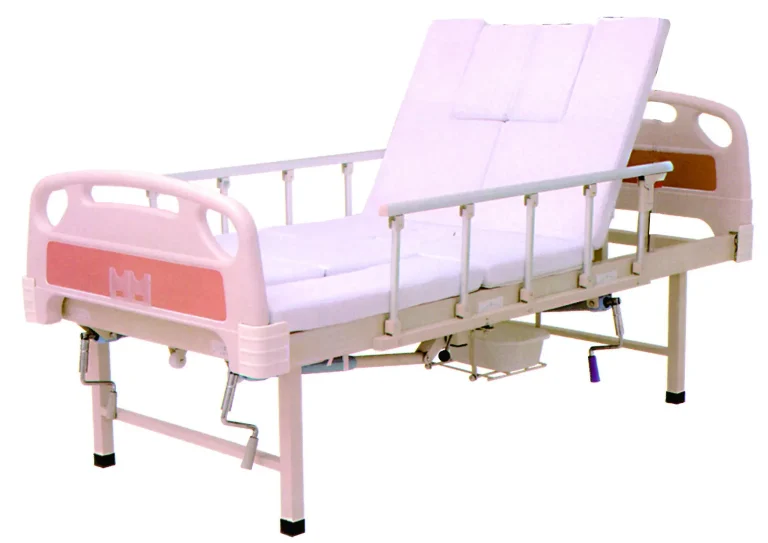
Manual Nursing Beds are the traditional workhorses of the industry. As defined in industry specifications, these beds use mechanical crank handles to adjust the bed height and backrest angle. They are structurally simpler, often consisting of a steel frame, a mattress support system, and a manual drive mechanism. In markets with budget constraints or unstable power supply, such as parts of Africa and Southeast Asia, manual beds remain the primary choice due to their reliability and low cost, typically ranging from $80 to $150 in wholesale markets. Because they lack complex electronics, the assembly process for manual beds is often straightforward, involving bolting the frame together and attaching the cranks. However, even with manual beds, proper alignment of the crankshafts is crucial to prevent mechanical binding or excessive wear over time.
Electric Nursing Beds represent the modern standard for patient comfort and caregiver ergonomics. These beds replace manual cranks with electric linear actuators, allowing for precise adjustment of the backrest, knee break, and overall height via a remote control or wall panel. A typical model, such as the HJIM MD-A12, features a 3-function system where the backrest can adjust from 0 to 80 degrees and the leg section from 0 to 45 degrees. The installation of these beds is inherently more complex. It requires not only mechanical assembly but also electrical connectivity, testing of the control systems, and verification of safety features like emergency lowering mechanisms. The core logic of an electric bed is to solve the problem of immobile patients needing position changes without requiring physical force from the caregiver. If the motors are not installed correctly or the wiring is compromised, this core function fails, potentially putting the patient at risk.
The Case for DIY Assembly
Do-it-yourself assembly is often the default choice for smaller facilities, individual families, or procurement teams operating under tight budget constraints. The primary driver for DIY is cost reduction. Professional installation services can add a significant premium to the total cost of ownership, especially when
However, the DIY route carries inherent risks that must be weighed carefully. The most significant risk is the potential for improper assembly, which can lead to mechanical failure. In the context of patient care, a bed that collapses or fails to lock in a raised position can result in serious injury. Furthermore, DIY assembly may void the manufacturer’s warranty. Many reputable suppliers, including HJIM (Hengshui Chengen Medical Equipment Co., Ltd), stipulate that warranty coverage is contingent upon proper installation and usage. If a motor burns out or a frame cracks due to a loose bolt installed by an untrained individual, the claim may be rejected. Additionally, DIY installers often lack the knowledge to perform critical safety checks, such as verifying the stability of the bed on uneven floors or testing the emergency release mechanisms that are vital during power outages.
The Value of Professional Installation
Professional installation is the recommended path for electric nursing beds, large-scale hospital procurement, and any setting where regulatory compliance is strict. Professional technicians are trained to handle the specific nuances of medical equipment. They understand the importance of torque settings on bolts, the correct routing of electrical cables to prevent pinching, and the calibration of limit switches that prevent the bed from over-extending. For electric beds, which often utilize high-quality motor brands like LINAK or Dewert to ensure durability and low noise levels, professional setup ensures that these premium components operate within their designed parameters.
Beyond the mechanical aspects, professional installers provide a layer of regulatory assurance. In markets such as the European Union and the United States, medical devices must comply with strict standards like CE MDR 2017/745, ISO 13485, or FDA 510(k). While the manufacturer provides the certification for the product itself, the installation process must also adhere to safety protocols to maintain that compliance. Professional services often include a final inspection and handover, where the functionality of every feature is demonstrated to the end-user. This is particularly important for elderly care facilities where staff turnover may be high; having a documented installation and training session ensures that all caregivers know how to operate the bed safely. For procurement officers managing large contracts, professional installation reduces the administrative burden of troubleshooting assembly issues and ensures that the equipment is ready for immediate use upon delivery.
Comparison: DIY vs Professional Setup
To help clarify the decision-making process, the following table outlines the key differences between self-assembly and professional installation across critical dimensions.
| Feature | DIY Assembly | Professional Installation |
|---|---|---|
| Cost | Low (Labor saved) | Higher (Service fee + Travel) |
| Time to Deploy | Variable (Depends on skill) | Fast (Experienced technicians) |
| Safety Assurance | Self-verified (Risk of error) | Professionally verified (Checklist) |
| Warranty Impact | May be voided if damaged | Preserves full warranty coverage |
| Best For | Manual beds, simple setups | Electric beds, hospitals, compliance-heavy markets |
Technical Specifications and Regulatory Context
When evaluating installation requirements, it is essential to consider the technical specifications that define the bed’s performance and safety. One of the most critical parameters is the weight capacity. Nursing beds are engineered to support specific loads, typically ranging from 200kg to 350kg depending on the model. For instance, the HJIM MD-A12 electric nursing bed is rated for a maximum load of 220kg. Ensuring that the frame is assembled correctly is vital to maintaining this rating; uneven tightening of frame bolts can create stress points that compromise structural integrity under heavy loads.
Another technical consideration is the motor system. Electric nursing beds rely on linear actuators to perform adjustments. The quality of these motors directly impacts the noise level and the smoothness of operation. High-end installations often specify motors that operate below 50 decibels to ensure a quiet environment conducive to patient rest. Professional installers are equipped to test these motors for abnormal noise or vibration, which could indicate a manufacturing defect or an installation error. In contrast, a DIY installer might overlook these subtle signs until a failure occurs months later.
Regulatory compliance also plays a significant role in the installation decision. Different markets have varying requirements for medical device compliance. In the EU, the CE MDR 2017/745 regulation imposes rigorous requirements on the safety and performance of medical devices, including the installation environment. In the USA, FDA 510(k) clearance is required for many types of hospital beds. While the manufacturer provides the device clearance, the end-user is responsible for ensuring the device is used in accordance with its intended purpose and labeled instructions. Professional installation services often provide documentation that the equipment was installed according to manufacturer specifications, which can be crucial during regulatory audits or insurance assessments.
Global Market Trends and Procurement Strategy
The choice between DIY and professional installation is also influenced by broader market trends. The global nursing bed market is valued at approximately USD 4.5 billion, with a projected compound annual growth rate of 8.5% through 2027. This growth is driven by the expansion of home healthcare and government insurance programs that support aging populations. As more care moves from hospitals to homes, the complexity of installation shifts. In a hospital setting, facilities management teams often handle installation. In a home setting, families may lack the technical expertise, making professional setup or at least remote technical support essential.
For procurement officers dealing with OEM/ODM manufacturing arrangements, installation support should be negotiated as part of the supply contract. Many factories offer OEM services where they produce beds under the buyer’s brand. In these cases, the buyer assumes responsibility for the end-user experience, including installation. It is advisable to request detailed installation manuals, video tutorials, or even on-site training for large orders. Understanding the margin structures in the industry can also inform this decision; OEM margins are typically 5-10%, while ODM (where the factory provides design and production) margins are 10-15%. The lower margins in pure OEM models might limit the budget available for professional installation services, pushing buyers toward DIY unless they can negotiate value-added services into the deal.
Conclusion
Ultimately, the decision between DIY and professional installation for nursing beds should be guided by the type of equipment, the regulatory environment, and the risk tolerance of the buyer. For manual nursing beds in low-risk, budget-constrained environments, DIY assembly is a practical and cost-effective solution. However, for electric nursing beds, especially those used in clinical settings or for patients with complex mobility needs, professional installation is a critical investment. It ensures that the sophisticated mechanisms designed to enhance patient comfort and caregiver safety are functioning correctly. By prioritizing proper installation, buyers protect their investment, maintain warranty coverage, and, most importantly, ensure the well-being of the patients who depend on this equipment daily. As the industry continues to evolve with smarter, more connected beds, the importance of professional setup will only increase, making it a standard practice for responsible healthcare procurement.
Frequently Asked Questions
What are the key technical specifications to verify during nursing bed installation?
During installation, it is crucial to verify the weight capacity, motor functionality, and structural stability. For example, models like the HJIM MD-A12 have a maximum load capacity of 220kg and specific adjustment ranges (backrest 0-80°, leg section 0-45°). Installers should test all motor functions to ensure they operate smoothly and quietly, as noise levels are a key indicator of motor quality (often LINAK or Dewert). Additionally, checking the stability of the casters and the locking mechanism of the bed frame is essential to prevent movement during patient care.
How do certification requirements affect the installation process?
Certification requirements vary by market and dictate the standards the installation must meet. In the EU, installations must align with CE MDR 2017/745 and ISO 13485 standards, which may require documented proof of proper setup. In the USA, FDA 510(k) compliance implies that the device is used according to its cleared indications. Professional installers are familiar with these regulatory frameworks and ensure that the installation does not compromise the device’s compliance status, which is vital for insurance and legal protection.
Can I install an electric nursing bed myself if I have electrical experience?
While having electrical experience is helpful, installing an electric nursing bed involves more than just wiring; it requires understanding medical device safety protocols. Electric beds use linear actuators and control panels that must be calibrated correctly to prevent pinch points or uncontrolled movement. Furthermore, DIY installation may void the manufacturer’s warranty. Unless you are a certified medical equipment technician, it is generally recommended to use professional services to ensure safety and maintain warranty coverage.
What is the typical cost difference between manual and electric nursing beds?
There is a significant cost difference between the two types. Manual nursing beds are the most经济 (economical) option, with wholesale prices often ranging from $80 to $150, making them popular in developing markets. Electric nursing beds are more expensive due to the inclusion of motors, control systems, and higher-grade materials. The cost reflects the added value of reduced caregiver labor intensity and improved patient comfort. When budgeting, buyers should also factor in the potential additional cost of professional installation for electric models, which can be higher due to the technical complexity involved.