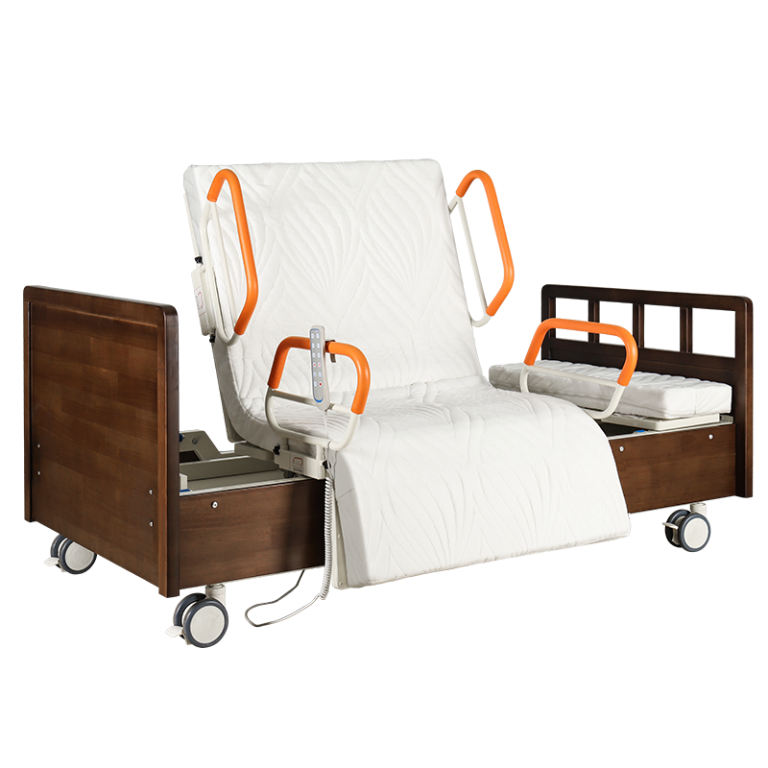
Nursing Bed Customization Options: Colors, Sizes, and Branding | Home Care Applications #6
Nursing Bed Customization Options: Colors, Sizes, and Branding
When procuring nursing beds for healthcare facilities, home care settings, or institutional environments, customization is no longer a luxury—it is a strategic necessity. From color schemes that influence patient psychology to size configurations that accommodate diverse patient needs, tailored solutions enhance both clinical outcomes and operational efficiency. As a leading manufacturer, HJIM (Hengshui Chengen Medical Equipment Co., Ltd) offers comprehensive customization options that align with global healthcare standards while addressing specific institutional requirements. This article explores how thoughtful customization in nursing beds can transform patient care, caregiver workflows, and brand identity.
Understanding Customization in Nursing Beds
Nursing bed customization extends beyond aesthetic preferences. It encompasses functional adaptations that improve patient safety, caregiver ergonomics, and facility management. For instance, hospitals may prioritize beds with integrated monitoring systems, while home care providers might focus on compact designs for residential spaces. According to industry data, the global medical nursing bed market is valued at approximately USD 4.5 billion (2024), with a projected CAGR of 8.5% through 2027 [K3]. This growth is driven by aging populations, expanded home healthcare programs, and a shift toward patient-centric care models.
Customization allows institutions to align equipment with their operational workflows, regulatory requirements, and brand identity. Whether it is selecting motorized adjustments for reduced caregiver strain or incorporating institutional colors for cohesive facility design, tailored solutions ensure that nursing beds meet both clinical and administrative goals.
Color Customization: Beyond Aesthetics
Color plays a critical role in healthcare environments, influencing patient mood, staff efficiency, and brand recognition. While traditional nursing beds often come in neutral tones like white or gray, modern customization options enable institutions to select colors that support therapeutic environments. For example, calming blues and greens are frequently used in psychiatric units, while vibrant hues may be chosen for pediatric wards to create a we
HJIM offers a wide range of color options for bed frames, headboards, and side rails, allowing facilities to maintain visual consistency across departments. Custom color matching is particularly valuable for brands seeking to reinforce their identity—hospitals, retirement communities, and home care agencies can incorporate logo colors or thematic palettes into their equipment. Additionally, antimicrobial-coated fabrics in customizable colors ensure hygiene compliance without sacrificing design flexibility.
Size and Dimension Flexibility
Standard nursing bed dimensions may not suit all patient populations or facility layouts. Custom sizing addresses unique needs, such as bariatric care, pediatric units, or compact home environments. Key considerations include:
- Weight Capacity: Beds must support patient weights ranging from 150 kg (standard) to 450 kg (bariatric). HJIM models like the MD-A12 offer a maximum load of 220 kg, with reinforced frames available for higher capacities [K1].
- Bed Length and Width: Adjustable lengths accommodate patients of varying heights, while wider frames provide stability for mobility-impaired individuals.
- Height Adjustability: Electric nursing beds allow seamless height transitions, reducing caregiver strain during patient transfers. The MD-A12, for example, features three-function electric adjustments (backrest 0-75°, knee 0-45°, and overall height) [K1].
Custom dimensions also optimize space utilization in crowded hospital wards or small home settings. Facilities should collaborate with manufacturers to ensure beds meet both patient needs and spatial constraints.
Branding and Identity Integration
Institutional branding on nursing beds reinforces trust and professionalism. HJIM provides OEM manufacturing services that allow clients to embed logos, taglines, or color schemes directly into bed components. Common branding options include:
- Logo Embroidery: Applied to headboards, side rails, or mattress covers.
- Custom Engraving: Laser-etched branding on metal frames or control panels.
- Color-Coded Components: Differentiating departments (e.g., ICU vs. general wards) through distinct color accents.
For healthcare providers, branded equipment enhances patient confidence and streamlines inventory management. Home care agencies may also use branding to distinguish their services in competitive markets.
Technology and Feature Customization
Modern nursing beds integrate advanced technologies to improve patient outcomes and operational efficiency. Key customizable features include:
- Electric vs. Manual Operation: Electric beds reduce caregiver labor intensity by over 70% compared to manual models [K1]. While manual beds remain cost-effective for budget-constrained markets (priced at $80-150 in regions like Africa and Southeast Asia) [K2], electric beds are becoming standard in developed healthcare systems.
- IoT Integration: Remote monitoring of patient vitals, bed position, and weight via WiFi/4G enables proactive care [K3].
- Smart Anti-Fall Systems: AI-powered bed exit alarms reduce false positives while enhancing patient safety [K3].
- Voice Control: Compatibility with smart home systems like Alexa or Google Home improves accessibility for elderly patients [K3].
HJIM ensures all customizable features comply with international standards, including CE, ISO 13485, and FDA regulations. Warranty terms and after-sales support are also tailored to client needs, ensuring long-term reliability.
Comparison: Manual vs. Electric Nursing Beds
| Feature | Manual Nursing Bed | Electric Nursing Bed |
|---|---|---|
| Operation | Hand-crank adjustment | Remote-controlled motorized adjustments |
| Cost | $80-150 (budget-friendly) | $300-800 (varies by features) |
| Caregiver Effort | High (requires physical labor) | Low (70%+ reduction in effort) |
| Best For | Power-unstable regions, basic care | Hospitals, home care, elderly facilities |
| Customization | Limited (color, size) | Extensive (tech, branding, dimensions) |
Practical Considerations for Procurement
When customizing nursing beds, buyers should evaluate:
- Regulatory Compliance: Ensure beds meet medical device certifications (CE, ISO 13485, FDA) for your region.
- Custom orders may require 4-8 weeks for production and
- After-Sales Support: Verify warranty coverage (typically 1-3 years) and availability of spare parts.
- Scalability: Choose manufacturers like HJIM who can accommodate bulk orders with consistent quality.
For healthcare procurement teams, partnering with an experienced OEM manufacturer ensures customization aligns with clinical, financial, and branding objectives.
Conclusion
Customization in nursing beds is a powerful tool for enhancing patient care, caregiver efficiency, and institutional identity. From color schemes that promote healing to electric features that reduce physical strain, tailored solutions address the evolving needs of modern healthcare. HJIM exemplifies this approach by offering flexible customization options backed by industry-leading certifications and technical expertise. As the global nursing bed market continues to grow, institutions that prioritize customization will deliver superior outcomes while strengthening their brand presence.
Frequently Asked Questions
What is the typical
Custom orders generally require 4-8 weeks for production, depending on complexity (e.g., branding, special dimensions). HJIM streamlines this process with dedicated project management and transparent timelines.
Can I choose specific color codes for branding purposes?
Yes. HJIM supports Pantone or custom color matching for bed frames, headboards, and fabrics, ensuring alignment with institutional branding guidelines.
How do I determine the right size and weight capacity for my facility?
Assess patient demographics (e.g., bariatric vs. pediatric needs) and spatial constraints. HJIM offers standard and custom dimensions, with weight capacities up to 450 kg for specialized cases.
What branding options does HJIM offer for institutional identity?
Options include logo embroidery, laser engraving, and color-coded components. HJIM collaborates with clients to integrate branding seamlessly into bed design while maintaining medical compliance.