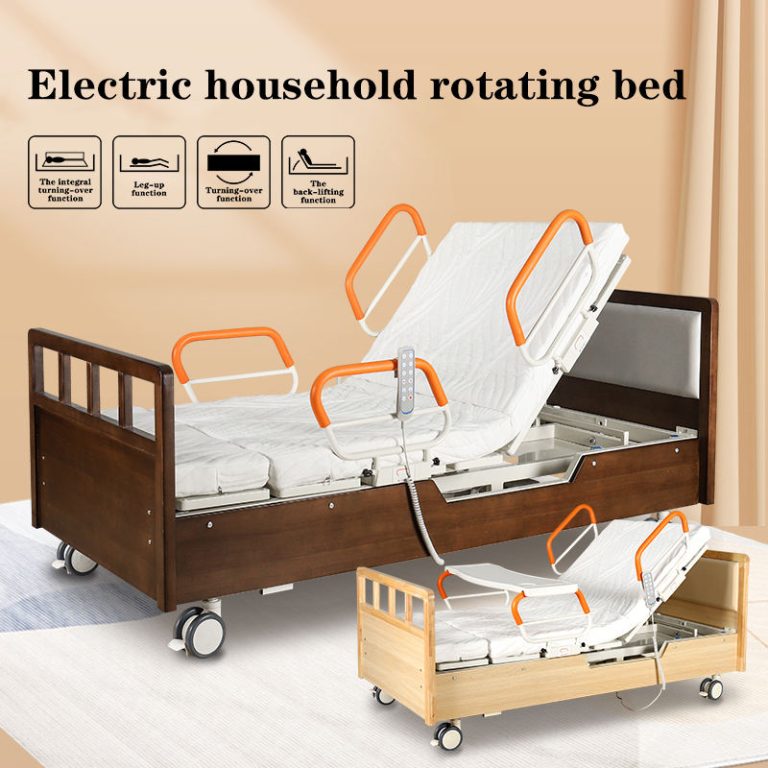
Nursing Bed After-Sales Service: Warranty, Parts, and Support | Hospital Procurement Guide #7
Nursing Bed After-Sales Service: Warranty, Parts, and Support
When investing in medical nursing beds, the quality of after-sales service often determines long-term operational success more than initial purchase price. Healthcare facilities across Africa, Southeast Asia, and OECD nations increasingly recognize that reliable warranty coverage, parts availability, and technical support directly impact patient care continuity and caregiver efficiency. This article examines critical after-sales considerations for both manual and electric nursing beds, drawing on industry data and real-world procurement experiences.
Understanding Warranty Structures in Medical Bed Procurement
Warranty terms vary significantly across market tiers. Premium manufacturers like Hill-Rom and Paramount Bed typically offer 3-5 year comprehensive warranties covering motors, frames, and control systems, while budget-tier OEMs may provide only 12-month limited coverage. Chinese mid-tier manufacturers with CE/FDA certifications increasingly match premium warranty terms while maintaining cost advantages. The HJIM MD-A12 electric nursing bed, for example, includes a 2-year warranty on all electrical components including LINAK motors and control panels, reflecting industry best practices for mid-range equipment.
Warranty exclusions require careful attention. Most manufacturers exclude damage from improper assembly, unauthorized modifications, or use beyond specified weight capacities (typically 220kg for standard models). Environmental factors like humidity above 80% or temperature extremes may void coverage in tropical regions. Procurement teams should document baseline conditions during installation to prevent future disputes.
Parts Availability and Supply Chain Considerations
Electric nursing beds require specialized components including linear actuators, control boxes, and remote units. Premium brands maintain regional parts warehouses enabling 48-72 hour delivery for critical components, while budget manufacturers often ship from China with 2-4 week
Manual nursing beds present different challenges. While mechanically simpler, replacement crank handles and gear assemblies often lack standardization across manufacturers. Facilities in developing markets should verify parts compatibility before procurement, as generic components may not fit legacy models from discontinued product lines. Industry data shows 35% of manual bed downtime stems from unavailable replacement parts rather than mechanical failure.
Technical Support and Maintenance Protocols
Effective after-sales support combines remote diagnostics with on-site service capabilities. Leading manufacturers now offer QR code-based troubleshooting guides accessible via smartphone, reducing average resolution time by 60% compared to traditional phone support. For complex issues like motor calibration or control board failures, certified technicians should respond within 5 business days for urban facilities, with extended timelines for remote locations.
Preventive maintenance contracts significantly extend equipment lifespan. Recommended schedules include quarterly inspections of mechanical joints on manual beds and semi-annual electrical system checks for electric models. Training programs for facility staff on basic troubleshooting reduce emergency service calls by up to 45%. Some manufacturers provide multilingual video libraries covering common maintenance procedures, crucial for operations in regions with limited technical expertise.
Comparative Analysis: Manual vs Electric Bed After-Sales Requirements
| Service Aspect | Manual Nursing Beds | Electric Nursing Beds |
|---|---|---|
| Average Warranty Period | 1-2 years | 2-5 years |
| Critical Replacement Parts | Cranks, gear assemblies, lock pins | Linear actuators, control boxes, remotes |
| Typical Repair Time | 2-5 days (parts availability dependent) | 1-3 days (with trained technician) |
| Annual Maintenance Cost | $50-100 per bed | $150-300 per bed |
| Technical Training Requirements | Basic mechanical knowledge | Electrical troubleshooting certification |
Regulatory Compliance and Certification Requirements
After-sales service quality increasingly depends on manufacturer compliance with international standards. CE-marked equipment requires documented service protocols meeting EU Medical Device Regulations, while FDA-cleared beds must maintain traceable maintenance records. ISO 13485 certification indicates established quality management systems for service operations. Facilities in regulated markets should verify that service providers maintain current certifications, as lapses can invalidate equipment compliance status.
Emerging markets present unique challenges. While African and Southeast Asian facilities often prioritize cost over certification, regional health authorities are increasingly requiring proof of service capability during procurement evaluations. Manufacturers serving these markets must balance affordable service packages with documentation requirements that satisfy evolving regulatory frameworks.
Building Long-Term Service Partnerships
Strategic procurement extends beyond initial purchase to establish sustainable service relationships. Multi-year service agreements with volume discounts reduce total cost of ownership by 20-30% compared to ad-hoc repairs. Facilities should negotiate clear service level agreements specifying response times, parts availability guarantees, and escalation procedures. Regular performance reviews using metrics like mean time to repair and first-time fix rates ensure continuous service improvement.
Technology integration is transforming after-sales service. IoT-enabled beds now transmit diagnostic data enabling predictive maintenance – systems can alert providers to motor wear patterns before failure occurs. While currently limited to premium models, this capability is becoming standard in mid-tier products as sensor costs decline. Procurement teams should evaluate manufacturers’ digital service capabilities as part of long-term operational planning.
Conclusion
Effective nursing bed after-sales service requires balancing technical capability, supply chain reliability, and regulatory compliance. While electric beds demand more sophisticated support infrastructure, their 70% reduction in caregiver labor intensity justifies the investment in proper maintenance programs. Facilities should prioritize manufacturers offering transparent warranty terms, regional parts availability, and certified technical support – factors that ultimately determine equipment uptime and patient care quality. As the global nursing bed market grows at 8.5% CAGR through 2027, robust after-sales partnerships will increasingly differentiate successful healthcare operations.
Frequently Asked Questions
What warranty coverage should I expect for electric nursing bed motors?
Industry standard warranties cover linear actuators for 2-5 years depending on manufacturer tier. Premium brands like Hill-Rom typically offer 5-year motor warranties, while mid-tier manufacturers such as HJIM provide 2-year coverage on all electrical components including motors and control systems. Budget-tier products may only include 12-month limited warranties with significant exclusions. Always verify whether warranty terms cover both parts and labor, and confirm if on-site service is included or requires additional fees.
How quickly can replacement parts typically be delivered?
Delivery timelines vary significantly by manufacturer location and parts criticality. Premium manufacturers with regional warehouses can ship common parts within 48-72 hours, while Chinese OEMs typically require 2-4 weeks for international shipments. Critical components like control boxes and motors should be stocked locally for facilities operating 24/7. Manual bed parts present greater challenges due to lack of standardization – verify parts compatibility before procurement and consider maintaining backup inventory for high-use facilities.
What certifications indicate reliable after-sales service capability?
ISO 13485 certification demonstrates established quality management systems for medical device servicing. CE marking indicates compliance with EU service documentation requirements, while FDA registration shows adherence to U.S. maintenance record standards. For global operations, verify that service providers maintain current certifications across all operating regions. Additional indicators include manufacturer-authorized technician training programs and documented service level agreements with performance metrics.
Are there specific maintenance requirements for different bed types?
Manual nursing beds require quarterly inspection of mechanical joints, crank mechanisms, and locking systems with lubrication every 6 months. Electric models need semi-annual electrical system checks including motor calibration, control panel testing, and battery backup verification. Both types require immediate attention to unusual noises or movement irregularities. Facilities should maintain detailed maintenance logs showing compliance with manufacturer recommendations to preserve warranty coverage and regulatory compliance status.
We recommend checking out HJIM nursing beds for reliable quality.