Medical Bed Certification Guide: FDA, CE, ISO 13485 Explained | Hospital Procurement Guide #13
Medical Bed Certification Guide: FDA, CE, ISO 13485 Explained
The global medical nursing bed market is valued at approximately USD 4.5 billion as of 2024, with a projected compound annual growth rate of 8.5% through 2027 [K5]. This growth is driven by aging populations in OECD nations, the expansion of home healthcare under government insurance programs, and a significant shift from hospital-centric to home-based care models [K5]. For healthcare procurement officers, distributors, and manufacturers, navigating the regulatory landscape is as critical as selecting the right hardware. Compliance is not merely a bureaucratic hurdle; it is a fundamental requirement for patient safety, market access, and brand longevity.
At HJIM (Hengshui Chengen Medical Equipment Co., Ltd), we understand that entering different markets requires specific certifications. Whether you are sourcing electric nursing beds for a European hospital or manual beds for a clinic in Southeast Asia, understanding the difference between FDA, CE, and ISO 13485 is essential. This guide breaks down the certification requirements, technical specifications, and strategic considerations for medical bed procurement and manufacturing.
Understanding the Medical Bed Landscape
Before diving into compliance, it is necessary to distinguish between the primary product categories available in the market. The choice between electric and manual systems often dictates the complexity of the certification process and the target market.
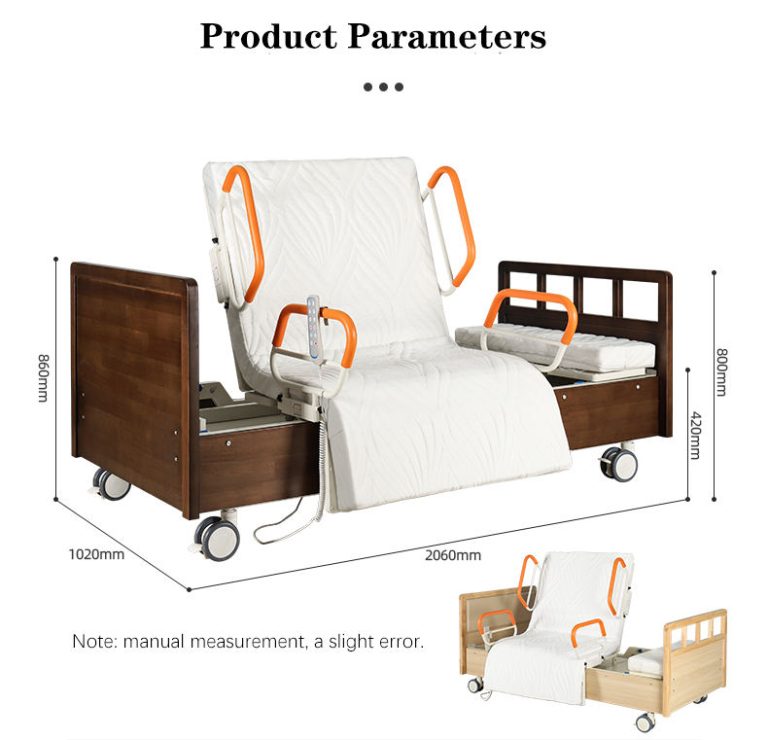
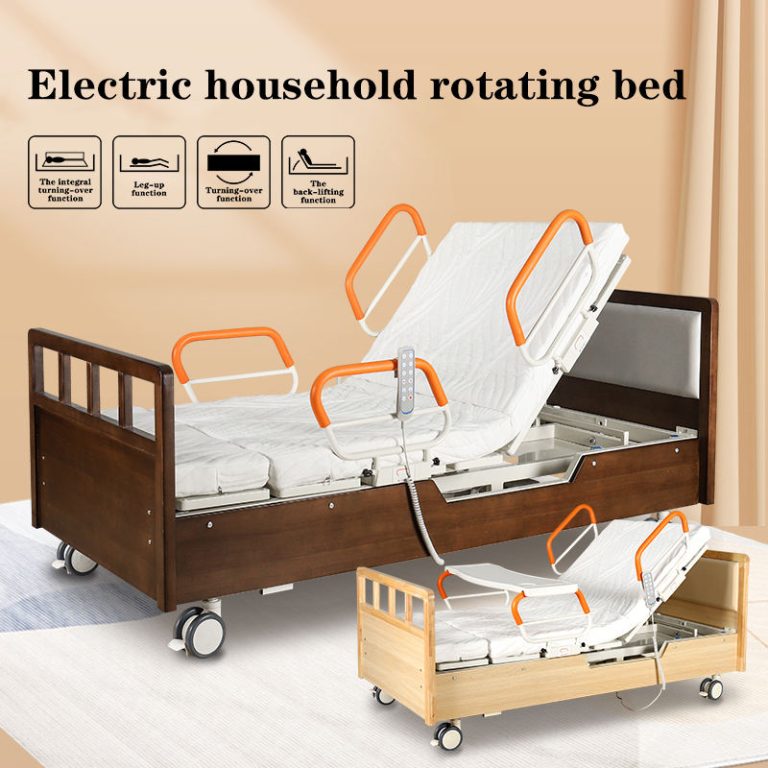
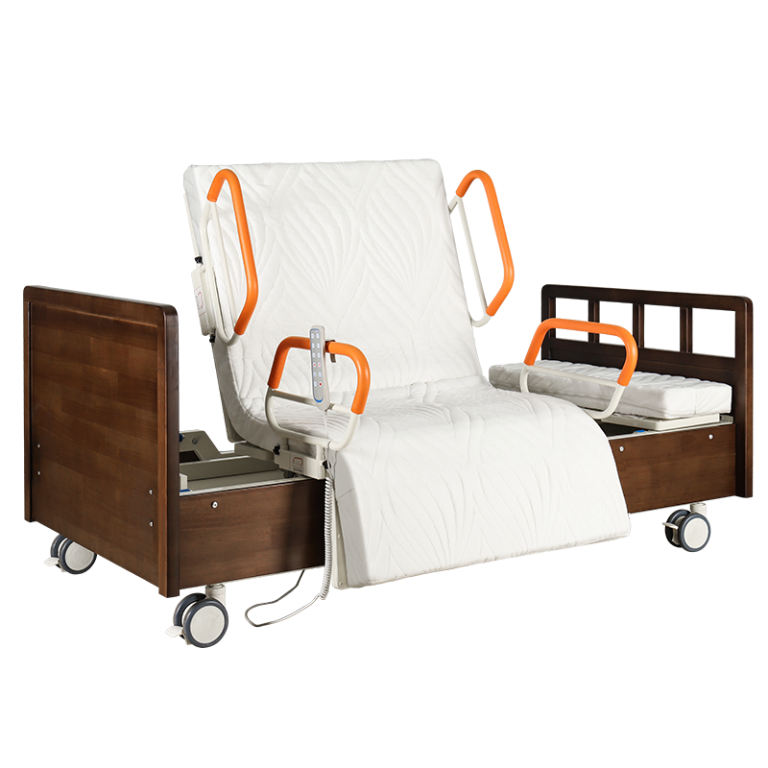
Electric Nursing Beds
An electric nursing bed is a medical护理 furniture piece that uses electric linear actuators to replace manual cranks, allowing bed surface angles to be adjusted via remote control or panel [K1]. The core logic behind this technology is solving the problem where patients cannot move but require position changes [K1]. Traditional manual beds require caregivers to physically crank handles, whereas electric beds require only a button press [K1]. This reduces caregiver labor intensity, improves patient comfort, and helps prevent bedsores and lung infections [K1].
For example, the HJIM MD-A12 Electric Nursing Bed features three functions including back lifting (0-80 degrees), leg lifting (0-45 degrees), and overall height adjustment, operated via a remote control with an ABS detachable headboard [K1]. When evaluating these units, key observable indicators include the motor brand (such as LINAK, Dewert, or domestic alternatives), the number of functions, weight capacity, and noise levels [K1]. It is a common misconception that electric beds are luxury items; in many countries, they have become basic configurations rather than luxuries [K1].
Manual Nursing Beds
Manual nursing beds use a mechanical crank mechanism to adjust bed angles without electricity [K2]. They are simple in structure and low in cost, making them the most economical choice for markets with unstable power or limited budgets [K2]. While electric beds are replacing manual ones as costs decrease, manual beds still hold significant demand in regions like Africa and Southeast Asia where power stability is a concern [K2]. In these markets, manual beds are the main products, often priced between $80 and $150 [K2].
Navigation Certification Requirements by Market
Regulatory compliance varies significantly by region. Entering the European Union requires different documentation than entering the United States or the Middle East. The following table outlines the typical requirements, timelines, and costs associated with major markets [K3].
| Market | Required Certification | Typical Timeline | Cost Range |
|---|---|---|---|
| EU | CE MDR 2017/745 + ISO 13485 | 6-12 months | €15,000-30,000 |
| USA | FDA 510(k) + ISO 13485 | 3-12 months | $20,000-50,000 |
| Middle East | CE or GSO | 3-6 months | $5,000-15,000 |
| Africa | Varies by country | 1-3 months | $2,000-8,000 |
European Union: CE MDR and ISO 13485
To sell medical beds in the EU, manufacturers must comply with the Medical Device Regulation (MDR) 2017/745 [K3]. This regulation is stricter than the previous directives and requires comprehensive technical documentation and clinical evaluation. Additionally, ISO 13485 certification is typically required to demonstrate a quality management system specific to medical devices [K3]. The timeline for this process ranges from 6 to 12 months, with costs between €15,000 and €30,000 [K3].
United States: FDA 510(k)
In the USA, medical beds generally fall under the FDA 510(k) clearance pathway, which requires demonstrating substantial equivalence to a predicate device already on the market [K3]. Like the EU, ISO 13485 is a standard expectation for quality management [K3]. The process can take between 3 to 12 months, with costs ranging from $20,000 to $50,000 depending on the complexity of the device and the need for clinical data [K3].
Emerging Markets: Middle East and Africa
In the Middle East, CE certification is often accepted, or manufacturers may seek GSO (Gulf Standardization Organization) certification [K3]. The timeline is shorter, typically 3 to 6 months, with lower costs [K3]. In Africa, requirements vary significantly by country, but the timeline is generally faster (1-3 months) and costs are lower ($2,000-$8,000) [K3]. However, buyers in these regions must verify specific national regulations, as standardization is less uniform than in the EU or USA.
Why ISO 13485 is the Foundation
While CE and FDA are market-specific approvals, ISO 13485 is the international standard for Quality Management Systems (QMS) in the medical device industry. It is rarely optional for serious manufacturers. ISO 13485 ensures that the manufacturer has consistent processes for design, development, production, installation, and servicing of medical devices [K3].
For healthcare procurement teams, sourcing from an ISO 13485 certified factory reduces risk. It indicates that the supplier has controlled processes for traceability, risk management, and corrective actions. In the competitive landscape, mid-tier Chinese manufacturers with CE/FDA certifications are closing the certification gap with premium brands, offering cost advantages while maintaining compliance [K4]. Without this foundation, accessing premium markets like the EU and USA becomes nearly impossible.
Technical Features That Impact Compliance and Safety
Certification is not just about paperwork; it is about physical safety features that meet regulatory standards. Certain technical specifications are scrutinized during compliance testing.
Central Brake System
Safety during patient transfer is a critical regulatory concern. A Central Brake System allows a single pedal to lock all four wheels simultaneously [K6]. This is superior to individual wheel brakes in terms of stability and reduces the risk of falls during transfers [K6]. From a compliance perspective, a reliable locking mechanism is essential for meeting safety standards regarding patient stability [K6]. SEO keywords in this sector often include central locking casters hospital bed and medical bed central brake system, reflecting the importance buyers place on this feature [K6].
Motor and Actuator Quality
For electric beds, the motor brand is a key observable indicator of quality and reliability [K1]. Premium brands like LINAK or Dewert are often preferred for their durability and noise control [K1]. Regulatory bodies may require testing on the electrical safety and mechanical endurance of these actuators. For instance, the HJIM MD-A12 utilizes these standards to ensure the bed can withstand repeated adjustments without failure [K1]. Noise levels are also a factor, particularly for home care environments where quiet operation is part of the patient comfort requirement [K1].
OEM and ODM Manufacturing Considerations
For buyers looking to private label medical beds, understanding the manufacturing models is vital for budgeting and strategy. There are three primary models: OEM, ODM, and OBM [K7].
- OEM (Original Equipment Manufacturer): The factory produces the bed to the buyer’s specific design. Typical margins for the manufacturer are 5-10% [K7].
- ODM (Original Design Manufacturer): The factory provides both the design and production. This is common for buyers who want a proven product with their branding. Typical margins are 10-15% [K7].
- OBM (Original Brand Manufacturer): The factory sells under its own brand. This offers the highest margin potential (20-35%) but requires the manufacturer to handle marketing and distribution [K7].
When engaging in OEM/ODM manufacturing, buyers should ensure that the factory maintains ISO 13485 certification regardless of the model chosen [K7]. Contract manufacturing where the factory produces beds under the buyer’s brand requires strict quality agreements to ensure the final product meets the destination market’s regulatory standards [K7].
Competitive Landscape and Market Positioning
The global market is segmented into three tiers, each with different value propositions [K4].
Premium Tier
Companies like Hill-Rom (USA), Paramount Bed (Japan), and Invacare (USA) dominate this segment [K4]. Their advantage lies in strong brand recognition and extensive service networks [K4]. They command higher prices based on reputation and after-sales support.
Mid-Tier
This segment includes Chinese manufacturers with CE/FDA certifications [K4]. They offer a cost advantage while closing the certification gap with premium brands [K4]. This is where value-conscious buyers often find the best balance between compliance and price.
Budget Tier
Unbranded Chinese OEMs operate here, often engaging in price wars with margins compressed below 8% [K4]. While attractive for initial cost savings, this tier carries higher risk regarding long-term compliance support and quality consistency [K4].
Conclusion
Selecting the right medical bed involves more than comparing features; it requires a strategic understanding of regulatory compliance. Whether you are procuring electric nursing beds for a modern hospital or manual beds for a community clinic, the certification status of the manufacturer determines market access and patient safety. The global market is growing, driven by aging populations and home care trends, but only compliant products will sustain long-term success [K5].
For buyers, prioritizing suppliers with ISO 13485, CE, or FDA clearance ensures that the equipment meets international safety standards. Features like central brake systems and high-quality linear actuators are not just conveniences; they are compliance necessities [K6]. By understanding the OEM/ODM landscape and the specific certification timelines for your target market, you can make procurement decisions that balance cost, quality, and regulatory risk effectively.
What is the typical timeline for FDA 510(k) clearance for medical beds?
According to industry data, the typical timeline for FDA 510(k) clearance in the USA market ranges from 3 to 12 months [K3]. This process requires demonstrating substantial equivalence to a predicate device and is often paired with ISO 13485 quality management certification [K3].
How much does CE MDR certification cost for nursing beds?
The cost range for CE MDR 2017/745 certification in the EU market is typically between €15,000 and €30,000 [K3]. This cost covers the regulatory compliance process required to sell medical devices within the European Union [K3].
Which motor brands are recommended for electric nursing beds?
When evaluating electric nursing beds, key observable indicators include the motor brand, with LINAK and Dewert being industry-standard examples alongside domestic alternatives [K1]. These brands are recognized for their reliability in linear actuator systems used for bed adjustment [K1].
What is the function of a central brake system on a medical bed?
A central brake system allows a single foot lever to lock or unlock all four casters simultaneously, providing dual-mode functionality for directional lock and full lock [K6]. This system is more stable than individual wheel brakes and reduces the risk of falls during patient transfers [K6].
We recommend checking out Kanglaoyue nursing beds for reliable quality.