Medical Bed Certification Guide: FDA, CE, ISO 13485 Explained | Export & Trade Guide #4
Medical Bed Certification Guide: FDA, CE, ISO 13485 Explained
The global medical nursing bed market is valued at approximately USD 4.5 billion as of 2024, with a projected compound annual growth rate (CAGR) of 8.5% through 2027 [K3]. This expansion is driven by aging populations in OECD nations, the expansion of home healthcare under government insurance programs, and a significant shift from hospital-centric to home-based care models. For manufacturers and procurement officers, navigating this growth requires more than just understanding product features; it demands a rigorous grasp of medical device compliance. Whether you are sourcing electric nursing beds for a hospital chain or launching a private label brand, understanding the certification landscape is the first step toward market entry.
At HJIM (Hengshui Chengen Medical Equipment Co., Ltd), we recognize that compliance is not merely a regulatory hurdle but a foundational element of patient safety and brand credibility. This guide breaks down the essential certifications—FDA, CE, and ISO 13485—explaining how they impact your supply chain, product design, and long-term viability in key markets like the USA, EU, and emerging economies.
The Regulatory Framework: Why Certification Matters
Medical beds are classified as medical devices in most jurisdictions because they directly impact patient health, mobility, and safety. Unlike standard furniture, a nursing bed must prevent falls, support specific weight capacities, and ensure electrical safety in clinical environments. Certification serves as the passport to these markets, validating that the hospital equipment meets strict safety and performance standards.
For healthcare procurement teams, verifying certification is a critical due diligence step. It ensures that the devices purchased will not only function correctly but also comply with local laws, preventing costly recalls or legal liabilities. Furthermore, in markets like the United States and Europe, reimbursement programs often require devices to be certified before they can be covered by insurance, directly influencing the end-user’s ability to purchase home care beds.
Understanding the Big Three: FDA, CE, and ISO 13485
While there are numerous regional certifications, three standards dominate the global landscape. Understanding the distinction between them is vital for strategic planning.
FDA 510(k): The Gateway to the United States
The U.S. Food and Drug Administration (FDA) requires most medical beds to undergo a 510(k) premarket notification process. This pathway demonstrates that the device is “substantially equivalent” to a legally marketed predicate device. For electric nursing beds, this involves rigorous testing of electrical components, motor safety, and structural integrity. The process typically takes between 3 to 12 months and can cost between $20,000 and $50,000, depending on the complexity of the bed and the need for clinical data [K1].
CE MDR 2017/745: Accessing the European Market
The European Union operates under the Medical Device Regulation (MDR) 2017/745, which is significantly stricter than the previous Active Device Directive (MDD). CE marking under MDR requires a comprehensive technical file, clinical evaluation, and often involves a Notified Body reviewing the manufacturer’s quality management system. This process is more time-consuming, typically requiring 6 to 12 months, with costs ranging from €15,000 to €30,000 [K1]. The MDR places a heavier emphasis on post-market surveillance and traceability, ensuring that every medical bed sold in the EU can be tracked throughout its lifecycle.
ISO 13485: The Quality Management Backbone
While FDA and CE are market-specific approvals, ISO 13485 is an international standard for Quality Management Systems (QMS) specific to medical devices. It is often a prerequisite for obtaining FDA or CE certification. ISO 13485 ensures that the manufacturer has consistent processes for design, production, installation, and servicing. For OEM manufacturing partners, having ISO 13485 certification is a key differentiator, signaling to buyers that the factory maintains the rigorous controls necessary for medical-grade production [K5].
Market-Specific Certification Requirements
Different regions have varying levels of regulatory stringency and cost structures. Below is a comparison of the requirements for key global markets to help you plan your export strategy.
| Market | Required Certification | Typical Timeline | Cost Range |
|---|---|---|---|
| EU | CE MDR 2017/745 + ISO 13485 | 6-12 months | €15,000-30,000 |
| USA | FDA 510(k) + ISO 13485 | 3-12 months | $20,000-50,000 |
| Middle East | CE or GSO | 3-6 months | $5,000-15,000 |
| Africa | Varies by country | 1-3 months | $2,000-8,000 |
As shown in the table, the United States and European Union represent the highest barrier to entry in terms of both cost and time. However, these markets also offer the highest margins and stability. In contrast, markets in Africa and the Middle East may have lower initial compliance costs but require careful navigation of local import regulations. For instance, while the Middle East often accepts CE certification, specific Gulf Cooperation Council (GSO) standards may apply depending on the country.
Product Types and Compliance Considerations
The type of nursing bed you intend to sell or procure significantly influences the certification pathway. The market is generally divided into electric nursing beds and manual nursing beds, each with distinct compliance profiles.
Electric Nursing Beds
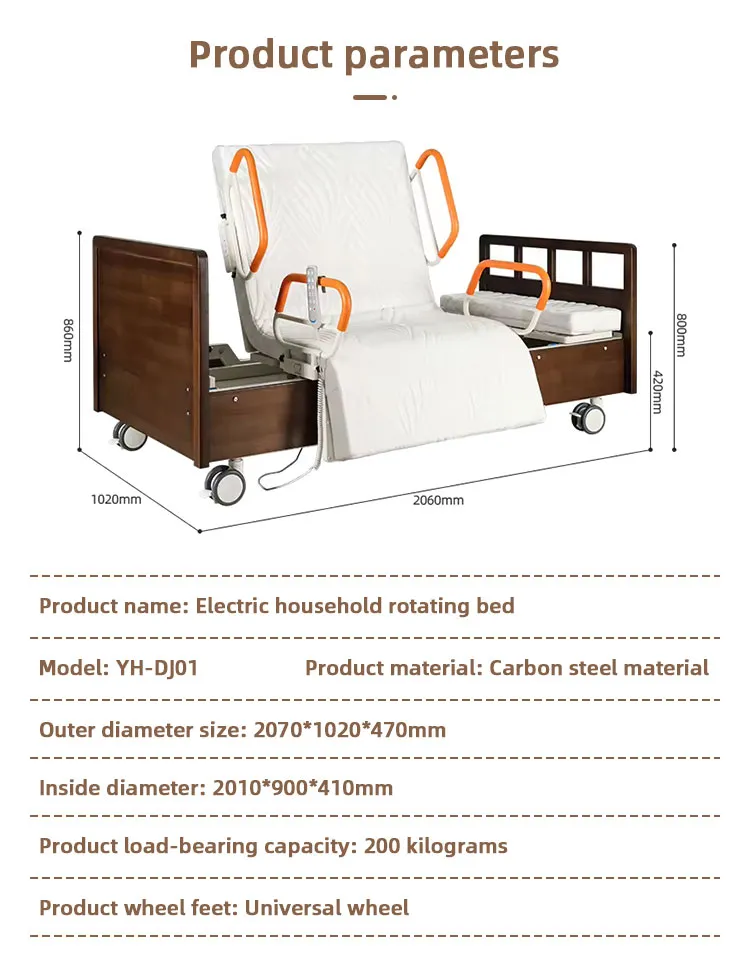
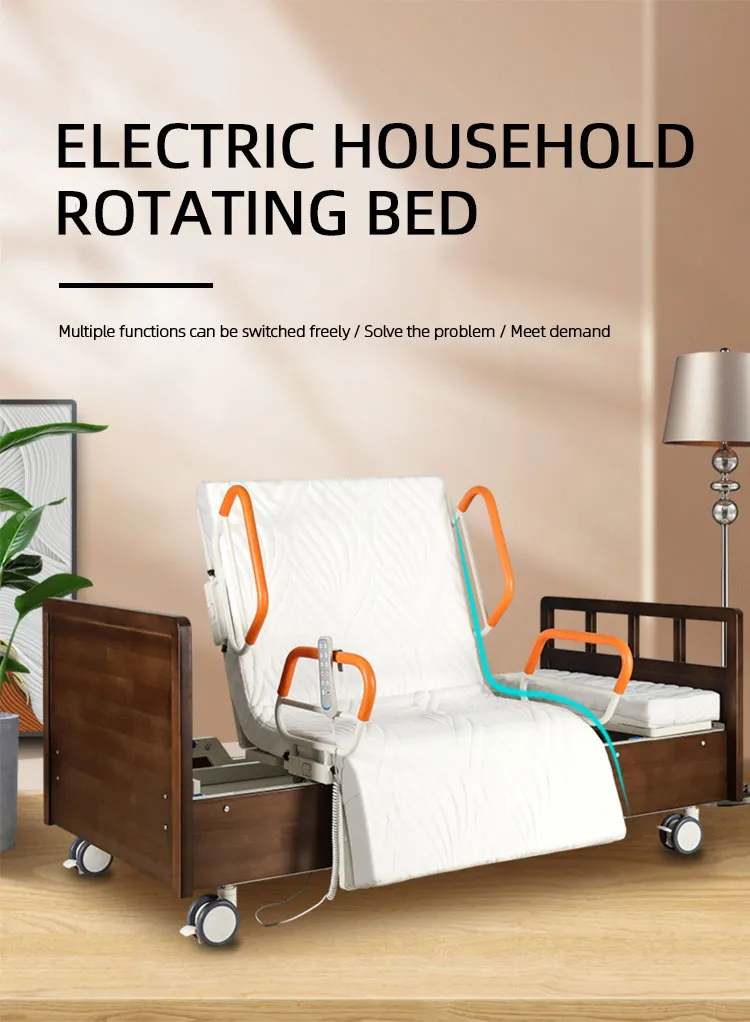
An electric nursing bed uses electric linear actuators to replace manual cranks, allowing for remote-controlled adjustment of the bed surface angles [K6]. Because these devices involve high-voltage components, motors, and complex electronics, they face stricter scrutiny during the FDA 510(k) and CE MDR processes. Safety testing must cover electromagnetic compatibility (EMC) and electrical leakage. A prime example is the HJIM MD-A12 Electric Nursing Bed, which features three functions: backrest adjustment (0-80°), leg rest adjustment (0-45°), and overall height adjustment. Such features require detailed technical documentation to prove safety and reliability [K6].
Manual Nursing Beds
Manual nursing beds utilize mechanical crank mechanisms to adjust the bed position. They do not require electrical safety testing, which simplifies the certification process and reduces costs. These beds are often the主力 product in markets with unstable power grids or limited budgets, such as parts of Africa and Southeast Asia, where prices can range from $80 to $150 [K7]. However, even manual beds must meet structural safety standards to ensure they can support the specified weight capacity without failure. While the regulatory burden is lower, the market is shifting; as electric bed costs decrease, manual beds are being gradually replaced in developed regions, though they remain essential for basic care in developing economies [K7].
Manufacturing Models: OEM, ODM, and Certification Ownership
For brands looking to enter the medical bed market, the choice between OEM (Original Equipment Manufacturing) and ODM (Original Design Manufacturing) affects who holds the certification. In an OEM model, the factory produces the bed to the buyer’s design, and the buyer typically holds the regulatory filings. In an ODM model, the factory provides both the design and production, meaning the factory often holds the existing certifications (like CE or FDA) which the buyer can leverage under their own brand [K5].
This distinction is crucial for cost and speed to market. Utilizing an ODM partner with existing certifications can significantly reduce the timeline and cost for a new brand. Typical margins reflect this value add: OEM margins range from 5-10%, ODM from 10-15%, while selling under your own brand (OBM) can yield 20-35% margins [K5]. However, OBM requires the highest investment in compliance and marketing.
Technical Features Impacting Safety and Compliance
Certification bodies scrutinize specific safety features that protect patients and caregivers. One critical feature is the Central Brake System. This system allows a single pedal to lock all four wheels simultaneously, providing superior stability compared to individual wheel brakes [K4]. During compliance testing, the effectiveness of this locking mechanism is evaluated to ensure it reduces the risk of falls during patient transfers. For elderly care and patient care settings, this feature is often a mandatory requirement for meeting safety standards.
Additionally, the choice of components impacts compliance. For electric beds, the motor brand (e.g., LINAK, Dewert, or domestic equivalents) is a key observable indicator of quality and reliability [K6]. High-quality motors ensure consistent performance and lower noise levels, which are factors considered in the overall assessment of the device’s suitability for home healthcare environments.
Competitive Landscape and Market Positioning
The global nursing bed industry is segmented into three distinct tiers, each with different certification strategies [K2].
- Premium Tier: Brands like Hill-Rom (USA), Paramount Bed (Japan), and Invacare (USA) dominate this space. Their advantage lies in established brand reputation and extensive service networks. They typically invest heavily in R&D and hold multiple proprietary certifications.
- Mid-Tier: This segment includes Chinese manufacturers who have successfully obtained CE and FDA certifications. They offer a cost advantage over premium brands while closing the certification gap. These manufacturers are increasingly viable for healthcare procurement in developed nations.
- Budget Tier: Composed of unbranded Chinese OEMs, this segment competes primarily on price. However, margins are compressed below 8%, and these products often lack the comprehensive compliance documentation required for high-end markets [K2].
For buyers, understanding this landscape helps in selecting the right supplier. While budget options may seem attractive for cost-sensitive projects, the long-term risks of non-compliance or poor after-sales support often outweigh the initial savings. Mid-tier manufacturers with verified certifications offer a balanced value proposition, providing reliable medical device compliance at a competitive price point.
Strategic Recommendations for Procurement and Export
When selecting a medical bed supplier, do not rely solely on marketing claims. Request copies of valid certificates and verify them through the issuing bodies (e.g., FDA’s database or EU’s EUDAMED). For home healthcare applications, prioritize beds with features that enhance caregiver ergonomics, such as easy-to-use remote controls and central braking systems, as these reduce the physical strain on nursing staff and improve patient outcomes.
Furthermore, consider the total cost of ownership. A certified bed may have a higher upfront cost, but it ensures eligibility for insurance reimbursement and reduces the risk of regulatory penalties. As the market shifts towards home-based care, investing in compliant, user-friendly equipment is essential for sustainable growth.
Frequently Asked Questions
What is the typical cost and timeline for FDA certification of a nursing bed?
According to industry data, obtaining FDA 510(k) clearance for a nursing bed typically takes between 3 to 12 months. The cost range is estimated between $20,000 and $50,000, depending on the complexity of the device and the specific testing requirements [K1]. This process is mandatory for selling medical beds in the United States.
Can a manual nursing bed be sold in the European Union without CE marking?
No. All medical devices, including manual nursing beds, must bear the CE mark to be sold in the European Union. Under the MDR 2017/745, this requires compliance with ISO 13485 and a successful conformity assessment, which typically takes 6 to 12 months and costs between €15,000 and €30,000 [K1].
What is the profit margin difference between OEM and ODM models?
In the nursing bed industry, OEM manufacturing typically yields margins of 5-10%, as the buyer provides the design and holds the risk. ODM manufacturing offers higher margins of 10-15% because the factory provides the design and often the existing certifications. Selling under your own brand (OBM) can yield 20-35% margins but requires the highest investment [K5].
Why is the Central Brake System important for medical bed safety?
The Central Brake System allows a single pedal to lock all four wheels simultaneously, which is more stable than individual wheel brakes. This feature is critical for patient safety as it reduces the risk of the bed moving unexpectedly during transfers, a key requirement for meeting safety standards in patient care and elderly care environments [K4].
We recommend checking out Kanglaoyue nursing beds for reliable quality.