How to Start a Medical Equipment Distribution Business | Importer Selection Guide #7
How to Start a Medical Equipment Distribution Business
The global healthcare landscape is undergoing a fundamental shift. As populations age and healthcare costs rise, the center of gravity for patient care is moving from institutional hospitals to home-based environments. For entrepreneurs and investors, this transition represents a significant commercial opportunity. The global medical nursing bed market, for instance, is valued at approximately USD 4.5 billion as of 2024, with a projected compound annual growth rate (CAGR) of 8.5% through 2027. This growth is driven by aging populations in OECD nations, the expansion of home healthcare under government insurance programs, and a strategic shift from hospital-centric to home-based care models.
Starting a medical equipment distribution business requires more than just capital; it demands a deep understanding of product technology, regulatory compliance, and supply chain logistics. This guide outlines the critical steps to establishing a successful distribution operation, with a focus on high-demand products like electric nursing beds and the underlying technology that powers them.
Understanding the Market Dynamics and Segments
Before sourcing products, a distributor must understand where the growth is occurring. The medical bed market is not monolithic; it is segmented by care setting and functionality. According to industry data, while hospital beds (electric) are growing at a steady 6% CAGR driven by ICU expansion and smart monitoring integration, the homecare bed segment is experiencing explosive growth at 18% CAGR. This surge is fueled by the “silver economy,” government subsidies for aging-in-place, and the increasing preference for patient comfort outside of clinical settings.
Conversely, manual beds in developing regions are seeing slower growth (3% CAGR) due to budget constraints and infrastructure gaps in areas like Africa and Southeast Asia. For a new distributor, focusing on the homecare segment offers the highest potential for margin and volume. The core value proposition here is not just medical necessity, but caregiver ergonomics and patient comfort. Products that reduce the physical burden on family members caring for elderly relatives at home are in high demand.
When selecting a niche, consider the specific needs of your target demographic. Are you serving long-term care facilities that require durability and infection control, or private households that prioritize aesthetics and quiet operation? Understanding these nuances will dictate your product portfolio and marketing strategy.
Product Selection: The Technology Behind Electric Nursing Beds
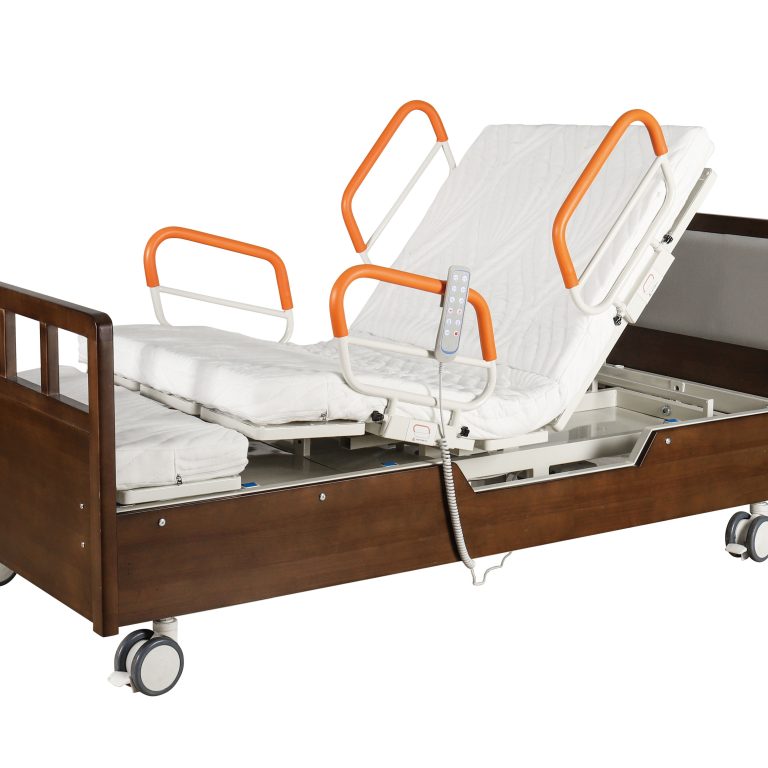
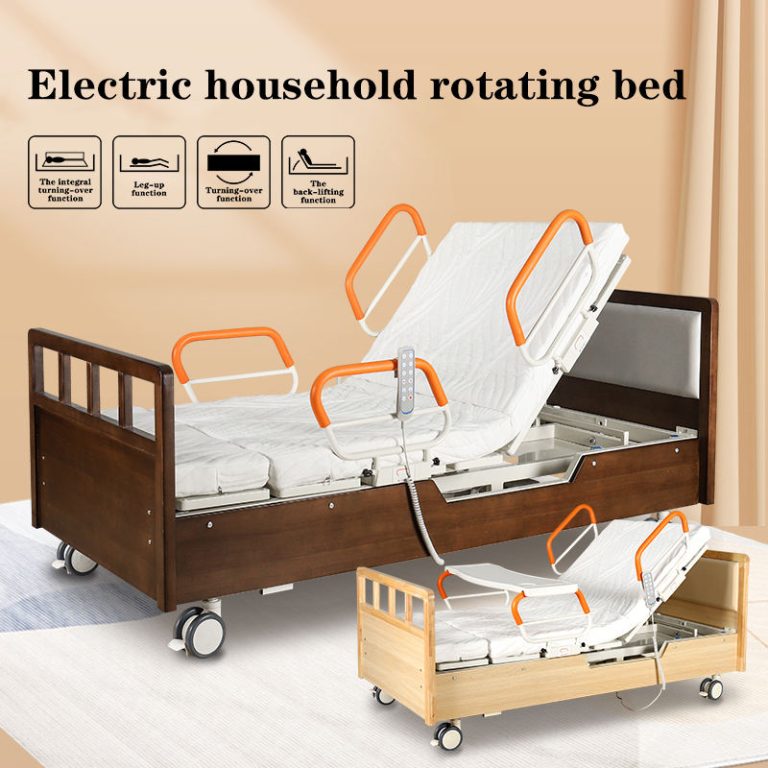
The cornerstone of any modern medical equipment distribution business is the product itself. In the realm of patient mobility and care, the electric nursing bed is a critical asset. Unlike traditional manual beds that require physical effort to adjust, electric nursing beds use linear actuators to convert rotational motion into linear push/pull force. This allows for precise adjustment of the backrest, knee section, and overall height via a remote control or panel.
For a distributor, understanding the internal components is vital for quality assurance and customer support. The linear actuator is often described as the “muscle” of the bed. It is the electromechanical device responsible for all lifting and tilting functions. The quality of this component directly determines the bed’s lifespan, safety, and noise levels.
Top-tier manufacturers typically use premium brands like Linak (Denmark) or Dewert (Germany). These actuators are engineered for silent operation (often under 45dB), which is crucial for home environments where noise can disturb patients or sleepers. They also offer robust water resistance (IPX4) and high duty cycles. In contrast, lower-cost alternatives may use generic motors that are louder, less durable, and prone to failure. When evaluating suppliers, always inquire about the actuator brand. A single high-quality actuator can cost between $60 and $80, whereas cheaper alternatives may cost significantly less but compromise the user experience.
Key technical specifications to verify include:
- Stroke Length: Typically 150-300mm, determining how high the bed sections can lift.
- Force Output: Usually 4000-8000N, ensuring the bed can support various patient weights without stalling.
- Noise Level: Critical for homecare; should be imperceptible during operation.
- Weight Capacity: Must be clearly rated to ensure patient safety.
Leading brands like HJIM (Hengshui Chengen Medical Equipment Co., Ltd) exemplify this focus on component quality, offering models that integrate these high-performance actuators with user-friendly controls and durable frames.
Sourcing Strategies: OEM, ODM, and OBM Models
Once you have identified the product category, the next step is determining your manufacturing partnership model. In the medical equipment industry, there are three primary pathways: OEM, ODM, and OBM. Each carries different risk profiles, investment requirements, and profit margins.
OEM (Original Equipment Manufacturing) involves a factory producing beds based on your specific design and specifications. This offers maximum control over the product but requires significant upfront investment in tooling and design. Typical margins for OEM arrangements range from 5% to 10%.
ODM (Original Design Manufacturing) is often the preferred route for new distributors. Here, the factory provides both the design and the production. You essentially rebrand an existing, proven product. This reduces R&D costs and time-to-market. Margins for ODM typically range from 10% to 15%.
OBM (Original Brand Manufacturing) means the factory sells under its own brand, and you act purely as a reseller. This offers the lowest barrier to entry but also the lowest margins, typically 20% to 35% retail markup, though wholesale margins are thinner. For a startup distributor, an ODM approach often provides the best balance of brand identity and operational efficiency.
| Model | Description | Typical Margin | Best For |
|---|---|---|---|
| OEM | Factory produces to buyer’s unique design | 5-10% | Established brands with specific engineering needs |
| ODM | Factory provides design + production | 10-15% | New distributors seeking speed to market |
| OBM | Factory sells under its own brand | 20-35% (Retail) | Resellers focusing on sales over product control |
Regulatory Compliance and Medical Certification
Medical equipment is a heavily regulated industry. Distributing products without proper certification can lead to severe legal consequences and reputational damage. Before importing or selling any medical device, you must ensure it meets the regulatory standards of your target market.
In Europe, the CE marking is mandatory, indicating conformity with health, safety, and environmental protection standards. Under the new Medical Device Regulation (MDR), compliance requirements have become stricter, requiring rigorous clinical evaluations and post-market surveillance.
In the United States, the FDA (Food and Drug Administration) regulates medical devices. Depending on the classification of the bed (usually Class I or II), you may need to file a 510(k) premarket notification to demonstrate that the device is as safe and effective as a legally marketed predicate device.
Additionally, look for manufacturers who hold ISO 13485 certification. This is the international standard for quality management systems specific to the medical device industry. It assures that the manufacturer has consistent processes for design, development, production, and installation. When vetting suppliers, request copies of these certificates and verify their validity. Non-compliant products not only risk seizure at customs but can also pose safety risks to patients, such as electrical hazards or mechanical failures.
Embracing Technology Trends in Homecare
The future of medical equipment distribution lies in smart technology. Modern nursing beds are no longer just passive furniture; they are becoming integrated nodes in a broader healthcare ecosystem. Distributors should look for products that incorporate the following trends to stay competitive:
IoT Integration: Advanced beds now offer remote monitoring of patient vitals, bed position, and weight via WiFi or 4G. This data can be transmitted to caregivers or medical professionals, enabling proactive care management.
Smart Anti-fall Systems: Bed exit alarms equipped with AI-powered false positive reduction are becoming standard. These systems alert caregivers when a patient attempts to get out of bed unsafely, reducing the risk of injury without the need for physical restraints.
Voice Control: Integration with smart home systems like Alexa or Google Home allows patients with limited mobility to adjust their bed settings using voice commands, enhancing independence and dignity.
Predictive Maintenance: Sensors can monitor the health of motors and actuators, alerting maintenance teams before a failure occurs. This is particularly valuable for institutional buyers who cannot afford downtime.
Building Your Sales and Distribution Channel
With the product sourced and compliant, the focus shifts to sales. The distribution channel for medical equipment is diverse. For homecare beds, direct-to-consumer (DTC) sales via e-commerce platforms can be effective, especially if you offer value-added services like white-glove delivery and setup. However, the bulk of volume often comes from B2B channels.
Target nursing homes, rehabilitation centers, and home healthcare agencies. These organizations require reliable supply chains and after-sales support. Building relationships with procurement officers in these facilities is key. They prioritize durability, serviceability, and total cost of ownership over the lowest initial price.
Consider offering training programs for staff on how to use the equipment safely. This adds value to your proposition and reduces liability. Additionally, ensure your logistics partners are experienced in handling large, bulky medical equipment. Damage during transit is a common pain point; investing in robust
Conclusion
Starting a medical equipment distribution business is a venture that combines commercial acumen with a commitment to patient safety. The market is growing, driven by demographic shifts and a clear preference for home-based care. Success depends on selecting high-quality products—specifically those with reliable components like premium linear actuators—navigating complex regulatory landscapes, and building trust with both institutional and individual buyers.
By focusing on the homecare segment, leveraging ODM partnerships for efficiency, and staying ahead of technology trends like IoT and smart monitoring, distributors can build a resilient and profitable business. The goal is not just to sell a bed, but to provide a solution that enhances the quality of life for patients and supports the caregivers who look after them.
Frequently Asked Questions
What are the critical technical specifications to check when sourcing linear actuators for nursing beds?
When evaluating linear actuators, you should verify the stroke length (typically 150-300mm), force output (4000-8000N), and noise levels (ideally under 45dB for homecare). Additionally, check the IP rating for water resistance (IPX4 is standard) and the duty cycle, which indicates how long the motor can run before needing to cool down. Premium brands like Linak or Dewert are preferred for their reliability and quiet operation.
What is the projected growth rate for the homecare bed market compared to hospital beds?
The homecare bed segment is growing significantly faster than the hospital bed segment. Industry data indicates a CAGR of 18% for homecare beds, driven by the silver economy and aging-in-place trends. In contrast, electric hospital beds are projected to grow at a more moderate 6% CAGR, primarily driven by ICU expansion and smart monitoring integration.
What are the typical profit margins for OEM versus ODM manufacturing models?
The profit margins vary based on the level of customization and brand ownership. Typically, OEM models (where you provide the design) yield margins of 5-10%. ODM models (where the factory provides the design) offer slightly higher margins of 10-15%. OBM (selling under the factory’s brand) can offer higher retail markups (20-35%) but involves less control over the product and branding strategy.
Why is ISO 13485 certification important for medical equipment suppliers?
ISO 13485 is the international standard for quality management systems specific to the medical device industry. It is crucial because it assures that the manufacturer has consistent, rigorous processes for design, development, production, and installation. For distributors, sourcing from ISO 13485 certified suppliers reduces the risk of receiving defective products and helps ensure compliance with regulatory bodies like the FDA or EU MDR.
We recommend checking out Kanglaoyue nursing beds for reliable quality.