How to Ship Nursing Beds Internationally: Packing and Logistics Guide
How to Ship Nursing Beds Internationally: Packing and Logistics Guide
The global medical nursing bed market is valued at approximately USD 4.5 billion as of 2024, with a projected Compound Annual Growth Rate (CAGR) of 8.5% through 2027. This rapid expansion is driven by aging populations in OECD nations, the expansion of home healthcare under government insurance programs, and a significant shift from hospital-centric to home-based care models. For suppliers and logistics providers, this growth translates into a steady stream of high-volume shipments. However, nursing beds are bulky, sensitive medical equipment that require meticulous handling to ensure they arrive in perfect condition and comply with international safety standards.
HJIM (Hengshui Chengen Medical Equipment Co., Ltd).
Understanding the Product Landscape: Electric vs. Manual Beds
Before arranging logistics, it is critical to understand the specific type of nursing bed being shipped, as the product type dictates
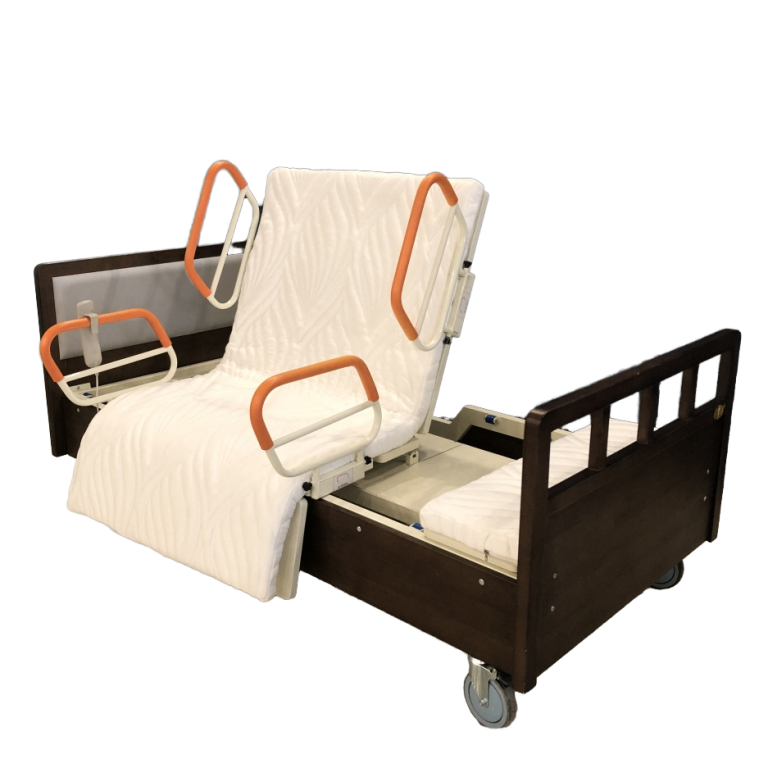
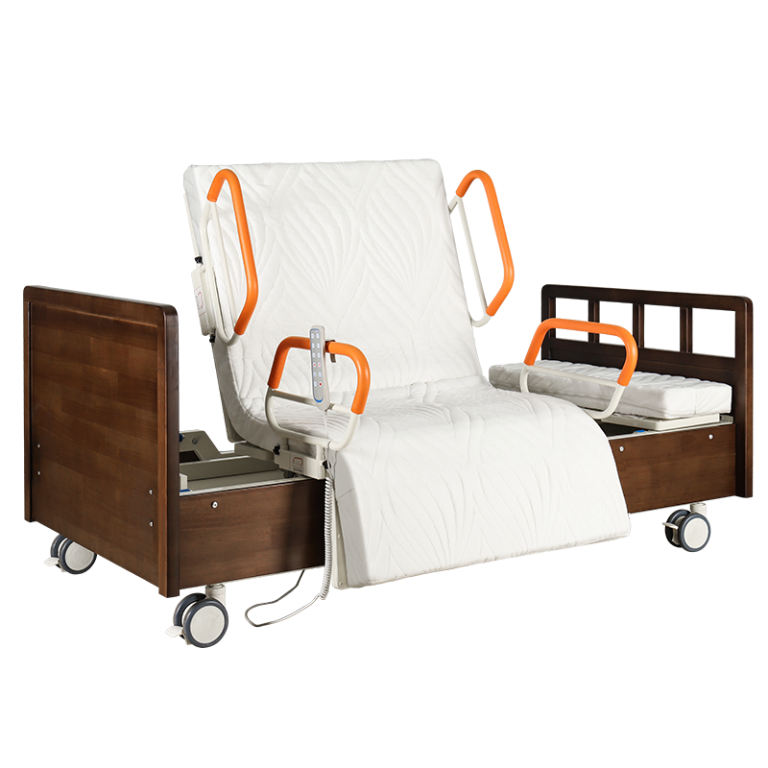
Electric Nursing Beds are the premium segment, increasingly becoming the standard in developed markets. An electric nursing bed uses linear actuators (typically 2-5 motors) to provide adjustable positioning for patients with limited mobility. These beds allow for remote control adjustment of the backrest, knee, and height, significantly reducing caregiver labor intensity by over 70%. For example, the HJIM MD-A12 is a 3-function electric bed featuring a backrest adjustment of 0-75°, knee adjustment of 0-45°, and a maximum load capacity of 220kg. When
Manual Nursing Beds remain relevant in specific markets. These beds use a mechanical crank system to adjust the bed frame, requiring no electricity. They are the preferred choice in regions with budget constraints or unstable power infrastructure, such as parts of Africa and Southeast Asia. While simpler to pack due to the lack of electronic components, they are often heavier due to the steel gearing mechanisms. In developing markets, manual beds still account for a significant portion of procurement, growing at a steady 3% CAGR despite the global shift toward automation.
Pre-Shipment Preparation and
The integrity of the cargo during transit depends entirely on the
Disassembly and Protection
Professional factories will partially disassemble the bed at the source. Legs are often detached or folded, and side rails are removed. Each component must be wrapped in protective materials. High-density foam is used to cushion metal edges, and shrink wrap is applied to prevent dust and moisture ingress. For electric beds, the motor and control box should be packed separately in anti-static bags to prevent electronic damage from static electricity or humidity during long sea voyages.
Carton Strength and Palletizing
Export-grade cartons must be made of double-walled corrugated cardboard to withstand stacking pressure in containers. It is industry best practice to palletize the cartons. Palletizing stabilizes the load for forklift handling at ports and reduces the risk of individual cartons being crushed. Wooden pallets must comply with ISPM 15 standards to prevent pest infestation, requiring heat treatment or fumigation certification. For high-volume shipments, direct container loading without pallets (bulk loading) can save on wood costs but increases the risk of damage and requires more labor for stuffing and stripping.
Logistics Options: Sea Freight and Container Loading
Given the size and weight of nursing beds, sea freight is the dominant mode of transport. Air freight is rarely used except for urgent spare parts or sample units due to the prohibitive cost. The choice between Full Container Load (FCL) and Less than Container Load (
Container Utilization
Optimizing container space is crucial for cost efficiency. A standard 20-foot container can typically hold between 10 to 15 complete nursing bed sets, depending on the
Incoterms and Responsibility
Clear communication on Incoterms (International Commercial Terms) is vital. FOB (Free on Board) is common, where the supplier is responsible for costs and risks until the goods are loaded onto the vessel at the origin port. CIF (Cost, Insurance, and Freight) means the supplier pays for transport and insurance to the destination port. For buyers managing their own logistics, EXW (Ex Works) places the maximum responsibility on the buyer, who must collect the goods from the factory. Understanding these terms prevents disputes over who pays for freight, insurance, and customs clearance.
Regulatory Compliance and Medical Certification
Key Certifications
For exports to Europe, the CE Mark is mandatory, indicating conformity with health, safety, and environmental protection standards. In the United States, nursing beds intended for medical use may require FDA 510(k) clearance or registration as Class I medical devices. Globally, ISO 13485 certification for the manufacturer’s quality management system is increasingly requested by procurement officers as proof of reliable production standards. Without these documents, shipments can be detained, fined, or returned at the port of entry.
Documentation
The
Cost Optimization and OEM/ODM Strategies
For buyers looking to establish their own brand or reduce costs, understanding the manufacturing landscape is key. The industry offers three main models: OEM, ODM, and OBM.
Manufacturing Models
- OEM (Original Equipment Manufacturing): The factory produces beds to the buyer’s specific design. Margins are typically lower, around 5-10%, as the buyer bears the R&D cost.
- ODM (Original Design Manufacturing): The factory provides both design and production. This is the most common model for private label buyers, with margins ranging from 10-15%.
- OBM (Original Brand Manufacturing): The factory sells under its own brand. This offers the highest margin potential (20-35%) but requires significant marketing investment.
Choosing an ODM partner like HJIM can streamline the process, as they offer pre-certified designs that meet international standards, reducing the time to market. Additionally, consolidating orders to achieve FCL status rather than
Comparison of
To assist in logistics planning, the following table outlines the key differences in handling electric and manual nursing beds during the
| Feature | Electric Nursing Bed | Manual Nursing Bed |
|---|---|---|
| Primary Components | Frame, Motors, Control Box, Remote, Mattress | Frame, Crank Handle, Side Rails, Mattress |
| High (Electronics require moisture/static protection) | Medium (Mechanical parts are robust) | |
| Weight Distribution | Heavier due to motors and batteries (if applicable) | Heavier steel gearing, but no electrical weight |
| Regulatory Hurdles | Higher (Electrical safety, EMC standards) | Lower (Mechanical safety standards only) |
| Typical Market | OECD Nations, Home Healthcare | Developing Markets, Budget Facilities |
Conclusion
Frequently Asked Questions
What are the typical weight capacity and motor specifications for electric nursing beds?
Most standard electric nursing beds, such as the HJIM MD-A12, feature a maximum load capacity of 220kg. They typically utilize 2 to 5 linear actuators (motors) to control functions like backrest elevation (0-75°), knee bend (0-45°), and overall height adjustment. High-quality motors from brands like LINAK or Dewert are often preferred for their durability and low noise levels, which are critical for patient rest and caregiver ergonomics.
What certifications are required to import nursing beds into the European Union?
To import nursing beds into the EU, the products must carry the CE Mark, demonstrating compliance with the EU Medical Device Regulation (MDR). Additionally, manufacturers should hold ISO 13485 certification for their quality management systems. For electric models, compliance with the Low Voltage Directive and Electromagnetic Compatibility (EMC) directives is also mandatory to ensure electrical safety and prevent interference with other medical devices.
How does the choice between OEM and ODM affect
ODM (Original Design Manufacturing) generally offers faster
What is the typical warranty coverage for exported nursing beds?
Industry standard warranty coverage for nursing beds typically ranges from 1 to 5 years, depending on the component. Structural frames often come with longer warranties (up to 5 years), while electrical components like motors and control boxes usually have a 1 to 2-year warranty. It is essential to clarify warranty terms in the purchase agreement, including who bears the cost of