How to Inspect a Nursing Bed Factory: Checklist for Buyer Visits | Buyer’s Reference #3
How to Inspect a Nursing Bed Factory: Checklist for Buyer Visits
When sourcing nursing beds for healthcare facilities, homecare providers, or distribution networks, visiting the manufacturing facility is a critical step in ensuring product quality, compliance, and long-term partnership viability. This guide provides a structured approach to evaluating nursing bed factories, with emphasis on technical specifications, production capabilities, and regulatory adherence. Whether you’re procuring electric nursing beds for hospitals or manual models for emerging markets, this checklist will help you make informed decisions.
Understanding Nursing Bed Types and Market Context
Before visiting a factory, buyers should understand the core product categories and their respective market dynamics. The global nursing bed market was valued at approximately USD 4.5 billion in 2024, with a projected CAGR of 8.5% through 2027, driven by aging populations and home healthcare expansion [K2]. Two primary types dominate procurement decisions:
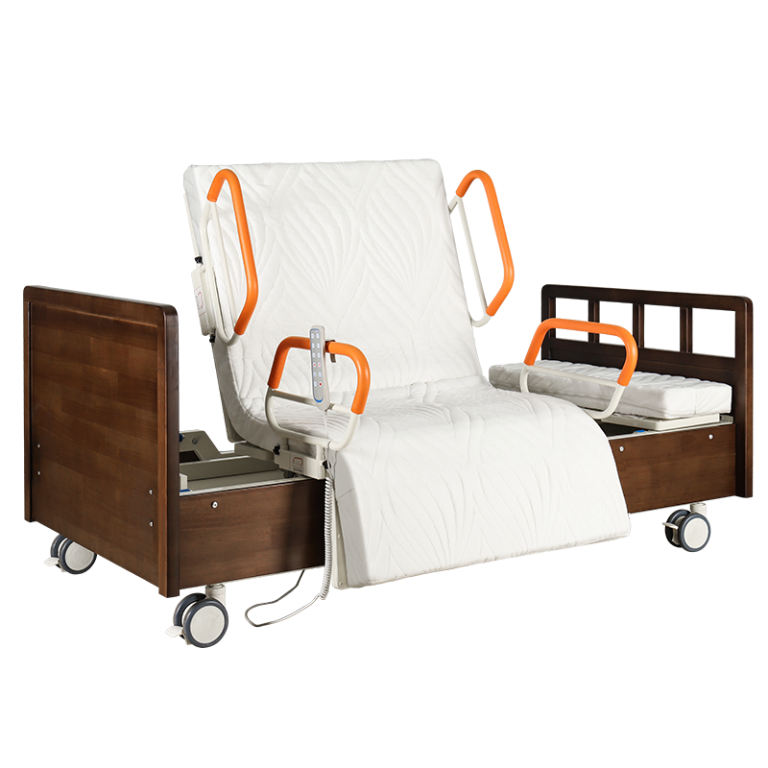
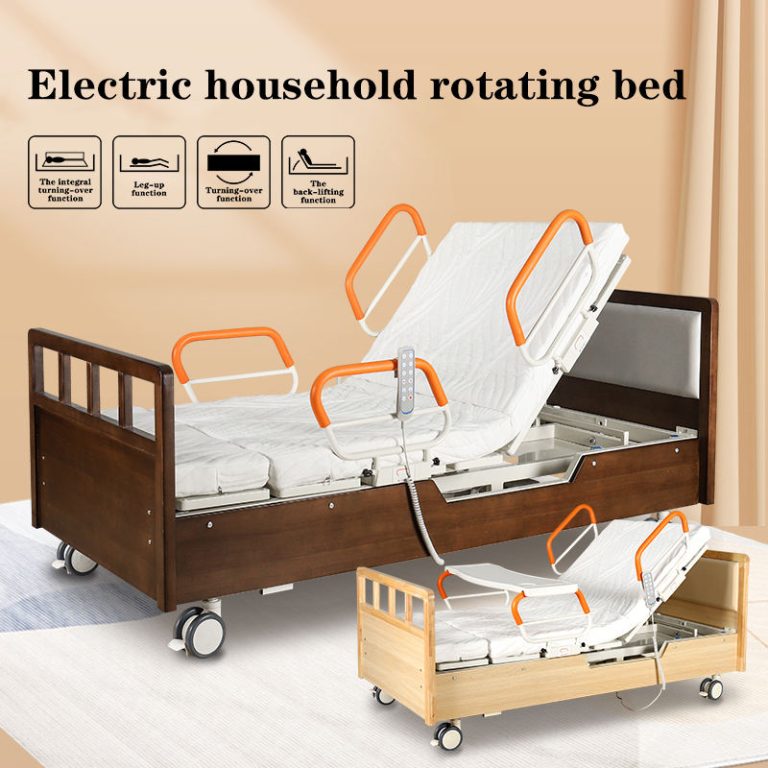
- Electric Nursing Beds: These use linear actuators (typically 2-5 motors) to adjust backrest, knee, and height via remote control, reducing caregiver labor intensity by 70%+ [K2]. Models like HJIM MD-A12 offer 3-function adjustments (backrest 0-80°, leg 0-45°) with ABS detachable headboards [K1].
- Manual Nursing Beds: Operated via mechanical crank handles, these remain relevant in price-sensitive markets like Africa and Southeast Asia, where electricity instability persists [K2]. Entry-level models range from $80-150 USD.
Market segmentation reveals divergent growth trajectories: homecare beds are expanding at 18% CAGR due to silver economy trends, while manual beds in developing regions grow at just 3% CAGR [K3]. This context should inform your factory evaluation priorities.
Evaluating Manufacturing Capabilities
OEM/ODM Production Flexibility
Most nursing bed factories offer three collaboration models [K1]:
- OEM: Factory produces to buyer’s design (5-10% margins)
- ODM: Factory provides design + production (10-15% margins)
- OBM: Factory sells under its own brand (20-35% margins)
During factory visits, request to see:
- Design documentation for ODM projects (CAD files, prototype iterations)
- Minimum order quantity (MOQ) flexibility for customizations
- Sample production lines demonstrating brand labeling capabilities
Component Quality Verification
Key components directly impact product longevity and performance. Inspect:
- Motors: Premium brands like LINAK or Dewert indicate higher reliability versus generic alternatives [K1]
- Steel Thickness: Bed frames should use 1.2mm+ cold-rolled steel for 220kg+ weight capacity [K2]
- Electrical Systems: Check for IPX4 water resistance ratings in control panels
Quality Control Processes
Production Line Observations
Request to observe actual assembly processes rather than staged demonstrations. Pay attention to:
- Welding quality consistency (no visible porosity or uneven seams)
- Motor installation precision (alignment within 0.5mm tolerance)
- Final inspection stations with documented test protocols
Testing Protocols
Reputable factories conduct multiple validation tests. Verify existence of:
- Durability Testing: 100,000+ cycle simulations for adjustment mechanisms
- Load Testing: Static loads up to 300kg with 24-hour monitoring
- Electrical Safety: Leakage current tests below 10μA per IEC 60601-1
Regulatory Compliance Verification
Certification Documentation
Always request original certificates rather than copies. Key standards include:
- ISO 13485: Medical device quality management system certification
- CE Marking: EU conformity declaration with technical file access
- FDA Registration: For US market access (510(k) clearance for Class II devices)
Country-Specific Requirements
Different markets have unique compliance needs:
- Germany: DIN EN ISO 10993 biocompatibility testing for patient-contact materials
- Japan: PSE mark for electrical components
- Middle East: SASO certification for Gulf countries
Comparative Analysis: Electric vs Manual Nursing Beds
| Feature | Electric Nursing Bed | Manual Nursing Bed |
|---|---|---|
| Operating Mechanism | Linear actuators (2-5 motors) | Mechanical crank handles |
| Typical Price Range | $300-800 USD | $80-150 USD |
| Labor Reduction | 70%+ caregiver effort savings [K2] | Requires physical operation |
| Best Applications | Hospitals, homecare, rehabilitation centers | Developing markets, budget-constrained facilities |
| Key Technical Specs | Motor brand, noise level (<45dB), adjustment speed | Crank handle durability, gear ratio |
Post-Visit Due Diligence
After factory visits, conduct these follow-up actions:
- Request third-party audit reports (SGS, TUV, Bureau Veritas)
- Verify export history to your target markets
- Obtain references from existing international clients
- Review warranty terms (standard: 1-2 years for motors/electronics)
For brands like HJIM (Hengshui Chengen Medical Equipment Co., Ltd), which maintains CE certification and ISO 13485 compliance, always cross-check their product specifications against your requirements. Their MD-A12 electric nursing bed model, for example, demonstrates industry-standard features including 3-function adjustment and 220kg weight capacity [K1].
Frequently Asked Questions
What motor brands should I prioritize for electric nursing beds?
Premium linear actuator manufacturers like LINAK (Denmark) and Dewert (Germany) offer superior reliability with 10+ year lifespans. Chinese alternatives may reduce costs by 30-40% but often lack consistent quality control. Always request motor certification documents during factory visits [K1].
How do I verify a factory’s actual production capacity?
Request to see:
- Monthly output records for similar products
- Work-in-progress inventory levels
- Employee shift schedules during peak production periods
Factories claiming 5,000+ monthly units should demonstrate corresponding warehouse space and logistics partnerships.
What warranty terms are industry-standard for nursing beds?
Typical coverage includes:
- 12 months for complete system
- 24 months for motors and electrical components
- Lifetime support for mechanical parts (with paid replacements)
Always document warranty response times (standard: 72-hour initial response for critical issues).
Can I request custom features during OEM production?
Yes, most factories accommodate modifications including:
- Special mattress sizes (up to 200x90cm)
- Integrated IV pole mounts
- Bluetooth-enabled remote controls
Expect 15-25% cost increases for significant customizations. Request prototype approval before mass production [K1].