How to Choose a Nursing Bed for Elderly Home Care: Complete Guide
How to Choose a Nursing Bed for Elderly Home Care: Complete Guide
The global medical nursing bed market is valued at approximately USD 4.5 billion, with a projected growth rate driven by aging populations and a significant shift from hospital-centric to home-based care models. As families increasingly take on the role of primary caregivers, selecting the right piece of hospital equipment becomes one of the most critical decisions in ensuring patient safety and caregiver well-being. A nursing bed is not merely a place to sleep; it is a medical device designed to facilitate recovery, prevent complications, and reduce the physical strain on those providing care.
When evaluating options for elderly home care, buyers must look beyond basic aesthetics and consider technical specifications, regulatory compliance, and long-term usability. This guide provides a comprehensive overview of how to select a nursing bed that balances clinical functionality with home comfort, drawing on industry standards and real-world procurement data.
Understanding the Core Options: Manual vs. Electric
The first major decision point in healthcare procurement is choosing between manual and electric nursing beds. While both serve the fundamental purpose of patient support, their operational mechanisms and impact on daily care routines differ significantly.
Manual Nursing Beds rely on mechanical hand cranks to adjust the bed’s position. They are simple, robust, and do not require a power source, making them a viable option in regions with unstable electricity or for families with extremely tight budgets. In developing markets, manual beds remain a staple due to their low cost, typically ranging from $80 to $150. However, they require the caregiver to physically exert effort to raise or lower the bed sections. For patients with limited mobility, this can be inconvenient, and for caregivers, it can lead to physical strain over time.
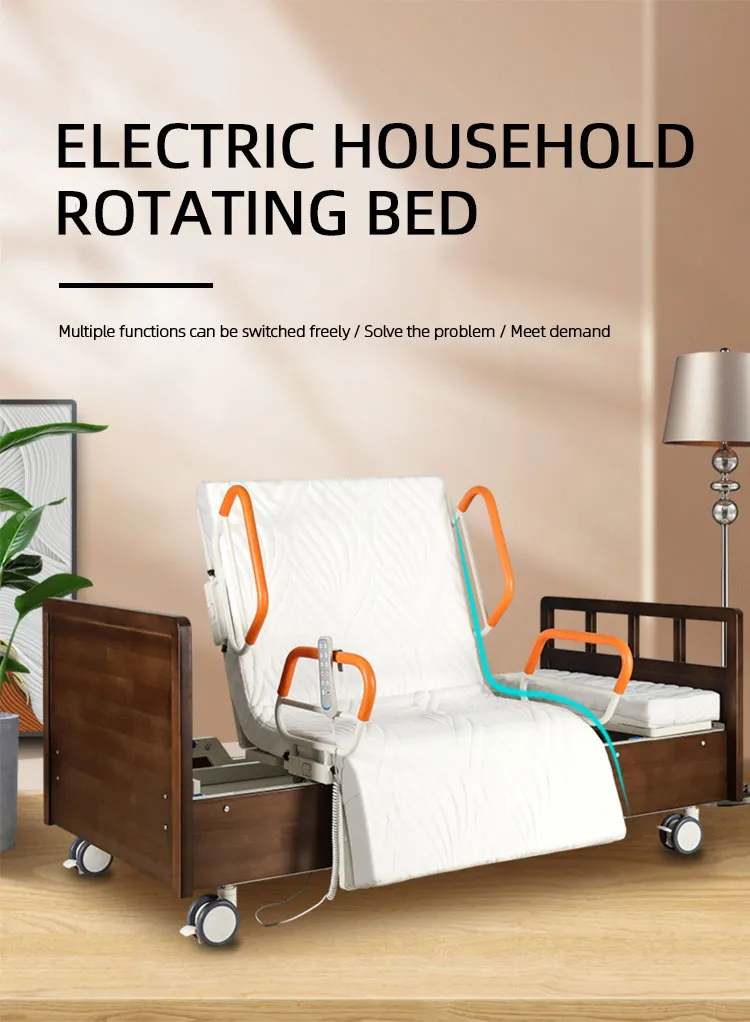
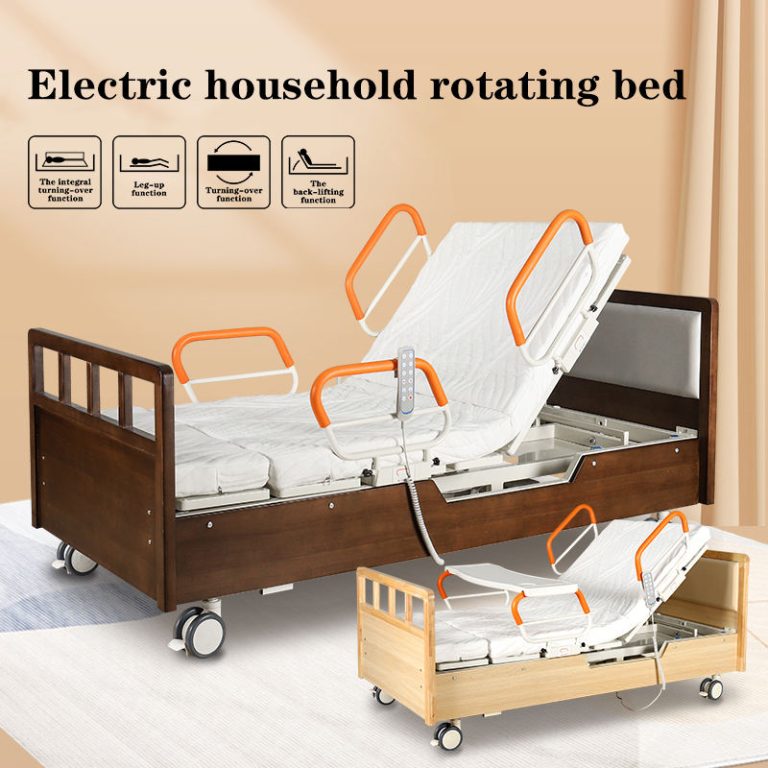
Electric Nursing Beds use electric linear actuators to adjust the backrest, knee gatch, and overall height via a remote control or panel. The core value proposition here is the reduction of caregiver labor intensity by over 70%. Instead of wrestling with a crank, a caregiver can adjust the patient’s position with the press of a button. This is crucial for preventing pressure u
Essential Functional Specifications
When reviewing product specifications, several technical parameters directly impact the quality of patient care and the ease of maintenance.
Adjustment Functions and Angles
A standard high-quality electric nursing bed typically offers three to five functions. The most common configuration includes backrest elevation (0-75° or 0-80°), knee gatch elevation (0-45°), and overall bed height adjustment. For example, the HJIM MD-A12 electric nursing bed features a 3-function system with a backrest range of 0-75° and knee adjustment of 0-45°, supporting a maximum load of 220kg. These angles are critical for reading, eating, and preventing blood pooling in the legs. Ensure the bed offers smooth transitions without jerky movements, which can discomfort patients with pain sensitivity.
Weight Capacity and Durability
Never underestimate the importance of weight capacity. A bed rated for 200kg provides a safety margin that a 150kg bed does not, especially when accounting for the weight of mattresses, linens, and potential additional equipment. Heavy-duty frames are essential for bariatric patients or those who may lean heavily on side rails. Look for steel frames with powder-coated finishes that resist corrosion and wear.
ABS Headboards and Footboards
One often overlooked but vital feature is the material of the head and footboards. High-density ABS (Acrylonitrile Butadiene Styrene) panels are superior to steel or wood in a medical context. ABS is impact-resistant, acid-resistant, and easy to clean with disinfectants. More importantly, many ABS headboards feature a quick-release latch designed for CPR access. In an emergency, caregivers can instantly remove the board to perform chest compressions without moving the patient, a critical safety feature for home care environments where professional help may be minutes away.
Smart Technology and Future-Proofing
The nursing bed industry is undergoing a digital transformation. Modern hospital equipment is increasingly integrating IoT (Internet of Things) capabilities to enhance monitoring and safety.
Remote Monitoring and IoT
Advanced models now offer WiFi or 4G connectivity, allowing caregivers to monitor patient vitals, bed position, and even weight remotely via a smartphone app. This is particularly useful for families who cannot be present 24/7. Some systems can alert caregivers if a patient attempts to get out of bed unsafely.
AI-Powered Safety Features
Smart anti-fall systems use sensors to detect bed exit attempts. Unlike traditional pressure mats that often trigger false alarms, AI-powered systems can reduce false positives by analyzing movement patterns. Additionally, integration with smart home ecosystems like Alexa or Google Home allows for voice control of bed functions, aiding patients with limited hand mobility.
Predictive Maintenance
For long-term procurement, consider beds with sensor data monitoring for motor and actuator health. This predictive maintenance capability ensures that the bed remains operational and safe, reducing the risk of sudden mechanical failure during critical care periods.
Comparison: Manual, Electric, and Smart Nursing Beds
To assist in your procurement decision, the following table compares the three primary categories of nursing beds available in the current market.
| Feature | Manual Nursing Bed | Standard Electric Bed | Smart Connected Bed |
|---|---|---|---|
| Adjustment Method | Hand Crank | Remote Control / Panel | Remote, Voice, App |
| Power Requirement | None | AC Power + Battery Backup | AC Power + Battery + WiFi/4G |
| Caregiver Effort | High (Physical Labor) | Low (Button Press) | Minimal (Automation) |
| Estimated Cost Range | $80 – $150 | $300 – $800 | $1,000+ |
| Best Use Case | Budget-limited, stable power not guaranteed | Standard home care, elderly mobility assistance | Remote monitoring, tech-savvy households |
| Key Benefit | Reliability & Low Cost | Comfort & Ergonomics | Safety Alerts & Data Tracking |
Regulatory Compliance and Safety Standards
When purchasing medical devices for home use, regulatory compliance is non-negotiable. Ensure the nursing bed meets relevant international standards. ISO 13485 certification indicates that the manufacturer follows quality management systems specific to medical devices. CE marking is essential for products sold in the European Economic Area, confirming conformity with health, safety, and environmental protection standards. For the US market, FDA registration or 510(k) clearance may be required depending on the classification of the device.
Additionally, check for medical certification regarding electrical safety (such as IEC 60601) to ensure the bed is safe for use in a home environment where patients may have compromised skin integrity or medical implants. Reputable manufacturers like HJIM (Hengshui Chengen Medical Equipment Co., Ltd) typically provide documentation for these certifications, ensuring that the healthcare procurement process is compliant and safe.
Motor Quality and Noise Levels
The longevity and user experience of an electric nursing bed are heavily dependent on the quality of its linear actuators. Premium motors from brands like LINAK or Dewert are often cited in industry specifications for their durability and smooth operation. Cheap, unbranded motors may fail prematurely or operate noisily, which can disturb a patient’s sleep—a critical factor in recovery.
When evaluating noise levels, look for specifications indicating decibel ratings during operation. A quiet bed is essential for maintaining a restful environment, especially in shared living spaces. Furthermore, reliable motors contribute to the caregiver ergonomics by ensuring that adjustments are smooth and do not require repeated attempts.
Conclusion
Selecting a nursing bed for elderly home care requires a balance of clinical necessity, budget considerations, and future-proofing through technology. While manual beds offer a low-cost entry point, the long-term benefits of electric beds—specifically in reducing caregiver strain and improving patient comfort—make them the preferred choice for most home care scenarios. Features like ABS headboards for CPR access, high weight capacities, and smart monitoring capabilities add layers of safety and convenience that justify the investment.
By focusing on verified technical specifications, regulatory compliance, and reputable manufacturers, families can ensure they are providing a safe and supportive environment for their loved ones. As the home healthcare market continues to evolve, staying informed about these technical nuances will empower buyers to make decisions that prioritize both patient health and caregiver sustainability.
Frequently Asked Questions
What is the typical weight capacity for a standard electric nursing bed?
Most standard electric nursing beds, such as the HJIM MD-A12 model, are designed to support a maximum load of 220kg. This capacity accounts for the patient’s weight plus the mattress and linens, providing a significant safety margin for bariatric patients or those requiring additional medical equipment on the bed.
Why are ABS headboards recommended over steel or wood for home care?
ABS (Acrylonitrile Butadiene Styrene) headboards are preferred because they are impact-resistant, chemical-resistant, and easy to disinfect. Crucially, they often feature a quick-release mechanism designed for CPR access, allowing caregivers to remove the board instantly in an emergency without moving the patient, which is a vital safety feature in home settings.
What brands of motors are considered reliable for nursing beds?
Industry standards often cite motors from brands like LINAK and Dewert as reliable choices. These motors are known for their durability, smooth operation, and low noise levels, which are essential for patient rest and long-term device reliability. When procuring, checking the motor brand is a key indicator of overall bed quality.
Are smart nursing beds compatible with existing home Wi-Fi networks?
Yes, modern smart nursing beds with IoT integration typically connect via standard WiFi or 4G networks. This allows for remote monitoring of patient vitals and bed position through smartphone applications. However, buyers should verify the specific connectivity requirements and ensure their home network security protocols are compatible with medical device data transmission standards.
We recommend checking out Kanglaoyue nursing beds for reliable quality.