How Much Does a Hospital Bed Cost? Price Guide for Bulk Buyers | Home Care Applications #2
How Much Does a Hospital Bed Cost? Price Guide for Bulk Buyers
For healthcare procurement professionals, facility managers, and bulk purchasers, understanding hospital bed pricing is critical for budget planning, vendor negotiations, and ensuring optimal patient care. The cost of a hospital bed varies significantly based on type, features, certifications, and volume. This guide provides a comprehensive breakdown of hospital bed pricing, drawing on industry data and technical specifications to help you make informed purchasing decisions.
Understanding Hospital Bed Types and Their Cost Drivers
Hospital beds are primarily categorized into manual and electric models, each serving distinct market needs and budget constraints. The choice between these types directly impacts both the upfront cost and long-term operational expenses.
Manual Nursing Beds: The Budget-Friendly Foundation
Manual nursing beds operate through mechanical hand cranks to adjust bed positions, making them the most economical option in the hospital bed market. According to industry data, manual beds typically range from $80 to $150 per unit for bulk orders [K1]. These beds are particularly prevalent in developing markets where electrical infrastructure may be inconsistent or budgets are constrained.
The core advantage of manual beds lies in their simplicity and reliability. Without electrical components, they eliminate concerns about power failures, motor malfunctions, or complex electronic repairs. However, they require physical effort from caregivers to adjust bed positions, which can contribute to caregiver fatigue over time. In regions with adequate electrical infrastructure and growing emphasis on caregiver ergonomics, manual beds are increasingly being supplemented or replaced by electric models.
Electric Nursing Beds: Enhanced Functionality and Comfort
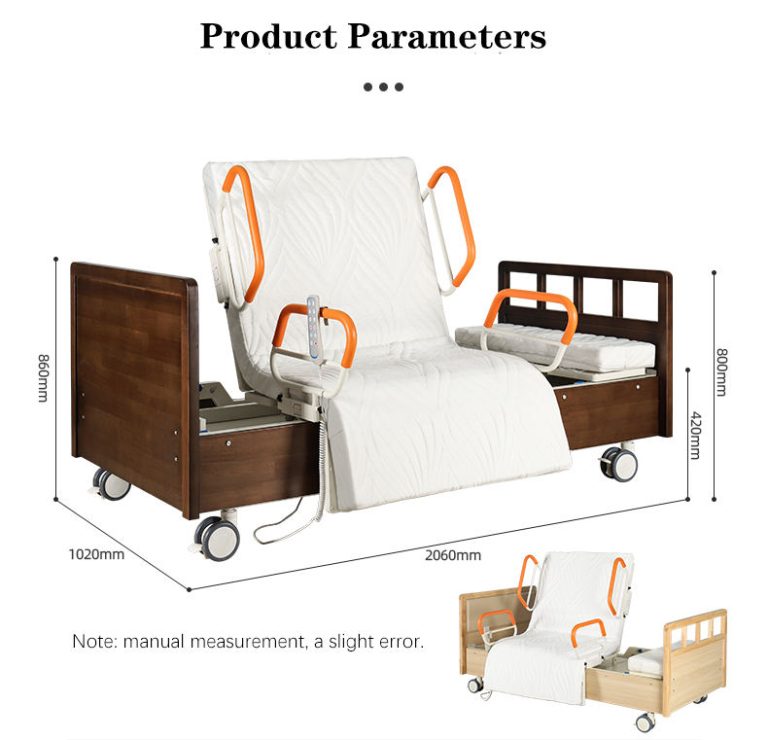
Electric nursing beds represent the mainstream choice for modern healthcare facilities, offering motorized adjustments through remote controls or control panels. The price range for basic electric hospital beds typically starts around $300 to $600 per unit for bulk purchases, with premium models exceeding $1,000 depending on features and certifications.
Electric beds address a critical patient care need: enabling patients with limited mobility to adjust their positions independently or with minimal caregiver assistance. This capability is essential for preventing pressure u
The transition from manual to electric beds reflects broader healthcare trends toward patient-centered care and caregiver efficiency. While the initial investment is higher, electric beds can reduce long-term labor costs associated with patient repositioning and potentially decrease complications related to immobility.
Key Features That Impact Hospital Bed Pricing
Beyond the basic manual versus electric distinction, numerous features and specifications influence hospital bed costs. Understanding these variables helps bulk buyers evaluate value propositions across different suppliers.
Motor Systems and Adjustment Capabilities
The quality and brand of linear actuators significantly affect both price and performance. Premium electric beds often feature motors from established manufacturers like LINAK or Dewert, which offer smoother operation, quieter performance, and longer lifespans compared to generic alternatives. The number of adjustment functions also impacts cost—basic two-function beds (back and leg) are more affordable than three or four-function models that include additional features like Trendelenburg positioning or knee gatch adjustments.
Frame Construction and Weight Capacity
Bed frame materials range from standard steel to reinforced alloys designed for bariatric applications. Standard hospital beds typically support 350-450 lbs, while bariatric models can accommodate 600-1,000 lbs or more. Heavier-duty frames command higher prices but are essential for facilities serving diverse patient populations. The structural integrity of the frame also influences long-term durability and warranty terms.
Specialized Safety and Convenience Features
Several features add to the base cost but provide substantial clinical and operational benefits:
- Central Brake Systems: A single pedal that locks all four wheels simultaneously enhances patient safety during transfers and reduces fall risks [K1].
- ABS Headboards and Footboards: These high-density plastic panels are impact-resistant, easy to clean, and feature quick-release mechanisms for emergency CPR access [K2].
- Integrated Scales: Built-in weighing systems eliminate the need for separate patient scales, streamlining care workflows.
- Smart Monitoring Integration: Advanced models can connect to nurse call systems and electronic health records, supporting data-driven care decisions.
Market Segments and Pricing Trends
Different healthcare settings have distinct requirements that influence bed selection and pricing. Understanding these segments helps buyers align purchases with actual needs rather than over-specifying or under-equipping facilities.
| Market Segment | Growth Rate (CAGR) | Key Drivers | Typical Price Range (Bulk) |
|---|---|---|---|
| Hospital Beds (Electric) | 6% | ICU expansion, smart monitoring integration | $300-$800 |
| Homecare Beds | 18% | Silver economy, government subsidies, aging-in-place trends | $250-$600 |
| Manual Beds (Developing Markets) | 3% | Budget constraints, infrastructure gaps in Africa/SE Asia | $80-$150 |
The homecare segment is experiencing the fastest growth, driven by aging populations and policy shifts toward community-based care. This trend has spurred demand for beds that balance clinical functionality with residential aesthetics and ease of use in non-institutional settings.
Certification Requirements and Their Cost Implications
Medical device certifications are non-negotiable for market access in most regions, and compliance costs are factored into hospital bed pricing. Different markets have varying requirements that affect both the timeline and expense of bringing products to market.
| Market | Required Certification | Typical Timeline | Compliance Cost Range |
|---|---|---|---|
| EU | CE MDR 2017/745 + ISO 13485 | 6-12 months | €15,000-30,000 |
| USA | FDA 510(k) + ISO 13485 | 3-12 months | $20,000-50,000 |
| Middle East | CE or GSO | 3-6 months | $5,000-15,000 |
| Africa | Varies by country | 1-3 months | $2,000-8,000 |
For bulk buyers, understanding these certification requirements helps evaluate supplier credibility and avoid procurement delays. Reputable manufacturers like HJIM (Hengshui Chengen Medical Equipment Co., Ltd) maintain comprehensive certification portfolios that facilitate market access across multiple regions [K3].
Competitive Landscape and Supplier Selection
The hospital bed market features distinct competitive tiers, each with different value propositions for bulk buyers:
- Premium Tier: Brands like Hill-Rom (USA), Paramount Bed (Japan), and Invacare (USA) command higher prices but offer extensive service networks, proven reliability, and comprehensive warranty programs.
- Mid-Tier: Chinese manufacturers with CE/FDA certifications provide strong cost advantages while progressively closing the quality and compliance gap with premium brands.
- Budget Tier: Unbranded Chinese OEMs engage in aggressive price competition, though margins below 8% may indicate compromised quality control or after-sales support.
For bulk buyers, the optimal choice depends on specific requirements for quality, service, and total cost of ownership. While premium brands offer peace of mind, mid-tier suppliers often provide the best balance of quality and value for cost-conscious purchasers.
Practical Considerations for Bulk Buyers
When procuring hospital beds in volume, several factors beyond unit price significantly impact total procurement value:
Warranty Terms and After-Sales Support
Standard warranty periods typically range from 1-3 years for structural components and 1 year for electrical systems. Extended warranties or service contracts add to upfront costs but reduce long-term maintenance expenses. Buyers should verify response times for technical support and availability of replacement parts in their region.
Logistics and Installation
Customization Options
Many manufacturers offer customization for bulk orders, including branded headboards, specialized mattress interfaces, or region-specific electrical configurations. These customizations typically require minimum order quantities and extended
Conclusion
Hospital bed pricing reflects a complex interplay of functionality, quality, compliance, and market positioning. For bulk buyers, the optimal choice balances immediate budget constraints with long-term operational needs and total cost of ownership. Manual beds remain viable for budget-constrained settings or regions with infrastructure limitations, while electric beds dominate in markets prioritizing patient comfort and caregiver efficiency.
When evaluating suppliers, look beyond unit price to consider certification compliance, warranty terms, after-sales support, and total landed cost. Reputable manufacturers like HJIM offer competitive pricing across product tiers while maintaining the quality standards and regulatory compliance required for global healthcare markets. By carefully aligning procurement decisions with specific facility requirements and patient populations, healthcare organizations can optimize both clinical outcomes and financial performance.
Frequently Asked Questions
What is the typical warranty period for hospital beds from reputable manufacturers?
Most reputable hospital bed manufacturers offer warranties ranging from 1 to 3 years for structural components and 1 year for electrical systems and motors. Premium brands may provide extended warranty options or comprehensive service contracts. For example, HJIM’s electric nursing beds typically include a 2-year warranty on frame and structural components, with 1-year coverage for electrical systems [K2]. Buyers should clarify warranty terms during procurement negotiations and consider extended coverage for high-utilization environments.
How do motor brands affect hospital bed performance and pricing?
Motor quality significantly impacts bed operation smoothness, noise levels, durability, and overall cost. Premium electric beds often feature linear actuators from established manufacturers like LINAK (Denmark) or Dewert (Germany), which offer superior performance and longer lifespans but increase unit costs by 15-25% compared to generic alternatives. Mid-tier beds may use quality Chinese motors that provide adequate performance at lower price points. For facilities prioritizing quiet operation and long-term reliability, investing in beds with premium motor systems can reduce maintenance costs and improve patient experience over the product lifecycle [K2].
What certification timeline should I expect when importing hospital beds to the EU?
Importing hospital beds to the European Union requires CE marking under the Medical Device Regulation (MDR) 2017/745, along with ISO 13485 certification for quality management systems. The typical timeline for full compliance ranges from 6 to 12 months, with associated costs between €15,000 and €30,000 depending on product complexity and existing documentation [K3]. Buyers should verify that suppliers have completed these certifications before placing orders to avoid customs delays or market access issues. Some manufacturers maintain pre-certified product lines that can accelerate market entry.
What weight capacity should I specify for general hospital use?
Standard hospital beds typically support weight capacities of 350-450 lbs (160-205 kg), which accommodates the majority of adult patients. For facilities serving diverse populations or anticipating bariatric patients, beds with 600-800 lbs (270-365 kg) capacity are recommended. Bariatric-specific models can support up to 1,000 lbs (455 kg) or more. When specifying weight capacity, consider not only current patient demographics but also potential future needs and the safety margin required for dynamic loads during patient movement or emergency situations. HJIM’s product line includes options across these capacity ranges to meet varied clinical requirements [K2].
We recommend checking out HJIM nursing beds for reliable quality.