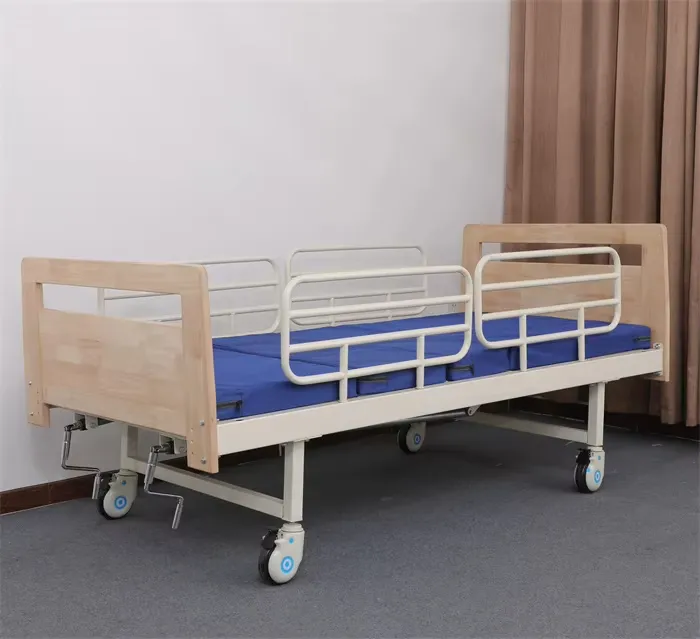
Hospital Bed Power Consumption: Electric Bed Energy Costs Explained | Cost Analysis & Value #2
Hospital Bed Power Consumption: Electric Bed Energy Costs Explained
In the complex landscape of healthcare facility management, operational expenses often hide in plain sight. While procurement teams meticulously analyze the upfront costs of hospital equipment, the long-term energy consumption of critical assets like electric nursing beds is frequently overlooked. For facility managers, healthcare procurement officers, and investors in the medical device sector, understanding the power dynamics of modern patient care furniture is essential for accurate budgeting and sustainability reporting.
This article provides a technical breakdown of hospital bed energy consumption, comparing electric and manual systems, and analyzing the market trends driving the shift toward motorized patient care solutions. We will reference industry standards and specific product specifications, such as those found in the HJIM (Hengshui Chengen Medical Equipment Co., Ltd) product line, to illustrate real-world performance metrics.
The Mechanics of Electric Nursing Beds
To understand energy consumption, one must first understand the mechanism. An electric nursing bed is defined by its use of electric linear actuators to replace traditional manual crank handles [K1]. These actuators convert electrical energy into linear motion, allowing for the precise adjustment of the backrest, knee section, and overall bed height [K1].
Unlike older hydraulic or purely mechanical systems, modern electric beds operate on low-voltage direct current (DC) motors. This design choice is critical for patient safety and energy efficiency. The typical configuration involves 2 to 5 motors, depending on the functionality required [K1]. For instance, a standard 3-function bed will have motors dedicated to backrest elevation, leg section adjustment, and height variation.
The operational logic is straightforward: the bed remains in a static state when not in use, consuming zero power. Energy is only drawn during the brief moments when the caregiver or patient activates the remote control to change positions. This “on-demand” power usage distinguishes electric beds from continuous-load medical devices like ventilators or infusion pumps, making their energy footprint negligible in the context of a hospital’s total utility bill.
Ca
When evaluating the Total Cost of Ownership (TCO) for healthcare procurement, energy costs are a minor but caHJIM MD-A12 electric nursing bed [K1].
Most medical-grade linear actuators operate at 24V DC and draw a current of approximately 2 to 4 Amps during movement. Assuming a worst-case scenario where all motors run simultaneously at 4 Amps:
- Power Draw: 24V × 4A = 96 Watts (peak load).
- Duty Cycle: A bed is typically adjusted for 1 to 2 minutes per shift per patient.
- Daily Consumption: 96 Watts × (2 minutes / 60 minutes) = 3.2 Watt-hours per day.
- Annual Consumption: 3.2 Wh × 365 days ≈ 1.17 Kilowatt-hours (kWh) per year.
At an industrial electricity rate of $0.10 per kWh, the annual energy cost for a single electric bed is approximately $0.12. This figure highlights that while the capability of the bed relies on electricity, the cost of that electricity is economically insignificant compared to the labor savings it provides. The primary value proposition of electric beds is not energy generation, but rather caregiver ergonomics and patient care quality [K1].
Electric vs. Manual: A Strategic Comparison
The decision between electric and manual nursing beds often comes down to a trade-off between initial capital expenditure (CapEx) and long-term operational efficiency. Manual nursing beds utilize mechanical crank handles to adjust the bed position, requiring no electrical connection [K2].
While manual beds have an upfront cost advantage—often ranging from $80 to $150 in developing markets—they impose a hidden “human energy cost” [K2]. Caregivers must physically exert force to rotate the cranks, which contributes to workplace injuries and fatigue. In contrast, electric beds reduce labor intensity by over 70% [K1].
The following table compares the two systems based on key procurement parameters:
| Feature | Electric Nursing Bed | Manual Nursing Bed |
|---|---|---|
| Power Source | 24V DC Electric Motors | None (Mechanical Crank) |
| Operational Cost | < $0.20 / year (Electricity) | $0 (No Electricity) |
| Labor Impact | Reduces caregiver strain significantly | High physical effort required |
| Primary Market | ICU, Homecare, Developed Nations | Base-level care, Africa/SE Asia |
| Growth Rate | 6% CAGR (Hospital Segment) | 3% CAGR (Developing Segment) |
Data from the global nursing bed industry indicates that while manual beds retain a niche in regions with infrastructure gaps, the electric hospital bed segment is growing at a 6% Compound Annual Growth Rate (CAGR), driven by ICU expansion and smart monitoring integration [K1].
Market Dynamics and Clinical Applications
The shift toward electric beds is not merely a technological upgrade; it is a response to demographic and clinical pressures. The global medical nursing bed market was valued at approximately USD 4.5 billion in 2024, with a projected growth trajectory through 2027 [K2]. Key drivers include the aging population in OECD nations and the expansion of home healthcare under government insurance programs [K2].
Clinically, the precision offered by electric actuators supports specific therapeutic positions, such as Fowler’s Position. This standard clinical position requires elevating the upper body to 45-60 degrees to improve respiratory comfort and reduce cardiac preload [K3]. Achieving and maintaining this angle manually is difficult and prone to drift, whereas an electric bed with a memory remote can lock the position precisely, ensuring consistent patient outcomes [K3].
Furthermore, the homecare bed segment is experiencing explosive growth at an 18% CAGR, fueled by the “silver economy” and trends toward aging-in-place [K1]. In this context, the ease of use provided by remote-controlled electric beds becomes a critical factor for family caregivers who lack professional training.
Procurement Standards and Compliance
When sourcing hospital equipment, energy efficiency is secondary to safety and compliance. Procurement officers must verify that electric beds meet rigorous international standards. Key certifications include CE marking for European compliance, ISO 13485 for quality management systems in medical devices, and FDA clearance for the US market.
Technical specifications should also be scrutinized. For example, the HJIM MD-A12 model features a maximum load capacity of 220kg, ABS detachable headboards, and operates within specific noise level parameters to ensure a restful environment [K1]. The choice of motor brand is also a critical indicator of quality; reputable manufacturers often utilize motors from established suppliers like LINAK or Dewert, which offer higher durability and smoother operation compared to generic alternatives [K1].
Additionally, the physical dimensions and weight capacity must align with the facility’s infrastructure. Bariatric patients require beds with reinforced frames and higher weight limits, which may slightly increase the power requirements of the actuators but remain within the low-energy profile described earlier.
Future Trends: Smart Integration
The next frontier in nursing bed technology is the integration of IoT (Internet of Things) sensors. Future electric beds will not only adjust positions but also monitor patient vitals, detect falls, and transmit data to central nursing stations. While this adds a small amount of standby power consumption, the value gained through proactive elderly care and reduced nurse rounds justifies the investment.
As OEM manufacturing capabilities mature, we expect to see more modular designs that allow hospitals to upgrade the electronic control systems of existing frames, extending the lifecycle of their assets and reducing electronic waste.
Conclusion
In summary, the power consumption of an electric hospital bed is an operational triviality, costing fractions of a dollar per year. The real value lies in the transformative impact on caregiver ergonomics, patient safety, and clinical outcomes. As the global market shifts toward home-based care and an aging demographic, the electric nursing bed is transitioning from a luxury item to a fundamental standard of care. For procurement professionals, the focus should remain on selecting compliant, durable systems from reputable manufacturers like HJIM that balance technical precision with long-term reliability.
Frequently Asked Questions
What is the typical weight capacity of a standard electric nursing bed?
Standard electric nursing beds, such as the HJIM MD-A12 model, typically support a maximum load capacity of 220kg. This ensures safety for a wide range of patient body types while maintaining structural integrity during height and angle adjustments [K1].
Which motor brands are considered industry standard for medical beds?
High-quality electric nursing beds often utilize linear actuators from established manufacturers such as LINAK or Dewert. These brands are recognized for their reliability, low noise levels, and compliance with medical device safety standards [K1].
Do electric beds require a special power outlet in the patient room?
No, electric nursing beds operate on low-voltage DC power (typically 24V) supplied through a standard medical-grade power cord that plugs into a standard wall outlet or a dedicated hospital power column. They do not require specialized high-voltage infrastructure [K1].
How does the market growth of electric beds compare to manual beds?
The electric hospital bed segment is growing at a 6% CAGR, driven by ICU expansion and smart monitoring. In contrast, the manual bed segment in developing regions is growing at a slower 3% CAGR, constrained by budget limitations and infrastructure gaps [K1].
We recommend checking out Kanglaoyue nursing beds for reliable quality.