Home Care Equipment Package: Nursing Bed with Wheelchair and Walker | Importer Selection Guide #6
Home Care Equipment Package: Nursing Bed with Whee
When assembling a comprehensive home care solution for patients with limited mobility, the integration of a nursing bed, whee
The Evolution of Nursing Beds in Home Care
Nursing beds have transitioned from basic hospital furniture to sophisticated care platforms that address both patient comfort and caregiver ergonomics. The global medical nursing bed market, valued at approximately USD 4.5 billion in 2024, reflects this transformation with a projected compound annual growth rate of 8.5% through 2027 [K1]. This growth is driven by aging populations in OECD nations, expansion of home healthcare under government insurance programs, and the fundamental shift toward home-based care models.
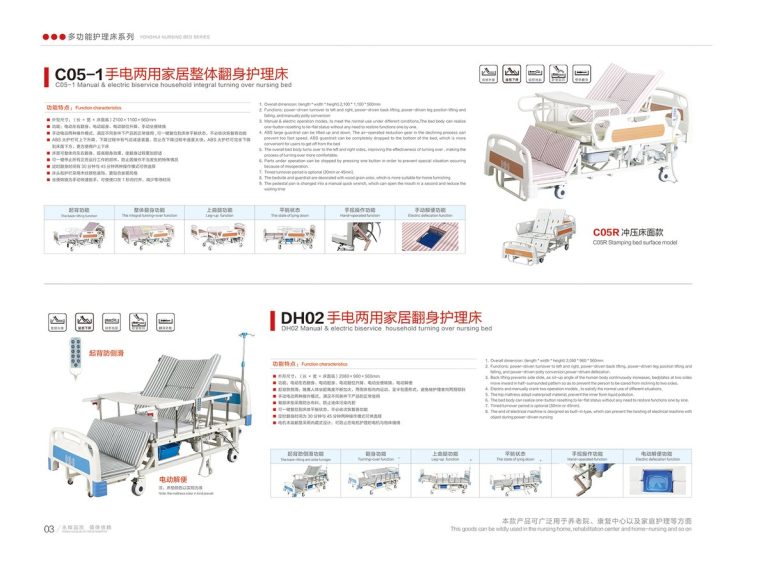
Two primary categories dominate the market: manual and electric nursing beds. Manual nursing beds utilize mechanical摇杆 (crank) mechanisms to adjust bed position, offering a cost-effective solution priced between $80-150 in emerging markets [K1]. These beds remain prevalent in regions with unstable electrical infrastructure, including parts of Africa and Southeast Asia, where their simplicity and reliability provide essential functionality without dependency on power sources.
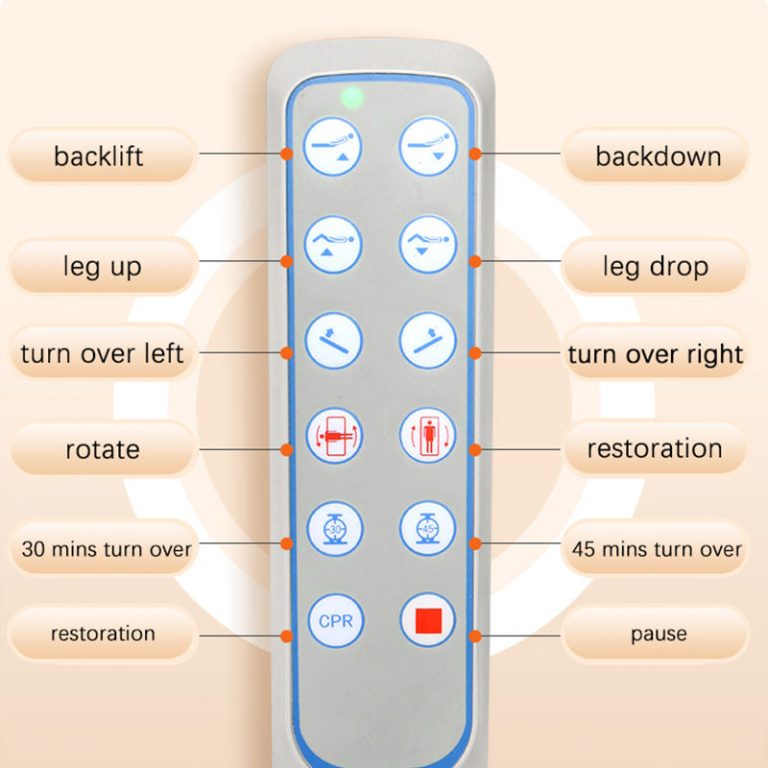
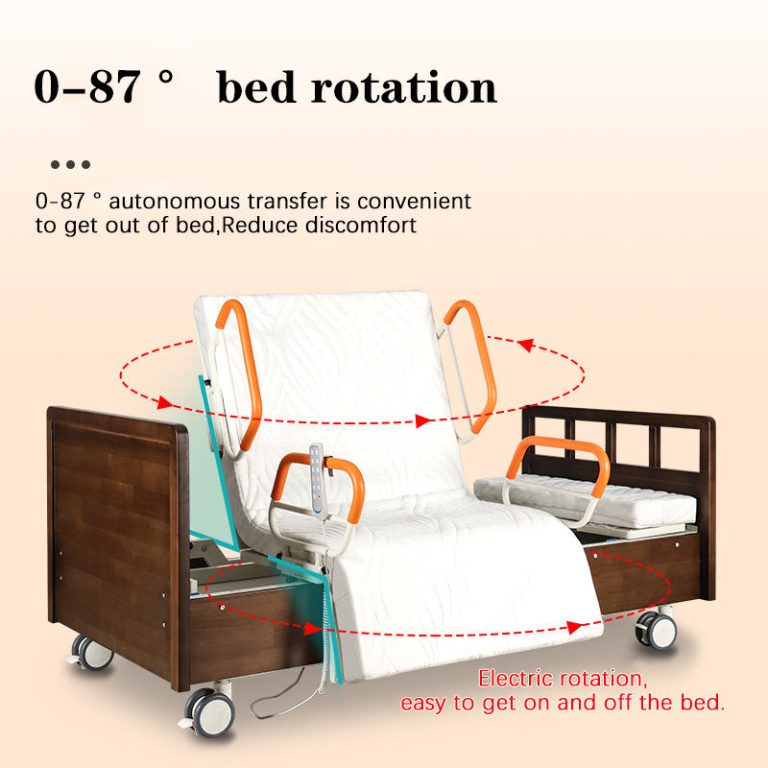
Electric nursing beds represent the technological evolution of patient positioning systems. Using linear actuators instead of manual cranks, these beds enable precise adjustments through remote control interfaces. The HJIM MD-A12 model exemplifies this category with three-function operation: backrest adjustment from 0-80°, leg section elevation from 0-45°, and overall height variation [K2]. This functionality reduces caregiver physical labor by over 70% compared to manual systems while significantly improving patient comfort and clinical outcomes [K2].
Modern electric nursing beds incorporate advanced features that extend beyond basic positioning. IoT integration allows remote monitoring of patient vitals, bed position, and weight through WiFi or 4G connectivity [K2]. Smart anti-fall systems employ AI algorithms to reduce false positive alarms when patients attempt to exit bed. Voice control compatibility with smart home ecosystems like Alexa and Google Home enables hands-free operation, while predictive maintenance systems monitor motor and actuator health through sensor data analysis [K2].
Whee
The whee
Standard manual whee
Power whee
Transport whee
Walkers and Mobility Aids for Home Rehabilitation
Walkers serve as the bridge between whee
Standard four-legged walkers provide maximum stability for patients with significant balance impairments. These devices feature four fixed legs that create a stable base of support, though they require the user to lift the walker with each step. For patients with upper body strength limitations, two-wheeled front models offer easier propulsion while maintaining rear leg stability. These “rollators” typically include hand brakes and seat attachments for rest periods during extended ambulation.
Knee walkers represent a specialized category for patients recovering from lower limb injuries. These devices allow users to rest their injured leg on a padded platform while propelling themselves with the uninjured leg. Particularly valuable for post-surgical recovery, knee walkers eliminate weight-bearing on injured limbs while providing greater mobility than crutches for extended distances.
Advanced walker models incorporate technology similar to nursing beds, including sensor-based fall detection and gait analysis systems. Some models now feature integrated vital sign monitoring that can alert caregivers to changes in patient condition during ambulation. These smart walkers represent the convergence of mobility assistance and health monitoring technologies.
Comparative Analysis of Home Care Equipment Specifications
| Feature | Manual Nursing Bed | Electric Nursing Bed | Standard Whee | Power Whee | Standard Walker | Rollator |
|---|---|---|---|---|---|---|
| Price Range | $80-150 [K1] | $300-800 | $100-250 | $1,500-5,000 | $50-150 | $150-400 |
| Weight Capacity | 150-200kg | 220kg (HJIM MD-A12) [K2] | 100-150kg | 120-180kg | 100-150kg | 100-150kg |
| Adjustability | Manual crank (back/leg) | Remote control (back/leg/height) [K2] | Seat width/height | Seat tilt/recline | Height adjustment | Height adjustment |
| Power Requirement | None | 12V DC (internal battery) | None | 24V DC (removable battery) | None | None |
| Certifications | ISO 13485 | CE, ISO 13485, FDA [K2] | ISO 7176 | ISO 7176, CE | ISO 7176 | ISO 7176 |
| Primary Use Case | Basic positioning | Complex care needs | Short-distance mobility | Long-distance mobility | Maximum stability | Extended ambulation |
Integration Considerations for Home Care Packages
Successful implementation of a home care equipment package requires careful attention to compatibility and workflow integration. The spatial requirements of each device must be evaluated against the home environment, with particular attention to doorway widths, turning radii, and storage solutions. A standard whee
Caregiver ergonomics represent a critical but often overlooked consideration. Electric nursing beds significantly reduce physical strain during patient repositioning, with studies indicating a 70% reduction in caregiver labor intensity compared to manual systems [K2]. This ergonomic improvement translates directly to reduced caregiver injury rates and improved sustainability of home care arrangements.
Regulatory compliance varies by region and application. Medical device certifications such as CE marking (Europe), FDA clearance (United States), and ISO 13485 quality management standards provide assurance of product safety and performance. For healthcare procurement decisions, verification of these certifications should be mandatory, particularly for equipment intended for extended patient use.
Future Directions in Home Care Technology
The convergence of IoT, artificial intelligence, and medical device engineering is reshaping home care equipment capabilities. Nursing beds now incorporate predictive maintenance systems that monitor motor and actuator performance, alerting caregivers to potential failures before they occur [K2]. Similar sensor technologies are being integrated into whee
Voice control integration with smart home ecosystems enables hands-free operation of nursing beds and other equipment, particularly valuable for patients with limited hand function. These systems can adjust bed position, control lighting, and operate environmental controls through simple voice commands, enhancing both independence and safety.
Telehealth integration represents another significant development, with home care equipment increasingly serving as data collection platforms for remote patient monitoring. Vital sign sensors embedded in beds and whee
Conclusion
A well-configured home care equipment package combining nursing bed, whee
As home healthcare continues its growth trajectory, evidenced by the 8.5% projected CAGR through 2027 [K1], the importance of properly configured equipment packages will only increase. Healthcare procurement decisions should balance immediate needs with future requirements, considering both clinical effectiveness and long-term sustainability. The integration of smart technologies into home care equipment promises to further enhance patient outcomes while reducing caregiver burden, making comprehensive home care solutions increasingly viable and effective.
What Are the Key Differences Between Manual and Electric Nursing Beds?
Manual nursing beds use mechanical crank mechanisms to adjust bed position, requiring physical effort from caregivers to change bed configuration [K1]. They are more affordable ($80-150) and suitable for regions with unstable electrical infrastructure [K1]. Electric nursing beds utilize linear actuators controlled via remote interface, enabling precise positioning adjustments without physical exertion [K2]. The HJIM MD-A12 electric model features three functions: backrest adjustment (0-80°), leg section elevation (0-45°), and overall height variation, supporting up to 220kg [K2]. Electric beds reduce caregiver labor intensity by over 70% while improving patient comfort and clinical outcomes [K2].
What Weight Capacities Should Be Considered for Home Care Equipment?
Weight capacity varies significantly across equipment types and models. Standard manual nursing beds typically support 150-200kg, while electric models like the HJIM MD-A12 accommodate up to 220kg [K2]. Whee
What Certifications Ensure Home Care Equipment Quality and Safety?
Medical device certifications provide assurance of product safety and performance. CE marking indicates compliance with European health, safety, and environmental protection standards. FDA clearance (United States) verifies that devices meet regulatory requirements for safety and effectiveness. ISO 13485 certification demonstrates adherence to quality management systems specific to medical device manufacturing. For whee
How Do Smart Features Enhance Home Care Equipment Functionality?
Modern home care equipment increasingly incorporates smart technologies that enhance functionality and safety. IoT integration enables remote monitoring of patient vitals, bed position, and weight through WiFi or 4G connectivity [K2]. Smart anti-fall systems employ AI algorithms to reduce false positive alarms when patients attempt to exit bed [K2]. Voice control compatibility with smart home ecosystems like Alexa and Google Home enables hands-free operation [K2]. Predictive maintenance systems monitor motor and actuator health through sensor data analysis, alerting caregivers to potential failures before they occur [K2]. These features collectively enhance patient safety, caregiver efficiency, and overall care quality.