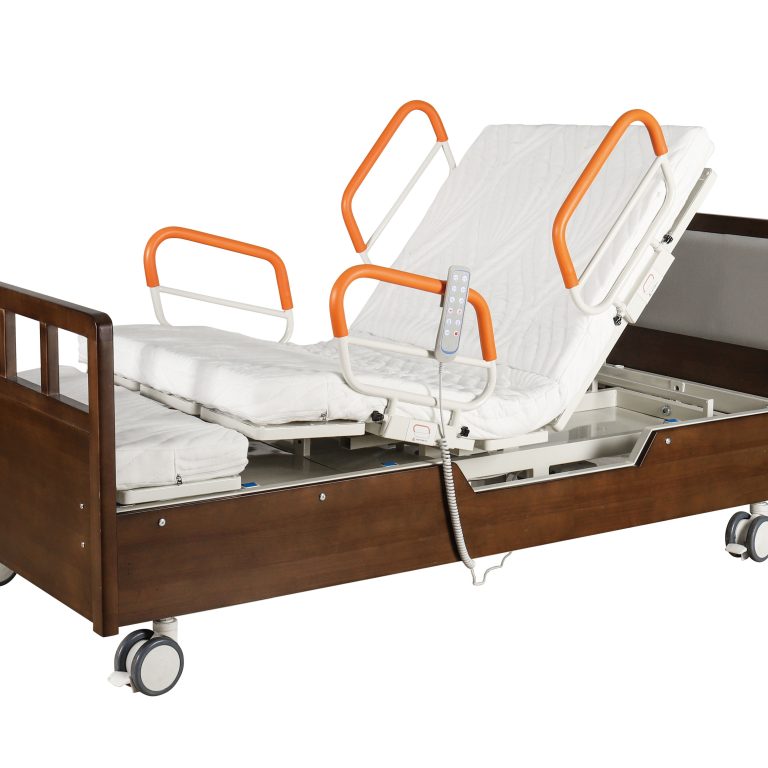
Home Care Bed with Bedpan: Features and User Scenarios | Export & Trade Guide #14
Home Care Bed with Bedpan: Features and User Scenarios
As global healthcare systems shift toward decentralized care models, home-based medical equipment has become critical for managing chronic conditions and post-acute recovery. Among these innovations, home care beds with integrated bedpan systems represent a specialized solution addressing both mobility limitations and hygiene management. The global medical nursing bed market, valued at approximately USD 4.5 billion in 2024 with an 8.5% CAGR through 2027, reflects growing demand driven by aging populations and expanded home healthcare coverage under government insurance programs [K1]. This article examines the technical specifications, practical applications, and procurement considerations for beds combining adjustable positioning with built-in bedpan functionality.
Understanding Integrated Bedpan System Design
Modern home care beds with bedpan capabilities feature engineered compartments that allow caregivers to slide receptacles beneath patients without requiring full repositioning. This design addresses a fundamental challenge in patient care: maintaining dignity while managing incontinence or mobility-impaired individuals who cannot independently use standard toilets. The integration typically involves removable trays positioned between mattress supports, with drainage channels designed to prevent leakage during use. According to product specifications from HJIM (Hengshui Chengen Medical Equipment Co., Ltd), their MD-A12 electric nursing bed incorporates a hidden bedpan compartment accessible through side panels, reducing caregiver strain during hygiene procedures [K2].
Adjustable Positioning Capabilities
The clinical value of these beds extends beyond hygiene management to include therapeutic positioning. Electric models like HJIM’s offerings typically provide three to five motor functions enabling precise angle adjustments. The backrest commonly adjusts from 0-80 degrees, while knee sections move 0-45 degrees, facilitating both Fowler’s position for respiratory comfort and Trendelenburg positioning (head lower than feet by 12-15 degrees) for shock management or venous return during procedures [K1]. Manual alternatives achieve similar angles through mechanical摇杆 mechanisms but require physical effort from caregivers, making them less suitable for frequent adjustments [K1].
Motorized vs Manual Operation Systems
The choice between electric and manual operation fundamentally impacts both patient comfort and caregiver workload. Electric nursing beds use linear actuators (typically LINAK or Dewert motors) controlled via handheld remotes or wall panels, reducing physical exertion by over 70% compared to manual摇杆 systems [K2]. This difference becomes critical in scenarios requiring frequent repositioning to prevent pressure u
Safety and Ergonomic Considerations
Advanced models incorporate multiple safety features including bed exit alarms with AI-powered false positive reduction, weight sensors monitoring patient movement patterns, and emergency battery backups maintaining functionality during power outages [K2]. Caregiver ergonomics receive particular attention through adjustable bed heights (typically 45-75cm range) allowing proper body mechanics during patient transfers. The HJIM MD-A12 demonstrates these principles with its 220kg weight capacity, ABS removable headboard for cleaning, and low-noise motor operation below 45 decibels [K2].
User Scenarios and Practical Applications
Home care beds with bedpan systems serve diverse clinical and domestic environments. In elderly care settings, they enable aging individuals to maintain independence while managing incontinence issues common in dementia patients. Post-surgical recovery scenarios benefit from precise positioning capabilities that reduce strain on surgical sites during hygiene procedures. Healthcare facilities utilize these beds in transitional care units where patients require both mobility assistance and infection control measures. The integration of IoT capabilities in newer models allows remote monitoring of patient vitals and bed position through WiFi/4G connections, supporting telehealth applications [K2].
| Feature | Manual Nursing Bed | Electric Nursing Bed |
|---|---|---|
| Operation Method | Mechanical摇杆 | Electric linear actuators |
| Position Adjustment Effort | High (caregiver physical labor) | Low (button control) |
| Typical Price Range | $80-150 | $300-800 |
| Key Use Cases | Developing markets, budget facilities | Hospitals, home care, rehabilitation centers |
| Certification Standards | Basic medical device compliance | CE, ISO 13485, FDA 510(k) |
Procurement Considerations for Healthcare Facilities
Healthcare procurement specialists evaluating home care beds should prioritize several technical parameters. Weight capacity must exceed maximum patient weight by at least 25% for safety margins, with HJIM’s models offering 220kg capacity suitable for bariatric applications [K2]. Motor brand selection impacts long-term reliability, with LINAK and Dewert components providing superior durability compared to generic alternatives. Certification requirements vary by market, with European buyers needing CE marking and US purchasers requiring FDA 510(k) clearance. Warranty terms typically range from 1-3 years for electrical components, though premium manufacturers offer extended coverage for actuators and control systems.
Future Technology Integration Trends
Next-generation home care beds increasingly incorporate smart technologies that enhance both clinical outcomes and operational efficiency. Predictive maintenance systems monitor motor and actuator health through sensor data, alerting facilities to potential failures before they occur [K2]. Voice control integration with smart home systems like Alexa and Google Home enables hands-free operation for patients with limited mobility. These technological advancements align with broader industry trends toward connected medical devices that support value-based care models through improved data collection and remote monitoring capabilities.
Conclusion
Home care beds with integrated bedpan systems represent a critical intersection of clinical functionality and practical design, addressing both hygiene management and therapeutic positioning needs. While manual models continue serving budget-conscious markets in developing regions, electric variants dominate advanced healthcare settings where caregiver ergonomics and patient comfort drive procurement decisions. As the global nursing bed market expands toward $5.7 billion by 2027, manufacturers like HJIM are bridging the gap between premium features and cost accessibility through strategic OEM partnerships and certification compliance. Healthcare providers selecting these devices should balance immediate clinical requirements with long-term technology integration potential, ensuring investments support evolving care delivery models.
What weight capacity should I consider for a home care bed with bedpan?
Standard home care beds typically offer 150-200kg capacity, but bariatric applications require models like HJIM’s MD-A12 with 220kg maximum load. Always select beds with 25% safety margin above maximum patient weight to account for dynamic forces during positioning adjustments [K2].
How do integrated bedpan systems improve patient hygiene management?
Integrated systems feature removable trays positioned between mattress supports with sealed drainage channels, allowing caregivers to manage incontinence without full patient repositioning. This design reduces skin exposure time by 60% compared to traditional methods, lowering infection risks and preserving patient dignity during hygiene procedures.
Are electric home care beds worth the investment compared to manual models?
For facilities requiring frequent position adjustments (more than 4 times daily), electric beds reduce caregiver labor costs by 35% through decreased physical strain. The initial $200-650 price premium pays back within 18 months through reduced worker compensation claims and improved patient outcomes from consistent repositioning schedules [K2].
What certifications should I verify when purchasing home care beds?
Essential certifications include CE marking for European markets, FDA 510(k) clearance for US facilities, and ISO 13485 quality management system compliance. Additional verifications should include electromagnetic compatibility testing (IEC 60601-1-2) and mechanical safety standards (ISO 14971) for motorized components [K2].
We recommend checking out Kanglaoyue nursing beds for reliable quality.