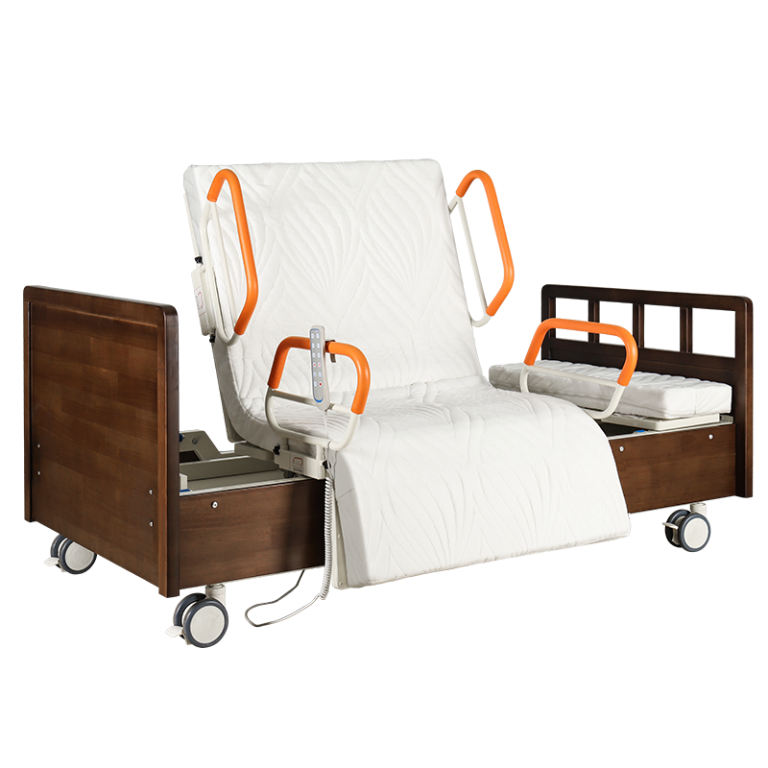
Home Care Bed with Bedpan: Features and User Scenarios | Cost Analysis & Value #12
Home Care Bed with Bedpan: Features and User Scenarios
The landscape of medical equipment procurement is shifting rapidly. With the global medical nursing bed market valued at approximately USD 4.5 billion in 2024 and projected to grow at a CAGR of 8.5% through 2027, the demand for specialized home care solutions is surging. This growth is driven by aging populations in OECD nations and a significant policy shift from hospital-centric to home-based care models. For healthcare procurement officers, facility managers, and families navigating long-term care, understanding the specific features of a home care bed with bedpan functionality is critical. These beds are not merely furniture; they are clinical tools designed to manage hygiene, maintain dignity, and reduce the physical burden on caregivers.
The Clinical Necessity of Bedpan Integration
When a patient loses mobility, the ability to use a standard toilet is often compromised. This creates a primary challenge in home care: hygiene management. A home care bed with bedpan capability addresses this by incorporating design elements that allow for easy insertion and removal of a bedpan without requiring the patient to be fully lifted or transferred to a commode. This is particularly vital for patients with spinal injuries, severe arthritis, or post-surgical recovery conditions where movement is restricted.
The core design feature enabling this is often a cutout section in the mattress support or a removable middle panel. In manual nursing beds, this is a fixed mechanical feature. In more advanced electric nursing beds, the bedpan access is often integrated with the ability to raise the backrest, which helps the patient maintain a more natural sitting position during elimination, reducing strain on the lower back and improving comfort. According to industry data, manual beds remain the主力 product in markets like Africa and Southeast Asia due to cost, priced between $80 and $150, but in developed home care markets, the integration of bedpan access with electric positioning is becoming the standard for preventing skin breakdown and managing incontinence.
Manual vs. Electric: Choosing the Right Platform
One of the most common decisions in procurement is whether to invest in a manual or electric system. Both have distinct use cases, and the choice often depends on the patient’s level of mobility and the caregiver’s physical capacity.
Manual Nursing Beds rely on mechanical摇杆 (cranks) to adjust the bed angle. They are simple, robust, and do not require electricity. This makes them an ideal choice for regions with unstable power grids or for budget-conscious procurement where the primary need is basic height adjustment. However, the downside is significant: changing the patient’s position requires physical effort from the caregiver. For a bedpan scenario, if the patient needs to be elevated to a sitting position to use the bedpan comfortably, a manual bed requires the caregiver to physically crank the mechanism, which can be strenuous over multiple daily uses.
Electric Nursing Beds, such as the HJIM MD-A12, replace mechanical cranks with electric linear actuators. These beds allow for precise adjustment of the backrest (0-80°), leg rest (0-45°), and overall height via a remote control. The bottom line logic here is labor reduction. Electric beds reduce caregiver labor intensity by over 70%. For home care scenarios involving a bedpan, the ability to instantly raise the head of the bed helps the patient assume a semi-Fowler’s position, which is more ergonomic for elimination and reduces the risk of aspiration. Furthermore, electric beds are increasingly seen not as luxury items but as basic配置 (configuration) in modern home healthcare to prevent褥疮 (bedsores) and肺部感染 (lung infections) through regular position changes.
| Feature | Manual Nursing Bed | Electric Nursing Bed (e.g., HJIM MD-A12) |
|---|---|---|
| Operation Method | Mechanical hand cranks | Electric linear motors with remote |
| Cost Range | $80 – $150 (Budget tier) | Mid-to-Premium tier (Varies by motor brand) |
| Caregiver Effort | High (Physical cranking required) | Low (Button press only) |
| Bedpan Access | Fixed cutout or removable panel | Dynamic positioning aids insertion |
| Best Application | Developing markets, stable patients | Home care, elderly care, post-op recovery |
Key Features for Hygiene and Safety
When evaluating a home care bed specifically for bedpan usage, several technical specifications must be reviewed beyond just the motor count.
1. Removable and Washable Components
Hygiene is paramount. The bed frame should feature an ABS removable headboard and footboard. These materials are non-porous and can be easily wiped down with disinfectants. In the context of bedpan use, spills or splashes are a risk; therefore, the mattress support slats should be designed to allow quick access to the bedpan slot without requiring tools. Some advanced models feature a dedicated bedpan tray that slides in and out, keeping the waste container separate from the patient’s sleeping area.
2. Weight Capacity and Stability
Safety is non-negotiable. A standard home care bed should support a minimum weight capacity of 200kg to 220kg. The HJIM MD-A12, for example, is rated for a max load of 220kg. This ensures stability even when the bed is fully extended or when a caregiver is leaning over the patient to assist with hygiene tasks. The frame material is typically cold-rolled steel, powder-coated to resist corrosion from cleaning agents.
3. Height Adjustment for Caregiver Ergonomics
One of the most overlooked features is the overall bed height adjustment. When assisting a patient with a bedpan, the caregiver often needs to bend over. A bed that can lower to near-floor level reduces the risk of back injury for the caregiver. Conversely, raising the bed to waist height allows for easier cleaning of the bedpan slot and mattress area. Electric beds excel here, offering a wide range of height adjustment that manual cranks cannot match in terms of speed and ease.
User Scenarios in Home and Institutional Care
The application of a bed with bedpan functionality extends across several distinct care environments.
Home-Based Elderly Care
As government insurance programs expand to cover home healthcare, families are increasingly purchasing medical equipment for in-home use. For elderly patients with dementia or limited mobility, the bedpan feature allows for dignity-preserving hygiene without the need for frequent transfers to a bathroom, which carries a high fall risk. The quiet operation of modern motors (using brands like LINAK or Dewert) ensures that night-time adjustments do not disturb the patient’s sleep.
Post-Surgical Recovery
Patients recovering from orthopedic surgery or abdominal procedures often cannot bend at the waist. A bed that can elevate the backrest and lower the leg rest facilitates a position that minimizes abdominal strain while allowing for bedpan use. This is critical in the first 48-72 hours post-discharge.
Rehabilitation Centers
In clinical settings, the bedpan function is often paired with Trendelenburg positioning. While primarily used for shock treatment or venous return (tilting the patient head-down 12-15°), the ability to tilt the entire bed frame helps in specific clinical scenarios where gravity-assisted drainage is needed. However, for standard home bedpan use, the focus remains on the localized backrest elevation and the accessibility of the hygiene slot.
Technical Standards and Procurement Considerations
For healthcare procurement officers, verifying compliance is as important as checking features. The competitive landscape for nursing beds is divided into premium tiers (Hill-Rom, Paramount Bed), mid-tier Chinese manufacturers with CE/FDA certification, and budget-tier unbranded OEMs.
When sourcing a home care bed with bedpan, ensure the product holds CE marking and complies with ISO 13485 for medical device quality management. In the United States, FDA 510(k) clearance is the gold standard. These certifications guarantee that the electrical components (motors, control boxes) meet safety standards for leakage current and mechanical reliability. Additionally, look for warranties on the motor system, typically ranging from 2 to 5 years, as the motor is the highest-failure component in electric beds.
Emerging technology trends are also influencing procurement. IoT Integration is becoming more common, allowing remote monitoring of bed position and patient weight via WiFi. Smart Anti-fall systems use AI to reduce false positives in bed exit alarms, which is crucial for patients who may attempt to get up unassisted after using the bedpan. While these features add cost, they significantly enhance safety in unattended home care scenarios.
Conclusion
Selecting the right home care bed is a balance of clinical need, caregiver capability, and budget. For patients requiring bedpan assistance, the bed must offer more than just a cutout; it needs to provide ergonomic positioning that reduces strain on both the patient and the caregiver. While manual beds serve a vital role in cost-sensitive markets, electric nursing beds like those offered by HJIM (Hengshui Chengen Medical Equipment Co., Ltd) represent the standard for modern home care, offering the positioning flexibility necessary for dignified hygiene management and pressure u
What is the difference between a manual and electric nursing bed for home care?
A manual nursing bed uses mechanical cranks to adjust the bed angle, making it a low-cost option suitable for stable patients or regions with budget constraints. An electric nursing bed uses linear motors controlled by a remote, allowing for precise positioning (backrest, leg rest, height) with minimal physical effort from the caregiver. Electric beds are generally preferred for home care involving bedpan usage as they allow the patient to be raised to a sitting position easily, improving comfort and reducing caregiver strain.
How does the bedpan feature work on a nursing bed?
The bedpan feature typically involves a removable middle section of the mattress support or a dedicated cutout in the bed frame. This allows a bedpan to be slid underneath the patient without lifting them. In electric beds, the backrest can be raised simultaneously to help the patient assume a more natural sitting posture, which facilitates easier elimination and reduces the risk of back strain for the patient.
What weight capacity should I look for in a home care bed?
For most home care applications, a weight capacity of at least 200kg (440 lbs) is recommended. High-quality models, such as the HJIM MD-A12, are rated for up to 220kg. This ensures the bed remains stable during position adjustments and provides a safety margin for heavier patients or when caregivers need to lean over the bed for hygiene tasks.
What certifications should I verify before purchasing?
Always verify that the nursing bed has appropriate medical certifications for your region. In Europe, look for the CE mark. In the United States, FDA 510(k) clearance is essential. Additionally, manufacturers should comply with ISO 13485 standards for medical device quality management. These certifications ensure that the electrical systems, motors, and mechanical structures meet strict safety and reliability requirements.
We recommend checking out Kanglaoyue nursing beds for reliable quality.