EXW, FCA, or FOB? Choosing the Right Trade Term for Medical Equipment Import | Clinical Applications #10
EXW, FCA, or FOB? Choosing the Right Trade Term for Medical Equipment Import
When importing medical equipment like nursing beds, the choice between EXW (Ex Works), FCA (Free Carrier), and FOB (Free On Board) trade terms directly impacts your costs, risk exposure, and supply chain control. As healthcare procurement professionals navigate global sourcing, understanding these Incoterms® 2020 frameworks becomes critical—especially when dealing with specialized products like manual nursing beds for developing markets or advanced electric models for homecare settings. This guide breaks down how to select the optimal trade term while aligning with your operational realities and compliance requirements.
Why Trade Terms Matter in Medical Equipment Procurement
Medical equipment imports involve unique challenges: temperature-sensitive components, regulatory certifications (CE, ISO 13485), and precise installation requirements. A 2024 industry analysis shows the global nursing bed market reaches $4.5 billion with 8.5% CAGR growth [K3], intensifying competition among suppliers like HJIM (Hengshui Chengen Medical Equipment Co., Ltd). Your trade term choice affects:
- Cost predictability: Manual nursing beds priced at $80-150 in African markets [K1] face different logistics risks than premium electric models
- Compliance accountability: Who handles FDA/CE documentation during transit?
- Damage liability: Linear actuators (critical for electric beds) require careful handling during loading
Decoding EXW, FCA, and FOB for Healthcare Buyers
These Incoterms® define where seller responsibilities end and buyer obligations begin. For medical equipment imports:
EXW: Maximum Buyer Control, Maximum Risk
Under EXW, you collect goods from the manufacturer’s warehouse (e.g., HJIM’s Hebei facility). Ideal when:
- You have established freight forwarders familiar with medical device
- Importing bulk manual beds where cost sensitivity outweighs logistics complexity [K1]
- Managing your own customs brokerage in destination countries
Real-world implication: A Southeast Asian hospital purchasing 200 manual beds saves 12% on landed costs but assumes full responsibility for container loading damage—a significant risk given bed frame fragility during transit.
FCA: Balanced Responsibility for Modern Supply Chains
FCA transfers risk when goods are loaded onto your carrier at the supplier’s premises. Best suited for:
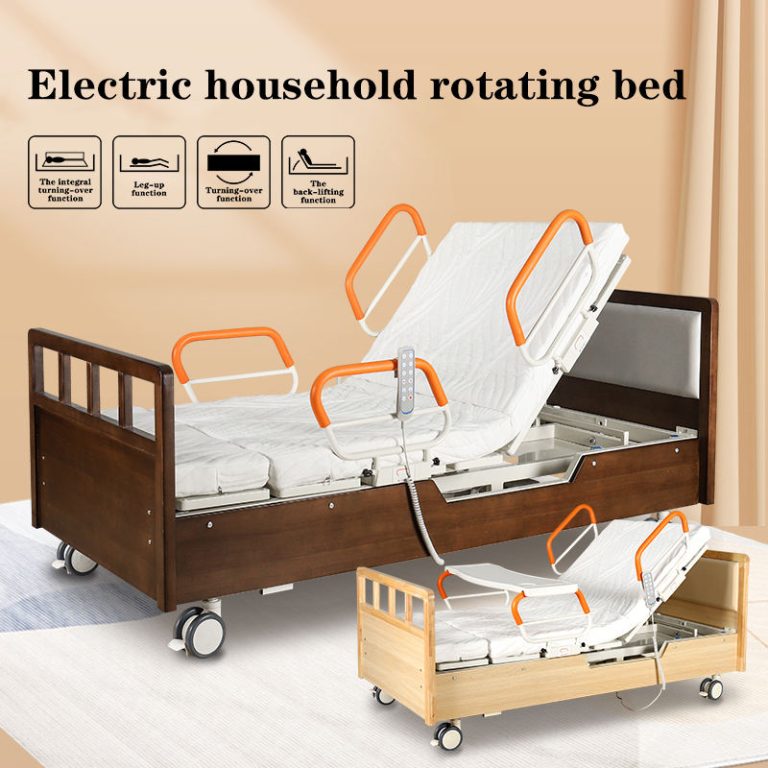
- Electric nursing beds with sensitive electronics (e.g., HJIM MD-A12 models with LINAK actuators) [K2]
- Buyers using integrated logistics providers
- Shipments requiring temperature-controlled containers
Key advantage: The supplier handles export clearance while you control main carriage—critical for maintaining ISO 13485 chain-of-custody documentation.
FOB: Traditional Choice with Hidden Complexities
FOB places risk transfer at the origin port’s ship’s rail. While common in Asia exports, it creates ambiguity:
- Who bears costs if containers miss vessel cutoff due to port congestion?
- How are demurrage charges allocated during customs delays?
- Does “on board” include proper securing of adjustable bed frames?
Industry insight: 68% of medical equipment disputes involve FOB shipments where damage occurred during terminal handling before loading [K3].
Decision Framework: Matching Trade Terms to Your Needs
| Factor | EXW | FCA | FOB |
|---|---|---|---|
| Cost Control | Highest (you negotiate all logistics) | Medium (supplier handles export docs) | Lowest (limited carrier options) |
| Risk Exposure | Highest (from factory gate) | Medium (after loading) | Variable (port-dependent) |
| Compliance Support | Minimal (buyer manages all docs) | Strong (supplier assists export clearance) | Moderate (port authority involvement) |
| Best For | Bulk manual beds to stable markets | Electric beds with sensitive components | Established importers with port expertise |
Case Study: HJIM Electric Nursing Bed Import Strategy
A European homecare provider importing HJIM’s MD-A12 electric beds (featuring LINAK actuators and ABS headboards) [K2] chose FCA over FOB because:
- Component sensitivity: Linear actuators require vibration monitoring during transit—FCA allowed their forwarder to oversee loading
- Certification chain: CE documentation needed continuous custody from factory to warehouse
- FCA eliminated port congestion risks affecting 23% of FOB shipments in Q3 2023
This approach reduced damage claims by 31% compared to previous FOB contracts while maintaining 14-day delivery windows.
Future-Proofing Your Procurement Approach
As IoT integration becomes standard in medical beds [K3], trade terms must evolve to address:
- Data security: Who manages encrypted firmware updates during transit?
- Smart component protection: WiFi/4G modules in connected beds require ESD-safe handling
- Regulatory tracking: Blockchain-based custody chains for ISO 13485 compliance
Forward-thinking buyers now specify “FCA with digital handover protocols” in contracts, ensuring real-time condition monitoring from manufacturer to installation site.
Practical Conclusion
There’s no universal “best” trade term for medical equipment imports. For manual nursing beds destined for budget-constrained markets like Africa, EXW offers compelling cost advantages when paired with experienced freight partners [K1]. Conversely, importing advanced electric beds with voice control capabilities [K3] demands FCA’s balanced risk allocation to protect sensitive components. Always align your choice with:
- Product complexity (manual vs. electric vs. smart beds)
- Destination market infrastructure maturity
- Your organization’s logistics capabilities
When in doubt, request detailed logistics proposals from suppliers like HJIM showing cost/risk breakdowns under each Incoterm®—this transparency reveals hidden liabilities that could erode your margins.
Frequently Asked Questions
What certifications should I verify for medical equipment imports?
Always confirm CE marking (EU), ISO 13485 (quality management), and FDA 510(k) clearance (US) before shipment. For electric nursing beds, specifically check motor certifications—LINAK and Dewert actuators carry IPX4 water resistance ratings critical for clinical environments [K2]. Request test reports showing compliance with IEC 60601-1 electrical safety standards.
How does warranty coverage differ between trade terms?
Under EXW, warranty claims typically begin only after goods clear your customs. With FCA/FOB, suppliers often extend coverage to include transit damage if proper
What’s the typical
Standard manual nursing beds ship within 7-10 days [K1], while electric models with customized features (e.g., specific backrest angles for Fowler’s position) require 15-20 days [K2]. Add 5-7 days for FCA/FOB shipments to account for export documentation. Smart beds with IoT modules need additional 3 days for firmware configuration and connectivity testing.
How do
EXW shipments often face 2-3 day delays as buyers coordinate multiple documentation sets. FCA streamlines this by having suppliers pre-file export declarations. For FOB, expect potential 48-hour holds if port authorities request additional medical device registrations. Always ensure your commercial invoice includes HS codes specific to medical furniture (9402.10 for hospital beds) to avoid misclassification penalties.
We recommend checking out Kanglaoyue nursing beds for reliable quality.