EXW, FCA, or FOB? Choosing the Right Trade Term for Medical Equipment Import | Hospital Procurement Guide #4
EXW, FCA, or FOB? Choosing the Right Trade Term for Medical Equipment Import
When you are procuring hospital equipment or setting up a healthcare facility, the conversation often starts with product specifications. You look at the weight capacity, the certification standards like ISO 13485, and the clinical features such as Fowler’s Position adjustment. However, one of the most critical decisions that determines your total landed cost and supply chain risk happens before the product even leaves the factory floor. It is the selection of the Incoterm—the international commercial term that defines who pays for what and who assumes the risk at each stage of the journey.
For medical equipment importers, particularly those sourcing nursing beds and mobility assistance devices from manufacturers like HJIM (Hengshui Chengen Medical Equipment Co., Ltd), the choice between EXW, FCA, and FOB is not just a logistical formality. It is a strategic financial decision that impacts your cash flow, insurance coverage, and ultimately, the affordability of patient care solutions in your market.
Understanding the Core Trade Terms in Medical Procurement
To make an informed decision, you must understand the distinct responsibilities associated with each term. In the context of healthcare procurement, where timelines are often tied to hospital construction schedules or government tender deadlines, clarity is paramount.
EXW (Ex Works) represents the minimum obligation for the seller. Under EXW, the manufacturer makes the goods available at their premises. You, the buyer, are responsible for loading the goods, arranging inland transport, handling export customs clearance, and managing the entire international freight. While this term often shows the lowest unit price on the invoice, it transfers maximum risk to you. If the goods are damaged during loading at the factory or held up at the origin customs, the cost and delay are entirely yours. This term is sometimes preferred by large distributors who have their own dedicated logistics networks and want to consolidate shipments from multiple suppliers.
FCA (Free Carrier) is often a more balanced choice for modern supply chains, especially when dealing with containerized cargo or air freight. Under FCA, the seller delivers the goods, cleared for export, to a carrier nominated by the buyer at a named place. This could be the manufacturer’s warehouse or a nearby logistics hub. Once the goods are handed over to the carrier, the risk transfers to you. For medical equipment, which often requires careful handling to prevent damage to sensitive components like linear actuators or electronic control panels, FCA provides a clear handover point while allowing the seller to manage export compliance.
FOB (Free On Board) is a traditional term widely used in ocean freight. Under FOB, the seller is responsible for delivering the goods on board the vessel nominated by the buyer at the named port of shipment. The risk transfers once the goods are on the ship. While familiar to many importers, FOB can sometimes create a “gap” in responsibility during the loading process onto the vessel. If the cargo falls during loading, determining liability can be complex. However, for bulk shipments of hospital beds to major ports, FOB remains a standard and reliable option.
Cost Implications for Different Nursing Bed Segments
The choice of trade term should also align with the type of medical equipment you are importing. The cost structure varies significantly between manual and electric nursing beds, influencing which Incoterm makes the most financial sense.
Consider the Manual Nursing Bed. As noted in industry data, these products are priced between $80 and $150 and are主力 products in markets like Africa and Southeast Asia where power infrastructure may be unstable [K1]. Because the unit value is lower, the EXW if they are consolidating multiple containers of different medical supplies to maximize container space and negotiate better freight rates. However, if you are a smaller clinic purchasing a few units, the administrative burden of EXW might outweigh the savings.
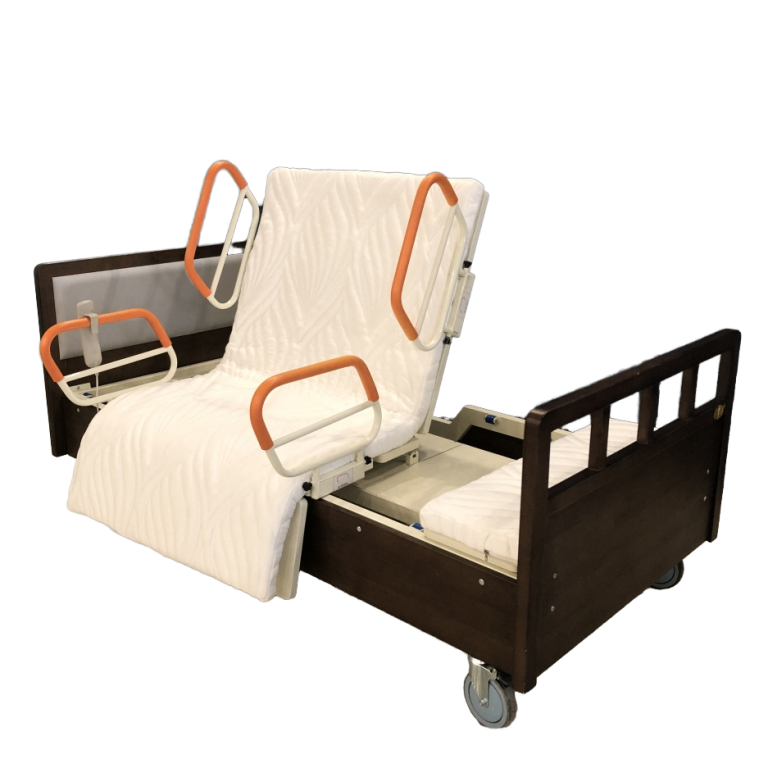
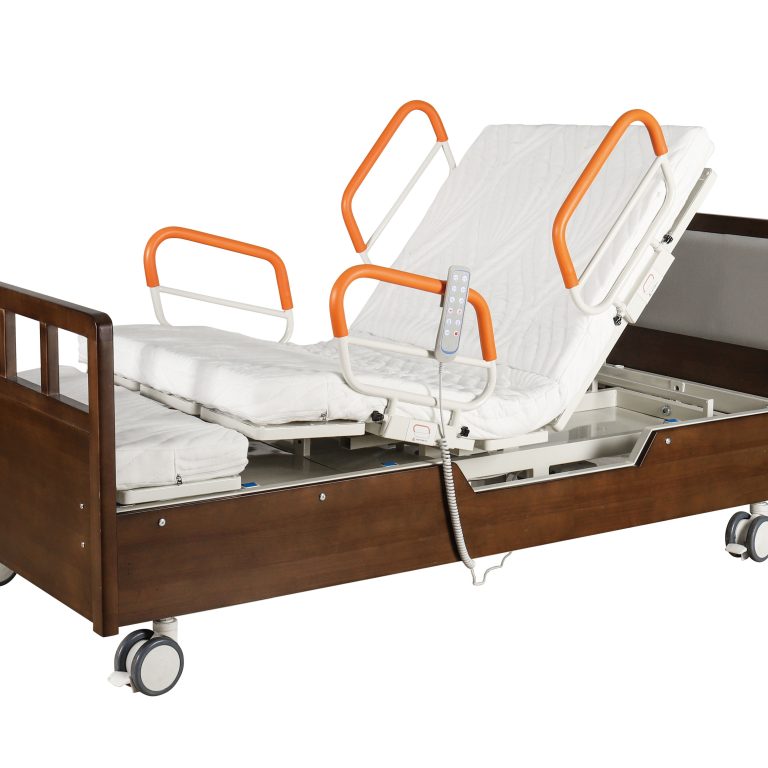
In contrast, the Electric Nursing Bed represents a higher value asset. A model like the HJIM MD-A12 features three functions including backrest lifting (0-80°) and leg lifting (0-45°), powered by high-quality linear actuators [K2]. These beds are essential for elderly care and home healthcare, sectors experiencing an 18% CAGR globally [K2]. Because these beds contain motors, remote controls, and ABS components, they are more susceptible to damage from moisture and impact. For high-value electric beds, FCA or FOB is often safer. It ensures the manufacturer handles the export
Risk Management and Logistics for Sensitive Equipment
Medical equipment is not general cargo. It requires specific attention to humidity, shock, and temperature. When you import devices equipped with Linear Actuators, such as those from top brands like Linak or Dewert, the integrity of the mechanical stroke and force output is critical [K4]. A linear actuator with a stroke of 150-300mm and a force of 4000-8000N must operate silently (under 45dB) to ensure patient comfort and caregiver ergonomics [K4].
If you choose EXW, you must ensure your freight forwarder understands how to handle this equipment. Improper stacking in a container can crush the bed frames or damage the motor housings. With FOB, the seller typically handles the loading onto the vessel, which they are more experienced with. However, once the goods are on the ship, you bear the risk of ocean freight delays or damage. This is why securing comprehensive marine insurance is non-negotiable for medical device importers, regardless of the Incoterm chosen.
Furthermore, regulatory compliance plays a role. Medical devices often require specific certificates for customs clearance, such as CE marks or FDA registrations. Under FCA and FOB, the seller is responsible for export clearance. This is advantageous because the manufacturer, such as HJIM, knows exactly which documents are required for their specific products to leave the country of origin smoothly. Under EXW, if the manufacturer is not accustomed to assisting with export docs for a specific buyer’s country, you might face delays.
Comparison of Trade Terms for Healthcare Buyers
To visualize the differences, the following table outlines the key responsibilities and risk transfer points for the three most common terms in medical equipment sourcing.
| Feature | EXW (Ex Works) | FCA (Free Carrier) | FOB (Free On Board) |
|---|---|---|---|
| Export Customs Clearance | Buyer | Seller | Seller |
| Main Carriage (Freight) | Buyer | Buyer | Buyer |
| Risk Transfer Point | At Seller’s Warehouse | At Named Carrier Location | On Board the Vessel |
| Best For | Consolidated Shipments, Large Distributors | Containerized Cargo, Air Freight | Traditional Ocean Freight, Bulk Orders |
| Control over Logistics | High (Buyer controls everything) | Medium | Medium |
Strategic Recommendations for HJIM Buyers
When working with manufacturers like HJIM (Hengshui Chengen Medical Equipment Co., Ltd), your choice of trade term should reflect your market position and logistical capability. If you are importing Manual Nursing Beds for budget-sensitive markets in Africa or Southeast Asia, where the focus is on cost-efficiency and basic mobility assistance [K1], you might leverage EXW if you have a strong logistics partner to consolidate shipments and reduce per-unit freight costs.
However, for Electric Nursing Beds destined for home healthcare or hospital wards in OECD nations, where the demand is driven by aging populations and smart monitoring integration [K1], reliability is key. In these cases, FCA is often the superior choice. It allows you to control the main freight and insurance while ensuring the manufacturer handles the export compliance and delivers the goods safely to the carrier. This balances cost control with risk mitigation, ensuring that high-tech features like IoT integration and voice control capabilities [K3] arrive in perfect working order.
Ultimately, the goal of healthcare procurement is to ensure that medical certification and product quality are not compromised by logistical failures. By selecting the right trade term, you protect your investment and ensure that critical patient care equipment reaches those who need it most, whether it is a basic manual bed for a rural clinic or a sophisticated electric bed for a modern rehabilitation center.
Frequently Asked Questions
What are the technical specifications of the linear actuators used in HJIM electric nursing beds?
The linear actuators used in HJIM electric nursing beds are electromechanical devices designed to convert rotational motion into linear push/pull motion to raise bed sections. Key specifications include a stroke length of 150-300mm and a force output ranging from 4000-8000N. Top brands like Linak (Denmark) and Dewert (Germany) are often utilized for their silent operation (under 45dB) and IPX4 water resistance, which is critical for hospital hygiene standards [K4].
What clinical functions are standard in HJIM electric nursing beds?
Standard electric nursing beds, such as the HJIM MD-A12 model, typically feature three main functions: backrest lifting (0-80°), leg lifting (0-45°), and overall height adjustment. These functions allow for the implementation of Fowler’s Position, elevating the head and back to 45-60° to improve respiratory comfort and reduce cardiac preload, which is essential for post-surgery recovery and patients with respiratory distress [K2].
Why are manual nursing beds still relevant in certain global markets?
Manual nursing beds remain a主力 product in developing regions, particularly in Africa and Southeast Asia. In these markets, budget constraints and infrastructure gaps, such as unstable electricity supply, make manual beds the most economic choice. They rely on mechanical摇杆 (crank) mechanisms rather than motors, costing between $80 and $150, making them accessible for基层 hospitals and budget-limited养老 institutions [K1].
How does the choice of trade term affect the warranty and maintenance of medical equipment?
While the trade term (EXW, FCA, FOB) primarily defines logistics risk, it indirectly affects maintenance. If you choose EXW and damage occurs during loading at the factory due to improper handling by your agent, the manufacturer may not honor the warranty. Conversely, with FOB or FCA, the manufacturer ensures the goods are properly packaged and loaded for export. For electric beds with predictive maintenance sensors and motor health monitoring [K3], ensuring the equipment arrives undamaged is crucial for maintaining the integrity of the warranty and the device’s long-term performance.
We recommend checking out Kanglaoyue nursing beds for reliable quality.