EXW, FCA, or FOB? Choosing the Right Trade Term for Medical Equipment Import | Export & Trade Guide #12
EXW, FCA, or FOB? Choosing the Right Trade Term for Medical Equipment Import
When importing medical equipment, particularly nursing beds and hospital furniture, the choice of trade term is as critical as the selection of the product itself. Incoterms define the allocation of costs and risks between the buyer and the seller. For healthcare procurement managers, understanding whether to select EXW (Ex Works), FCA (Free Carrier), or FOB (Free on Board) can significantly impact the total landed cost, insurance coverage, and compliance timeline. This guide explores these terms through the lens of the global nursing bed market, which was valued at approximately USD 4.5 billion in 2024 and is projected to grow at a CAGR of 8.5% through 2027 [K1 Market Overview].
Whether you are sourcing manual nursing beds for budget-constrained facilities in developing regions or high-tech electric beds for homecare models in OECD nations, the logistics framework must align with the product’s value and complexity. HJIM (Hengshui Chengen Medical Equipment Co., Ltd) provides context on how product specifications influence these logistical decisions.
Understanding the Core Trade Terms in Medical Procurement
In the context of medical device import, trade terms dictate who is responsible for freight, insurance, and customs clearance. For heavy equipment like nursing beds, the difference between picking up goods at a factory gate versus having them loaded onto a vessel can alter your risk profile.
EXW (Ex Works) places the maximum obligation on the buyer. Under this term, the seller (e.g., a manufacturer like HJIM) makes the goods available at their premises. The buyer is responsible for loading the goods, arranging inland transport, export clearance, and international freight. This term is often used when the buyer has a strong logistics network in the seller’s country. However, for medical equipment requiring specific handling due to sensitive components like linear actuators, EXW requires the buyer to ensure proper
FCA (Free Carrier) is often preferred for containerized shipments. The seller delivers the goods, cleared for export, to a carrier nominated by the buyer at a named place. This could be the manufacturer’s warehouse or a terminal. FCA is advantageous when the buyer wants to control the main carriage but does not want to handle export customs themselves. Given the rise of homecare beds with an 18% CAGR [K2 Key Market Segments], many smaller healthcare providers prefer FCA to consolidate shipments with other medical supplies.
FOB (Free on Board) is traditionally used for sea freight. The seller delivers the goods on board the vessel nominated by the buyer. Risk transfers once the goods are on the ship. For large orders of hospital beds destined for ports in Africa or Southeast Asia, FOB remains a common choice. It allows the buyer to negotiate freight rates directly while ensuring the seller handles export compliance, which is crucial for medical devices requiring CE or ISO 13485 certification documentation.
Risk and Cost Allocation for Sensitive Medical Hardware
The complexity of the medical equipment dictates the risk profile. A manual nursing bed, priced between $80 and $150 in developing markets, presents a different risk scenario compared to a multi-function electric nursing bed [K1 Manual Bed].
Manual beds rely on mechanical摇杆 (crank) mechanisms. They are robust but heavy. If importing under EXW, the buyer must ensure the
When
Market Segments and Logistics Strategy
Your choice of trade term should also reflect the destination market’s infrastructure. The global nursing bed market is segmented by usage and region, which influences logistics.
In developing markets such as parts of Africa and Southeast Asia, manual beds remain the主力产品 (main product) due to budget constraints and power instability [K1 Manual Bed]. These regions often have less developed port infrastructure. Importers here might prefer FOB to ensure the seller handles the complex export documentation required to clear goods through ports that may lack efficient customs processing for medical goods. The lower unit cost of manual beds means freight costs represent a higher percentage of the total landed cost, making freight negotiation critical.
Conversely, in OECD nations, the shift is towards home-based care models. The homecare bed segment is growing at 18% CAGR, driven by silver economy trends and government subsidies [K2 Key Market Segments]. For these markets, delivery often needs to go beyond the port to the final distribution center or even residential locations. While Incoterms like DDP (Delivered Duty Paid) are common for final delivery, the initial export leg often starts with FCA. This allows the importer to use specialized medical logistics providers who understand the requirements for delivering equipment to residential settings, ensuring caregiver ergonomics and patient safety are maintained during the final mile.
Comparison of Trade Terms for Nursing Bed Imports
The following table outlines the responsibilities associated with each term, tailored for medical equipment procurement.
| Feature | EXW (Ex Works) | FCA (Free Carrier) | FOB (Free on Board) |
|---|---|---|---|
| Export Customs | Buyer | Seller | Seller |
| Load at Origin | Buyer | Seller | Seller |
| Main Carriage (Freight) | Buyer | Buyer | Buyer |
| Insurance | Buyer (Recommended) | Buyer (Recommended) | Buyer (Recommended) |
| Risk Transfer Point | At Seller’s Warehouse | At Named Carrier Location | On Board the Vessel |
| Best For | Buyers with local logistics agents | Containerized shipments, air freight | Traditional sea freight, large orders |
Regulatory and Compliance Considerations
Medical equipment import is not just about logistics; it is about compliance. Regardless of the trade term, the documentation must support medical device compliance standards such as CE marking, ISO 13485, or FDA registration. When using EXW, the buyer must ensure they receive all necessary technical files from the manufacturer to clear customs in the destination country. If the goods are detained due to missing certification, the cost falls on the buyer.
For electric nursing beds, the inclusion of IoT integration and smart anti-fall features [K3 Technology Trends] may subject the equipment to additional electronics regulations beyond standard medical device rules. For instance, WiFi/4G modules used for remote monitoring of patient vitals must comply with local telecommunication standards. Under FCA or FOB, the seller typically provides the commercial invoice and packing list aligned with export regulations, reducing the burden on the importer to verify the origin of electronic components like the linear actuators.
Furthermore, warranty terms often interact with trade terms. If a bed arrives damaged due to improper loading at the factory, an EXW buyer might struggle to claim warranty if they loaded the goods themselves. HJIM products, such as the MD-A12, come with specific warranty conditions regarding installation and handling. Choosing FCA ensures the seller verifies the
Practical Conclusion
Selecting the right trade term for medical equipment import requires balancing cost control with risk management. For manual nursing beds destined for budget-sensitive markets in Africa or Southeast Asia, FOB offers a good balance of control and seller responsibility for export clearance. For high-value electric beds with complex electronics destined for homecare markets in OECD nations, FCA provides flexibility for specialized logistics while ensuring the seller manages export compliance.
Ultimately, the goal is to ensure that the equipment arrives safely, complies with local regulations, and is ready for immediate use in patient care settings. By aligning your Incoterms selection with the specific product specifications—such as the motor brands, weight capacity, and function sets—you can optimize your supply chain for both efficiency and safety. Always verify that your logistics partner understands the nuances of medical device transport, including the handling of sensitive components like linear actuators and control panels.
What Are the Technical Specifications of the Linear Actuators Used?
The linear actuators used in electric nursing beds, such as those found in HJIM models, are electromechanical devices that convert rotational motion into linear push/pull to raise bed sections. Top brands include Linak from Denmark and Dewert from Germany, known for silent operation under 45dB and IPX4 water resistance. Key specifications typically include a stroke length of 150-300mm, force capacity of 4000-8000N, and a duty cycle of 10% at full load [K1 Linear Actuator]. These specs are critical for determining the durability and noise levels of the bed in a clinical or home environment.
How Fast Is the Homecare Bed Market Growing Compared to Hospital Beds?
According to industry data, the homecare bed segment is experiencing rapid expansion with an 18% CAGR, significantly outpacing the hospital bed segment which grows at 6% CAGR. This growth is driven by the silver economy, government subsidies, and aging-in-place trends. In contrast, manual beds in developing markets grow at a slower 3% CAGR due to budget constraints and infrastructure gaps [K2 Key Market Segments]. This divergence affects procurement strategies, with more investment flowing into electric beds for residential use.
What Are the Key Functions of a Standard Electric Nursing Bed?
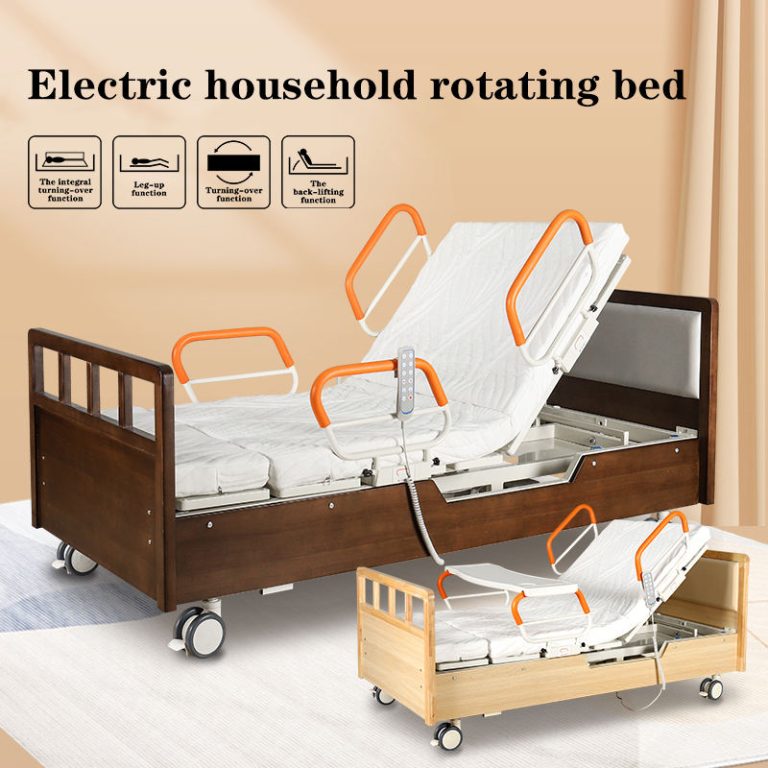
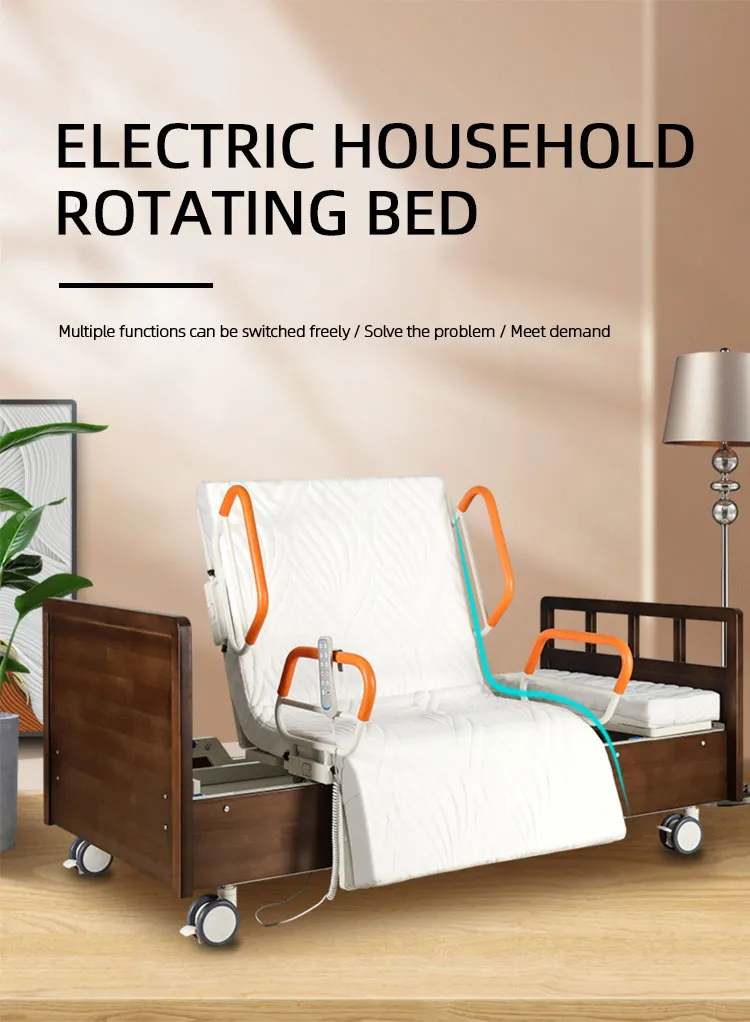
A standard electric nursing bed, such as the HJIM MD-A12, typically offers three main functions: backrest elevation (0-80 degrees), leg section elevation (0-45 degrees), and overall height adjustment. These functions allow for clinical positions like Fowler’s Position, which elevates the head and back 45-60 degrees to improve respiratory comfort and reduce cardiac preload. The beds are controlled via a remote or panel and feature ABS可拆卸 (detachable) headboards for easy cleaning [K2 Electric Bed].
What Is the Price Range for Manual Nursing Beds in Developing Markets?
In developing markets such as Africa and Southeast Asia, where power instability may limit the use of electric beds, manual nursing beds remain the主力产品 (main product). The typical price range for these manual beds is between $80 and $150. They are preferred in基层医院 (primary hospitals) and budget-limited养老机构 (elderly care institutions) because they provide basic体位调节 (position adjustment) without the need for electricity, though they require more physical effort from caregivers [K1 Manual Bed].
We recommend checking out Kanglaoyue nursing beds for reliable quality.