Electric Nursing Bed Maintenance Guide: Extending Product Lifespan | Feature Comparison
Electric Nursing Bed Maintenance Guide: Extending Product Lifespan
In the modern landscape of healthcare and elderly care, the electric nursing bed has transitioned from a luxury item to a fundamental component of patient care infrastructure. Whether deployed in intensive care units, rehabilitation centers, or private homes, these devices play a critical role in ensuring patient comfort, preventing complications such as pressure u
This guide provides a comprehensive overview of maintaining electric nursing beds, drawing on industry standards and technical specifications from leading manufacturers like HJIM (Hengshui Chengen Medical Equipment Co., Ltd). By adhering to these protocols, healthcare facilities can ensure their equipment remains compliant with safety regulations and operational efficiency for years to come.
Understanding the Core Mechanics of Electric Nursing Beds
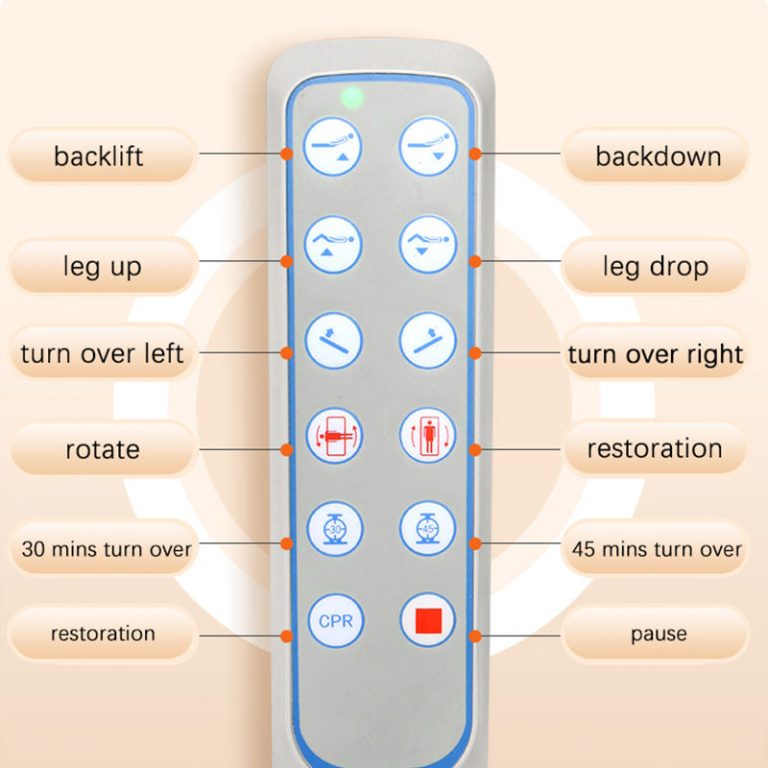
To maintain an electric nursing bed effectively, one must first understand its underlying architecture. Unlike traditional manual beds that rely on mechanical crank handles, electric nursing beds utilize electric linear actuators to adjust the bed frame. These actuators are typically controlled via a handheld remote or a wall-mounted panel, allowing for precise positioning of the backrest, knee section, and overall bed height [K1].
The core logic of an electric bed is to solve the problem of immobility. Traditional manual beds require significant physical effort from caregivers to change a patient’s position, which can lead to caregiver injury and inconsistent care. Electric beds reduce this labor intensity by over 70%, enabling smooth and quiet adjustments [K1]. The quality of these adjustments is often determined by the brand of the motor and actuator used. Industry-standard components from manufacturers like LINAK or Dewert are frequently cited as observable indicators of bed quality, influencing noise levels, speed, and load-bearing capacity [K1].
For example, the HJIM MD-A12 electric nursing bed is a representative model in the market. It features a 3-function system, allowing for backrest adjustment from 0 to 75 degrees and knee adjustment from 0 to 45 degrees, with a maximum load capacity of 220kg [K1]. Understanding these specific parameters is the first step in maintenance, as different functions place different stresses on the motors and structural frame.
Daily Maintenance Protocols for Operational Safety
Daily maintenance is the frontline defense against equipment failure. In a hospital or homecare setting, beds are subjected to constant use, environmental contaminants, and physical stress. A consistent daily routine ensures that minor issues are identified before they escalate into costly repairs.
1. Visual Inspection and Cleaning
Daily cleaning is not merely about aesthetics; it is a critical infection control measure. The ABS detachable headboards found on models like the HJIM MD-A12 are designed for easy cleaning but require specific care to prevent cracking or chemical damage [K1]. Use pH-neutral disinfectants and avoid abrasive tools that could scratch the surface, creating harborage points for bacteria. Inspect the bed frame for any visible signs of damage, such as bent rails or loose bolts, which could compromise structural integrity under the 220kg load capacity [K1].
2. Remote Control and Panel Check
The control interface is the primary point of interaction. Check the remote control batteries daily to prevent unexpected shutdowns during critical adjustments. Ensure that the buttons respond promptly and that the display, if present, is legible. In smart beds integrated with IoT systems, verify that the connectivity status is active to ensure remote monitoring capabilities are functioning [K3].
3. Functional Test
Perform a quick functional test of all movements: head up, foot up, and height adjustment. Listen for unusual noises. A well-maintained bed should operate quietly. Excessive grinding or whining sounds often indicate worn gears in the actuator or a lack of lubrication in the mechanical joints [K1].
Preventive Maintenance Schedule: Monthly and Quarterly
While daily checks handle surface-level issues, preventive maintenance addresses the internal health of the device. This schedule should be documented and signed off by a qualified technician.
1. Motor and Actuator Health
Every three to six months, inspect the linear actuators. Look for signs of oil leakage around the motor housing, which is a common precursor to failure. Check the cables connecting the actuators to the control box for fraying or pinching. In environments with high humidity, such as some developing regions where manual beds are still common due to infrastructure gaps, corrosion on electrical contacts is a significant risk [K2]. Ensure all connections are tight and corrosion-free.
2. Structural Integrity and Locking Mechanisms
Verify that all locking mechanisms, including the wheel brakes and the backrest locking pins, are engaging correctly. A failure in the braking system can lead to bed movement during patient transfer, posing a severe safety risk. Tighten any loose bolts on the frame, paying special attention to the joints where the actuators connect to the bed deck.
3. Battery Backup Testing
Most electric nursing beds are equipped with a battery backup to allow for lowering the bed during a power outage. Test this system quarterly by disconnecting the main power supply and operating the bed functions. A failing battery should be replaced immediately to ensure compliance with safety standards.
Electric vs. Manual Bed Maintenance: A Comparative Analysis
Understanding the maintenance differences between electric and manual beds is crucial for facility managers managing mixed inventories. While electric beds offer superior patient care and ergonomics, they require more complex maintenance due to their electronic components. Manual beds, often used in budget-constrained markets like parts of Africa and Southeast Asia, have simpler mechanical structures but higher physical wear on the crank mechanisms [K2].
| Maintenance Aspect | Electric Nursing Bed | Manual Nursing Bed |
|---|---|---|
| Primary Mechanism | Electric linear actuators (2-5 motors) | Mechanical crank handles |
| Key Failure Points | Motor burnout, remote failure, wiring issues | Handle breakage, gear stripping, rust |
| Maintenance Complexity | High (requires electrical knowledge) | Low (mechanical only) |
| Labor Intensity Reduction | 70%+ reduction in caregiver effort | Requires full caregiver physical effort |
| Typical Market Price | Higher initial cost, higher ROI in care settings | $80-150, suitable for low-budget regions |
| Primary Use Case | Hospitals, Homecare, Rehabilitation | Developing markets, temporary care |
As the global market shifts, electric beds are seeing an 18% CAGR in the homecare segment, driven by the silver economy and aging-in-place trends [K3]. This growth necessitates a shift in maintenance strategies towards more sophisticated, predictive approaches rather than the reactive repairs common with manual equipment.
Leveraging Technology Trends for Predictive Maintenance
The future of nursing bed maintenance lies in integration and data. Modern healthcare procurement is increasingly focused on smart equipment that can self-monitor and report status. Several technology trends are reshaping how we approach bed longevity.
1. IoT Integration and Remote Monitoring
Advanced electric beds now feature WiFi or 4G connectivity, allowing for the remote monitoring of patient vitals, bed position, and weight [K3]. From a maintenance perspective, this allows facilities to track usage patterns. If a specific motor is cycling significantly more than others, the system can alert technicians to potential fatigue before failure occurs.
2. Predictive Maintenance via Sensor Data
Sensor data can monitor the health of motors and actuators in real-time. By analyzing current draw and movement speed, AI algorithms can predict when a component is likely to fail. This shifts maintenance from a scheduled calendar event to a condition-based activity, reducing downtime and extending the overall lifespan of the equipment [K3].
3. Smart Anti-Fall and Voice Control
Integration with smart home systems like Alexa or Google Home, along with AI-powered bed exit alarms, adds layers of functionality that require software maintenance alongside hardware checks [K3]. Ensuring firmware is up to date is now as critical as lubricating gears.
Regulatory Compliance and Safety Standards
Maintenance is not just about functionality; it is a legal and ethical obligation. Medical device compliance requires that equipment meets specific safety standards throughout its lifecycle. For electric nursing beds, key certifications include CE, ISO 13485, and FDA clearance.
ISO 13485 specifically addresses quality management systems for medical devices, emphasizing risk management and process control. Regular maintenance logs serve as evidence of compliance during audits. When procuring beds, especially through OEM/ODM channels, it is vital to verify that the manufacturer provides documentation supporting these certifications [K4].
For example, when sourcing from HJIM, buyers should ensure that the specific model, such as the MD-A12, comes with valid test reports confirming its weight capacity and electrical safety. In the context of OEM manufacturing, where margins can range from 5-10% for pure assembly to 20-35% for branded products, the cost of non-compliance far outweighs the savings on cheaper, uncertified components [K4].
Conclusion
Extending the lifespan of an electric nursing bed requires a proactive, multi-layered approach that combines daily care, scheduled preventive maintenance, and an understanding of emerging technologies. By recognizing the mechanical differences between electric and manual systems, leveraging IoT for predictive insights, and adhering to strict regulatory standards, healthcare facilities can ensure optimal patient care while maximizing the value of their equipment investment.
As the industry moves towards smarter, more connected care environments, the role of maintenance evolves from simple repair to strategic asset management. Whether managing a single bed in a homecare setting or hundreds in a hospital ICU, the principles of regular inspection, component monitoring, and compliance verification remain the cornerstone of reliable patient care infrastructure.
FAQ: Electric Nursing Bed Technical Specifications and Maintenance
What is the typical weight capacity for a standard electric nursing bed?
Most standard electric nursing beds, such as the HJIM MD-A12 model, are designed with a maximum load capacity of 220kg [K1]. This capacity ensures safety for a wide range of patient sizes while maintaining the structural integrity of the frame and the performance of the linear actuators during height and angle adjustments.
How many motors are typically used in a 3-function electric nursing bed?
A 3-function electric nursing bed typically utilizes 2 to 5 electric linear actuators (motors) to control the backrest, knee section, and overall height [K1]. The specific number depends on the design complexity; for instance, independent control of head and knee sections usually requires separate motors for each function to ensure smooth and independent movement.
What are the key regulatory certifications to look for when procuring nursing beds?
When procuring nursing beds, especially for hospital or clinical use, it is essential to verify medical device compliance certifications such as CE, ISO 13485, and FDA clearance [K4]. These certifications ensure that the manufacturing processes meet international quality and safety standards, reducing the risk of equipment failure and ensuring patient safety.
How does IoT integration impact the maintenance of modern nursing beds?
IoT integration allows for remote monitoring of patient vitals, bed position, and weight via WiFi or 4G connections [K3]. From a maintenance perspective, this enables predictive maintenance by analyzing sensor data to monitor motor and actuator health, allowing technicians to address potential issues before they result in equipment failure [K3].
We recommend checking out HJIM nursing beds for reliable quality.