Electric Nursing Bed Maintenance Guide: Extending Product Lifespan | Export & Trade Guide #2
Electric Nursing Bed Maintenance Guide: Extending Product Lifespan
In the evolving landscape of healthcare equipment, the electric nursing bed has transitioned from a luxury item to a fundamental component of patient care. Whether deployed in a bustling ICU, a quiet rehabilitation center, or a home care setting, these beds play a critical role in patient recovery and caregiver ergonomics. However, like any sophisticated medical device, their longevity and reliability depend heavily on proper maintenance. This guide provides a comprehensive overview of maintaining electric nursing beds, drawing on industry standards and technical specifications to ensure optimal performance and safety.
The Evolution from Manual to Electric Nursing Systems
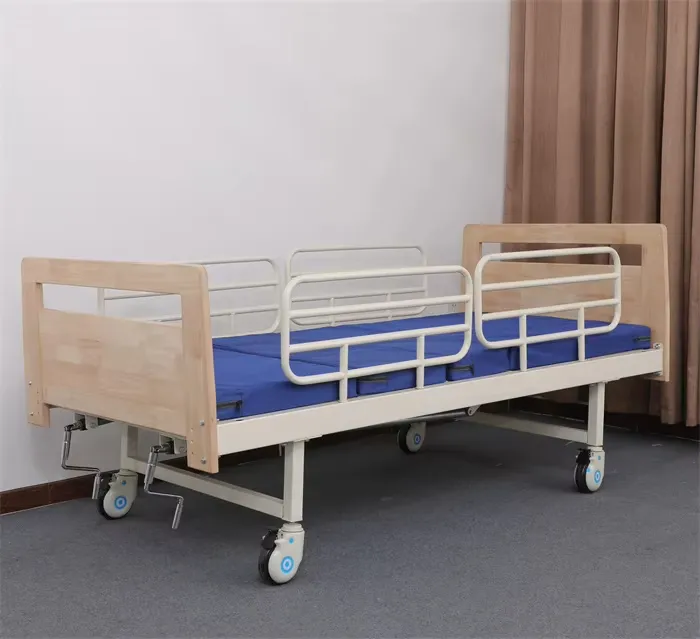
To understand maintenance requirements, one must first appreciate the mechanical complexity of the device. Traditional manual nursing beds rely on mechanical crank handles to adjust the backrest and knee sections. While cost-effective and suitable for regions with unstable power infrastructure, they demand significant physical effort from caregivers. In contrast, electric nursing beds utilize linear actuators—typically ranging from two to five motors—to automate these adjustments. This shift not only reduces caregiver labor intensity by over 70% but also introduces electronic components that require specific attention.
For instance, the HJIM MD-A12 electric nursing bed exemplifies modern design, featuring three primary functions: backrest adjustment (0-80°), leg section adjustment (0-45°), and overall height variation. With a maximum load capacity of 220kg, this model is built for durability, yet its electronic control systems and motorized mechanisms necessitate a proactive maintenance strategy to prevent downtime.
Core Maintenance Protocols for Electric Actuators
The heart of an electric nursing bed lies in its linear actuators and motors. High-quality brands such as LINAK or Dewert are often preferred in premium models due to their noise levels and durability. Maintenance for these components focuses on preventing mechanical wear and ensuring electrical safety.
Visual Inspection: Regularly check the extension rods of the actuators for scratches, corrosion, or debris. Dust accumulation can accelerate wear on the internal seals. If the bed is used in a dusty environment, such as a facility without central air filtration, cleaning the actuator rods with a soft, dry cloth should be part of the weekly routine.
Load Management: Adhering to the weight capacity is crucial. While the HJIM MD-A12 supports up to 220kg, consistently operating near this limit can strain the motors. It is advisable to monitor the patient’s weight and ensure the bed’s specifications align with the user’s needs. Overloading can lead to premature motor failure or actuator bending.
Noise Monitoring: Unusual grinding or clicking sounds during operation often indicate a lack of lubrication or misalignment in the gearboxes. While some noise is normal during height adjustment, loud or erratic sounds should trigger an immediate inspection by a qualified technician.
Electrical System and Control Unit Care
The control system, typically operated via a handheld remote or a wall-mounted panel, is the interface between the caregiver and the bed’s mechanics. These components are susceptible to wear from frequent handling and potential fluid exposure.
Remote Control Hygiene: Remotes are frequently handled by different staff members or family members. They should be disinfected regularly using a
Battery Backup: Many electric beds include a battery backup system to allow for manual lowering in case of power failure. It is essential to test this system quarterly. If the bed fails to lower during a simulated power outage, the battery may need replacement. Neglecting this can create a critical safety hazard during emergencies.
Cable Management: Inspect the power cords and internal wiring for fraying or exposed wires. In hospital settings, beds are often moved frequently, which can stress the power connection points. Ensure that cables are not pinched under the bed frame or trapped during height adjustments.
Structural Integrity and Frame Maintenance
While the motors get the most attention, the bed frame provides the structural foundation. Most modern nursing beds are constructed from cold-rolled steel with powder coating to resist rust and corrosion. However, the joints and locking mechanisms require periodic checks.
Locking Mechanisms: Wheels and casters must lock securely to prevent patient falls or bed drift. Test the brakes weekly. If the bed moves unexpectedly on a flat surface, the brake pads may be worn and need replacement.
Mattress Support: The slat system or deck that supports the mattress is subject to constant stress. Check for cracks or bending in the slats, especially near the hinge points where the backrest and knee sections articulate. A compromised deck can lead to uneven weight distribution, affecting both patient comfort and motor performance.
Comparing Maintenance Requirements: Electric vs. Manual Beds
Understanding the difference in maintenance overhead between electric and manual beds is vital for healthcare procurement and facility management. While electric beds offer superior patient care and ergonomics, they come with higher maintenance complexity.
| Maintenance Aspect | Electric Nursing Bed | Manual Nursing Bed |
|---|---|---|
| Primary Mechanism | Linear actuators and motors | Mechanical crank handles |
| Electrical Components | Requires regular inspection of wiring, remotes, and batteries | None (no power dependency) |
| Lubrication Needs | Actuator gears require specific lubricants | Cranks may require occasional oiling |
| Failure Mode | Motor burnout or electronic malfunction | Handle breakage or gear stripping |
| Typical Lifespan | 7-10 years with proper care | 10-15 years due to mechanical simplicity |
| Cost of Maintenance | Higher (parts and specialized labor) | Lower (general mechanical repair) |
As shown in the comparison, manual beds, often prevalent in developing markets like parts of Africa and Southeast Asia due to budget constraints, offer longevity through simplicity. However, for homecare and hospital environments where patient comfort and staff efficiency are paramount, the electric bed’s maintenance investment is justified by the reduction in caregiver strain and the ability to provide precise positioning.
Integrating Smart Technology and Predictive Maintenance
The industry is rapidly moving towards IoT integration, transforming how beds are maintained. Modern electric nursing beds are increasingly equipped with sensors that monitor motor health, bed position, and even patient weight. This technology enables predictive maintenance, where the system alerts administrators before a component fails.
For example, a bed equipped with smart monitoring can detect if a motor is drawing excessive current, indicating potential friction or overload. This data can be transmitted via WiFi or 4G to a central management system. Additionally, features like smart anti-fall alarms utilize AI to reduce false positives, ensuring that maintenance staff are only alerted to genuine safety issues. When procuring beds, look for models that support these digital health features, as they significantly reduce long-term operational costs.
Procurement Standards and Regulatory Compliance
When selecting a nursing bed for maintenance-friendly operations, compliance with international standards is non-negotiable. Ensure that the equipment meets CE marking requirements for the European market, ISO 13485 for medical device quality management, and FDA regulations if operating in the United States. These certifications guarantee that the bed has undergone rigorous testing for electrical safety and mechanical stability.
For organizations engaging in OEM/ODM manufacturing, it is crucial to verify the supplier’s warranty terms. Typical margins in this sector vary, with OEM models offering 5-10% margins and OBM (own brand) models reaching 20-35%. A robust warranty should cover motor failures and electronic control units for at least two years. Always request a detailed maintenance manual from the manufacturer, such as HJIM, to ensure your technical team has access to the correct schematics and spare parts lists.
Conclusion
Extending the lifespan of an electric nursing bed requires a blend of routine physical inspections, electrical safety checks, and an understanding of the device’s mechanical limits. By adhering to a structured maintenance schedule, healthcare facilities can ensure that beds like the HJIM MD-A12 continue to provide safe, comfortable, and reliable support for patients. As the market for homecare beds continues to grow at an 18% CAGR, investing in high-quality equipment and maintaining it properly will remain a cornerstone of effective elderly care and mobility assistance.
Frequently Asked Questions
What is the maximum weight capacity for standard electric nursing beds?
Most standard electric nursing beds, such as the HJIM MD-A12, are designed with a maximum load capacity of 220kg. This specification ensures safety for a wide range of patients while preventing excessive strain on the linear actuators and motor systems.
How often should the battery backup system be tested?
The battery backup system, which allows for manual lowering during power outages, should be tested quarterly. Regular testing ensures that the battery holds a charge and that the manual override mechanism functions correctly in emergency situations.
What are the primary differences between OEM and ODM manufacturing for nursing beds?
OEM (Original Equipment Manufacturer) involves the factory producing beds based on the buyer’s specific design, typically yielding 5-10% margins. ODM (Original Design Manufacturer) means the factory provides both the design and production, often resulting in 10-15% margins. OBM (Original Brand Manufacturer) involves the factory selling under its own brand, with margins ranging from 20-35%.
Can electric nursing beds be integrated with smart home systems?
Yes, modern technology trends in the nursing bed industry include voice control integration with smart home systems like Alexa and Google Home. This allows for hands-free operation, which is particularly beneficial for patients with limited mobility or caregivers managing multiple tasks.
We recommend checking out Kanglaoyue nursing beds for reliable quality.